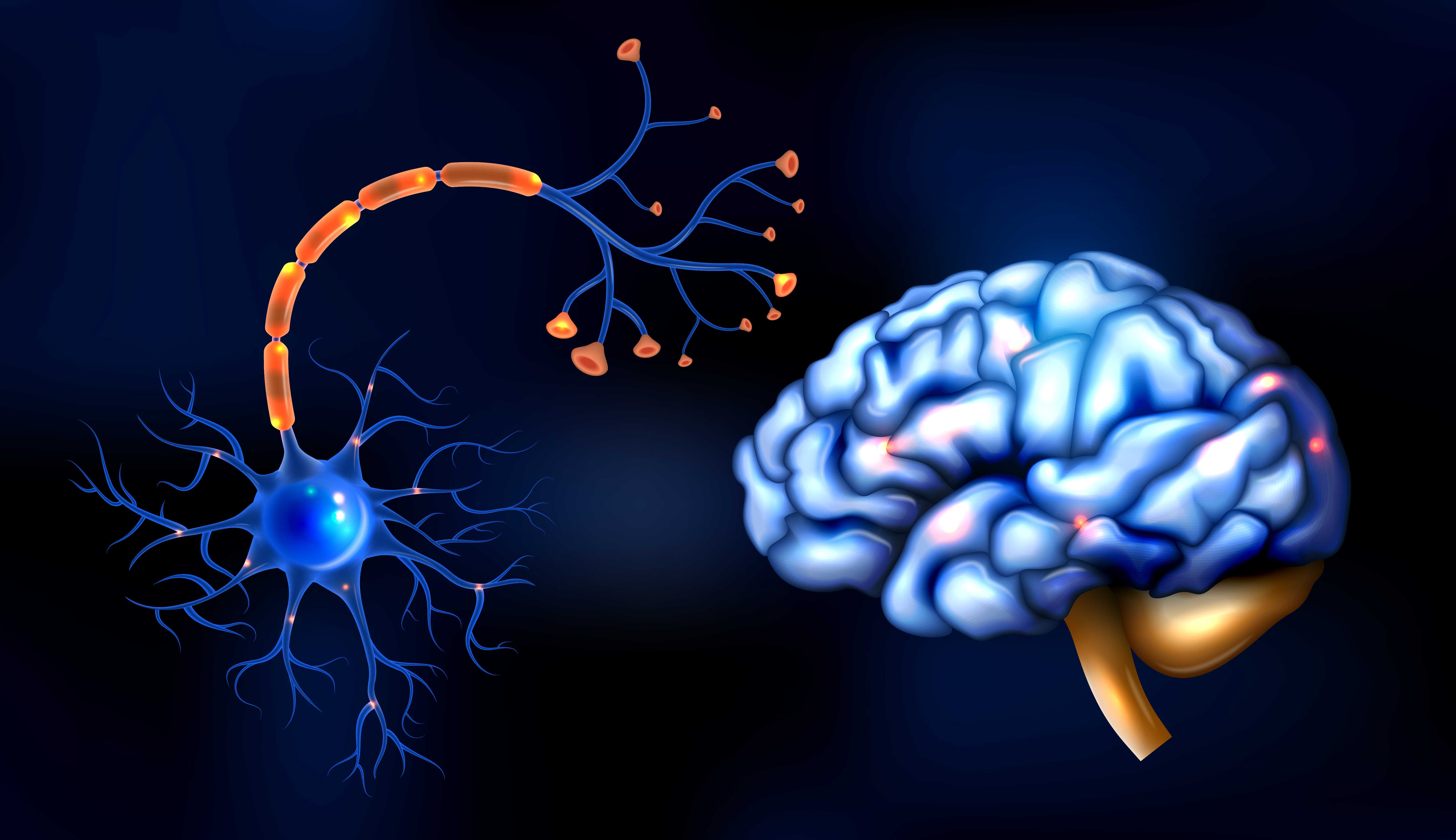
Poor sleep is the biggest single cause of poor concentration; even one bad night reduces attention and memory.
You sit down to work, and twenty minutes later you have checked your phone nine times, opened five tabs, and read the same paragraph three times. If that sounds familiar, you are not lazy or broken. Modern life is an attention battlefield, and sleep, diet, stress, and health problems all quietly drain your ability to focus.
The good news is that concentration is trainable. Most people can sharpen it with a few consistent changes.
What Is Concentration?
Concentration is the ability to direct your mind on one task and sustain it while ignoring distractions. It depends on several brain functions working together: attention, working memory, and executive control. These are sensitive to your physical and emotional state.
Common Causes of Poor Concentration
Lifestyle
Poor or insufficient sleep: the biggest culprit. Even one bad night reduces attention and memory.
Constant digital interruptions: notifications, social media, and multitasking fragment attention.
Skipping meals or eating mostly sugar and refined carbohydrates
Dehydration
Excess caffeine or sudden withdrawal
Alcohol and smoking
Lack of exercise
Overwork and no breaks
Noisy, cluttered environments
Nutritional deficiencies
Iron deficiency and anaemia
Vitamin B12 deficiency
Vitamin D deficiency
Low folate, magnesium, or omega-3 intake
Emotional and mental health
Chronic stress and burnout
Anxiety, with racing thoughts
Depression, which dulls motivation and focus
Grief or major life changes
ADHD (attention-deficit/hyperactivity disorder), which can persist into adulthood and is often undiagnosed
Early cognitive decline or dementia in older adults
Medication side effects (sedatives, antihistamines, some blood pressure drugs)
15 Ways to Improve Concentration
1. Sleep seven to eight hours
Sleep consolidates memory and restores the brain's attention networks. Keep consistent times and limit late-night screens.
2. Start with the hardest task
Do demanding work when your energy is highest, usually in the morning, and save routine tasks for later.
3. Work in focused blocks
Try the Pomodoro method: 25 minutes of focused work, then a 5-minute break; after four rounds take a longer break. This respects the brain's natural attention span.
4. Remove distractions
Put your phone in another room or on silent
Turn off non-essential notifications
Close extra browser tabs
Use website blockers if needed
Tell colleagues and family when you need uninterrupted time
5. Do one thing at a time
Multitasking is task-switching, and it reduces accuracy and increases fatigue. Finish one task before starting another.
6. Eat for steady brain energy
Include protein at breakfast: eggs, paneer, besan chilla, moong dal cheela, curd
Choose whole grains and millets over refined carbohydrates
Add nuts, seeds, fruits, and vegetables
Include omega-3 sources: fish, walnuts, flaxseeds
Avoid long gaps between meals and heavy, oily lunches that cause an afternoon slump
7. Stay hydrated
Even mild dehydration impairs attention. Keep a water bottle at your desk.
8. Exercise regularly
Physical activity increases blood flow and brain-derived growth factors. Even a 10-minute walk improves focus. Aim for 150 minutes weekly.
9. Take real breaks
Step away from screens, stretch, look into the distance to rest your eyes, and move. Scrolling social media is not a break; it taxes attention further.
10. Practise mindfulness or meditation
Even 10 minutes a day trains attention control. Start with simple breath awareness: when your mind wanders, gently bring it back. The act of returning is the exercise.
11. Manage stress and anxiety
Breathing exercises, yoga, talking to someone, and making time for relaxation all improve cognitive function. Persistent anxiety may need professional help.
12. Organise your environment and tasks
A tidy workspace, a written to-do list with priorities, and a plan for the day reduce mental load. Writing down worries and ideas frees working memory.
13. Use caffeine sensibly
One or two cups can improve alertness. Too much causes jitteriness and poor sleep. Avoid it in the afternoon.
14. Train your brain
Reading, learning a new skill or language, playing musical instruments, chess, or puzzles keep the mind engaged. They support cognitive health, though benefits are specific to the skill practised.
15. Spend time in nature and sunlight
Natural light supports alertness and mood, and time outdoors can restore attention.
Foods and Supplements
Food supports focus, but no single food or tonic is a magic "brain booster."
Helpful foods: eggs, nuts (especially walnuts and almonds), seeds, fish, leafy greens, berries, whole grains, curd, turmeric in food, and dark chocolate in small amounts.
Supplements: only helpful if you are deficient. Test for B12, vitamin D, iron, and thyroid before taking pills. Many "memory booster" products have limited evidence.
Concentration in Children and Students
Ensure adequate sleep and a nutritious breakfast
Limit screen time, particularly before study time
Break study sessions into short blocks with breaks
Provide a quiet study space
Encourage outdoor play and exercise
Be alert to signs of ADHD, learning difficulties, anxiety, or vision and hearing problems if a child consistently struggles
When to See a Doctor
Consult a doctor if:
Concentration problems are new, persistent, or worsening
They interfere with work, studies, or daily life
You have memory loss, confusion, or personality changes
You have symptoms of depression or anxiety
You feel excessively tired, gain or lose weight, or have other symptoms
You suspect ADHD or a sleep disorder
You are on medicines that may affect thinking
A medical evaluation may include blood tests (haemoglobin, B12, vitamin D, thyroid, glucose), a review of medicines, sleep assessment, and mental health screening.
Care at Prakash Hospital Noida
At Prakash Hospital Noida, our physicians look beyond the surface to identify medical, nutritional, and psychological causes of poor concentration and guide you toward practical, lasting improvement.
Whether you live in Sector 18, Sector 62, Greater Noida West, or anywhere nearby, Prakash Hospital Noida is a trusted name for brain health and general wellness in Noida.
We offer expert care across key specialties, including Medicine, Cardiology, Orthopaedics, ENT, Gynaecology, and more—delivering trusted treatment under one roof.
Brain-training apps rarely transfer to real life. Build focus with single-tasking, fewer interruptions, breath practice, exercise, sleep and a 4-week plan.
Leg pain while walking, cold feet, slow-healing wounds, these could be early signs of Peripheral Artery Disease. Prakash Hospital's vascular specialists in Noida explain what to watch for and when to act.