


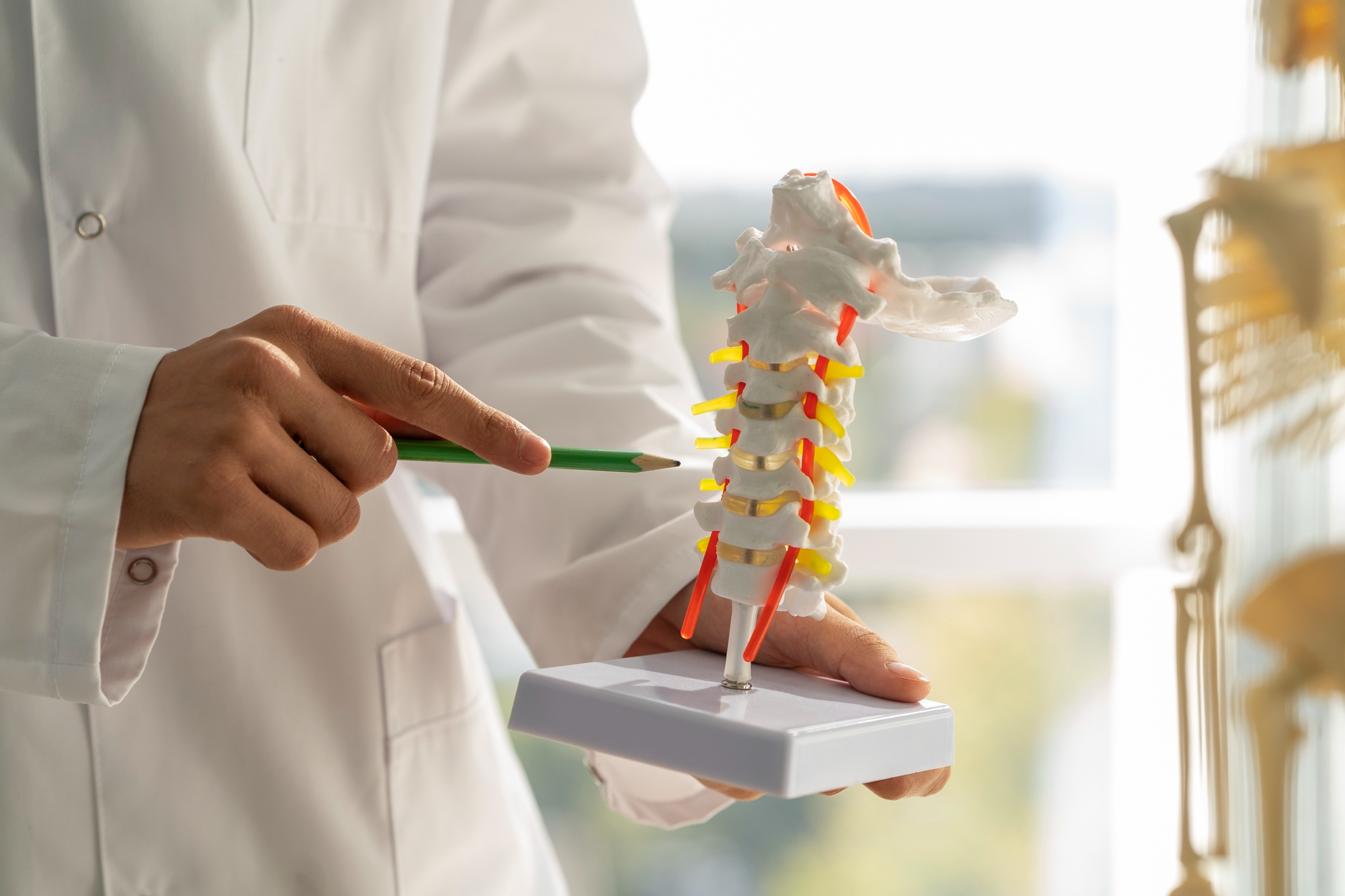
Role of Nutrition in Bone Healing
Support fracture recovery with essential nutrients like calcium, vitamin D, and protein for faster bone healing.
19 Nov 2025
by Prakash Hospital
by Prakash Hospital
Calcium is one of the minerals that the human body needs for survival. However, it is rarely considered when it comes to food nutrition. It is common knowledge that calcium plays an important role in bone growth, but not many know about its other functions. These include muscle movements, nerve impulse transmission, and cardiac activity regulation.
The body does not synthesize this mineral on its own, meaning that it needs to be ingested either through food or supplements. In the absence of enough dietary calcium, the body extracts it from bones. This can make the skeleton brittle.
This article covers the sources of dietary calcium, recommended daily intakes, symptoms of deficiencies, absorption techniques, and more.
Calcium is responsible for numerous physiological processes. About 99 percent of calcium content in the body is contained in the skeletal system and teeth, and the other 1 percent is in the bloodstream, providing its physiological roles.
A steady intake of calcium is needed for maintaining physiological functions without sacrificing bone integrity.
Functions of calcium include:
Your calcium requirement varies depending on age, gender, and life stage. Meeting your daily requirement consistently is crucial to prevent deficiency.
Adolescents and older adults are at higher risk of deficiency due to increased needs and reduced absorption.
A balanced diet will be sufficient in providing adequate amounts of calcium through the inclusion of various nutrient-rich foods.
Dairy products are one of the best and the most bioavailable sources of calcium. That means that the body will readily absorb the mineral from this type of food.
These include:
Consumption of milk products in moderate quantities may help in getting adequate amounts of calcium, especially for Indians.
Green leafy vegetables are plant sources of calcium and can prove valuable for vegetarians or vegans. They can provide plenty of health benefits other than calcium.
Consider eating:
These are also rich in fiber and antioxidants, which are beneficial for good health.
Nuts and seeds not only contain ample amounts of calcium but are nutrient-rich sources of protein and fats.
These foods include:
These seeds contain abundant amounts of calcium and are easy to include in everyday meals.
These are commonly eaten foods and contain a good amount of calcium. Apart from that, they also provide several other nutrients.
Examples of legumes are:
Calcium-fortified foods are particularly helpful for those who cannot obtain sufficient calcium through natural sources alone.
These are:
Ensure you check the label to be sure that your food contains enough calcium.
Fish is among the best sources of calcium.
Some examples include:
These foods also contain Vitamin D, which helps in absorbing calcium.
Although fruits may not be rich sources of calcium, they help boost overall calcium intake levels and its absorption.
Eat:
Fruits have other nutritional benefits like vitamin and fluid intake.
Calcium deficiency symptoms are likely to develop slowly, and therefore, can only be detected after some time. Long-term calcium deficiency impacts bone and muscular functioning.
Symptoms include:
In serious situations, it could lead to osteoporosis.
Some groups are at risk of calcium deficiency due to various factors such as their eating habits, lifestyle, or physiological processes.
The groups include:
Changes in hormones and poor absorption are major causes of this condition among these groups.
While the body needs calcium, its proper absorption is also vital for effective utilization. There are certain things you should know concerning calcium absorption.
Calcium cannot be utilized without Vitamin D because the latter promotes its absorption.
The following are the sources:
Both sodium and caffeine cause increased excretion of calcium.
Balanced eating ensures better calcium utilization.
Eat:
This promotes strong bones and better calcium retention.
Exercise routines include:
Some foods, such as spinach, have oxalate components that inhibit calcium uptake when consumed in extremely high amounts.
There are some dietary elements that may interfere with calcium intake if consumed in high amounts.
Limit:
It is recommended to consume these foods in moderation, complete restriction is not required in most situations.
Although food sources are highly encouraged, supplements may be needed in some situations. Overdose of calcium supplements may result in some side effects.
Calcium supplements may be advised to:
It is best to consult your physician before taking any supplement.

A selection of dairy foods representing calcium-rich nutrition for strong bones and teeth.
If you are having symptoms that do not subside, visit your physician immediately. Timely assessment can help avoid further problems.
Visit your doctor if you experience:
Proper care for maintaining healthy bones involves several aspects like diet and physical activity.
Prakash Hospital offers expert services for bone care and nutrient deficiencies.
Strong bones start with the right nutrition. Visit Prakash Hospital for expert advice and personalized care.
Dairy products are among the richest sources, but sesame seeds and sardines also contain very high levels of calcium.
Yes, by including leafy greens, nuts, seeds, legumes, and fortified foods, you can meet your calcium requirements.
Muscle cramps, fatigue, weak nails, and dental issues are early warning signs.
Calcium can be taken at any time, but it is often better absorbed in smaller doses with meals.
Yes, vitamin D is essential for proper calcium absorption and utilization.
They are safe when taken under medical supervision, but excessive intake should be avoided.
Exercise doesn’t increase calcium levels directly but helps strengthen bones and improve calcium utilization.

Replaces a damaged shoulder ball and socket to relieve arthritis pain and help you use your arm again.
Keyhole surgery using a thin camera to diagnose and repair problems inside the knee or shoulder.
Replaces a failed knee implant that is loose, worn, infected or unstable with new revision parts.
Free tools to check your weight, plan a pregnancy, track calories and more.
We offer expert care across key specialties, including Medicine, Cardiology, Orthopaedics, ENT, Gynaecology, and more—delivering trusted treatment under one roof.
Support fracture recovery with essential nutrients like calcium, vitamin D, and protein for faster bone healing.
19 Nov 2025
by Prakash Hospital

Calcium-rich foods — the best Indian sources for strong bones and teeth. Visit Prakash Hospital Noida for nutrition consultation and bone health.
20 Jul 2026
by Prakash Hospital
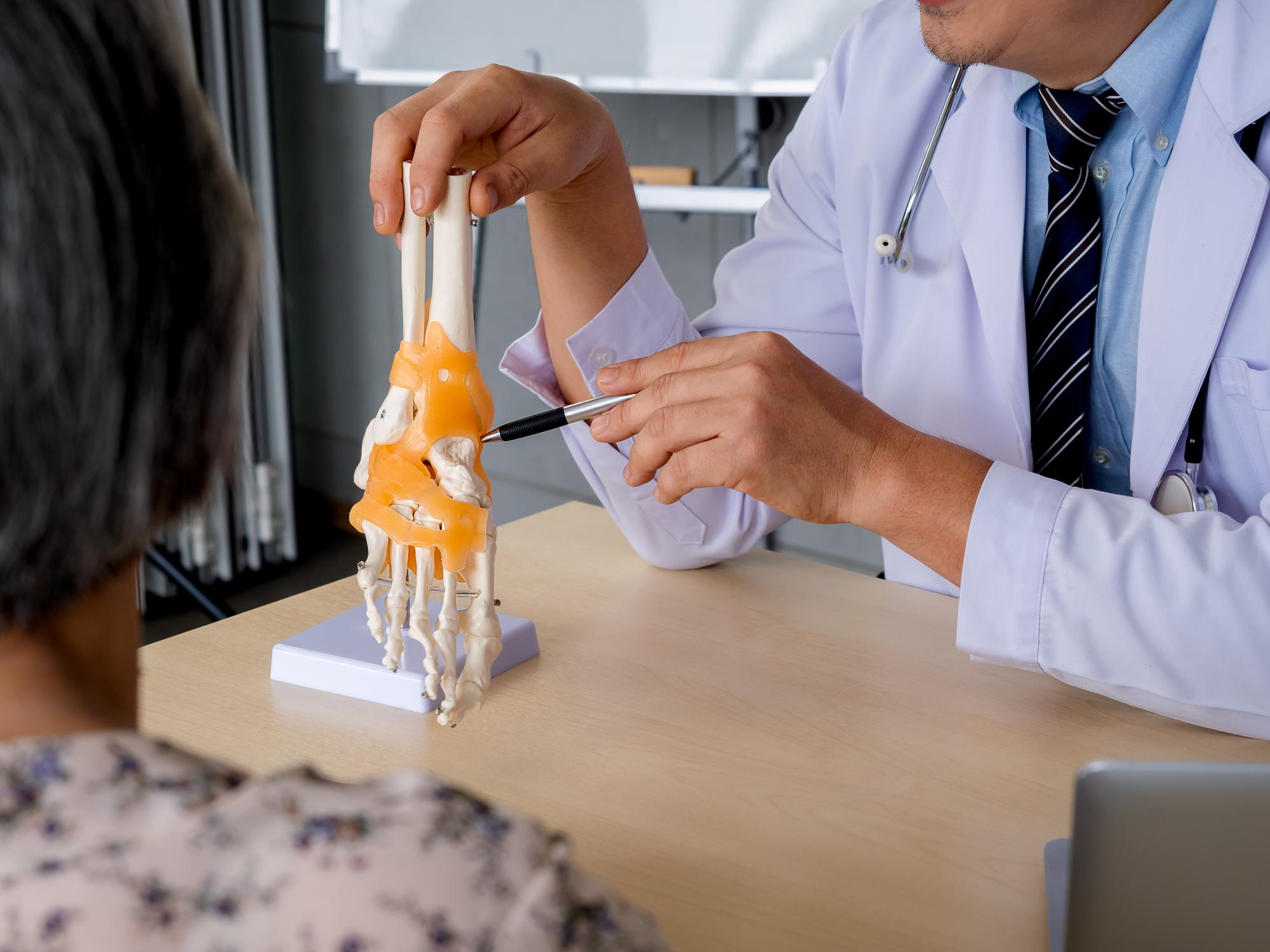
हड्डियों में सूजन के कारण, लक्षण और इलाज जानें। ऑस्टियोमाइलाइटिस, आर्थराइटिस और हड्डी के दर्द को नजरअंदाज न करें। Prakash Hospital में पाएं एडवांस ऑर्थोपेडिक उपचार।
9 Jun 2026
by Prakash Hospital

IBS symptoms, causes, triggers, and management. What is irritable bowel syndrome and how to live with it. Prakash Hospital Noida.
15 Sept 2026
by Prakash Hospital

Detailed guide on gut health, gut microbiome imbalance, symptoms of poor gut health and scientifically proven ways to improve digestive health.
19 Feb 2026
by Prakash Hospital

Gastritis symptoms — what inflamed stomach lining feels like, what causes it, and what actually helps. Prakash Hospital Noida.
16 Sept 2026
by Prakash Hospital
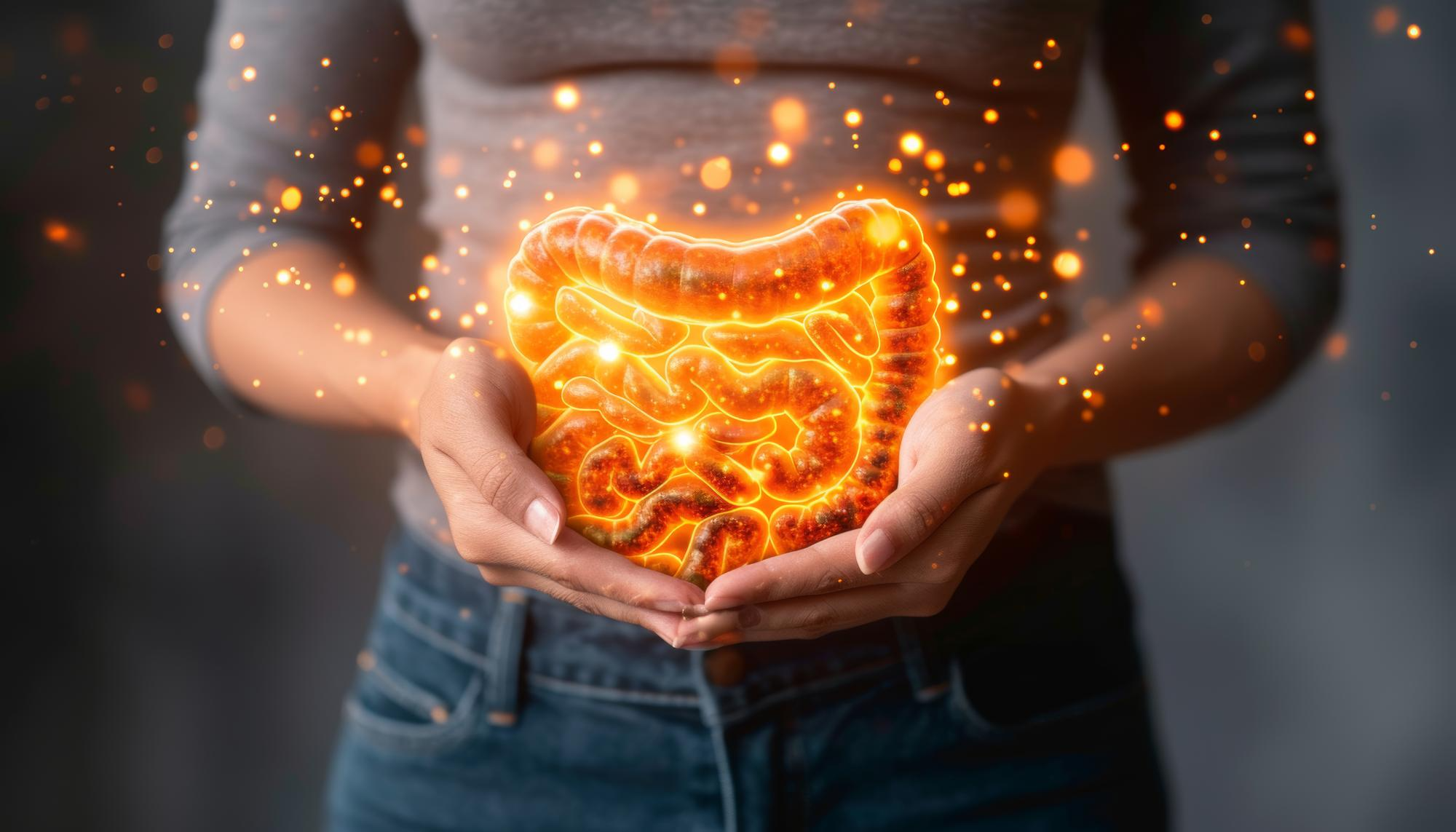
How to improve gut health naturally with Indian diet, probiotics, fibre, and lifestyle changes. Practical guide from Prakash Hospital Noida.
18 Aug 2026
by Prakash Hospital

Learn about bone fractures in adults including types of fractures, causes, symptoms, diagnosis, treatment options at Prakash Hospital.
23 Feb 2026
by Prakash Hospital

Omega-3 fatty acid benefits for heart, brain, joints and skin, plus the best Indian sources: hilsa, sardines, flaxseed and walnuts. Prakash Hospital Noida.
2 Oct 2026
by Prakash Hospital


Book a consultation with Prakash Hospital's specialists — 24/7 emergency care, 100+ doctors, NABH accredited.
View All Departments