



Nutrition During Pregnancy: Best Foods to Eat & Avoid for a Healthy Baby
Learn what to eat and avoid during pregnancy with expert-approved nutrition tips for a healthy mother and baby.
25 Nov 2025
by Prakash Hospital
by By Prakash Hospital

A plateau means no meaningful change for three to four weeks or more, not the normal day-to-day swings of one to two kilograms.
You started well. The first few weeks, the weight dropped steadily. Clothes felt looser, people noticed, and motivation was high. Then, one week, the scale stopped. Two weeks passed. A month. You are eating the same way and exercising the same way, and nothing is changing.
This is a weight loss plateau, and it happens to almost everyone who loses weight. It is frustrating, but it is not a sign of failure. It is a predictable biological response, and in most cases it can be overcome with a few thoughtful adjustments.
A plateau is usually defined as no meaningful weight change for three to four weeks or more, despite continuing your diet and exercise routine. Day-to-day and week-to-week fluctuations of one to two kilograms from water, salt, and digestion are normal and don't count.
A smaller body burns fewer calories. As you lose weight, your resting metabolic rate falls, simply because there is less of you to maintain. The same diet that created a deficit at 85 kg may only maintain weight at 75 kg.
During sustained calorie restriction, the body becomes more efficient. Hormones such as leptin (which signals fullness) fall and ghrelin (which signals hunger) rise. Thyroid hormone activity may dip and you tend to move less without realising. This is an evolutionary survival response.
Aggressive dieting without enough protein or strength training causes muscle loss, which lowers your calorie burn further.
Over time, portions grow, small bites and tastes add up, and weekend indulgences increase. Many people underestimate their intake by 20 to 40 percent.
When dieting, people fidget less, take fewer steps, and feel more tired, which reduces daily calorie burn without a conscious decision.
Stress, high salt intake, hormonal shifts (menstrual cycle), new exercise routines, and lack of sleep cause the body to hold water, masking fat loss. You may be losing fat and holding water at the same time.
Especially when starting strength training, the scale may stay steady while body fat falls and muscle rises. Your waistline and clothes may change even if the number does not.
Short sleep and chronic stress raise cortisol and appetite hormones, increase cravings, and make fat loss harder.
If you have followed a sensible plan for months without results, a medical check is worthwhile.
At a certain body weight, further loss naturally slows. Expecting to lose 1 kg a week forever is not realistic.
Before changing anything:
If you have lost 5 kg or more, your calorie requirement has changed. A modest reduction of 100 to 200 calories, or more movement, may restart progress. Avoid cutting too low; extreme restriction backfires.
Aim for protein at every meal, around 1.0 to 1.6 g per kg of body weight daily, unless kidney disease or other conditions limit it. Good Indian sources: dal, sprouts, chana, curd, paneer, eggs, fish, chicken, tofu, soya.
Muscle keeps your metabolism up. Do resistance training two to four times a week: squats, lunges, push-ups, rows, resistance bands, or weights. Increase difficulty gradually.
The body adapts to the same workout. Vary intensity and type: add intervals, hill walking, cycling, swimming, or a new class. But more exercise is not always better; overtraining raises stress hormones and appetite.
Aim for 7,000 to 10,000 steps a day. Take the stairs, walk during phone calls, do a short walk after every meal, and break up long sitting.
Small, consistent cuts add up.
Vegetables, dal, whole grains, fruit, and millets keep you full on fewer calories.
Some people benefit from one to two weeks of eating at maintenance calories, which can improve adherence and hormone balance before resuming the deficit. Discuss this with a professional if you have health conditions.
Seven to eight hours a night. Poor sleep is one of the most underrated barriers to weight loss.
Walks, yoga, breathing exercises, hobbies, social time, and boundaries around work help lower cortisol and emotional eating.
Thirst can be mistaken for hunger, and water supports metabolism and fullness.
If measurements and clothes are changing, trust the process. The scale often "whooshes" down after a plateau as water releases.
Check with your doctor if you take medicines that promote weight gain, or if you have fatigue, cold intolerance, hair fall, irregular periods, or other symptoms suggesting thyroid or hormonal issues.
Consult a doctor if:
A doctor can check thyroid function, blood sugar, hormones, and other factors and discuss structured medical treatment where appropriate.
At Prakash Hospital Noida, our physicians and dietitians assess why weight loss has stalled, evaluate hormonal and metabolic causes, and design a realistic, personalised plan with regular follow-up.
Whether you live in Sector 18, Sector 62, Greater Noida West, or anywhere nearby, Prakash Hospital Noida is a trusted name for weight management and metabolic health in Noida.
To book a consultation, call the number.
Tags: #WeightLossPlateau #WeightNotReducing #PrakashHospitalNoida

Nerve and muscle tests that find the cause of numbness and weakness, such as neuropathy or carpal tunnel.
An ECG recorded while you walk on a treadmill, to check for reduced blood flow to the heart during exercise.
A camera test of the large bowel that investigates bleeding or bowel changes and removes polyps early.
Free tools to check your weight, plan a pregnancy, track calories and more.
We offer expert care across key specialties, including Medicine, Cardiology, Orthopaedics, ENT, Gynaecology, and more—delivering trusted treatment under one roof.
Learn what to eat and avoid during pregnancy with expert-approved nutrition tips for a healthy mother and baby.
25 Nov 2025
by Prakash Hospital
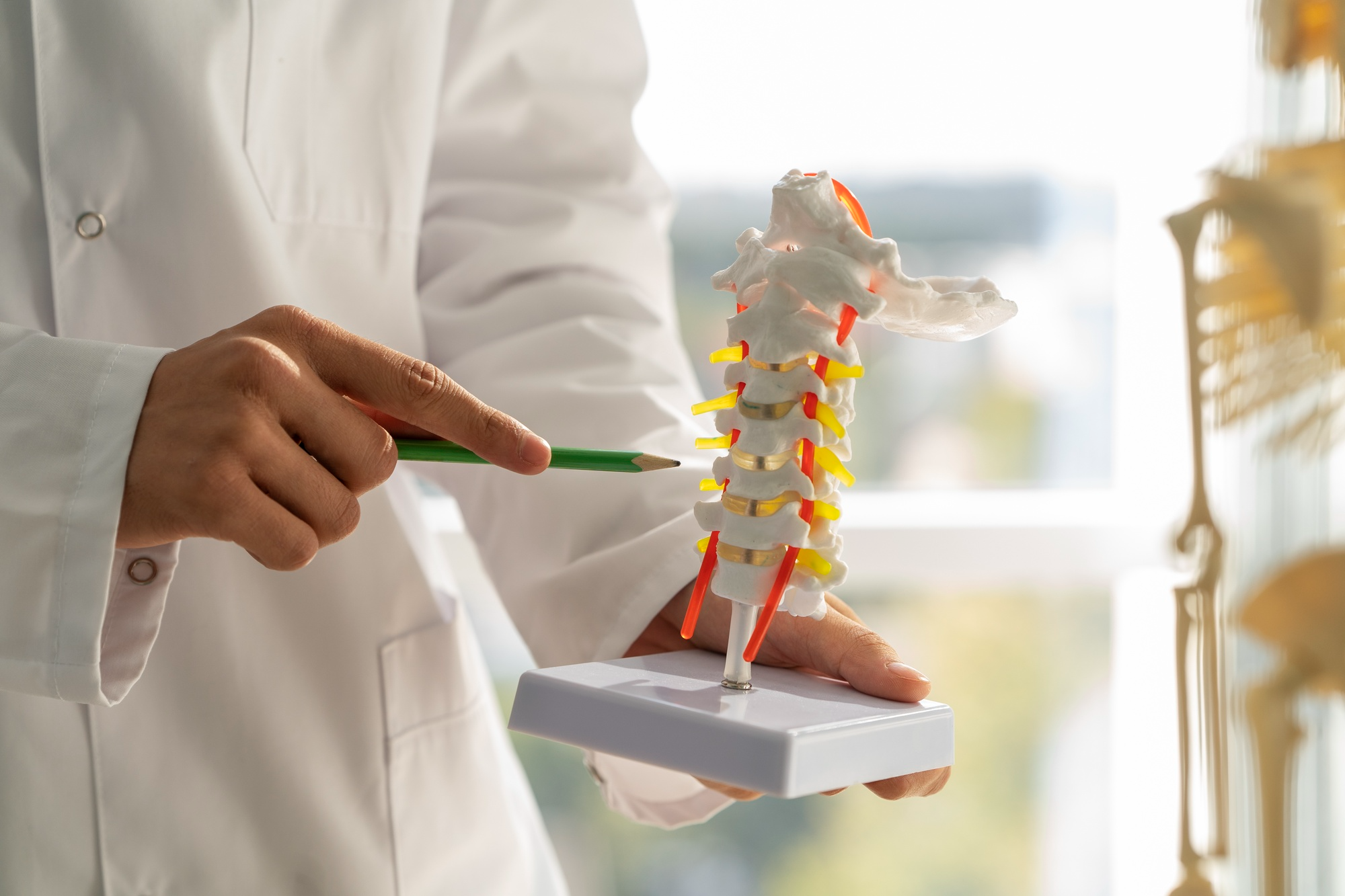
Support fracture recovery with essential nutrients like calcium, vitamin D, and protein for faster bone healing.
19 Nov 2025
by Prakash Hospital

Discover expert-backed nutrition tips for cancer patients. Learn how to manage treatment side effects, stay hydrated, and eat for strength and recovery.
27 May 2025
by Prakash Hospital
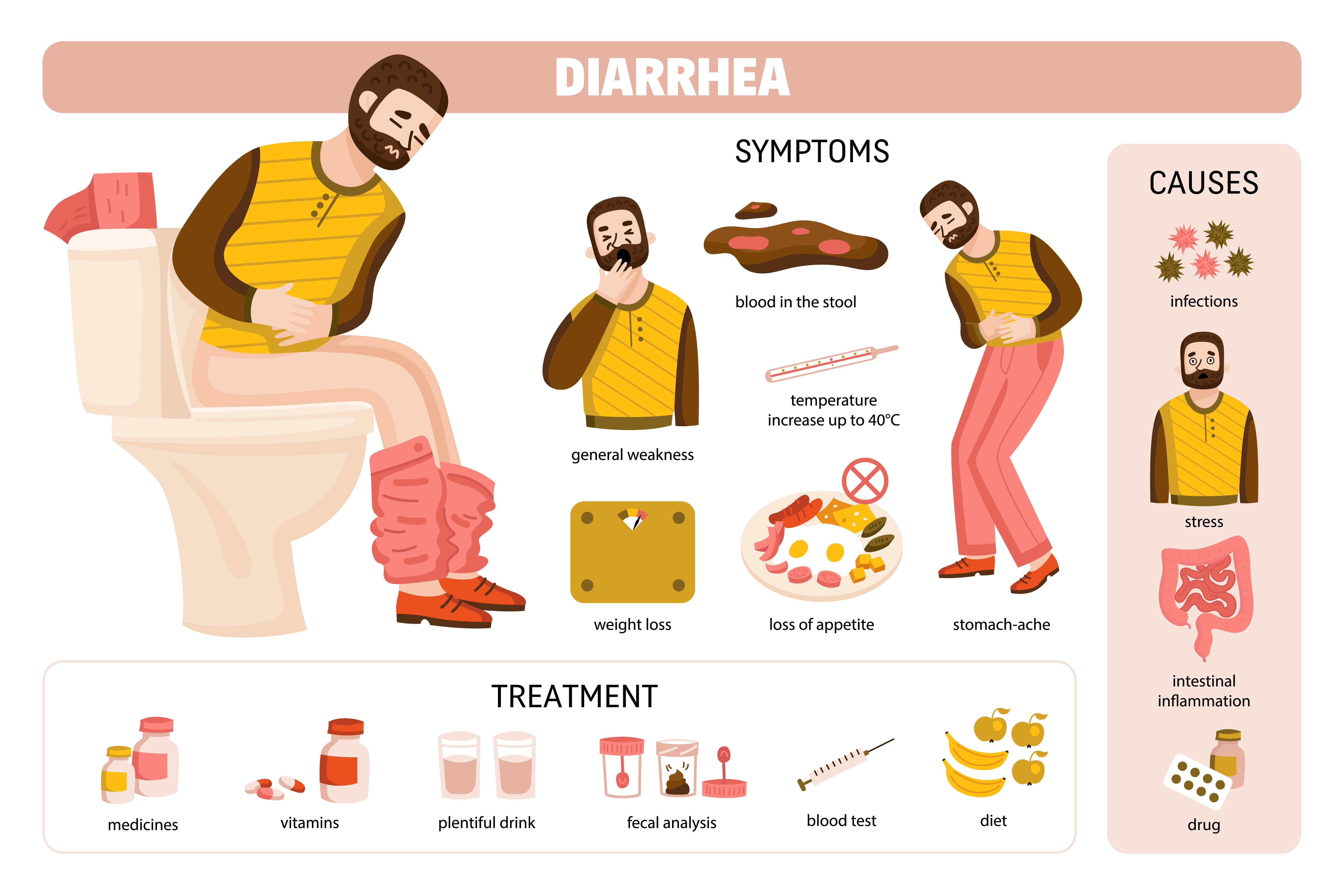
How to relieve constipation with Indian diet, home remedies, and when to see a doctor. Practical guide from Prakash Hospital Noida.
15 Sept 2026
by Prakash Hospital

Detailed guide on gut health, gut microbiome imbalance, symptoms of poor gut health and scientifically proven ways to improve digestive health.
19 Feb 2026
by Prakash Hospital

Why you feel bloated after eating — common Indian food triggers, medical causes, and what helps. Prakash Hospital Noida.
16 Sept 2026
by Prakash Hospital

Omega-3 fatty acid benefits for heart, brain, joints and skin, plus the best Indian sources: hilsa, sardines, flaxseed and walnuts. Prakash Hospital Noida.
2 Oct 2026
by Prakash Hospital
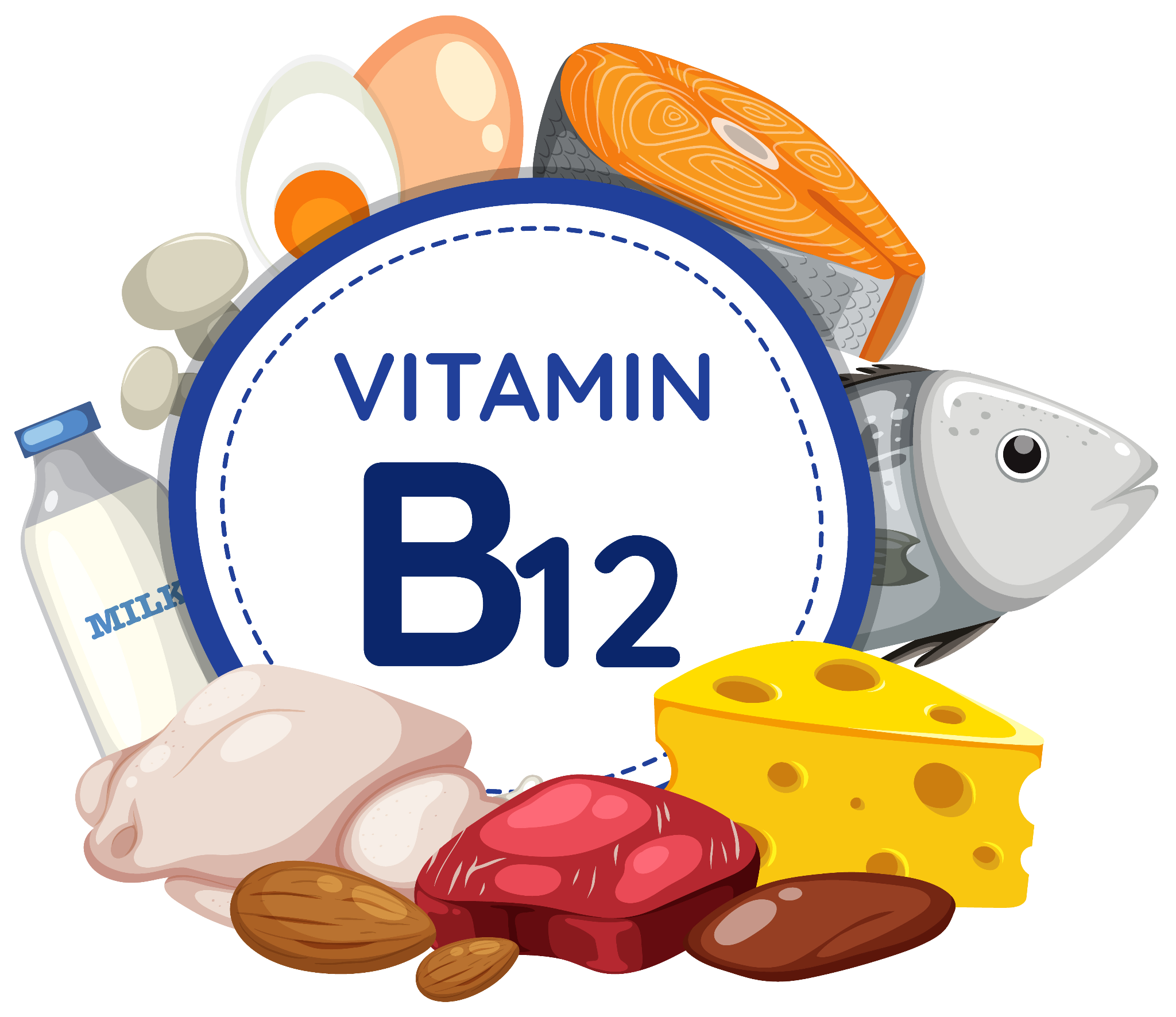
Vitamin B12 deficiency symptoms — tingling, fatigue, memory issues and more. Who's at risk in India and how to fix it. Prakash Hospital Noida.
30 Sept 2026
by Prakash Hospital
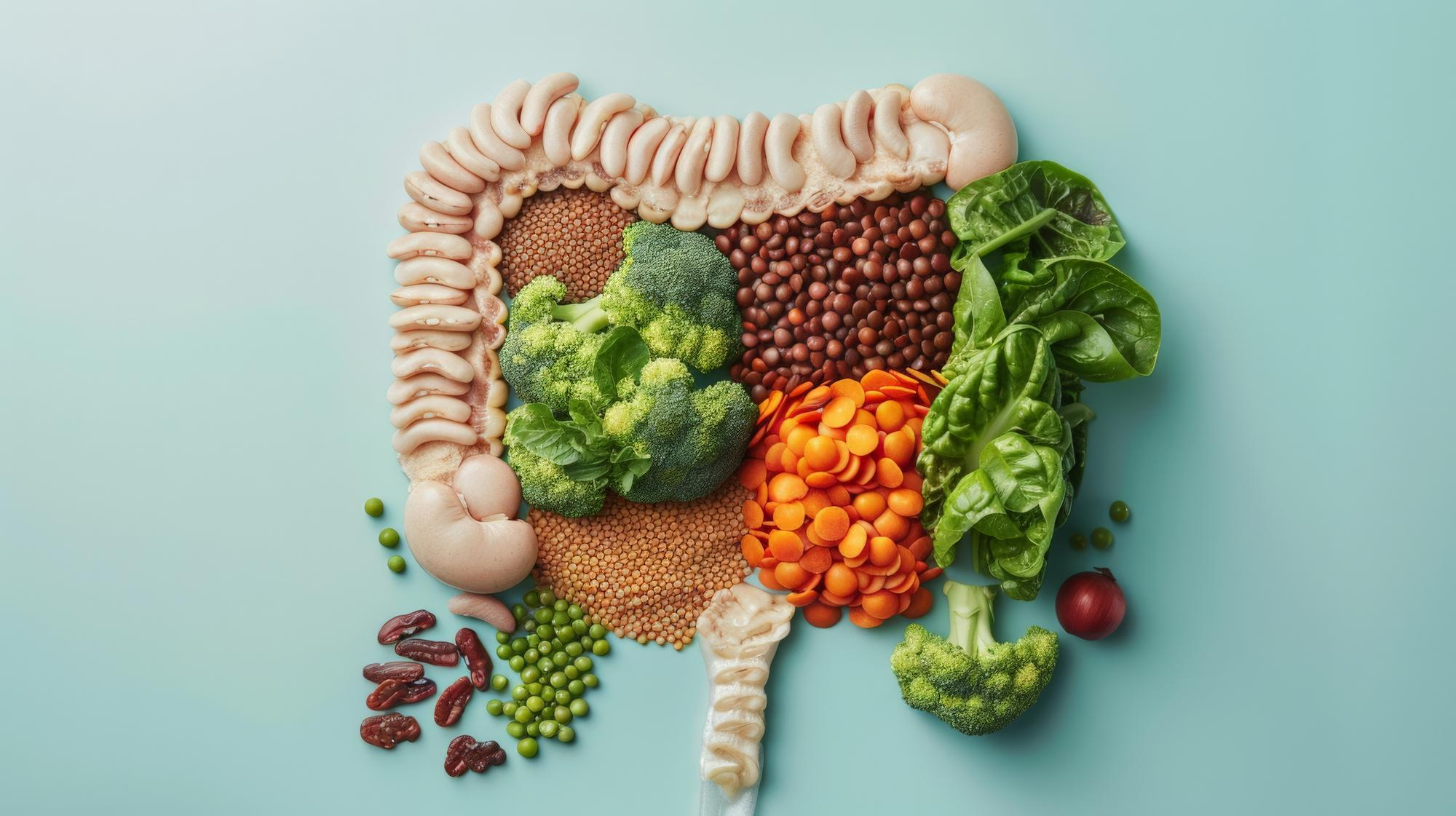
How to improve digestion naturally with Indian diet, lifestyle changes, and traditional remedies. Guide from Prakash Hospital Noida.
18 Aug 2026
by Prakash Hospital


Book a consultation with Prakash Hospital's specialists — 24/7 emergency care, 100+ doctors, NABH accredited.
View All Departments