Assortment of vegetarian protein rich foods such as , chickpeas and nuts arranged together to support a high protein vegetarian diet.
Muscle growth, tissue repair, hormone production, immune system function and general health all depend on protein. A well-planned vegetarian diet can supply sufficient and high-quality protein despite the fact that many people primarily associate protein with meat and eggs.
The body is guaranteed to receive all of the essential amino acids when a range of plant-based and dairy-based protein sources are consumed. Comprehending vegetarian high-protein foods aids in creating a balanced diet that promotes long-term health strength and vitality.
The maintenance of bodily structure and function depends heavily on protein. It helps create hormones and enzymes, boosts immunity, repairs damaged tissues and promotes muscle growth. By encouraging satiety and decreasing needless snacking, a sufficient protein intake also aids in weight management.
Growing children, physically active people, pregnant women, the elderly and people recuperating from illness, all need protein.
Age, body, weight, degree of activity and health status, all affect how much protein is needed. Adults typically need to consume a moderate amount of protein each day but those with certain medical conditions, athletes and pregnant women may need more. It is better to meet daily protein needs through natural food sources rather than depending only on supplements.
When properly planned vegetarian diets provide a variety of great sources of protein.
Protein and fiber are abundant in lentils, chickpeas, kidney beans, black beans and green grams. They aid in blood sugar regulation, aid in digestion and offer long-lasting energy.
One of the best sources of plant-based protein is soybeans. Vegetarians can consume complete protein from tempeh, edamame, tofu, and soy milk.
A well-liked vegetarian protein source that is high in protein and calcium is paneer. It promotes bone health and muscle strength.
High-quality protein, calcium and vitamin B12 are found in milk, curd, yogurt and cheese. Regular consumption of dairy aids in meeting protein needs.
Protein-rich foods that offer healthy fats include almonds, peanuts, walnuts, pumpkin seeds, sunflower seeds, chia seeds and flaxseeds. Additionally they promote brain and heart health.
In addition to complex carbs and fiber, quinoa, oats, brown rice, barley and whole wheat, all have moderate levels of protein.
Legumes that have sprouted offer better absorption of protein and nutrients and are easier to digest. Small but significant amounts of protein are provided by vegetables like sweet corn, broccoli, spinach and peas.
The majority of proteins derived from plants lack one or more essential amino acids. The formation of complete protein is aided by combining various foods. Some examples are as follows.
These mixes guarantee a balanced consumption of amino acids
High-protein vegetarian diets have advantages.
Lack of protein could result in:
A dietary assessment is required if such symptoms continue.
If you have symptoms of a protein deficiency, unexplained weight loss, muscle weakness or dietary restrictions see a doctor. Adequate nutrition is ensured by tailored advice.
To promote healthy vegetarian diets, Prakash Hospital provides professional nutritional counseling and preventive medical services. Through individualized dietary guidance, Prakash Hospitals skilled dieticians and thorough health assessments help people meet their protein needs and maintain optimal health.
 Copy
CopyWe offer expert care across key specialties, including Medicine, Cardiology, Orthopaedics, ENT, Gynaecology, and more—delivering trusted treatment under one roof.
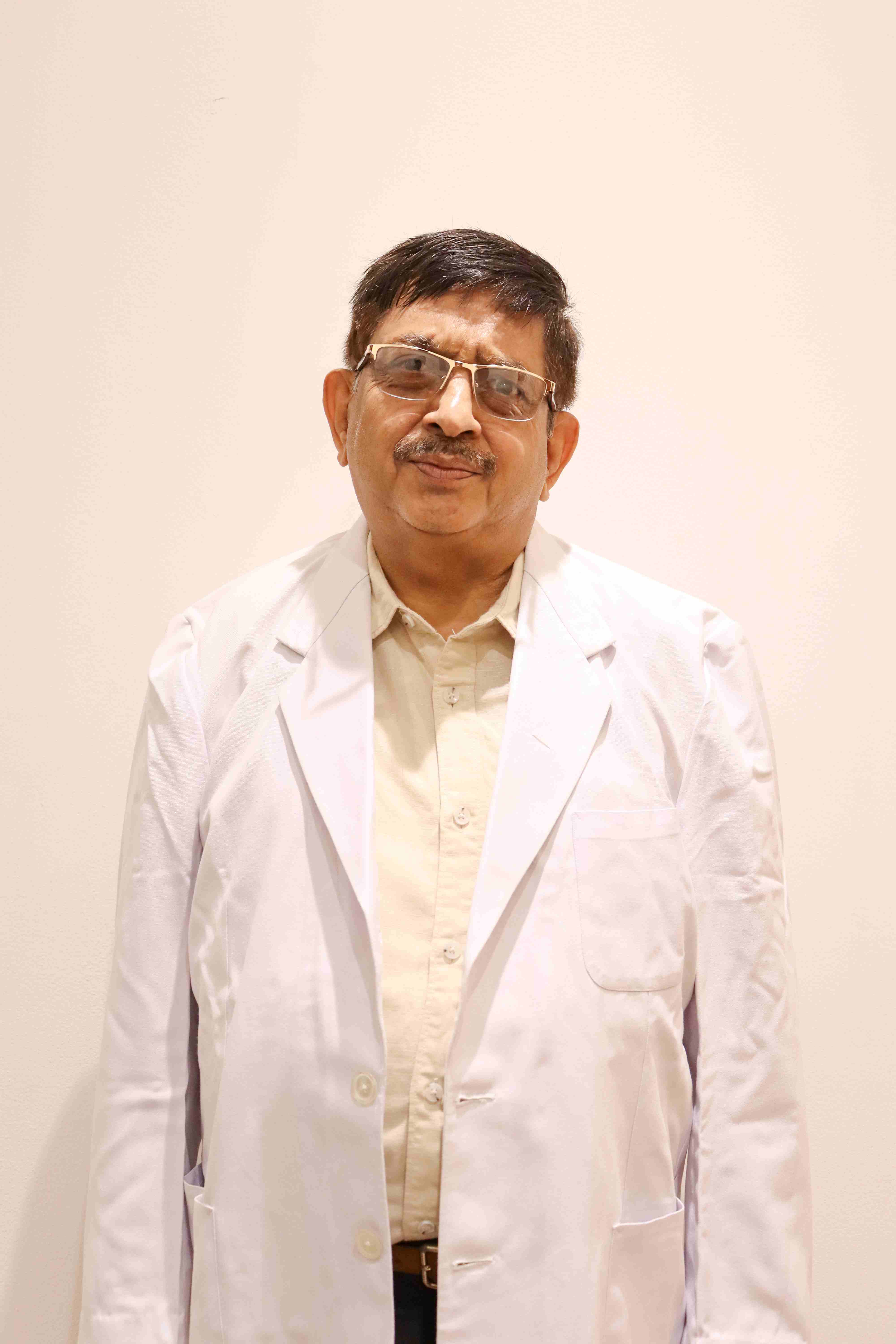
Dr. R.C. Sharma
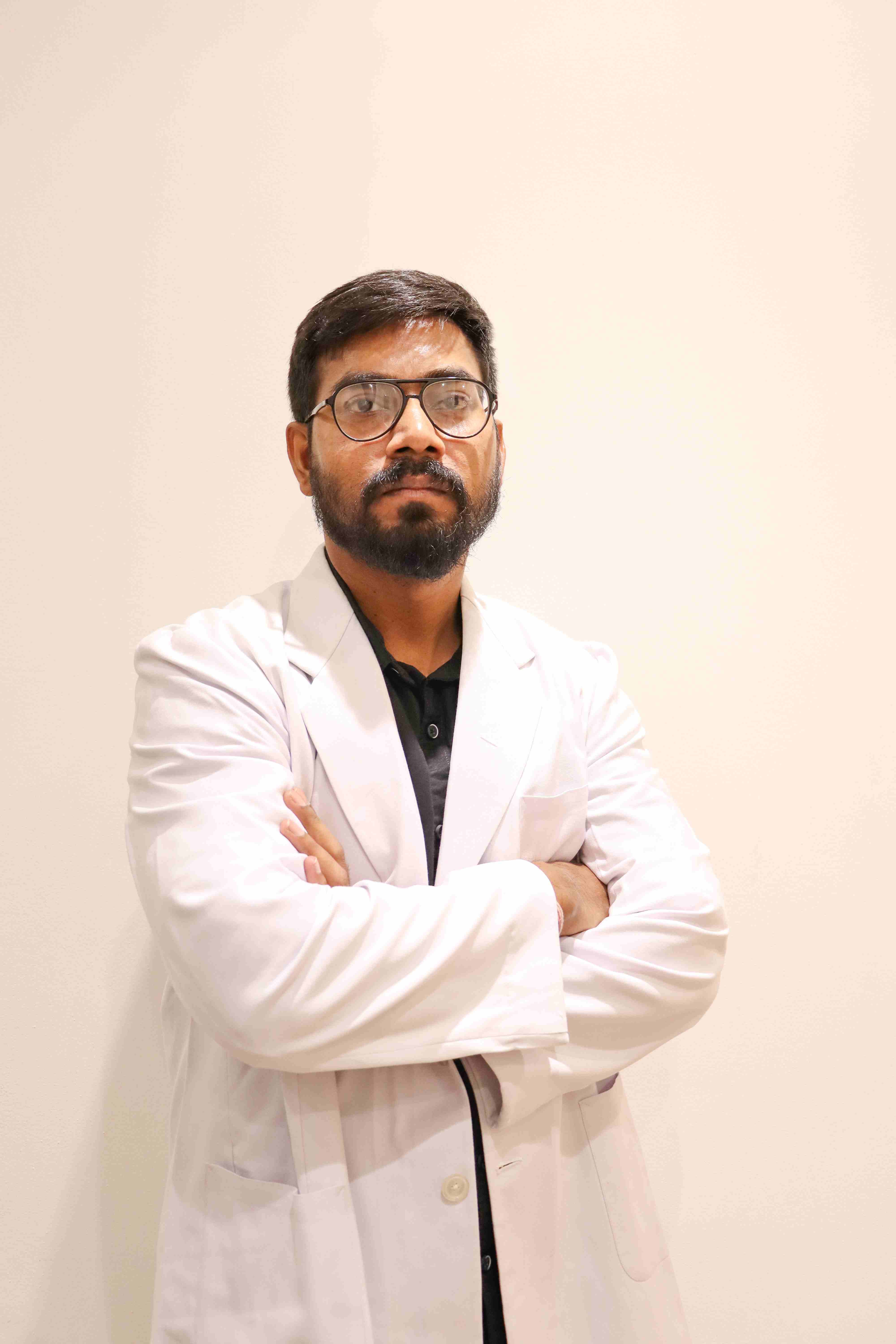
Dr. Abhishek
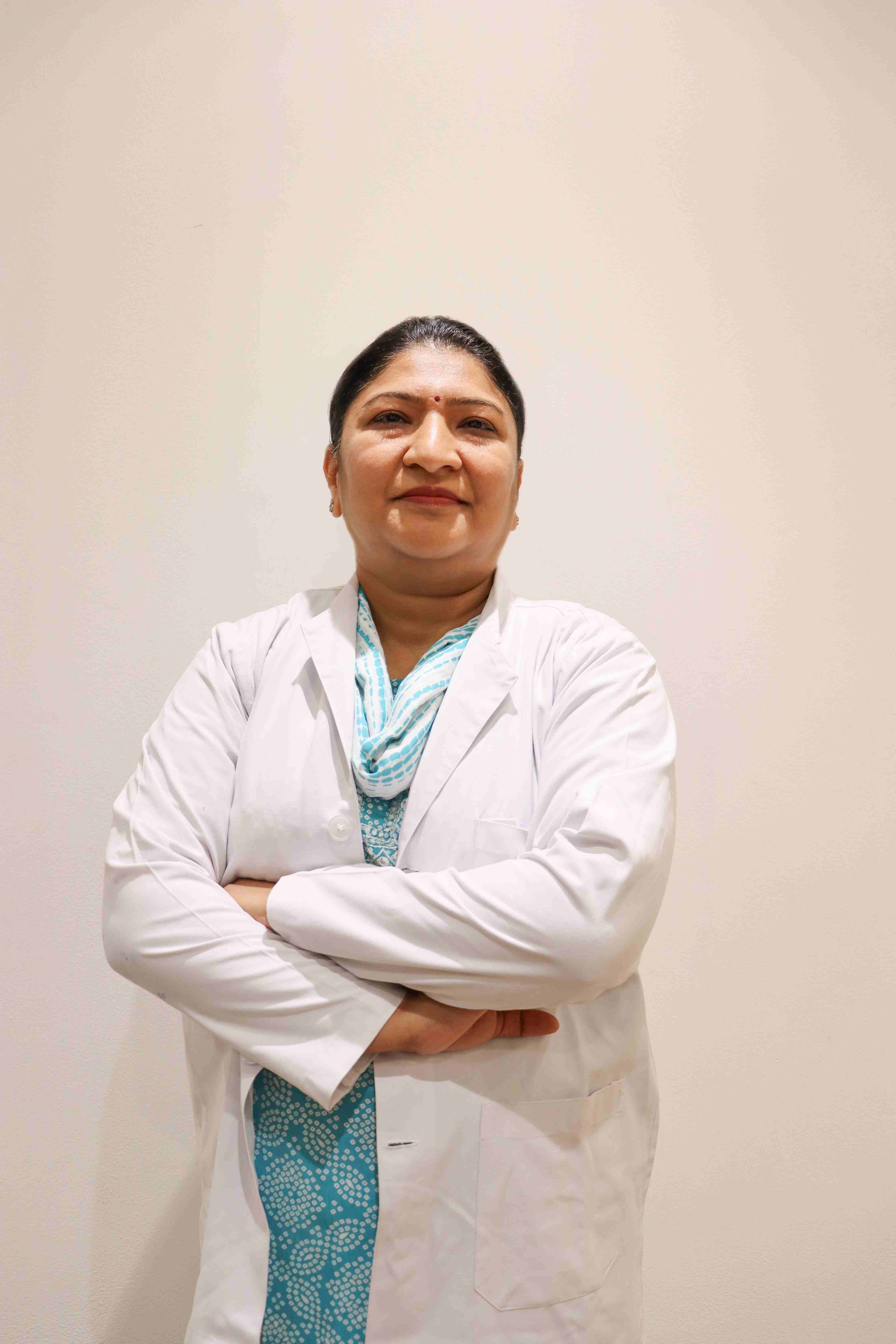
Dr. Meenakshi Nashi


Book a consultation with Prakash Hospital's specialists — 24/7 emergency care, 100+ doctors, NABH accredited.

Prakash Hospital Pvt. Ltd. is a 100 bedded NABH NABL accredited multispecialty hospital along with a center of trauma and orthopedics. We are in the service of society since 2001.
OUR SPECIALITIES
Patient Services
PROCEDURES
Contact Us
D – 12A, 12B, Sector-33, G. B. Nagar, Noida, Uttar Pradesh 201301
+91-8826000033


© 2026 All rights reserved.
Designed and Developed by Zarle Infotech