



Nutrition During Pregnancy: Best Foods to Eat & Avoid for a Healthy Baby
Learn what to eat and avoid during pregnancy with expert-approved nutrition tips for a healthy mother and baby.
25 Nov 2025
by Prakash Hospital
by Prakash Hospital
by Prakash Hospital
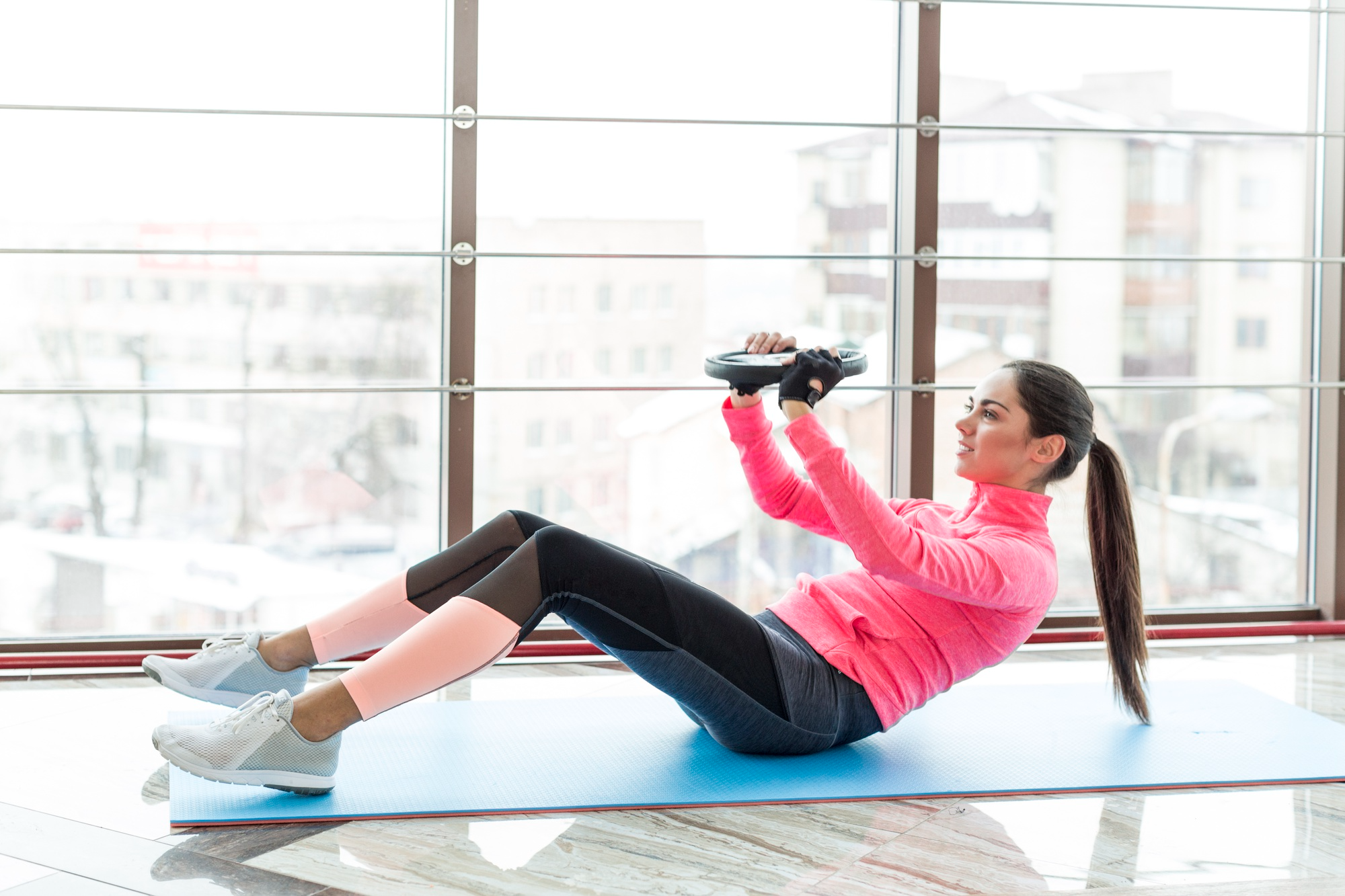
A woman lifting weights during a strength training workout.
Exercising regularly is one of the best investments you can make for your health. It keeps your heart strong, builds muscle, supports mental wellbeing and helps maintain a healthy weight. But to get the most out of your workouts and avoid injuries, it’s important to follow certain guidelines before and after you exercise. Many people jump into a workout without proper preparation and end up feeling dizzy, sore or injured. Others finish a workout and immediately sit down, not realising how essential cooldowns and recovery habits are.
In this blog, we break down the most important do’s and don’ts before and after exercise, helping you stay safe and strong.
Before we get into the checklist, let's understand why these habits are so crucial.
Most exercise injuries like sprains, muscle pulls or joint pain happen due to poor preparation or not cooling down.
Proper warm-ups, nutrition and hydration help you lift better, run faster and train smarter.
Stretching, cooling down and post-workout meals help muscles repair and grow stronger.
Good habits help reduce fatigue and burnout, keeping you consistent in the long run.
A warm-up increases blood flow, loosens your joints and prepares your muscles for movement.
Try:
Warming up reduces the risk of injury greatly.
Drink a glass of water 20-30 minutes before your workout.
Proper hydration:
Do not drink huge amounts just before starting. You wish to be hydrated, not bloated.
If it has been several hours since your last meal, a small pre-workout snack helps maintain energy.
Good options include:
Avoid heavy, oily or spicy meals that may cause nausea.
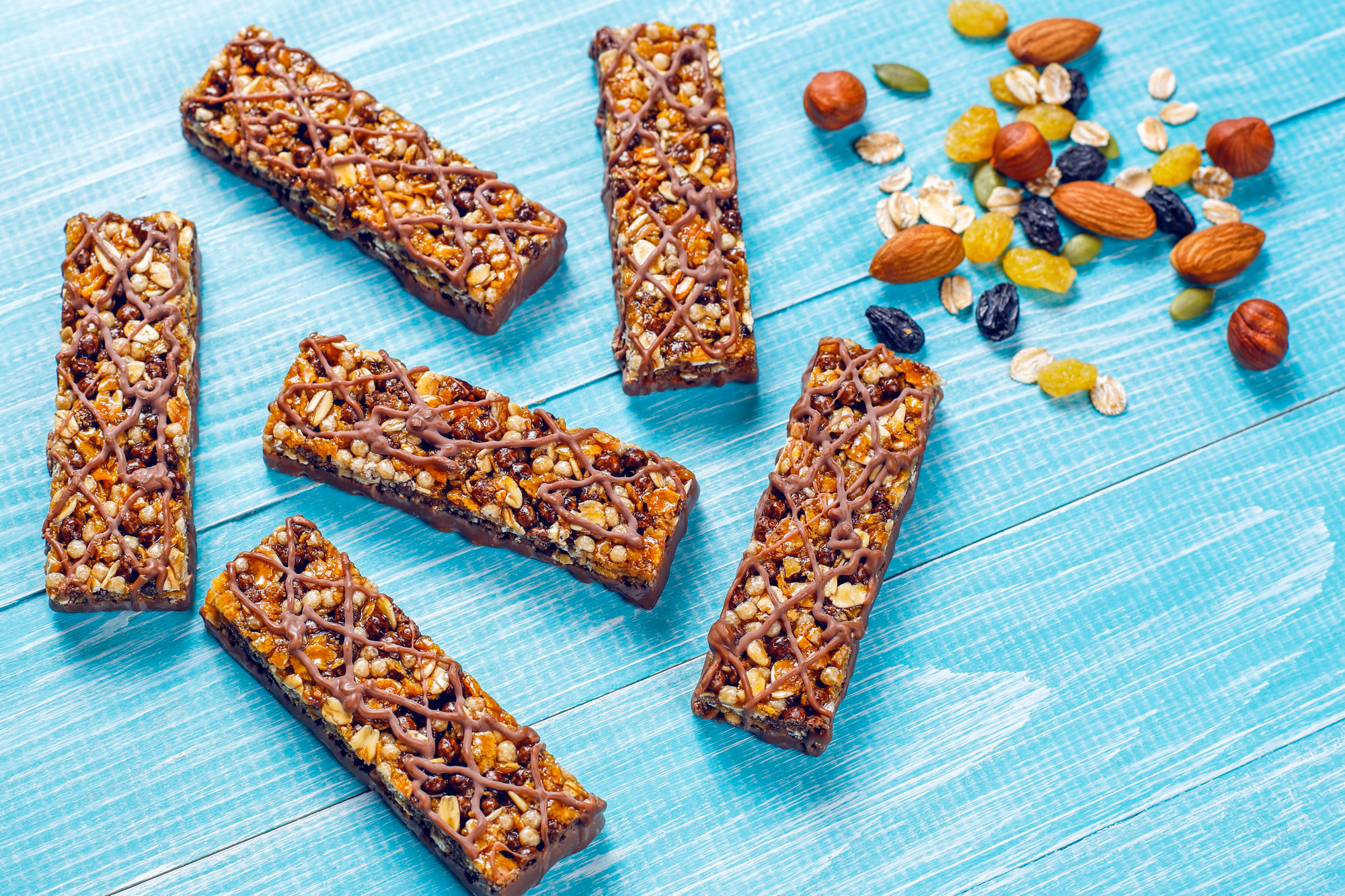
Protein bars as a healthy pre-workout snack.
The right shoes protect your knees, ankles and back by supporting your gait. Choose clothing that allows movement and absorbs sweat.
Whether it’s weight training or cardio, start with slow and controlled movements. Correct form prevents muscle strains and improves effectiveness.
Knowing whether you're focusing on strength, stamina, mobility or fat loss helps structure your workout better.
If you feel unwell, dizzy, excessively tired or in pain, adjust or postpone your workout. Pushing through warning signs can lead to serious injuries.
Cold muscles are stiff and prone to tears. Avoid jumping straight into intense exercises.
Heavier meals can slow digestion and cause cramps, nausea or acidity.
Gulping too much water can cause discomfort and bloating. Sip small amounts instead.
Old shoes have no cushioning and aggravate the knees, hips and back.
Lifting too much too soon is a common cause of shoulder and back injuries. Gradually increase the load as your body warms up.
Resting for a day or two helps your body recover faster. Exercising through illness can prolong your recovery.
A cool-down helps your heart rate and breathing return to normal.
Try:
Skipping cooldowns can cause dizziness or muscle tightness.
Post-workout stretching reduces stiffness and improves flexibility. Focus on major muscle groups:
Hold each stretch for 15-30 seconds.
Drink some water following your exercise. If you had a high-intensity or long-duration session, an electrolyte drink helps replace minerals lost through sweat.
Your muscles need protein to repair and carbs for energy replacement.
Ideal choices:
Eating within 30-60 minutes maximises recovery.
A shower cleans sweat, prevents rashes and helps your muscles relax.
Your muscles grow and repair after the workout, not during it. Rest days help prevent burnout and overtraining.
Record sets, reps, distance, weights or time. Monitoring progress keeps you motivated and consistent.
Stopping abruptly after intense exercise can lead to blood pooling, dizziness or increased muscle soreness.

A woman stretching after a workout for muscle recovery.
Keep moving lightly for a few minutes so your body transitions smoothly.
Avoid fried foods, sugary snacks, and soft drinks. They slow recovery and undo your workout benefits.
Mild soreness is normal but sharp or persistent pain may indicate injury. Address the issue early to prevent long-term damage.
Working out too much without rest increases injury risk and reduces performance. Your body needs recovery time.
Fitness is personal. Focus on your progress, not someone else’s pace, weight or endurance.
Exercise is one of the most effective ways to improve your physical and mental health but how you prepare before a workout and how you recover afterward matters just as much as the workout itself.
Following these simple do’s and don’ts ensures you stay injury-free, energised and consistent in your fitness journey. Whether you’re a beginner or an experienced athlete, these habits help you train smarter, recover better and enjoy long-term results.

Replaces a worn or collapsed hip ball and socket with an artificial joint to end groin pain and restore walking.
Permanent male contraception: the sperm tubes are cut and sealed under local anaesthetic in about 30 minutes.
Medicines, shock waves, laser ureteroscopy or PCNL, chosen by the size and position of your stone.
Free tools to check your weight, plan a pregnancy, track calories and more.
We offer expert care across key specialties, including Medicine, Cardiology, Orthopaedics, ENT, Gynaecology, and more—delivering trusted treatment under one roof.
Learn what to eat and avoid during pregnancy with expert-approved nutrition tips for a healthy mother and baby.
25 Nov 2025
by Prakash Hospital

Anxiety (चिंता) क्या है, इसके लक्षण, कारण और इलाज की पूरी जानकारी। नोएडा में मानसिक स्वास्थ्य के लिए Prakash Hospital
15 May 2026
by Prakash Hospital
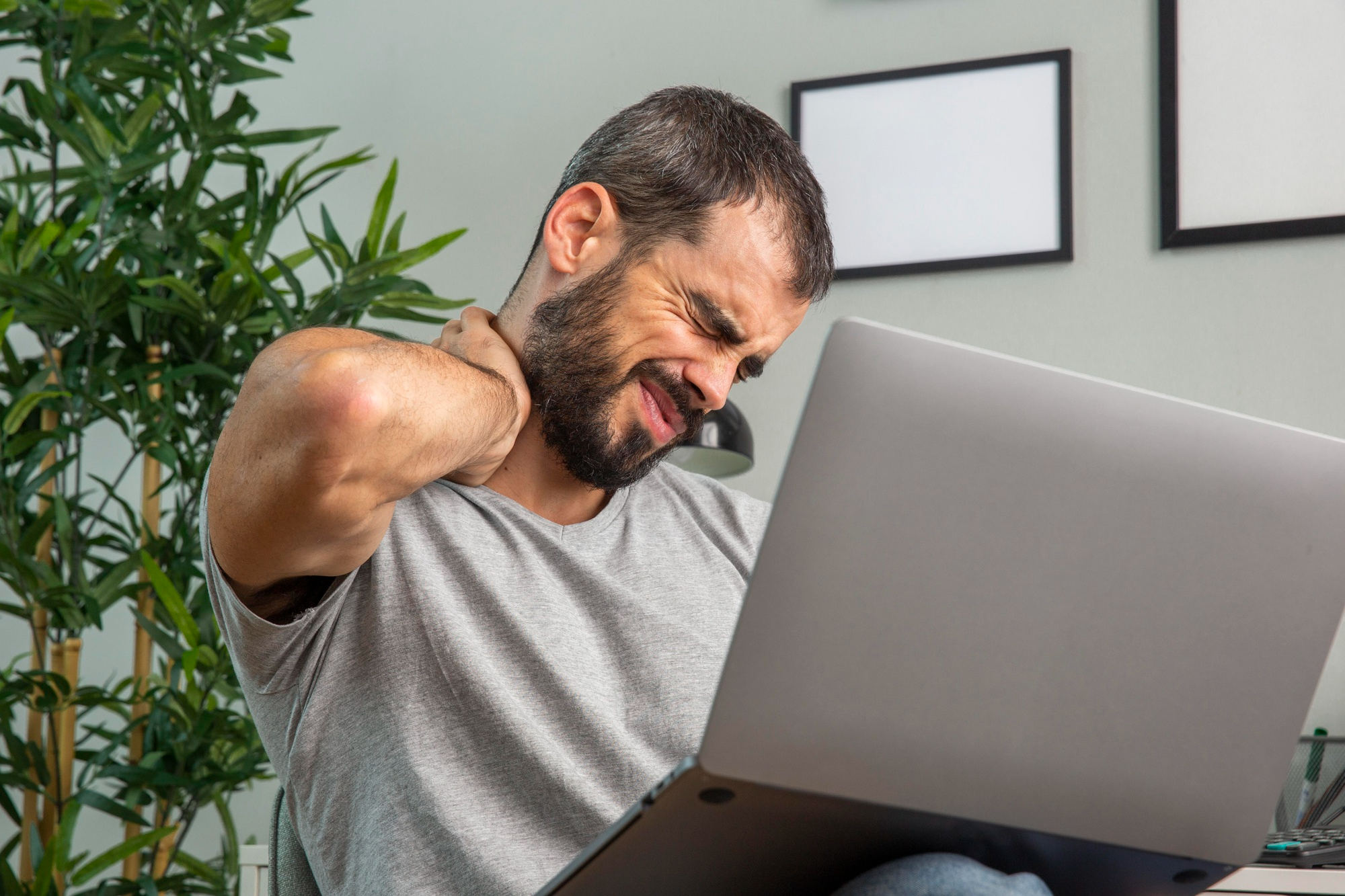
Neck pain and cervical spondylosis — causes, symptoms, exercises and what helps. Guide from Prakash Hospital Noida, Noida.
26 Aug 2026
by Prakash Hospital
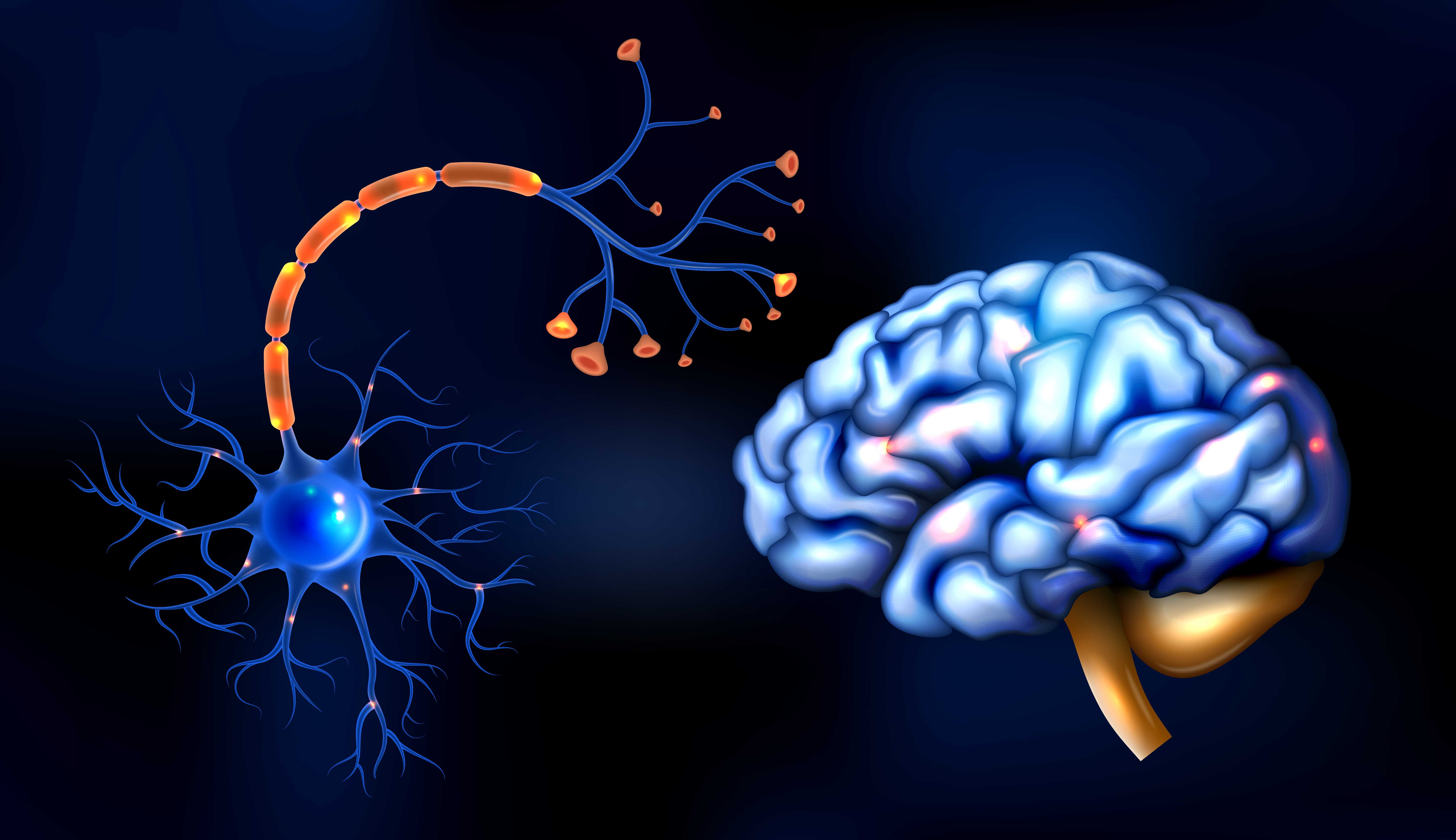
Learn the warning signs of brain hemorrhage, possible causes, emergency treatment options, and why immediate medical attention is critical.
19 May 2026
by Prakash Hospital

बार-बार भूलना कब सामान्य है और कब यह गंभीर बीमारी का संकेत हो सकता है? मेमोरी लॉस के कारण, चेतावनी संकेत, जांच और इलाज के बारे में विस्तार से जानें।
25 Feb 2026
by Prakash Hospital

Learn about different types of headaches, their causes, warning signs, diagnosis, and treatment options.
26 Feb 2026
by Prakash Hospital


Book a consultation with Prakash Hospital's specialists — 24/7 emergency care, 100+ doctors, NABH accredited.
View All Departments