


Home Remedies to Strengthen the Liver Naturally
Home remedies to strengthen the liver — foods, lifestyle changes, and natural approaches that support liver health. Visit Prakash Hospital Noida for liver care.
11 Jun 2026
by Prakash Hospital
by Prakash Hospital
by Prakash Hospital
Vitamin capsule with the other half filled with healthy fruits.
Walk into any pharmacy or supermarket, and you'll find shelves of multivitamins claiming that a daily dose will jumpstart your energy, supercharge your immunity and guarantee good health. With the array of brands and concoctions, one would easily assume that the basis of good health involves taking a daily multivitamin.
But is that actually true? Do multivitamins really make a difference or are they just an expensive habit? Let's break down what science says, who might benefit from them and when you can get all you need from food alone.
Multivitamins are dietary supplements containing a combination of essential vitamins and minerals, usually in variable dosages. Common vitamins include vitamin A, C, D, E and K and common minerals include calcium, magnesium, zinc and iron. Other formulations may incorporate omega-3s, herbal extracts and antioxidants.
They are designed to "fill the gaps" in your diet, especially for people who might not get adequate nutrients from food. But the question is not just what they contain but whether you really need them.
For most adults who consume a healthy balanced diet rich in fruits, vegetables, whole grains and lean proteins, multivitamins are not necessary. Your body is naturally designed to absorb nutrients best from whole foods, not pills.
But not everyone's diet or lifestyle is perfect. Supplements can be helpful, or even necessary in some circumstances.
You May Need a Multivitamin If:
Vegans may not get enough vitamin B12, iron and calcium. People on gluten-free diets often don't get enough B vitamins.
Increased needs for several nutrients such as folate, iron and DHA, necessitate supplementation.
The body's ability to absorb nutrients such as vitamin B12 and D declines with age.
Conditions such as celiac disease, Crohn's disease or chronic gastritis impair nutrient absorption.
Long-term use of antacids, diuretics or metformin can interfere with vitamin absorption.
In such cases, a physician would recommend an individualized supplement program, rather than a general multivitamin.
Medications and multivitamin tablets.
Findings of research are conflicting. Large-scale studies show that while multivitamins can prevent deficiencies, they may not necessarily prevent chronic diseases.
In short, multivitamins are helpful in filling small nutritional gaps, not in substituting a healthy lifestyle or a balanced diet.
Taking a daily multivitamin seems easy enough, but over-consumption could pose problems, mainly the fat-soluble vitamins, such as vitamins A, D, E and K, which accumulate in the body.
Oversupplementation may cause:
Remember: when it comes to vitamins, more isn't better.
Food provides nutrients in their most natural and bioavailable form, along with fibre, antioxidants and plant compounds that pills can't replicate.
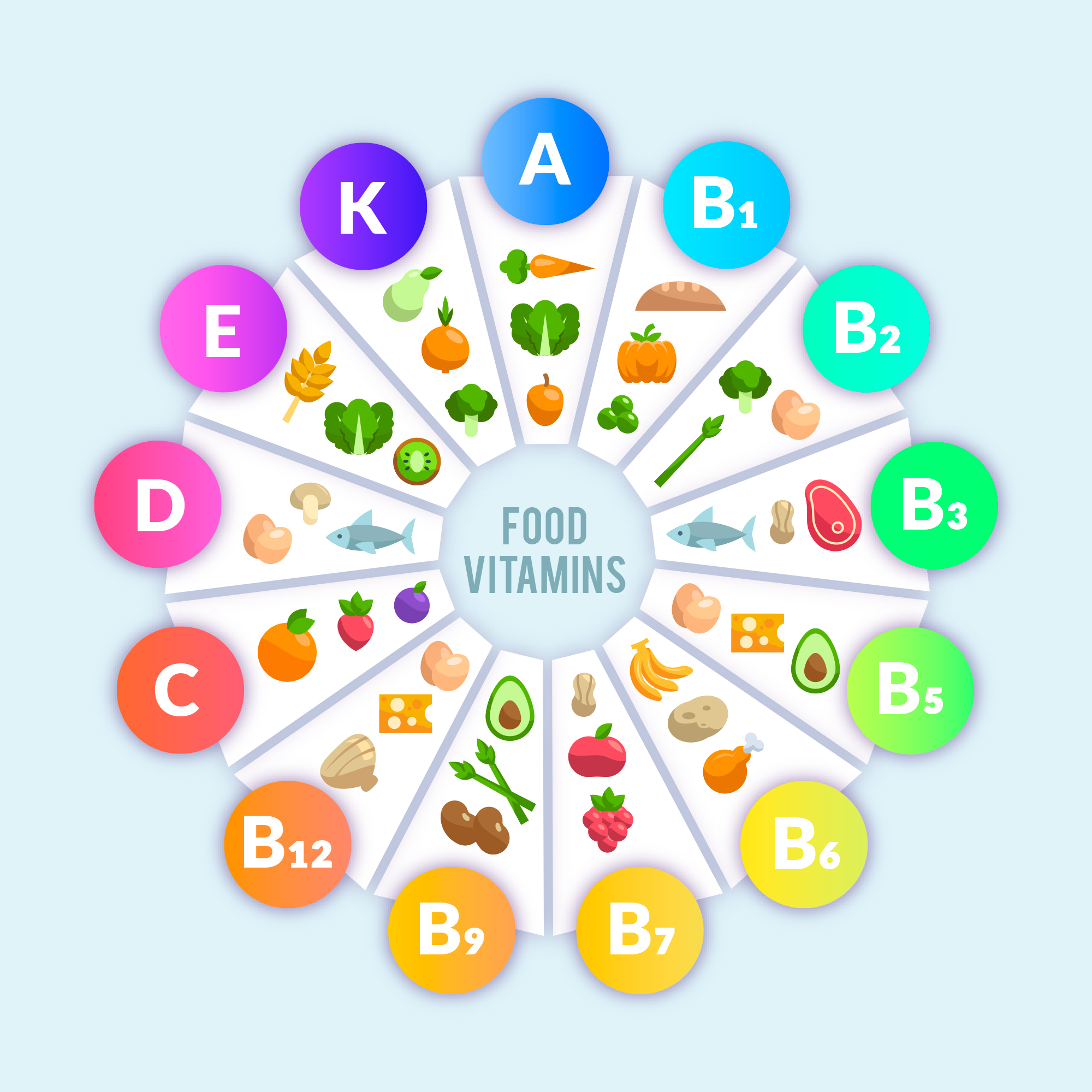
Different types of foods rich in various vitamins such as fruits, vegetables, dairy and nuts.
To get your nutrients naturally:
A diet like this will often give you everything your body needs, no pill required.
There are occasions when short courses of supplementation can be useful. These include:
In these cases, your doctor may recommend a multivitamin temporarily to support recovery or performance.
If you decide to take one, choose wisely:
Consult with your healthcare provider before starting any supplement, especially if you're pregnant, nursing or taking medications.
A team of internal medicine and nutrition specialists at Prakash Hospital help our patients understand their unique nutritional needs. Rather than generic recommendations of supplements, Prakash Hospital focuses on personalized assessments, identification of real deficiencies, guidance on safe and effective use of vitamins. Whether you're managing fatigue, recovering from illness or simply looking to optimize wellness, our experts can help you make informed, evidence-based choices about multivitamins and diet.
So, are multivitamins really necessary? Not for everyone, but can be helpful in certain cases. Think of them more as a safety net and not a substitute. If you maintain a balanced diet, your body probably gets all the nutrients it needs from food. However, supplements can enter the picture when specific health conditions, dietary restrictions or unique lifestyle factors raise complex nutrient demands.
Always talk to your doctor before starting one and remember that the best “multivitamin” is still a colorful, wholesome plate of food!

A machine filters waste and extra fluid from the blood when the kidneys fail, usually in 4-hour sessions three times a week.
Home dialysis that uses the lining of the abdomen as a filter, with fluid exchanged through a soft tube every day.
Removes uterine fibroids and repairs the womb, easing heavy bleeding and pressure while keeping pregnancy possible.
Free tools to check your weight, plan a pregnancy, track calories and more.
We offer expert care across key specialties, including Medicine, Cardiology, Orthopaedics, ENT, Gynaecology, and more—delivering trusted treatment under one roof.
Home remedies to strengthen the liver — foods, lifestyle changes, and natural approaches that support liver health. Visit Prakash Hospital Noida for liver care.
11 Jun 2026
by Prakash Hospital

Explore practical mental health tips to manage stress, reduce anxiety, and improve emotional wellbeing for a healthier and balanced life.
15 May 2026
by Prakash Hospital

जानिए स्पोर्ट्स इंजरी क्यों होती है, इससे कैसे बचा जा सकता है और चोट लगने पर क्या करना चाहिए।
6 Apr 2026
by Prakash Hospital

Hair fall in men — male pattern baldness, causes, and what treatments actually work. Guide from Prakash Hospital Noida, Noida.
7 Sept 2026
by Prakash Hospital

Hair growth tips that are evidence-backed — diet, scalp care, and treatments that genuinely promote hair growth. Prakash Hospital Noida.
3 Sept 2026
by Prakash Hospital

How to stop hair fall with diet, lifestyle changes, and proven treatments. Indian-specific guide from Prakash Hospital Noida.
1 Sept 2026
by Prakash Hospital


Book a consultation with Prakash Hospital's specialists — 24/7 emergency care, 100+ doctors, NABH accredited.
View All Departments