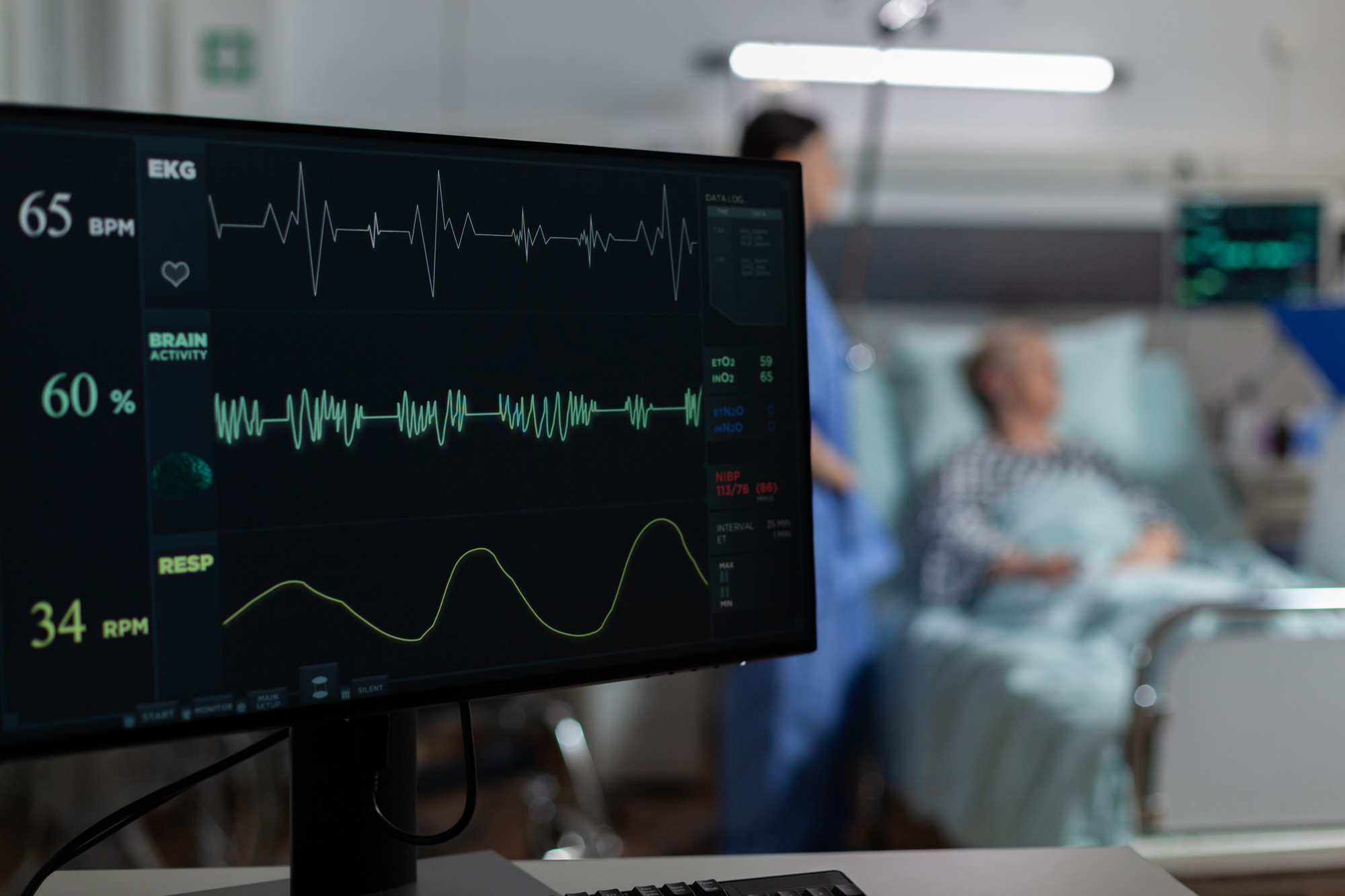
A heartbeat monitor displaying irregular rhythm in a hospital setting.
Arrhythmia is a common heart disorder where the beating of one's heart is too fast, too slow or irregular. While an occasional irregular beat isn't cause for concern, persistent arrhythmias may eventually lead to poor heart function and increase the risk for serious complications.
Knowing the symptoms it presents, its causes, risks and treatments can prompt early steps to care for one's heart. This blog explains in simple words exactly what arrhythmia is, so both patients and family members are ready to identify early warning signs and seek timely medical intervention.
What Is Arrhythmia?
An arrhythmia occurs when the electrical signals that coordinate the heartbeat do not work properly. Normally, the heart's electrical system makes sure that the chambers beat in a coordinated and rhythmic pattern. When these signals become irregular, the heart may pump less efficiently, lowering blood flow to vital organs.
Arrhythmias are broadly classified into:
Tachycardia: When the heartbeat is too fast.
Bradycardia: When the heart beats too slow
Irregular Rhythm: Such as atrial fibrillation or premature beats
While not all arrhythmias are dangerous, some do require immediate medical attention to prevent complications such as stroke and sudden cardiac arrest.
Common Types of Arrhythmias
AFib (Atrial Fibrillation)
The most common serious type of arrhythmia where the upper chambers of the heart, atria, beat irregularly. AFib increases the chance of stroke.
Atrial Flutter
Similar to AFib, but with a more organized rhythm.
Ventricular Tachycardia (VT)
A fast rhythm originating in the ventricles. If left untreated, it is life-threatening.
Ventricular Fibrillation
A medical emergency in which the ventricles quiver instead of pumping blood.
Premature Beats
Extra heartbeats that feel like skipped beats, usually harmless.
Sinus Bradycardia
Slow heartbeat, possibly causing dizziness or fatigue.
Knowing the type of arrhythmia you have will help guide the best course of treatment.
What Causes Arrhythmia?
Arrhythmias may occur for many reasons that influence the electrical system of the heart.
The common causes which include:
Coronary artery disease or blocked heart vessels
High blood pressure
Cardiomyopathy (weak heart muscles)
Electrolyte imbalances that include low potassium and magnesium
Thyroid disorders (overactive or underactive thyroid)
Excessive caffeine, alcohol or smoking
Stress and anxiety
Certain medications, including cold and allergy medicines
Previous heart attack or heart surgery
Sometimes, arrhythmias occur without any apparent cause, but early evaluation is always important.
Symptoms of Arrhythmia
Symptoms can be very different indeed. Some people do not feel anything, while for others, it can be quite uncomfortable. Among the common signs are the following:
Fluttering or “skipping beats”
Rapid heartbeat (palpitations)
Slow heartbeat
Shortness of breath
Chest pain or tightness
Dizziness or light-headedness
Feeling faint or having episodes of fainting
Fatigue or weakness
These would include sudden chest pain, difficulty breathing or collapse, which are all symptoms requiring immediate emergency care.
A man clutching his chest in pain.
Who Is at Higher Risk?
Certain factors increase one's risk for an arrhythmia:
Advanced age
Hypertension
Diabetes
Obesity
Sleep apnea
Excessive consumption of alcohol or caffeine
Family history of arrhythmia
Heart valve disease
Past heart disease or heart attack
Lifestyle, along with medical conditions, plays an important role in increasing electrical instability in the heart.
How Is Arrhythmia Diagnosed?
Physicians conduct a thorough investigation, which can include:
Electrocardiogram (ECG): Primary test to detect abnormal rhythms
Holter Monitor: 24-48 hour ECG monitoring
Event Monitor: Records rhythms during symptoms
Echocardiogram: Ultrasound to check heart structure
Stress Test: Assesses rhythm during exercise
Blood Tests: For thyroid or electrolyte abnormalities
Electrophysiology testing may be necessary to map abnormal electrical pathways in advanced cases.
Arrhythmia Treatment Options
Treatment depends on the type and severity of the arrhythmia. Some common approaches:
Medications: To regulate heart rate/rhythm or prevent blood clots
Surgery: In rare instances, surgical intervention may be necessary.
Early treatment helps to avoid complications such as stroke, heart failure or cardiac arrest.
Complications of Untreated Arrhythmia
If left untreated, arrhythmias may result in:
Stroke, particularly in atrial fibrillation
Heart failure
Blood clots
Poor circulation of blood causing damage to organs
Sudden cardiac arrest, in severe cases
The best way to avoid these outcomes is recognizing and treating arrhythmias early.
Prevention Tips for Heart Rhythm Problems
You can lower your risk by following healthy habits:
Maintain healthy blood pressure and cholesterol
Avoid smoking, limit alcohol
Decrease caffeine intake
Regular exercises
Eat a heart-friendly diet
Manage stress through yoga, meditation or deep breathing
Sleep well and treat sleep apnea
Undergo regular heart check-ups, especially in the presence of risk factors
Small lifestyle changes go a long way in maintaining a healthy heart rhythm.
Doctor performing a routine check-up with a patient.
At Prakash Hospital
Prakash Hospital offers state-of-the-art and humane cardiac care with the philosophy of early diagnosis and long-term prevention. A team of highly experienced cardiologists deploys state-of-the-art diagnostic tools to spot even slight abnormalities.
We offer personalized treatment protocols for life-threatening arrhythmias. Our goal is to ensure every patient receives world-class heart care in a supportive and patient-friendly environment.
We offer expert care across key specialties, including Medicine, Cardiology, Orthopaedics, ENT, Gynaecology, and more—delivering trusted treatment under one roof.
Understand the critical difference between a heart attack and cardiac arrest, their symptoms, causes, emergency response steps, and treatment options. Learn when to seek urgent help from expert cardiologists at Prakash Hospital.
जानिए लो हीमोग्लोबिन का दिल की सेहत पर क्या प्रभाव पड़ता है। इसके कारण, लक्षण और समय पर इलाज व सही खानपान से कैसे बचाव किया जा सकता है, सरल भाषा में समझें।
Early signs of pregnancy explained, including when to take a test and what to expect in the first weeks. Visit Prakash Hospital Noida for maternity care.