Antibiotic pills in hand emphasizing proper medication use.
Antibiotics are one of the greatest medical discoveries in history. They have saved millions of lives by treating bacterial infections that were once life-threatening. But while antibiotics are powerful and effective, they must be taken correctly to work properly. One of the most important rules is to complete the full course exactly as prescribed, even if you start feeling better a few days after starting treatment.
Stopping antibiotics early is one of the leading causes of antibiotic resistance, treatment failure, recurring infections and longer recovery time.
In this blog, we clearly explain why finishing your antibiotic course matters, what happens if you stop midway and how you can use antibiotics safely and responsibly.
Antibiotics are medicines that fight bacterial infections. They work in two main ways:
Antibiotics DO NOT treat:
This is the reason doctors prescribe antibiotics only when necessary.
Many people stop taking antibiotics once they feel better. But improvement doesn’t mean the infection is gone. It simply means the antibiotics have reduced the bacterial load, the rest are still alive and often stronger.
Here’s why you should never stop early.
When you start antibiotics, the weak bacteria die first, causing symptoms to improve.
But the stronger or more stubborn bacteria remain.
If you stop early:
This leads to relapse, often more severe than the first infection.
Antibiotic resistance is one of the biggest global health threats today. It happens when bacteria become so strong that antibiotics can no longer kill them.
Early cessation of therapy allows any remaining bacteria to:
This means:
Antibiotic resistance also spreads to others, making entire communities vulnerable.
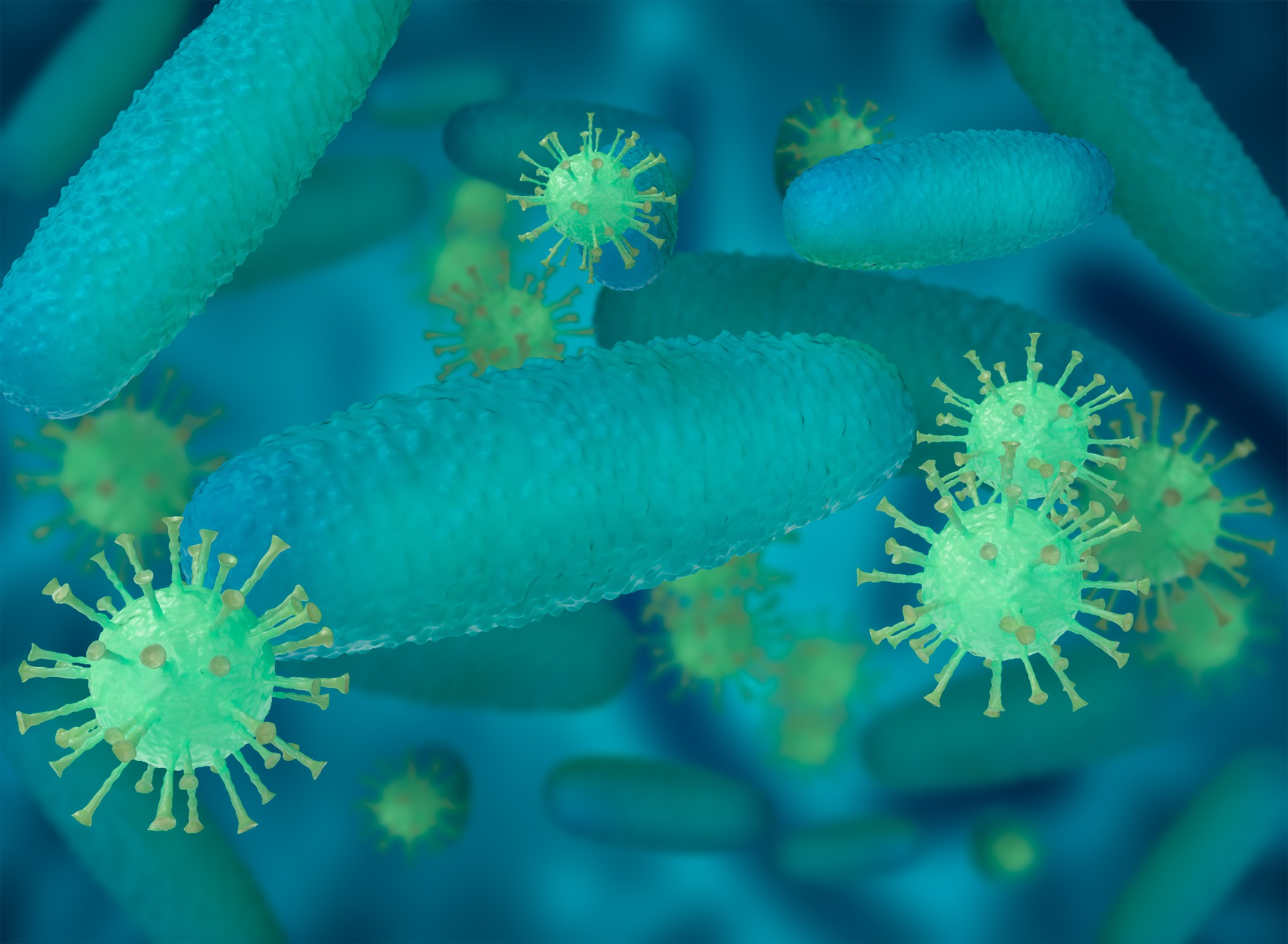
Bacteria and viruses in the immune system.
People often feel well halfway through their antibiotic course and stop taking the medication. But inside the body, the infection is not fully cured.
The remaining bacteria:
You may end up needing:
This increases the health risk and also the economic burden.
Some infections, such as the following:
Stopping early can convert a simple and treatable infection into a chronic condition that keeps coming back.
If antibiotic-resistant bacteria develop in your body, they can spread to family, relatives, colleagues, classmates. This then makes infections more difficult to control within the community. Finishing your antibiotics is a public responsibility.
They are characterised by:
Even if you feel relieved in 2 days, the doctor’s prescribed 5 or 7 or 10 days ensures:
Never change the dose or stop early without consulting your doctor.
Consistency keeps the levels in your blood stable.
If you forget a dose, take it as soon as you remember, unless it’s almost time for the next one.
Infection, type of bacteria and dosage differ from person to person.
Leftover antibiotics are a sign that the earlier course wasn’t completed correctly.
Some work quite well on an empty stomach, others work well with meals.
If you have rashes, severe diarrhoea, vomiting or breathing issues, consult your doctor. Do not stop the course by yourself.
They are prescribed by doctors only when necessary.

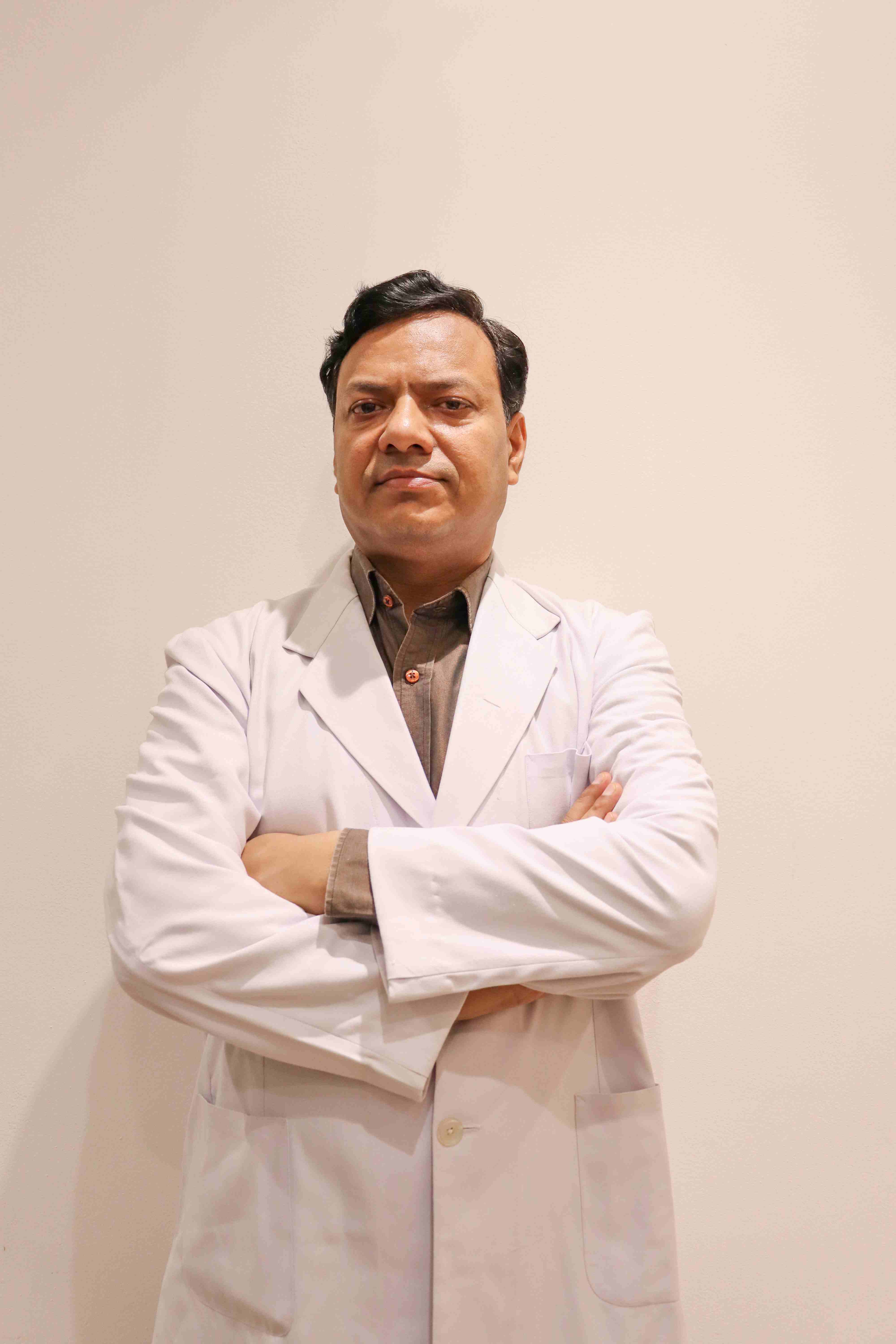
A doctor issuing an antibiotic prescription at a clinic.
At Prakash Hospital, we prioritise safe, evidence-based treatment for all types of bacterial infections. Our experienced team of physicians ensures you receive the right antibiotic, the correct dose and a fully monitored treatment plan to prevent complications or antibiotic resistance.
With advanced diagnostic facilities, personalised care and round-the-clock support, we help you recover quickly and safely.
If you need outpatient care, hospitalisation or follow-up guidance, Prakash Hospital is committed to delivering trusted, patient-centred healthcare for you and your family.
Finishing your antibiotic course is essential for your health, for preventing complications and for protecting the community from antibiotic resistance. Even if you feel better early, continue taking your medication exactly as prescribed. Responsible antibiotic use is one of the simplest ways to safeguard your long-term health.
 Copy
CopyWe offer expert care across key specialties, including Medicine, Cardiology, Orthopaedics, ENT, Gynaecology, and more—delivering trusted treatment under one roof.


Book a consultation with Prakash Hospital's specialists — 24/7 emergency care, 100+ doctors, NABH accredited.

Prakash Hospital Pvt. Ltd. is a 100 bedded NABH NABL accredited multispecialty hospital along with a center of trauma and orthopedics. We are in the service of society since 2001.
OUR SPECIALITIES
Patient Services
PROCEDURES
Contact Us
D – 12A, 12B, Sector-33, G. B. Nagar, Noida, Uttar Pradesh 201301
+91-8826000033


© 2026 All rights reserved.
Designed and Developed by Zarle Infotech