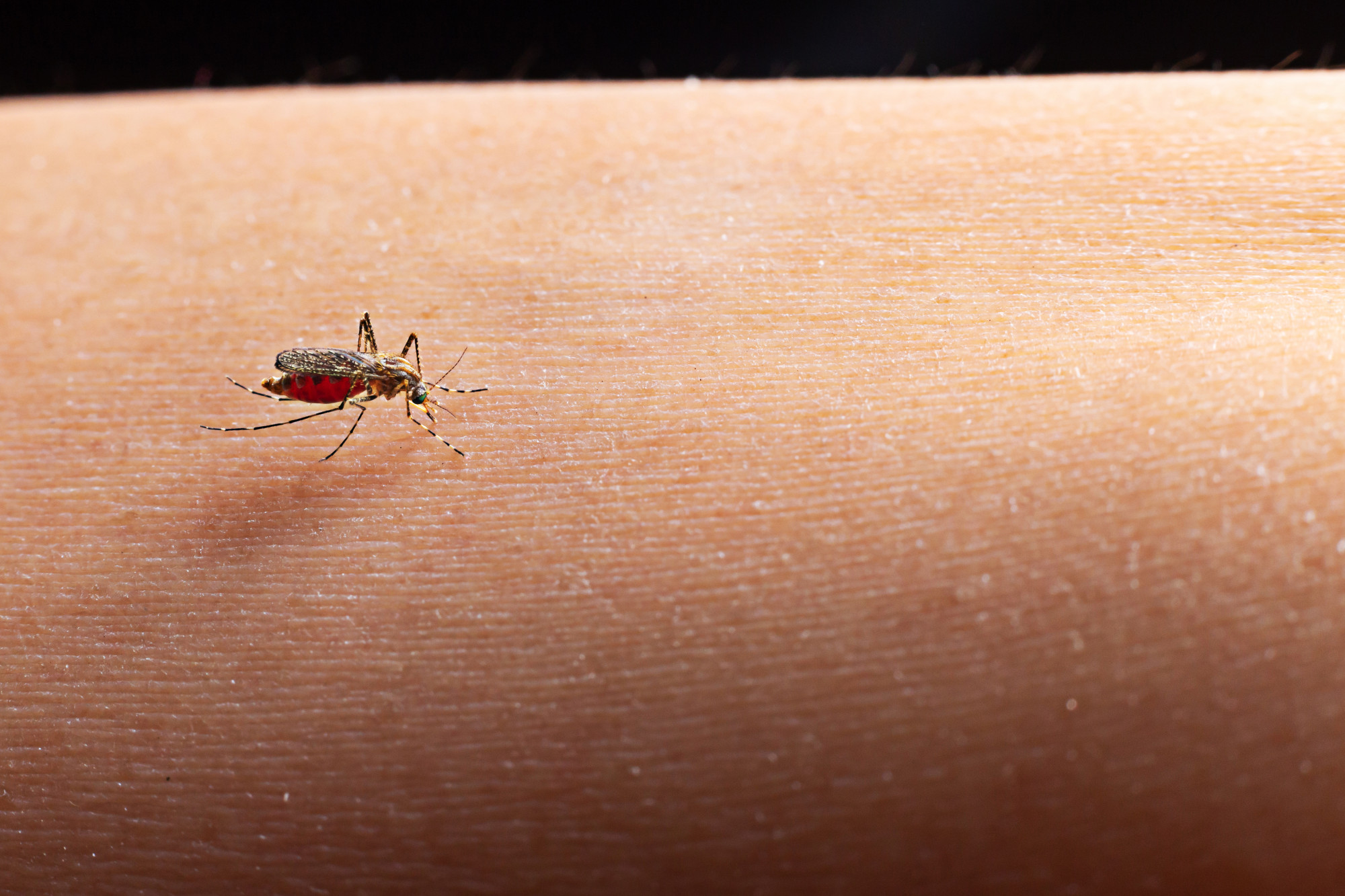
Mosquito biting a person, spreading dengue infection.
Dengue is a viral infection caused by the dengue virus that is spread by mosquitoes. It is a major health issue as it affects a large number of people every year. The monsoon season is a significant time for this viral infection as it creates more opportunities for the growth of mosquitoes. It is crucial that people have knowledge regarding this viral infection.
Dengue is a viral disease, which is produced by the dengue virus transmitted to humans by the bite of a female mosquito. The mosquito prefers to bite during daytime hours, especially early morning and late afternoon. Infection by the dengue virus is seen at all ages and can be both mild and severe. It can also be fatal.
The dengue virus has four different types. When an individual catches the first infection, it makes them immune only to that particular type, which implies that one can suffer from it more than once.
A dengue infection results from being bitten by an infected female Aedes mosquito. It is not contagious, meaning it cannot be passed along from one person to another. The mosquito becomes infected after biting a person who already carries dengue virus in his/her body. The dengue virus multiplies inside the mosquito after it has bitten a person who has dengue virus and then transmits it to the next person it bites.
The factors that can contribute to the risk of dengue are:
In most people, symptoms occur 4 to 10 days after an infected mosquito has bitten them. These symptoms consist of:
Symptoms can last for 5 to 7 days. Often, dengue can also be confused with viral fever and flu. This is a good reason to rely on proper diagnosis.

High fever as a common symptom of dengue.
Severe dengue cases may occur in patients, which is an emergency condition. Then, warning signs emerge after the fever, which may include the following:
Should any of the accompanying symptoms be experienced, immediate medical attention is required.
A positive diagnosis of dengue can be made in a laboratory test that involves the use of blood to test for the presence of the disease or antibodies to the disease. Common laboratory tests include:
Early diagnosis assists the doctor in monitoring any complications, for instance, low platelet levels.
There are no specific antivirals for the treatment of dengue infection.
Aspirin, ibuprofen and other non-steroidal anti-inflammatory medications are to be avoided due to their risk of bleeding.
Adherence to all the doctor’s recommendations can prove critical during the recovery process.
Children, senior citizens, pregnant women or persons with an impaired immune system are also at an increased risk of contracting dengue. If a child gets contracted with the disease, it may begin with mild symptoms but progress very quickly.
Preventing biting by mosquitoes and controlling the breeding of mosquitoes are the best methods of preventing dengue.
Preventive Measures Include:
Community awareness and hygiene are important components in dengue prevention.

Woman applying mosquito repellent spray for dengue prevention.
If you have fever along with body pain, headache or skin rash, consult a doctor during the monsoon season. In case warning symptoms dengue develop or a substantial decrease in platelet counts is noticed, seek immediate attention from a healthcare provider.
In the case of Prakash Hospital, the care for dengue patients involves early diagnosis, observation and conservative management. With competent specialists, well-developed lab facilities and patient-friendly care, the hospital is able to diagnose complications such as a drop in the platelet count and dehydration on time. This helps prevent dengue from becoming more severe.
No, dengue fever is not a disease that is transferred by person-to-person contact. It can only spread if one is bitten by a mosquito
Symptoms run for 5-7 days, but weakness may persist in some patients for several weeks.
For the mild form, home treatment can be done under the supervision of a physician.
Platelet counts that are very low might raise the risk for bleeding and needing to stay in the hospital.
Yes, one can suffer from dengue infection more than once due to different strains.
 Copy
CopyWe offer expert care across key specialties, including Medicine, Cardiology, Orthopaedics, ENT, Gynaecology, and more—delivering trusted treatment under one roof.


Book a consultation with Prakash Hospital's specialists — 24/7 emergency care, 100+ doctors, NABH accredited.

Prakash Hospital Pvt. Ltd. is a 100 bedded NABH NABL accredited multispecialty hospital along with a center of trauma and orthopedics. We are in the service of society since 2001.
OUR SPECIALITIES
Patient Services
PROCEDURES
Contact Us
D – 12A, 12B, Sector-33, G. B. Nagar, Noida, Uttar Pradesh 201301
+91-8826000033


© 2026 All rights reserved.
Designed and Developed by Zarle Infotech