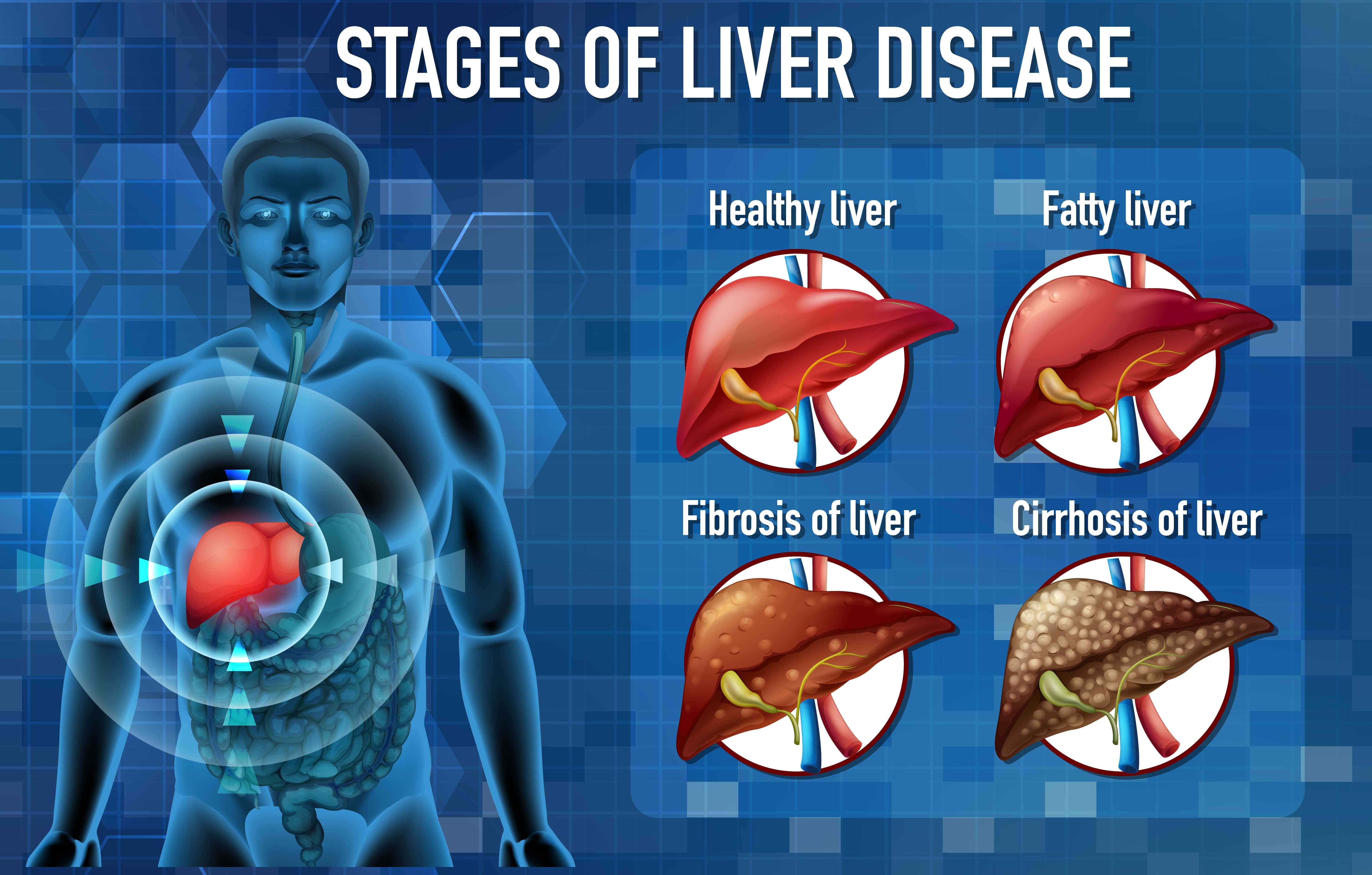
A 3D medical illustration showing an inflamed liver surrounded by virus particles, highlighting the effects of hepatitis on liver function.
The liver is a remarkable organ. It quietly performs hundreds of functions every minute — detoxification, protein production, bile production, blood sugar regulation, hormone processing, and many more. Unlike some other organs, the liver has impressive regenerative ability. With proper care, it can recover from substantial damage. With proper support, it can function well for decades.
The marketing world has exploited this with countless "liver detox" products, tonics, and supplements promising to "cleanse" your liver. Most of these claims do not hold up to scientific scrutiny. The liver detoxifies itself when given the right conditions — adequate nutrition, limited toxin exposure, healthy weight, and sufficient rest.
This article walks through evidence-based ways to support liver health at home — foods that help, habits that protect, and the limits of what home remedies can do.
The phrase needs clarification. The liver cannot be made dramatically stronger through any home remedy. What you can do is:
These are realistic goals. Claims about reversing decades of damage in 7 days, dramatically detoxifying your system, or curing established liver disease with kitchen ingredients alone are typically marketing exaggerations.
Multiple large studies show that regular coffee consumption is associated with lower rates of liver disease, including NAFLD, fibrosis, and liver cancer.
Practical use: 2 to 3 cups of black or lightly sweetened coffee daily. Avoid loading with sugar and cream.
Contains antioxidants (catechins) that support liver health. Some evidence suggests reduced rates of fatty liver with regular green tea consumption.
Practical use: 1 to 2 cups daily.
Spinach, methi, amaranth, mustard greens, kale, moringa leaves. Provide chlorophyll, antioxidants, vitamins, and compounds that support liver detoxification pathways.
Practical use: Daily inclusion in meals.
Broccoli, cauliflower, cabbage, Brussels sprouts. Contain glucosinolates that support phase 2 liver detoxification.
Practical use: A few times a week in sabzis, salads, or soups.
Provides betaine and antioxidants that support liver function.
Practical use: Beetroot in salads, juices, or curries.
Contains compounds that support liver enzymes and provide antioxidant benefits.
Practical use: 1 to 2 cloves daily, raw or lightly cooked.
Curcumin has anti-inflammatory and antioxidant properties. Some evidence for benefits in NAFLD.
Practical use: Daily in cooking, paired with black pepper for absorption.
Lemon, orange, mosambi, amla. Provide vitamin C and flavonoids that support liver function.
Practical use: Lemon water in mornings, citrus fruits regularly.
Blueberries, raspberries, blackberries. Rich in antioxidants. Less commonly available in India but worth including when accessible.
Practical use: Fresh or frozen, in moderation.
Particularly walnuts. Provide healthy fats, antioxidants, and omega-3 fatty acids.
Practical use: A handful daily.
Healthy fats that support liver function and may help with NAFLD.
Practical use: For salads, cold preparations. Use mustard or other Indian oils for high-heat cooking.
Salmon, mackerel, sardines (for non-vegetarians). Provide omega-3 fatty acids that reduce liver inflammation.
Practical use: Twice a week.
Brown rice, oats, millets, whole wheat. Provide fibre and B vitamins that support liver function.
Practical use: Replace refined grains with whole grains.
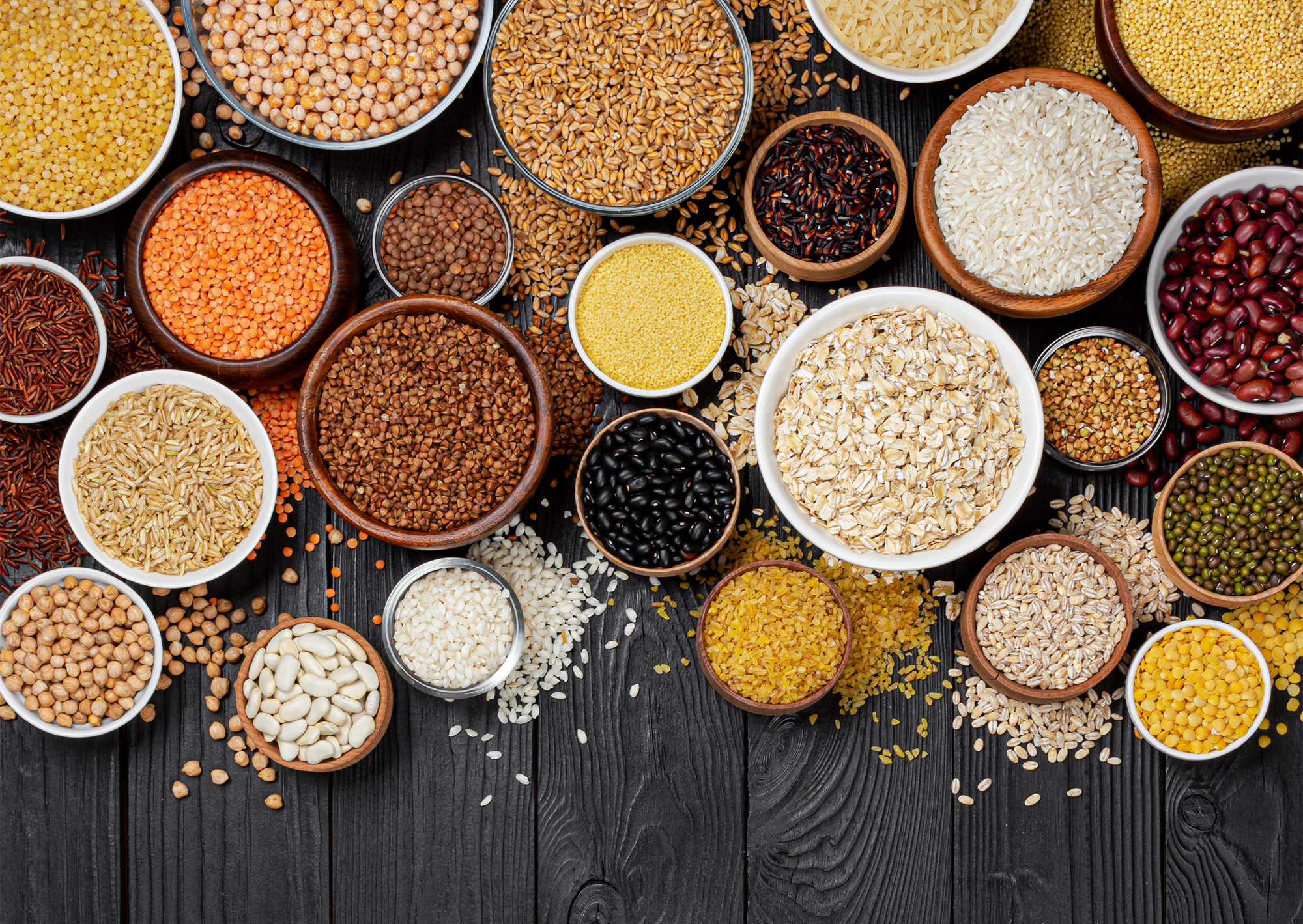
Healthy whole grains such as quinoa, oats, brown rice and barley which are rich sources of fiber and nutrients for a balanced diet with superfoods.
Dals, beans, chickpeas. Provide plant protein and fibre.
Practical use: At least one serving daily.
Contain pectin, a soluble fibre that supports the gut-liver axis.
Practical use: A few times a week as snacks.
Exceptionally high in vitamin C and antioxidants. Long used in Ayurveda for liver health.
Practical use: Fresh amla, amla juice (1 to 2 tablespoons diluted in water), amla murabba, or amla powder.
Anti-inflammatory and supports liver function.
Practical use: Fresh leaves in tea, water, or chewed directly.
Anti-inflammatory properties that support liver health.
Practical use: Fresh ginger in tea, cooking, or as ginger juice.
Traditional Ayurvedic combination of amla, haritaki, and bibhitaki. Some traditional use for liver support.
Practical use: Available as powder or tablets. Use under guidance.
Traditional use for liver and metabolic health.
Practical use: In sabzis, juices (in moderation as it is very bitter).
Some evidence for benefits in fatty liver.
Practical use: Soaked overnight, consumed in morning.
Plain water — adequate hydration is essential for liver function. 8 to 10 glasses daily.
Lemon water — gentle morning beverage. Some benefits from vitamin C and supporting digestion.
Green tea — antioxidants.
Coffee — in moderation.
Herbal teas — chamomile, peppermint, ginger.
Buttermilk — supports digestion which indirectly supports liver function.
Alcohol — directly toxic to liver cells. Limiting or eliminating is one of the most impactful things you can do.
Excess sugar — drives NAFLD and metabolic dysfunction.
Sugary beverages — colas, packaged juices, energy drinks.
Highly processed foods — packaged snacks, instant noodles, fast food.
Trans fats — found in many baked goods, margarine, packaged fried foods.
Excessive refined carbohydrates — white rice, maida products.
Deep-fried foods regularly — contribute to inflammation.
Excessive salt — particularly relevant for those with established liver disease.
Raw or undercooked shellfish — risk of hepatitis A and other infections.
Excessive caffeine — moderate coffee is fine; very high intake may stress the liver.
NAFLD is now the most common liver disease in many populations. Excess weight — particularly abdominal weight — drives fat accumulation in the liver.
Practical approach: Gradual sustainable weight loss through diet and exercise. Even 5 to 10 percent weight loss can substantially improve liver fat.
Both cardio and strength training help reduce liver fat and improve metabolic health.
Practical aim: 150 minutes of moderate exercise weekly. Strength training 2 to 3 times.
7 to 9 hours nightly. Poor sleep affects metabolism and increases NAFLD risk.
Chronic stress contributes to inflammation and metabolic issues that affect the liver.
Practical approach: Yoga, meditation, hobbies, adequate downtime.
Smoking damages the liver and increases liver disease progression.
Hepatitis A and B vaccines prevent two important causes of liver damage.
Hepatitis B and C can be transmitted through contaminated needles, razors, and other items.
Hepatitis B can be transmitted sexually.
A glass of warm water with the juice of half a lemon. Provides hydration, vitamin C, and gentle support for digestion. The claims about dramatic detoxification are overblown, but this is a pleasant healthy habit.
Fresh amla (one fruit), amla juice (1 to 2 tablespoons diluted), or amla powder (half teaspoon). Provides exceptional vitamin C and antioxidants.
A glass of warm milk with half a teaspoon of turmeric and a pinch of black pepper. Anti-inflammatory and traditional Indian use.
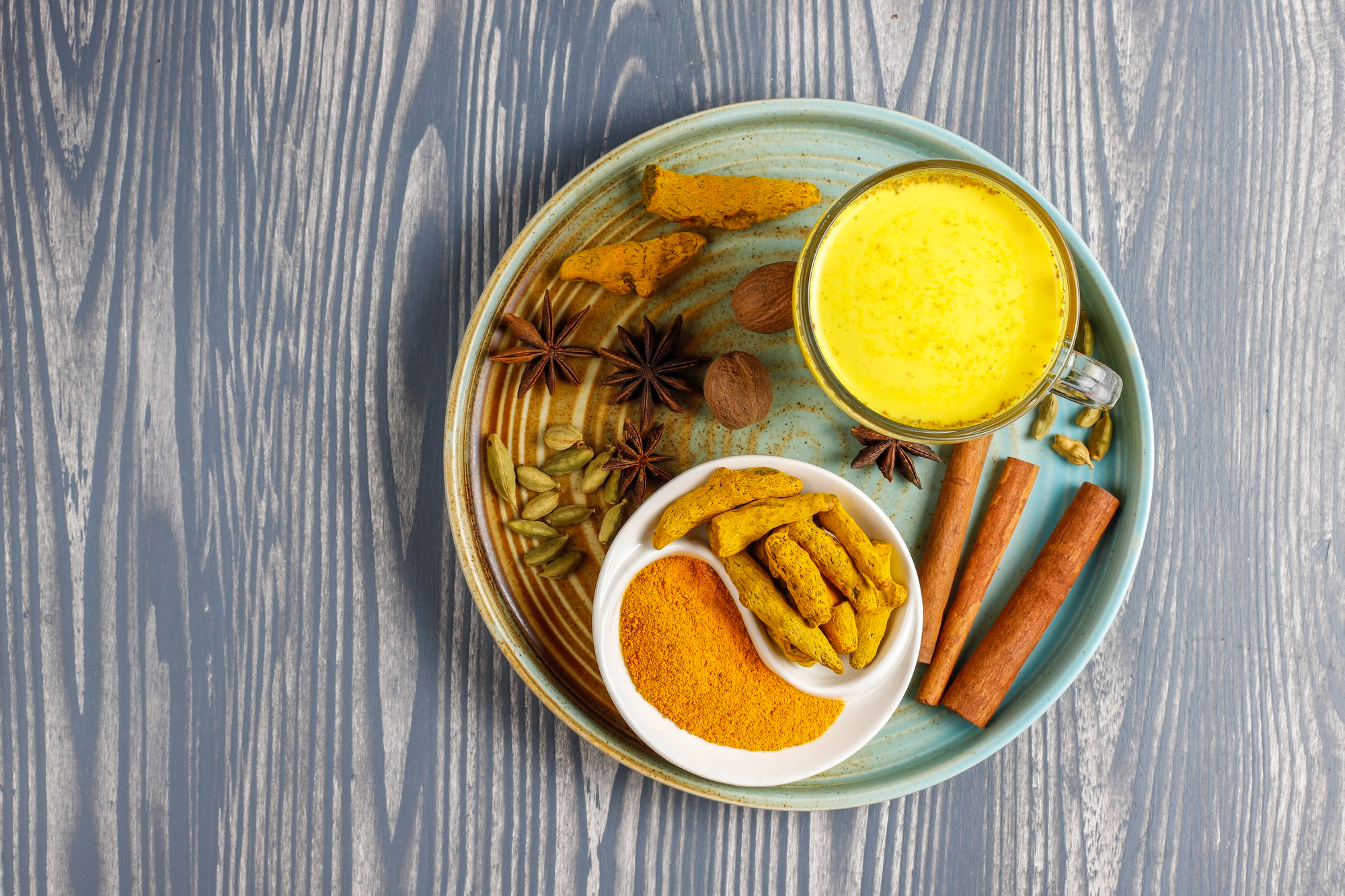
A display of vibrant spices including turmeric, cinnamon sticks and other colorful spices with health boosting properties.
Spinach, cucumber, ginger, mint, lemon. Provides concentrated nutrients without much fibre to overwhelm digestion.
Sprouted moong, idli, dosa, dhokla, curd. Provide nutrients in highly bioavailable forms.
Be honest about the limits:
Cannot reverse established cirrhosis — once significant scarring has developed, dietary changes alone cannot reverse it.
Cannot eliminate hepatitis viruses — these require antiviral medications.
Cannot fix genetic liver disorders — these need specific medical treatments.
Cannot replace medical care — liver disease requires proper diagnosis and treatment.
Cannot detoxify your body in 3 days — the liver detoxifies continuously. There is no quick cleanse that adds meaningful benefit.
Home approaches complement medical care. They do not replace it.
A consultation makes sense when:
Home support works best alongside medical guidance.
"You can detox your liver in a weekend." The liver detoxifies continuously. Quick cleanses do not provide meaningful benefit.
"Liver tonics cure liver disease." No good evidence supports tonic claims.
"More supplements equal better liver health." Many supplements can harm the liver. Stick to food first.
"You only need to think about your liver if you drink." Many other factors damage the liver.
"Natural is always safe for the liver." Some herbal preparations have caused serious liver damage. Just because something is natural does not make it liver-safe.
"Once fatty liver develops, you cannot reverse it." Early NAFLD often reverses with weight loss and lifestyle changes.
"Bitter foods always cleanse the liver." Bitter taste does not directly correlate with liver cleansing. Some bitter foods do support liver function, but not all.
"You must do a liver cleanse periodically." No medical evidence supports this.
Some supplements have reasonable evidence:
Vitamin E — useful in NAFLD in some patients, under medical supervision.
Omega-3 fatty acids — may help with NAFLD.
Milk thistle (silymarin) — long use but evidence is mixed. Generally safe.
Curcumin (turmeric extract) — some evidence for liver benefits.
These work best under medical guidance, especially if you have established liver disease.
Morning:
Mid-morning:
Lunch:
Afternoon:
Dinner:
Throughout the day:
This pattern, sustained over years, substantially supports liver health.
Working professionals in Noida face significant liver health challenges — sedentary work, frequent restaurant meals, alcohol consumption in some demographics, exposure to air pollution affecting overall health, and rising rates of metabolic issues including obesity and diabetes.
Practical adaptations include packed home-cooked lunches, daily walking or exercise, addressing weight proactively, moderating alcohol, vaccinations, annual liver function tests, and gastroenterology consultation when concerns arise.
At Prakash Hospital, Noida, experienced gastroenterologists and hepatologists offer comprehensive liver evaluation, treatment of established conditions, nutritional guidance, and ongoing management of liver health.
Whether you are in Sector 18, Sector 62, Greater Noida West, or anywhere nearby, Prakash Hospital Noida is a trusted name for liver health and gastroenterology.
To book a consultation, call the number.
The best home remedies for the liver are the unglamorous foundations of good health — balanced diet, healthy weight, regular exercise, adequate sleep, stress management, limited alcohol, no smoking, careful medication use, and vaccinations.
There is no magical food, supplement, or cleanse that transforms liver health overnight. What works is consistent attention to the basics over weeks, months, and years.
Specific foods like coffee, green tea, leafy greens, cruciferous vegetables, garlic, turmeric, amla, and others provide meaningful support. They work best as part of a generally healthy diet rather than as isolated cures.
If you have established liver disease, work with your doctor. Home approaches complement medical treatment but do not replace it. Hepatitis needs antivirals. Fatty liver responds to weight loss. Cirrhosis needs specific management.
For prevention, the strategy is sustainable lifestyle habits. Build them gradually. Practice consistently. Allow time for results. The liver responds to good inputs reliably. Give it what it needs, and it will continue doing its remarkable work for decades.
 Copy
CopyWe offer expert care across key specialties, including Medicine, Cardiology, Orthopaedics, ENT, Gynaecology, and more—delivering trusted treatment under one roof.


Book a consultation with Prakash Hospital's specialists — 24/7 emergency care, 100+ doctors, NABH accredited.

Prakash Hospital Pvt. Ltd. is a 100 bedded NABH NABL accredited multispecialty hospital along with a center of trauma and orthopedics. We are in the service of society since 2001.
OUR SPECIALITIES
Patient Services
PROCEDURES
Contact Us
D – 12A, 12B, Sector-33, G. B. Nagar, Noida, Uttar Pradesh 201301
+91-8826000033


© 2026 All rights reserved.
Designed and Developed by Zarle Infotech