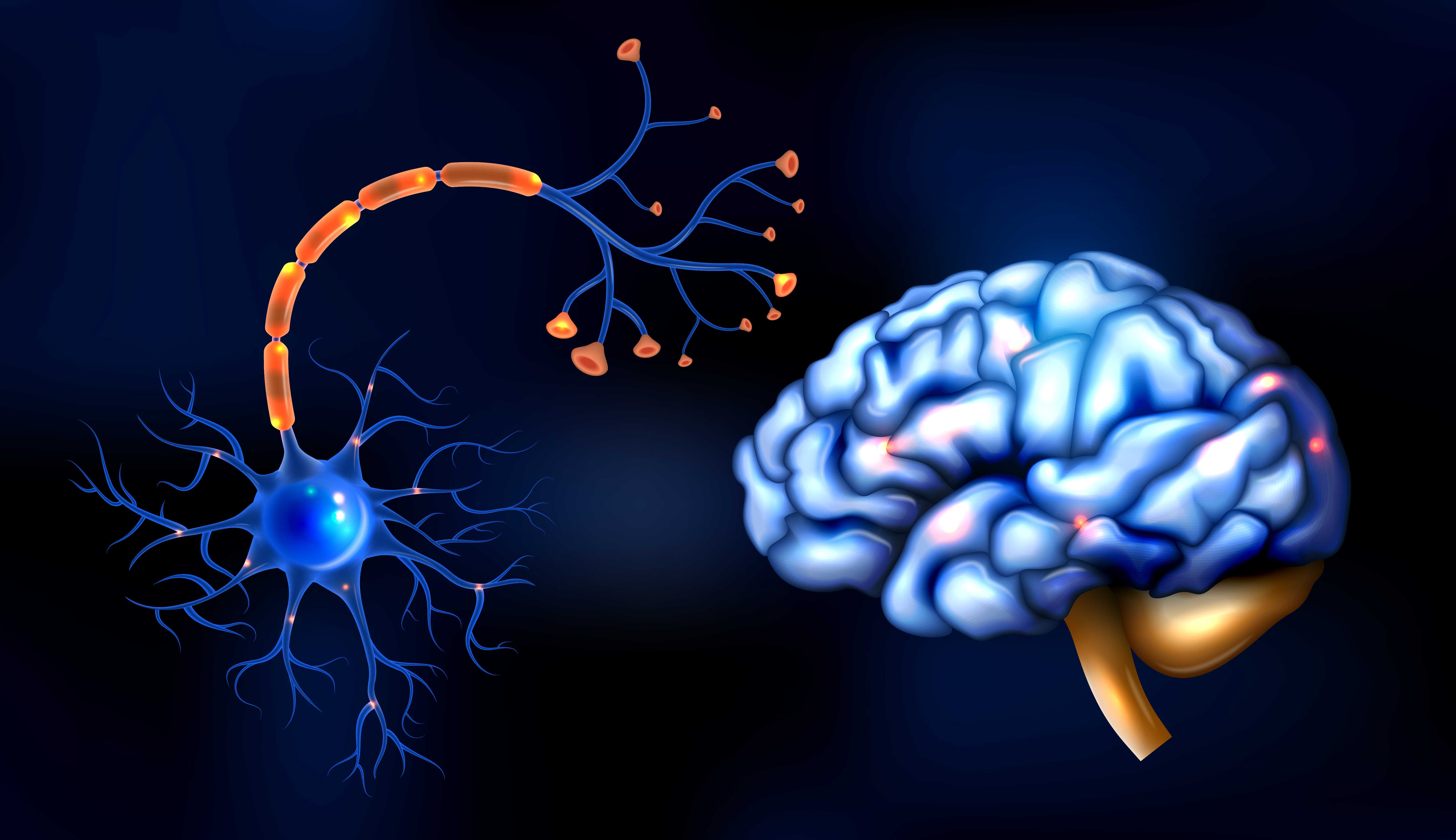
Adults need seven to nine hours of sleep, and broken or shallow sleep leaves you tired even after a full night in bed.
Sleep is not a luxury. During sleep, the brain clears waste, memories are consolidated, hormones are regulated, and the body repairs itself. Chronic poor sleep raises the risk of high blood pressure, diabetes, obesity, heart disease, depression, accidents, and weakened immunity.
Surveys suggest that a large share of urban Indians sleep less than they should, and many have a true sleep disorder that goes undiagnosed. People often accept snoring, tiredness, or night-time restlessness as normal. They are not.
How Much Sleep Do We Need?
Adults: seven to nine hours
Teenagers: eight to ten hours
Older adults: seven to eight hours, often more broken
Quality matters as much as quantity. Sleep that is fragmented or shallow leaves you tired even after eight hours in bed.
Signs You May Have a Sleep Disorder
Difficulty falling or staying asleep on most nights
Loud, habitual snoring or gasping during sleep
Waking unrefreshed despite a full night in bed
Excessive daytime sleepiness, or dozing off at work or while driving
Morning headaches
Irritability, poor concentration, or memory problems
Uncomfortable urges to move your legs at night
Unusual behaviours during sleep, such as sleepwalking, talking, or acting out dreams
Falling asleep at unusual times
Major Types of Sleep Disorders
1. Insomnia
Difficulty falling asleep, staying asleep, or waking too early, with daytime consequences. It may be short-term (triggered by stress, travel, or illness) or chronic (three or more nights a week for three months or more). Causes include stress, anxiety, depression, caffeine, screens, irregular schedules, pain, and medical conditions. See our separate blog on insomnia causes.
2. Obstructive sleep apnoea (OSA)
The throat muscles relax during sleep and partially or fully block breathing, many times a night. The brain briefly wakes to restart breathing, usually without the person remembering.
Symptoms:
Loud snoring, often with pauses and gasps
Waking with a dry mouth or sore throat
Morning headaches
Heavy daytime sleepiness
Poor concentration and mood changes
Waking to urinate frequently at night
In men, reduced libido and erectile problems
Risk factors: obesity, a thick neck, large tonsils, nasal blockage, older age, male sex, alcohol before bed, sedative use, and family history. Thin people can also have it.
Why it matters: untreated sleep apnoea is linked to hypertension, heart rhythm problems, heart attack, stroke, type 2 diabetes, and road accidents.
Diagnosis: a sleep study (polysomnography), done in a sleep lab or sometimes at home.
Treatment: weight loss, avoiding alcohol and sedatives before bed, sleeping on the side, treating nasal blockage, CPAP (continuous positive airway pressure) therapy, oral appliances, and in selected cases surgery.
3. Restless legs syndrome (RLS)
An irresistible urge to move the legs, with crawling, tingling, or aching sensations, mostly in the evening or at night and relieved by movement. It disrupts sleep onset. Iron deficiency is a common, treatable contributor, along with kidney disease, pregnancy, and some medicines. Treatment includes correcting iron, lifestyle changes, and medicines if needed.
4. Narcolepsy and hypersomnia
Overwhelming daytime sleepiness, sudden "sleep attacks," and in narcolepsy sudden muscle weakness triggered by emotion (cataplexy). These are neurological conditions requiring specialist care.
5. Circadian rhythm disorders
The body clock is out of step with the desired schedule.
Delayed sleep phase: a natural "night owl" pattern, common in teenagers and young adults
Shift work disorder: from night or rotating shifts, relevant for many working in call centres and healthcare
Jet lag
6. Parasomnias
Abnormal behaviours during sleep:
Sleepwalking and sleep talking
Night terrors
REM sleep behaviour disorder (acting out dreams, sometimes violently; can be an early sign of Parkinson's disease in older adults)
Bruxism (teeth grinding)
7. Sleep-related breathing and movement conditions in children
Snoring, mouth breathing, bedwetting, restless sleep, or poor school performance in a child can signal enlarged tonsils or adenoids and sleep apnoea. These should be assessed.
Common Causes and Contributors
Chronic stress, anxiety, and depression
Late-night screen use and exposure to bright light
Excess caffeine, nicotine, and alcohol
Irregular sleep timings
Heavy late dinners
Noise, heat, and an uncomfortable bed
Pain conditions such as arthritis and back pain
Thyroid problems, heart failure, reflux, asthma
Medicines (some blood pressure, steroid, and antidepressant drugs)
Hormonal changes, such as menopause
Obesity
When to See a Doctor
Seek help if:
Sleep problems last more than three weeks
You snore loudly with gasping or pauses in breathing
You feel sleepy during the day despite enough time in bed
You nearly fall asleep while driving
Your partner notices abnormal movements or breathing pauses
Poor sleep is affecting your mood, work, or health
How Sleep Disorders Are Diagnosed
Detailed history, including a sleep diary for two weeks
Epworth Sleepiness Scale and other questionnaires
Examination of the nose, throat, neck, and weight
Blood tests (iron, thyroid, sugar) and ECG as needed
Overnight sleep study for suspected apnoea, limb movement disorders, or unusual behaviours
Daytime sleep latency testing for narcolepsy
Treatment Approaches
Treat the underlying cause: apnoea, reflux, pain, depression, iron deficiency.
Cognitive behavioural therapy for insomnia (CBT-I): the most effective long-term treatment for chronic insomnia.
Sleep hygiene (see below).
CPAP or other devices for sleep apnoea.
Medicines when appropriate, prescribed carefully and for a limited time. Sleeping tablets should not be started without medical advice because of dependence and next-day effects.
Light therapy and timed melatonin for body clock disorders, under guidance.
Sleep Hygiene: Habits That Help
Go to bed and wake up at the same time every day, including weekends
Get morning sunlight and daytime activity
Avoid caffeine after early afternoon
Avoid alcohol and heavy meals close to bedtime
Stop screens at least 30 to 60 minutes before sleep
Keep the bedroom dark, quiet, and cool
Use the bed only for sleep, not for work or scrolling
Wind down with reading, light stretching, or slow breathing
If you cannot sleep after about 20 minutes, get up, do something calm in dim light, and return when sleepy
Avoid long afternoon naps, and keep any nap under 30 minutes
Do not watch the clock
Care at Prakash Hospital Noida
At Prakash Hospital Noida, our physicians evaluate sleep problems including snoring, daytime sleepiness, and insomnia, arrange appropriate investigations, and guide treatment with lifestyle measures, devices, and medicines where indicated.
Whether you live in Sector 18, Sector 62, Greater Noida West, or anywhere nearby, Prakash Hospital Noida is a trusted name for sleep disorder evaluation and care in Noida.
We offer expert care across key specialties, including Medicine, Cardiology, Orthopaedics, ENT, Gynaecology, and more—delivering trusted treatment under one roof.
Brain-training apps rarely transfer to real life. Build focus with single-tasking, fewer interruptions, breath practice, exercise, sleep and a 4-week plan.
Ten quick, evidence-based ways to regain focus in minutes, from water, walking and slow breathing to a brain dump, plus when a slump means something else.
Think fertility problems are always the woman's issue? Or that stress is to blame? Our specialists at Prakash Hospital, Noida separate common fertility myths from what the medical evidence actually says.