


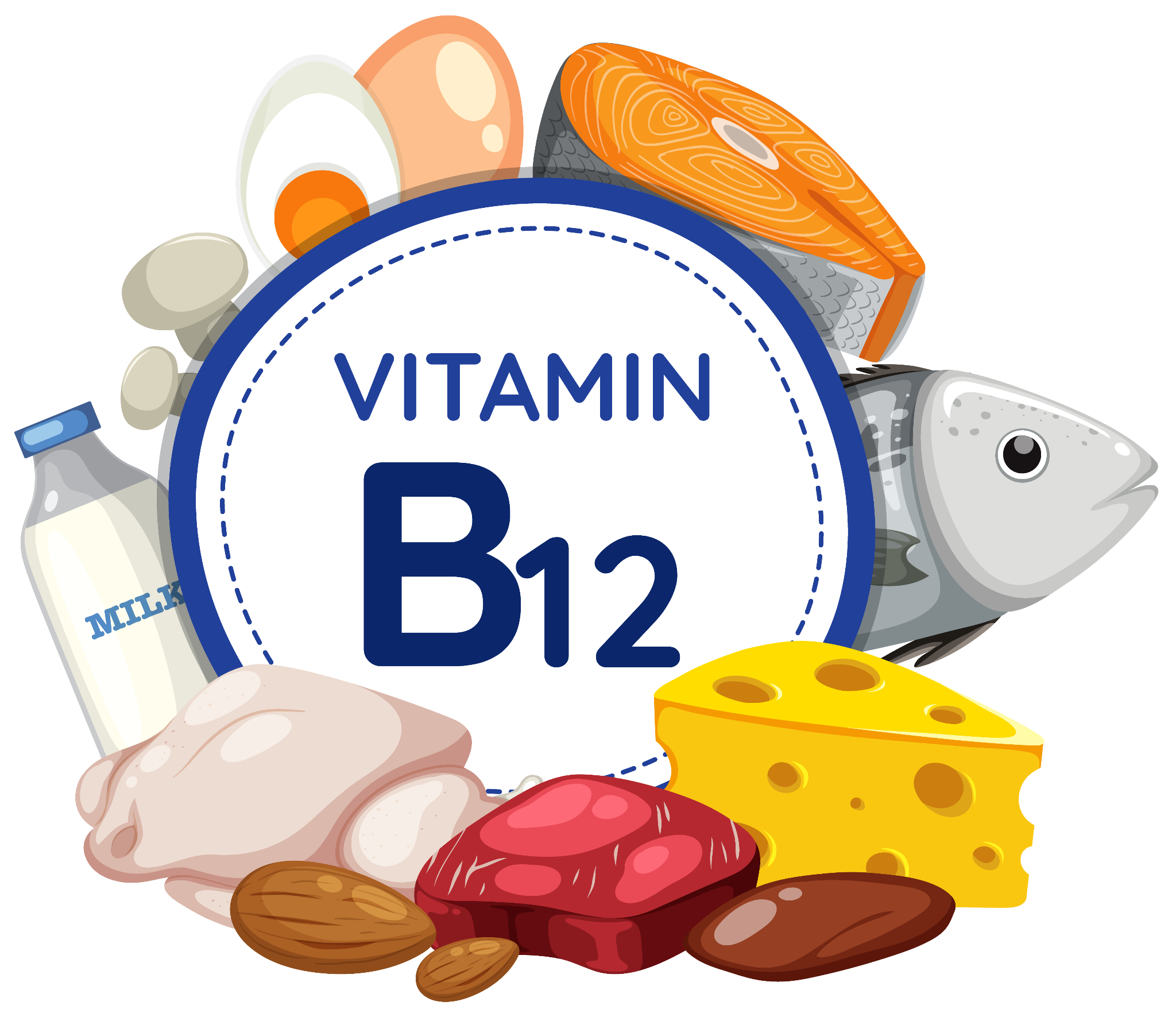
Vitamin B12 Deficiency: Symptoms, Risk Factors and What to Do
Vitamin B12 deficiency symptoms — tingling, fatigue, memory issues and more. Who's at risk in India and how to fix it. Prakash Hospital Noida.
30 Sept 2026
by Prakash Hospital
by Prakash Hospital
Close-up of gut health supplements, including probiotic capsules and digestive enzymes.
When people talk about vitamin D, they often do not realise there are actually two forms — vitamin D2 and vitamin D3. They are related, but they are not the same. Understanding the difference matters because vitamin D3 is more effective at raising blood levels, and the dietary sources for the two forms are different.
This article explains what vitamin D3 is, where it comes from, why it matters for your health, and the foods that actually provide it. It also addresses the particular challenge for Indian vegetarians, who often struggle to get adequate vitamin D3 from food alone.
Both D2 and D3 are forms of vitamin D, but they come from different sources and act slightly differently in the body.
Vitamin D2 (ergocalciferol) is the plant-based form. It is produced when ultraviolet light hits ergosterol, a compound found in plants, fungi, and yeasts. Mushrooms exposed to UV light produce vitamin D2. Some fortified products also use D2.
Vitamin D3 (cholecalciferol) is the animal-based form. It is produced when ultraviolet light hits 7-dehydrocholesterol in the skin — both in humans and in animals. Fatty fish, egg yolks, and other animal products contain vitamin D3.
Both forms get processed in the liver and kidneys to produce the active form of vitamin D. But research has shown that vitamin D3 raises blood levels more effectively and more consistently than D2. For this reason, most clinicians prefer D3 when recommending supplementation.
The body's own skin synthesis under sunlight produces vitamin D3, not D2. This is why sun exposure is so directly connected to D3 levels.
The active form of vitamin D in the body comes from either D2 or D3, but D3 is generally the preferred source for several reasons.
D3 has a longer half-life in the bloodstream, meaning levels stay elevated longer after intake.
D3 raises and maintains 25-hydroxyvitamin D levels — the main blood marker doctors measure — more efficiently than D2.
The vitamin D produced naturally in human skin is D3, so the body is well-adapted to using it.
This is why supplements typically use D3 over D2, and why dietary sources rich in D3 are particularly valuable.
The top food sources of vitamin D3 are mostly non-vegetarian.
Salmon is the leader. A 100-gram serving of wild salmon provides 600 to 1000 IU of vitamin D3. Farmed salmon has less but is still a good source.
Mackerel provides 300 to 500 IU per 100-gram serving.
Sardines offer about 200 IU per 100-gram serving and are inexpensive and accessible.
Tuna contains 200 to 300 IU per 100-gram serving.
Trout provides around 645 IU per 3-ounce serving — one of the highest natural sources.
Herring offers about 200 IU per 100-gram serving.
For non-vegetarians, eating fatty fish twice a week covers a substantial portion of weekly D3 needs.
The most concentrated dietary source of vitamin D3. One tablespoon provides around 1360 IU. The taste is strong, but capsules are widely available. Cod liver oil also provides vitamin A and omega-3 fatty acids.
A note of caution — cod liver oil also contains vitamin A, and excessive intake of vitamin A can be harmful. Stick to recommended doses.
Two large eggs contain about 80 to 100 IU of vitamin D3. The yolk is where the vitamin D sits, so eating only egg whites discards it entirely.
Free-range eggs from chickens raised outdoors generally contain more vitamin D3 than eggs from caged chickens because the outdoor chickens get more sunlight exposure.
A 100-gram serving provides about 42 IU of vitamin D3. Lower amount than fish, but liver also delivers iron, vitamin B12, and protein.
Concentrated sources of vitamin D3 for those who consume them.
Unfortified milk, butter, and cheese contain small amounts of vitamin D3 — usually under 25 IU per serving. Not significant by themselves but they add up.
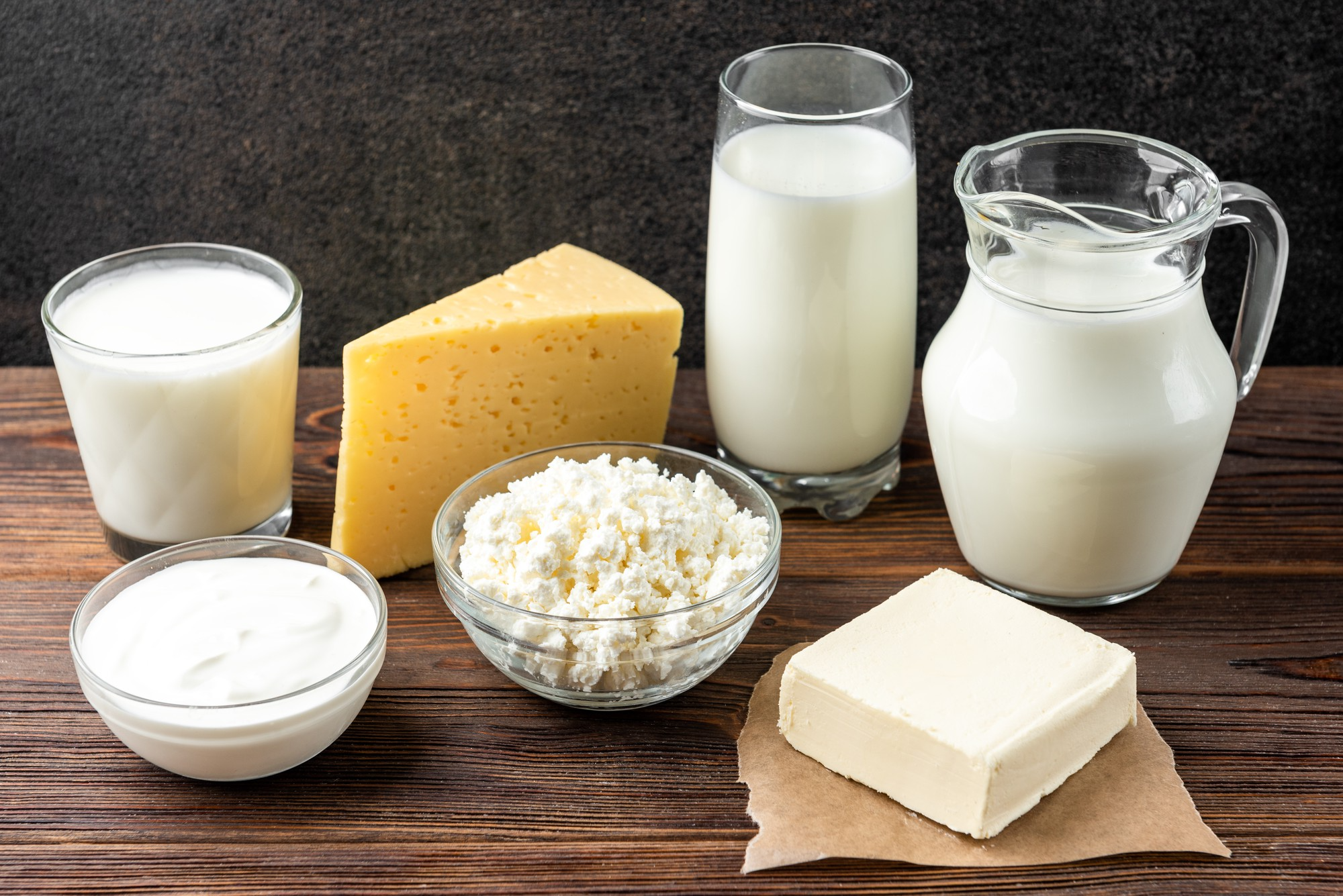
Sources of calcium including milk, cheese, yogurt, dairy products and fortified foods.
Strict vegetarians face a particular difficulty with vitamin D3. The natural animal sources are off the table. The natural plant sources are limited largely to UV-exposed mushrooms, which contain vitamin D2 rather than D3.
This means strict vegetarians typically rely on:
UV-exposed mushrooms for some plant-based vitamin D (mostly D2). Sun-exposing mushrooms before cooking dramatically increases the content.
Fortified foods, where vitamin D may be added either as D2 or D3 depending on the product. Modern fortified products increasingly use D3 derived from lichen, making them suitable for vegetarians and vegans.
Vegetarian D3 supplements derived from lichen, which give the D3 form without animal sourcing.
For lacto-vegetarians and lacto-ovo-vegetarians, the picture is easier — eggs and fortified dairy provide direct D3 sources.
Whether a fortified food contains D2 or D3 depends on the brand and product. Read labels carefully if the form matters to you.
Fortified milk — many brands in India now fortify with vitamin D, typically D3.
Fortified plant milks — soy, almond, oat, and rice milk. The form depends on the brand. Some use D2, some D3.
Fortified cereals — usually use D2 or D3 depending on the brand.
Fortified yogurt — increasingly common.
Fortified butter and margarine — some include vitamin D.
Fortified juices — particularly orange juice, where added vitamin D is increasingly standard.
Fortified tofu — some brands fortify, providing both protein and vitamin D in one food.
When buying, the nutrition label tells you the amount of vitamin D and sometimes specifies D2 versus D3.
Vitamin D is fairly heat-stable, so most cooking methods do not destroy it. However, prolonged high-heat cooking, deep frying, or grilling can cause some loss.
The good news is that gentle cooking — steaming, light pan-frying, baking at moderate temperatures — preserves most of the vitamin D. So including fish, eggs, and mushrooms in everyday meals delivers most of the vitamin D intact.
The vitamin D in fortified foods is also generally stable in normal storage and use.
Vitamin D is fat-soluble, meaning it dissolves in fat rather than water. Eating vitamin D-rich foods with some fat improves absorption.
This usually happens naturally — salmon and mackerel are fatty fish, egg yolks contain fat, and most fortified milk products contain some fat. But when eating leaner options or fortified plant milks, including some healthy fat (a few nuts, a drizzle of olive oil, some avocado) helps the vitamin D get absorbed more efficiently.
Breakfast: Two eggs with whole-grain toast and a glass of fortified milk. This combination provides 200 to 250 IU.
Lunch: A serving of grilled mackerel or salmon two to three times a week, providing 300 to 1000 IU on those days. On other days, a vegetable curry with cottage cheese and dal.
Snack: A handful of nuts and a piece of fortified yogurt.
Dinner: Includes another fish portion if not had at lunch, or eggs, or fortified products.
Adding sun-exposed mushrooms to several meals each week adds D2 to the mix.
Breakfast: Two eggs (if lacto-ovo), a glass of fortified milk, and fortified cereal. About 200 to 250 IU.
Lunch: Sun-exposed mushrooms in curry, paneer with vegetables, and dal-roti. The mushrooms can provide 200 to 400 IU.
Snack: Fortified yogurt with nuts and seeds.
Dinner: Includes paneer, tofu (preferably fortified), or eggs.
A vegetarian D3 supplement is often used to fill the remaining gap, especially in deficient individuals.
Even with thoughtful food choices, most Indians struggle to hit the daily target purely through diet.
The reasons include the limited number of naturally rich foods, the relatively low D content of most foods compared to a sun-exposed skin's production, the dominance of vegetarianism in much of India, and the difficulty of consuming several portions of fatty fish weekly given cost and availability.
This is why a combination of dietary intake, sun exposure, and supplementation when indicated is the realistic approach for most people, especially in urban India.
A short summary helps put this in perspective.
Twenty minutes of direct midday sun on uncovered skin can produce 10,000 IU or more of vitamin D3. The richest single dietary source — wild salmon — provides 600 to 1000 IU per generous serving. A glass of fortified milk provides 100 to 120 IU.
So sun exposure remains the most efficient way to maintain vitamin D status, and food is supportive. For people who cannot get enough sun — and that is the majority of urban Indians — food and supplements together do the job.
A blood test for 25-hydroxyvitamin D measures the actual level. Below 20 ng/mL is deficient. 20 to 29 is insufficient. 30 to 100 is adequate, with many doctors preferring 50 to 80. Above 100 may approach toxic levels.
If your level is low, your doctor will typically recommend supplementation. The standard recommendation is vitamin D3 supplements, often in doses of 1000 to 2000 IU daily for maintenance, or higher doses (sometimes 60,000 IU weekly) for treating deficiency.
Self-supplementing high doses without medical guidance is not advisable. Vitamin D toxicity, though rare, can occur with excessive supplementation and causes high blood calcium levels.
For vegetarians and vegans, vitamin D3 supplements derived from lichen are now widely available. They provide the more effective D3 form without animal sourcing.
These supplements are particularly useful for strict vegetarians who cannot meet needs through food alone and have limited sun exposure.
Pregnant and breastfeeding women have increased vitamin D needs. Diet rarely meets these needs alone, and supplementation under medical guidance is common.
Children especially in urban areas often need attention to vitamin D, since outdoor play has reduced.
Older adults lose some of the skin's ability to make vitamin D from sunlight. They typically need both food and supplements.
People with darker skin need longer sun exposure to make the same amount of vitamin D. Dietary attention is more important for this group.
People with conditions affecting fat absorption (celiac disease, IBD, cystic fibrosis, gastric bypass) often need higher intake and supplementation.
"All vitamin D supplements are the same." D3 generally raises levels more effectively than D2.
"You can overdose on vitamin D from food." Practically impossible with normal eating. Toxicity usually comes from excessive supplementation.
"Sun-exposed mushrooms give you D3." They give D2. Both forms are useful, but the body uses D3 slightly better.
"More vitamin D is always better." No. Optimal range matters. Excessively high levels can cause harm.
"Fortified milk has the same vitamin D as natural sources." It has added vitamin D, often in significant amounts. Whether it is D2 or D3 depends on the brand.
Working professionals in Noida and Greater Noida face well-documented vitamin D challenges. AC offices, limited outdoor time, and the heavy pollution that blocks UV light combine to keep most people in the deficient range.
The practical approach is testing annually, building dietary habits around vitamin D-rich foods, getting sunlight on the cleaner-air days, and using supplements when prescribed by a doctor.
At Prakash Hospital, Noida, experienced doctors and dieticians offer vitamin D testing, personalised nutritional planning, and supplement guidance when needed. The approach is individualised based on your blood levels, dietary preferences, lifestyle, and any specific health concerns.
Whether you are in Sector 18, Sector 62, Greater Noida West, or anywhere nearby, Prakash Hospital Noida is a trusted name for nutrition consultation and health checkups.
To book a consultation, call the number.
Vitamin D3 is the more effective form of vitamin D for raising and maintaining blood levels. Its natural food sources are mostly non-vegetarian — fatty fish, egg yolks, cod liver oil, and small amounts in dairy and liver.
For vegetarians, the dietary picture is more limited. UV-exposed mushrooms, fortified foods, and supplements derived from lichen provide alternatives, but the path requires more deliberate effort.
For most Indians, the realistic approach is a combination of regular sun exposure, smart dietary choices, and supplementation when blood tests show deficiency.
Vitamin D3 status quietly affects energy, immunity, mood, bone health, and long-term disease risk. It is worth taking seriously, monitoring through occasional blood tests, and addressing through a combination of strategies rather than relying on any single source.

Endoscopic treatment through the mouth that removes bile duct stones and opens blockages causing jaundice.
Replaces a knee worn out by arthritis with a metal and plastic joint to relieve pain and get you walking again.
Blocks or removes the fallopian tubes for permanent contraception, usually as day-care keyhole surgery.
Free tools to check your weight, plan a pregnancy, track calories and more.
We offer expert care across key specialties, including Medicine, Cardiology, Orthopaedics, ENT, Gynaecology, and more—delivering trusted treatment under one roof.
Vitamin B12 deficiency symptoms — tingling, fatigue, memory issues and more. Who's at risk in India and how to fix it. Prakash Hospital Noida.
30 Sept 2026
by Prakash Hospital

Vitamin D rich vegetables and fruits — what actually contains vitamin D and what is myth. Visit Prakash Hospital Noida for nutrition guidance.
30 Jun 2026
by Prakash Hospital
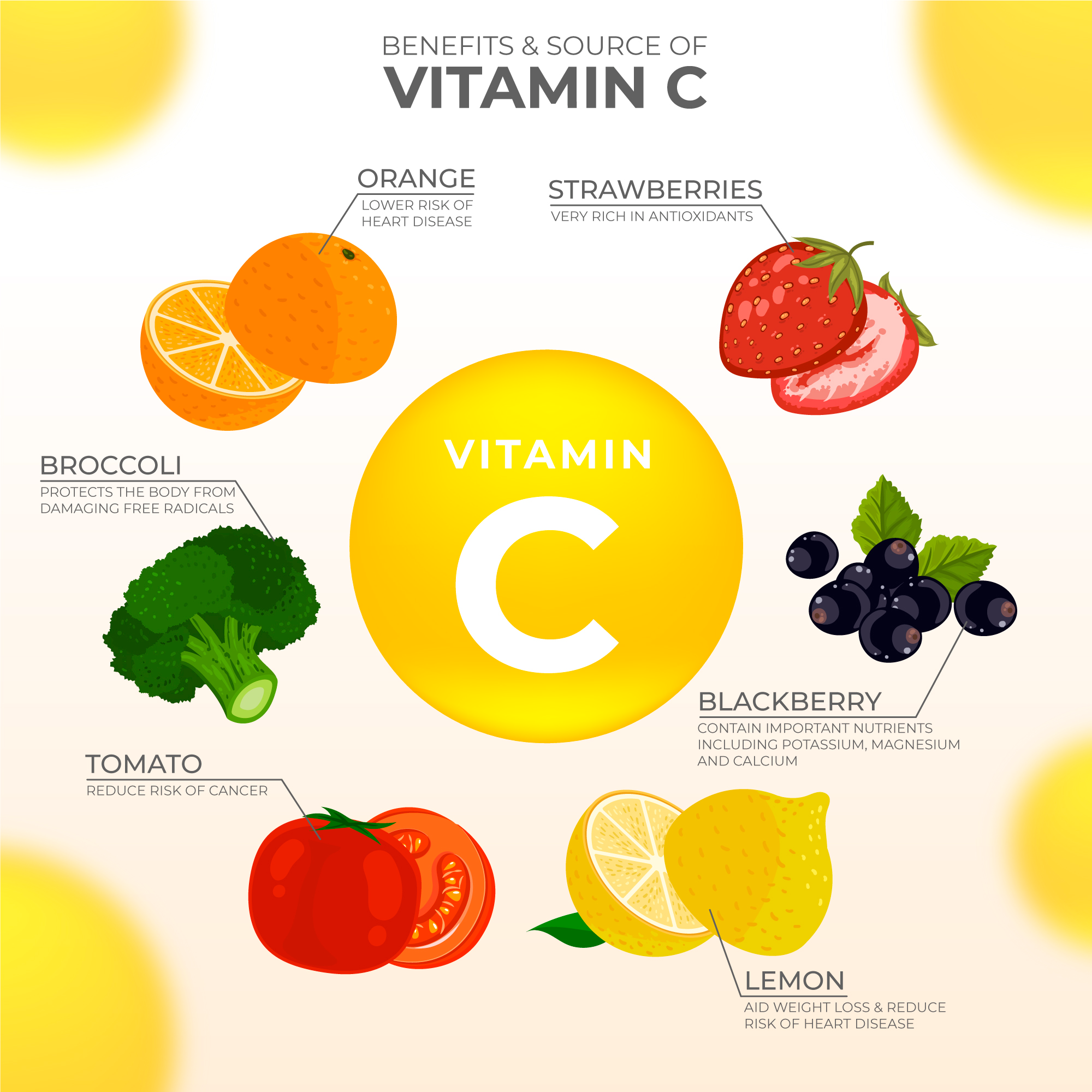
Vitamin C deficiency — recognise the signs, understand the causes, and learn the best food sources. Visit Prakash Hospital Noida for nutrition care.
26 Jun 2026
by Prakash Hospital

Which vitamin deficiencies cause hair fall — iron, vitamin D, B12, and zinc. How to test and fix them. Prakash Hospital Noida.
4 Sept 2026
by Prakash Hospital

Hair fall in women — hormones, PCOD, thyroid, iron deficiency, and more. Why women lose hair and what helps. Prakash Hospital Noida.
2 Sept 2026
by Prakash Hospital

Hair fall in men — male pattern baldness, causes, and what treatments actually work. Guide from Prakash Hospital Noida, Noida.
7 Sept 2026
by Prakash Hospital
Learn how Vitamin B12 deficiency affects energy, nerves, and mood. Discover symptoms, causes, and treatment at Prakash Hospitals.
3 Nov 2025
by Prakash Hospital

Discover the early signs of vitamin D deficiency and how it affects your health. Learn how to detect symptoms and improve your vitamin levels naturally.
2 May 2025
by Prakash Hospital
Vitamin D deficiency — recognise the symptoms, understand the causes, and learn how to correct it. Visit Prakash Hospital Noida for testing and treatment.
29 May 2026
by Prakash Hospital


Book a consultation with Prakash Hospital's specialists — 24/7 emergency care, 100+ doctors, NABH accredited.
View All Departments