


Calcium-Rich Foods for Strong Bones: A Complete Indian Guide
Calcium-rich foods — the best Indian sources for strong bones and teeth. Visit Prakash Hospital Noida for nutrition consultation and bone health.
20 Jul 2026
by Prakash Hospital
by Prakash Hospital
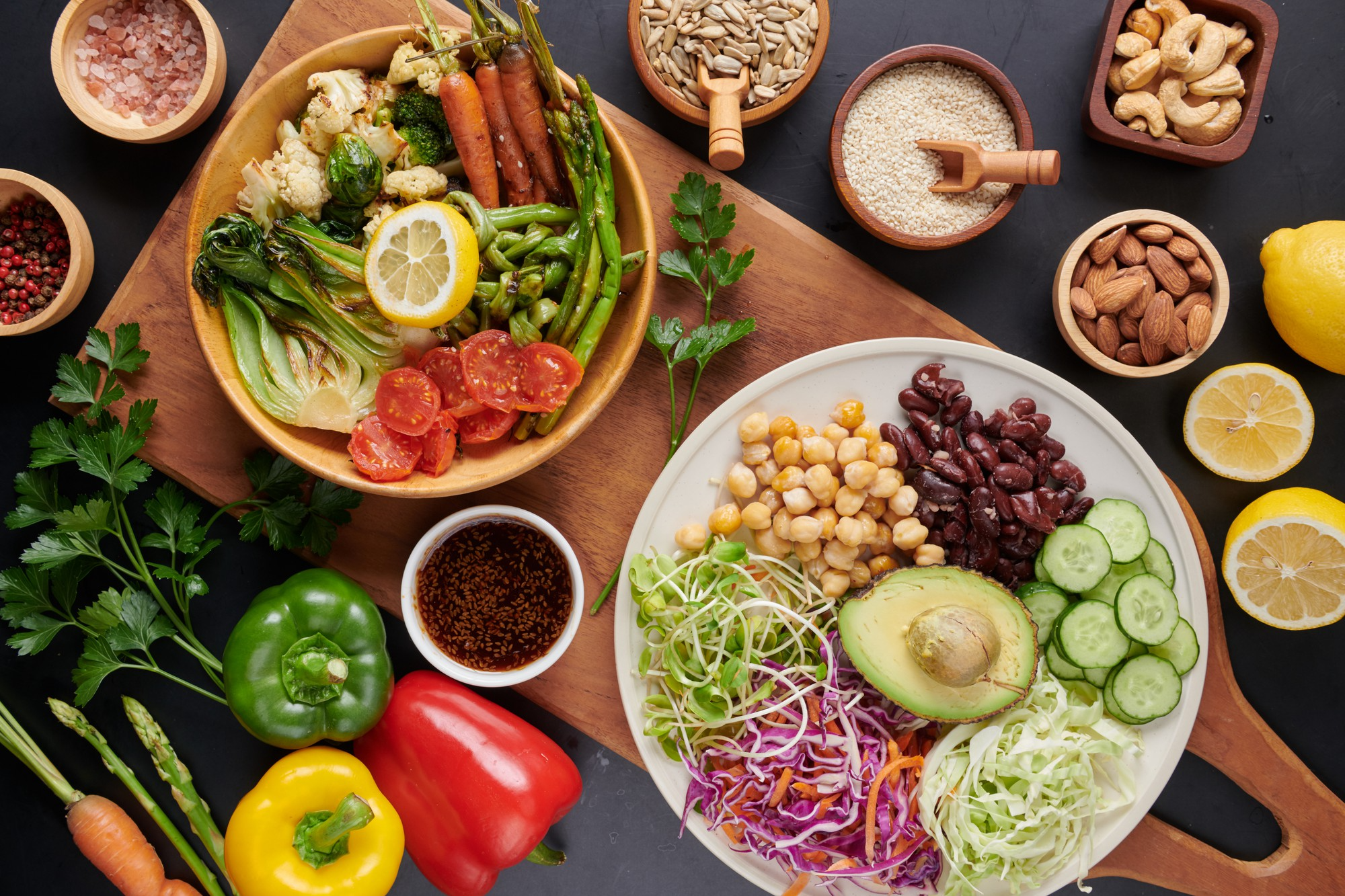
A colourful assortment of healthy foods ideal for pregnancy, including fresh fruits, vegetables, whole grains, dairy and protein-rich options, highlighting balanced nutrition for maternal health.
Bone health is not something that becomes relevant after a fracture. The foundations of bone density are laid in childhood and adolescence, consolidated in the 20s, and then gradually — or sometimes rapidly — eroded through the decades that follow. The calcium and vitamin D in the diet throughout life determine, to a meaningful degree, how much bone density a person has when they most need it.
In India, both calcium and vitamin D inadequacy are widespread — and often coexist. Calcium intake in the average Indian diet is well below the recommended 1,000 mg daily. Vitamin D deficiency affects an estimated 70–80% of urban Indians despite living in one of the sunniest countries on earth. Together, these deficiencies accelerate bone loss and increase fracture risk across all age groups.
The good news: the solutions are largely in the kitchen and the lifestyle — accessible, affordable, and culturally compatible with how most Indians eat.
| Group | Daily Calcium Requirement | |---|---| | Children 1–8 years | 700–1,000 mg | | Adolescents 9–18 | 1,300 mg | | Adults 19–50 | 1,000 mg | | Adults 51+ | 1,000–1,200 mg | | Postmenopausal women | 1,200 mg | | Pregnant and breastfeeding women | 1,000–1,300 mg |
The average Indian adult, based on dietary surveys, consumes approximately 400–500 mg daily — roughly half the requirement. This gap is cumulative: years of inadequate calcium intake mean the body draws calcium from bones to meet other needs, gradually depleting bone density.
Dairy provides calcium in a highly bioavailable form (the calcium in dairy is well absorbed) and is culturally central to most Indian diets.
Curd (dahi): approximately 120 mg calcium per 100 ml. A full bowl of curd (200 ml) at lunch and dinner provides roughly 480 mg — nearly half the daily requirement from curd alone. Beyond calcium, the probiotic content and protein make curd one of the most beneficial foods in the Indian dietary context for multiple health aspects.
Milk: approximately 120 mg per 100 ml. A 250 ml glass provides 300 mg. Three glasses of milk daily would meet the calcium requirement — not realistic for most adults, but one to two glasses combined with curd and other sources is practical.
Paneer: approximately 480 mg per 100g — among the most calcium-dense foods in the Indian diet. Two tablespoons (50g) of paneer adds 240 mg. A small serving of paneer sabzi at one meal is a significant calcium contribution.
Chaas (buttermilk): slightly less calcium than curd per volume but still a meaningful contributor and easier to drink in large quantities.
Note for lactose intolerance: many people with reduced lactase activity (lactose intolerance) tolerate curd and paneer much better than milk, because the lactose is partially broken down during the fermentation and curdling processes. Most people with lactose intolerance can consume curd without symptoms.
344 mg calcium per 100g — an extraordinary figure for a plant food, and significantly higher than any other grain. Ragi has been a traditional staple in Karnataka, Tamil Nadu, and parts of Maharashtra and Odisha, and is gaining recognition as a nutritional powerhouse elsewhere.
Ragi's calcium is somewhat less bioavailable than dairy calcium (because of phytate content that partially inhibits absorption), but regular consumption still contributes meaningfully to bone health. Studies from South India show better bone density in communities that consume ragi regularly compared to those who don't.
How to use ragi:
This grain deserves to travel northward into more Indian kitchens than it currently occupies.
975 mg per 100g — the highest calcium concentration of any common food by weight. The catch: you rarely eat 100g of sesame seeds. But even a tablespoon (approximately 9g) provides 85–90 mg.
Sesame seeds are used throughout Indian cooking and sweets:
Including sesame regularly adds up meaningfully to calcium intake.
Green leafy vegetables contain calcium, though the bioavailability varies significantly because some greens (particularly spinach) are high in oxalates — compounds that bind calcium in the gut and reduce absorption.
Higher calcium, lower oxalate (better absorbed calcium):
High calcium but lower absorption (high oxalate):
Practical advice: eating a variety of leafy greens is beneficial overall. For pure calcium contribution to bone health, drumstick leaves, methi, and amaranth are more effective than spinach.
240 mg calcium per 100g — good, though the practical serving (6–8 almonds, approximately 10g) provides about 24 mg. Almonds also contribute magnesium and vitamin E. The daily handful of soaked almonds is a worthwhile calcium contribution as part of a broader diet, but not a major source on its own.
Rajma (kidney beans): approximately 143 mg per 100g cooked. A full bowl of rajma provides a meaningful calcium contribution alongside significant protein and fibre.
Chana: approximately 105 mg per 100g cooked.
Dal generally contributes calcium — not at the level of dairy, but significant when eaten in generous portions daily.
Tofu made with calcium sulfate as a coagulant can be very high in calcium — up to 350 mg per 100g. Check the label — not all tofu is coagulated with calcium sulfate; some uses other coagulants with lower calcium content.
| Meal | Foods | Approx. Calcium | |---|---|---| | Breakfast | Ragi porridge (100g ragi, made with 200ml milk) | 344 + 240 = 584 mg | | Snack | 8 soaked almonds + 1 glass chaas | 24 + 120 = 144 mg | | Lunch | Rajma curry (generous) + 200ml curd + methi sabzi | 150 + 240 + 100 = 490 mg | | Dinner | Paneer sabzi (50g paneer) + sesame chutney (1 tbsp til) | 240 + 90 = 330 mg | | Total | | ~1,548 mg |
This demonstrates that meeting calcium requirements from Indian food is entirely possible — but requires deliberate inclusion of calcium-rich foods at most meals.
Calcium in the diet is only as useful as your ability to absorb it — and vitamin D is the gatekeeper of intestinal calcium absorption. Without adequate vitamin D, only 10–15% of dietary calcium is absorbed. With adequate vitamin D, absorption rises to 30–40%.
This is why vitamin D and calcium must be addressed together.
India is one of the paradoxically most vitamin D-deficient countries despite being tropical. Reasons:
15–30 minutes of direct sun exposure on arms and legs (not through glass — UV-B doesn't pass through glass) between approximately 10 am and 3 pm produces meaningful vitamin D synthesis in most Indians. Darker skin may need up to 45–60 minutes. Avoid burning.
This is genuinely the most effective way to address vitamin D if you can build it into your daily routine. A morning walk in direct sunlight is ideal.
Vitamin D is not abundant in Indian food:
Food alone cannot meet vitamin D requirements for most people — sunlight or supplements are necessary.
Given the widespread deficiency, vitamin D supplementation is appropriate for most urban Indians, particularly:
Testing first: a 25-OH vitamin D blood test establishes your baseline. Below 20 ng/mL is deficient; 20–30 ng/mL is insufficient; above 30 ng/mL is adequate.
Common supplementation: 1,000–2,000 IU of vitamin D3 daily for maintenance; 4,000 IU daily for 3 months to correct deficiency (always under medical guidance). Vitamin D3 (cholecalciferol) is more effective than D2 (ergocalciferol).
Magnesium: works alongside calcium. Found in nuts, seeds, whole grains, legumes, and dark leafy greens. Most people who eat a reasonably varied Indian diet get adequate magnesium.
Vitamin K2: directs calcium into bones and away from soft tissues (arteries). Found in fermented foods (though Indian traditional fermented foods may contribute), and in some animal products. Often considered alongside vitamin D supplementation.
Protein: adequate protein intake is important for bone matrix formation. Chronically low protein (common in older vegetarian women eating insufficient dal) reduces bone formation. Paradoxically, excessive protein was once thought to leach calcium — this has been largely overturned; adequate protein supports bone health.
Phosphorus: abundant in dal, grains, meat, and dairy. Usually not a concern in Indian diets.
Weight-bearing exercise: brisk walking, resistance training, dancing. The mechanical loading from weight-bearing exercise stimulates osteoblast activity and bone formation. This is the non-dietary factor with the most direct impact on bone density. 30 minutes daily of weight-bearing activity is the minimum.
Smoking: directly toxic to bone-forming cells. A significant cause of osteoporosis, particularly in men.
Alcohol: excess alcohol impairs calcium absorption and reduces bone formation. Moderate to no alcohol.
Steroid medication review: if on long-term steroids, discuss bone protection with your doctor — calcium, vitamin D, and often bisphosphonates are recommended alongside.
At Prakash Hospital Noida, our physicians assess bone health — including vitamin D and calcium status, bone density screening for at-risk patients, and dietary counselling for bone health. DEXA scan referral, osteoporosis medication management, and fracture prevention guidance are available.
Whether you live in Sector 18, Sector 62, Greater Noida West, or anywhere in the NCR, Prakash Hospital Noida is a trusted name for bone health, osteoporosis prevention, and nutrition in Noida.
To book a consultation, call the number.
Tags: #FoodsForStrongBones #CalciumRichFoodsIndia #PrakashHospitalNoida

This article covers orthopaedic concerns. These Prakash Hospital doctors in Noida treat them.

Dr. Mayank Chauhan
Consultant Orthopaedics & Joint Replacement Surgeon
Orthopaedics · Joint Replacement

Dr. Manoj Mehra
Consultant Orthopaedics Surgeon
Orthopaedic Surgeon · Joint Replacement Surgeries
Replaces a worn or collapsed hip ball and socket with an artificial joint to end groin pain and restore walking.
Replaces only the worn part of an arthritic knee, keeping the healthy cartilage and ligaments.
Reattaches or rebuilds torn ligaments in the knee, ankle, elbow or thumb to steady an unstable joint.
Free tools to check your weight, plan a pregnancy, track calories and more.
We offer expert care across key specialties, including Medicine, Cardiology, Orthopaedics, ENT, Gynaecology, and more—delivering trusted treatment under one roof.
Calcium-rich foods — the best Indian sources for strong bones and teeth. Visit Prakash Hospital Noida for nutrition consultation and bone health.
20 Jul 2026
by Prakash Hospital

Discover calcium rich foods for strong bones, daily calcium needs, deficiency signs, absorption tips, and how to maintain lifelong bone health.
6 Jan 2026
by Prakash Hospital
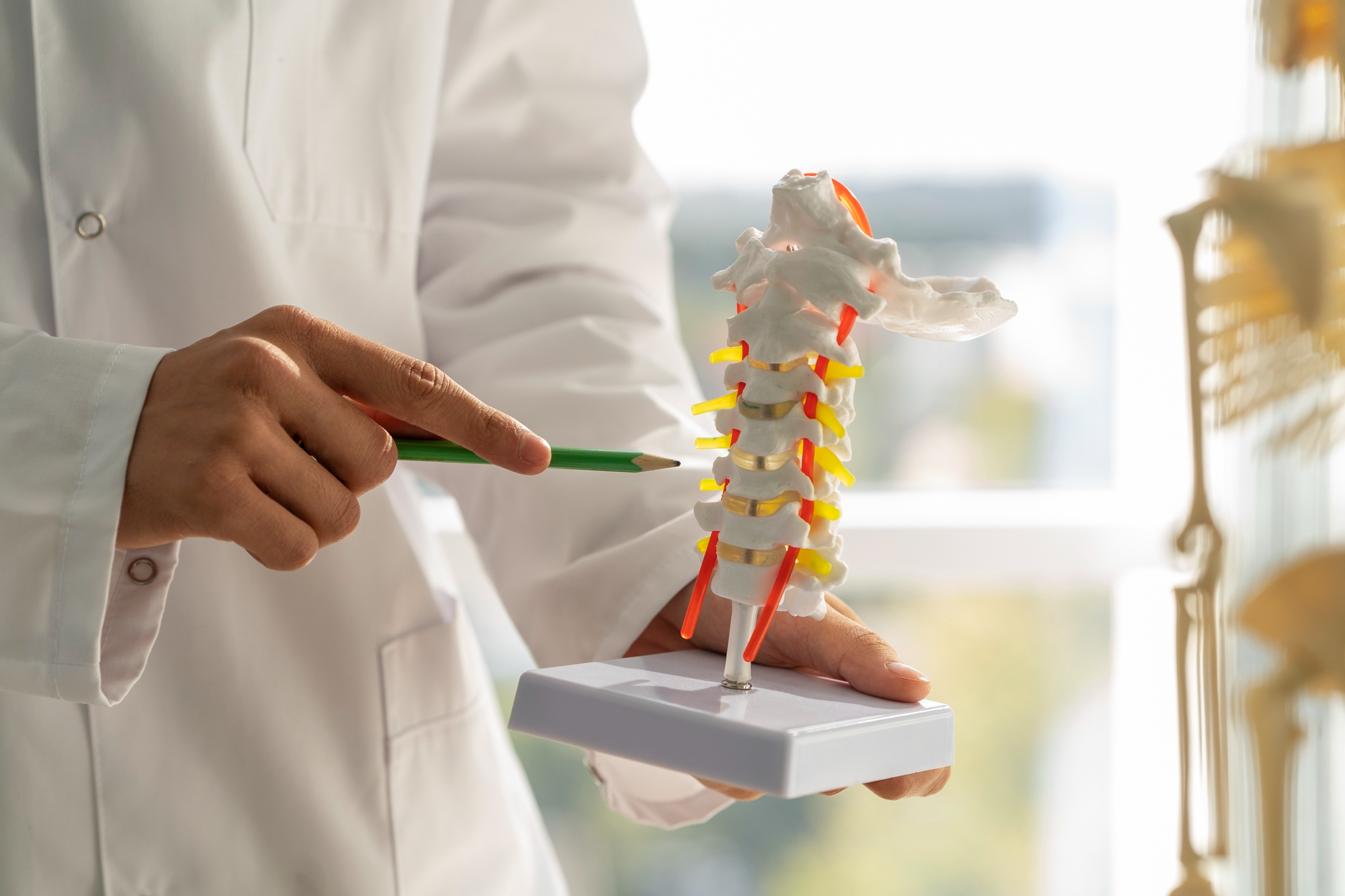
Support fracture recovery with essential nutrients like calcium, vitamin D, and protein for faster bone healing.
19 Nov 2025
by Prakash Hospital

बार-बार भूलना कब सामान्य है और कब यह गंभीर बीमारी का संकेत हो सकता है? मेमोरी लॉस के कारण, चेतावनी संकेत, जांच और इलाज के बारे में विस्तार से जानें।
25 Feb 2026
by Prakash Hospital
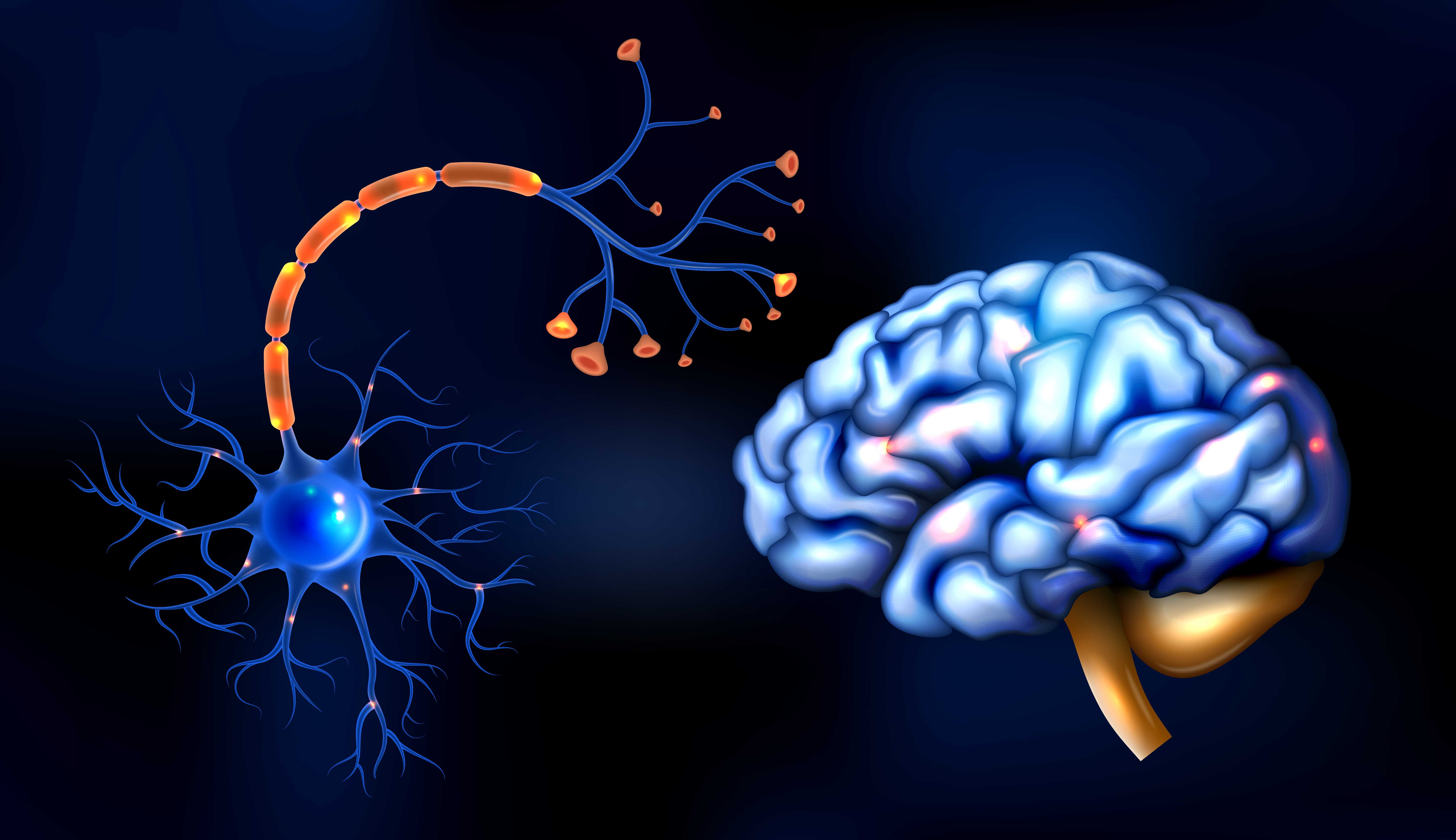
Learn the warning signs of brain hemorrhage, possible causes, emergency treatment options, and why immediate medical attention is critical.
19 May 2026
by Prakash Hospital

Brain-training apps rarely transfer to real life. Build focus with single-tasking, fewer interruptions, breath practice, exercise, sleep and a 4-week plan.
12 Oct 2026
by Prakash Hospital
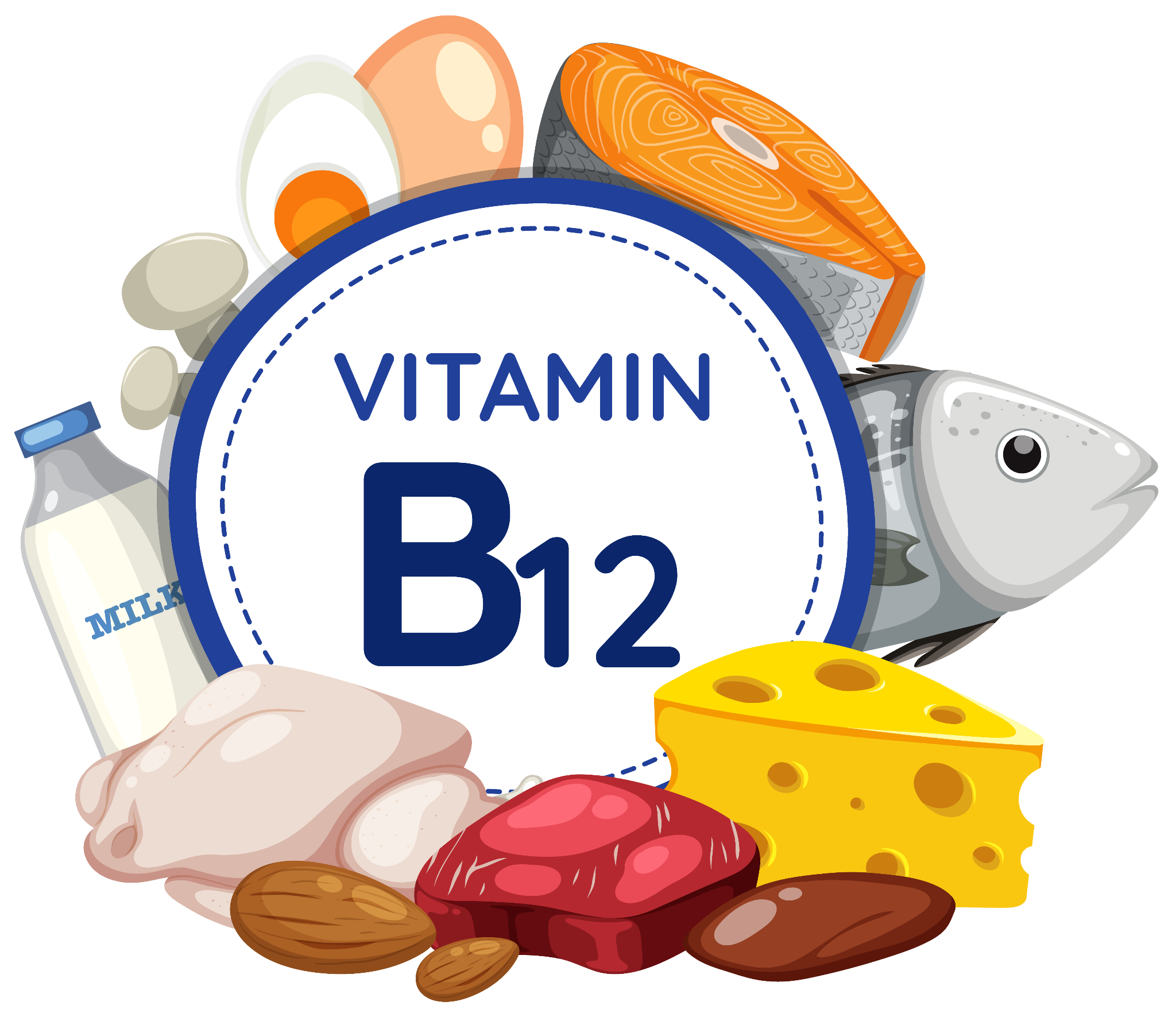
Vitamin B12 deficiency — recognise the symptoms, understand the causes, and know the foods that help. Visit Prakash Hospital Noida for testing and treatment.
3 Jun 2026
by Prakash Hospital

Learn how to make your bones grow stronger naturally with expert advise from the doctors at Prakash Hospital.
1 Oct 2025
by Prakash Hospital
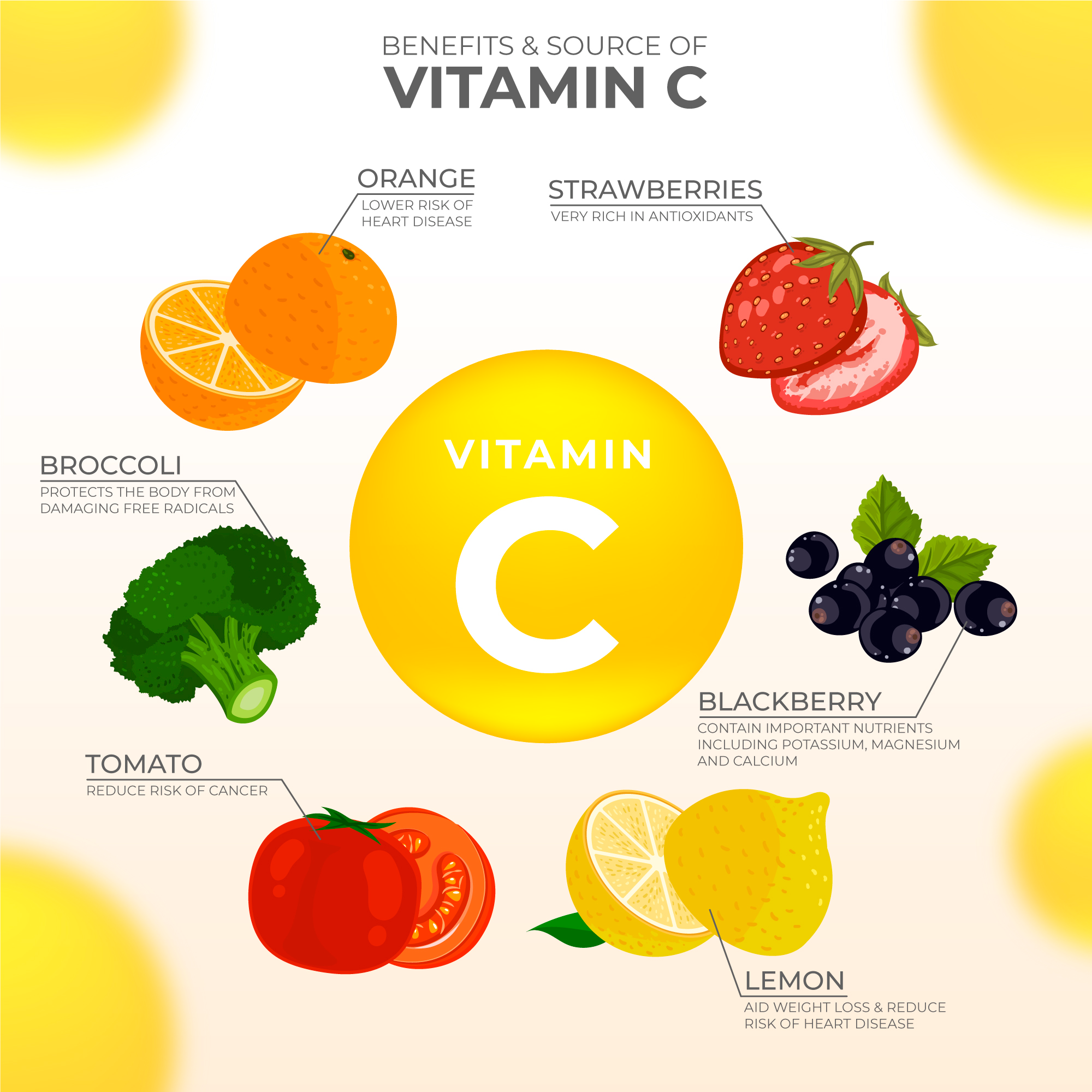
Vitamin C deficiency — recognise the signs, understand the causes, and learn the best food sources. Visit Prakash Hospital Noida for nutrition care.
26 Jun 2026
by Prakash Hospital


Book a consultation with Prakash Hospital's specialists — 24/7 emergency care, 100+ doctors, NABH accredited.
View All Departments