


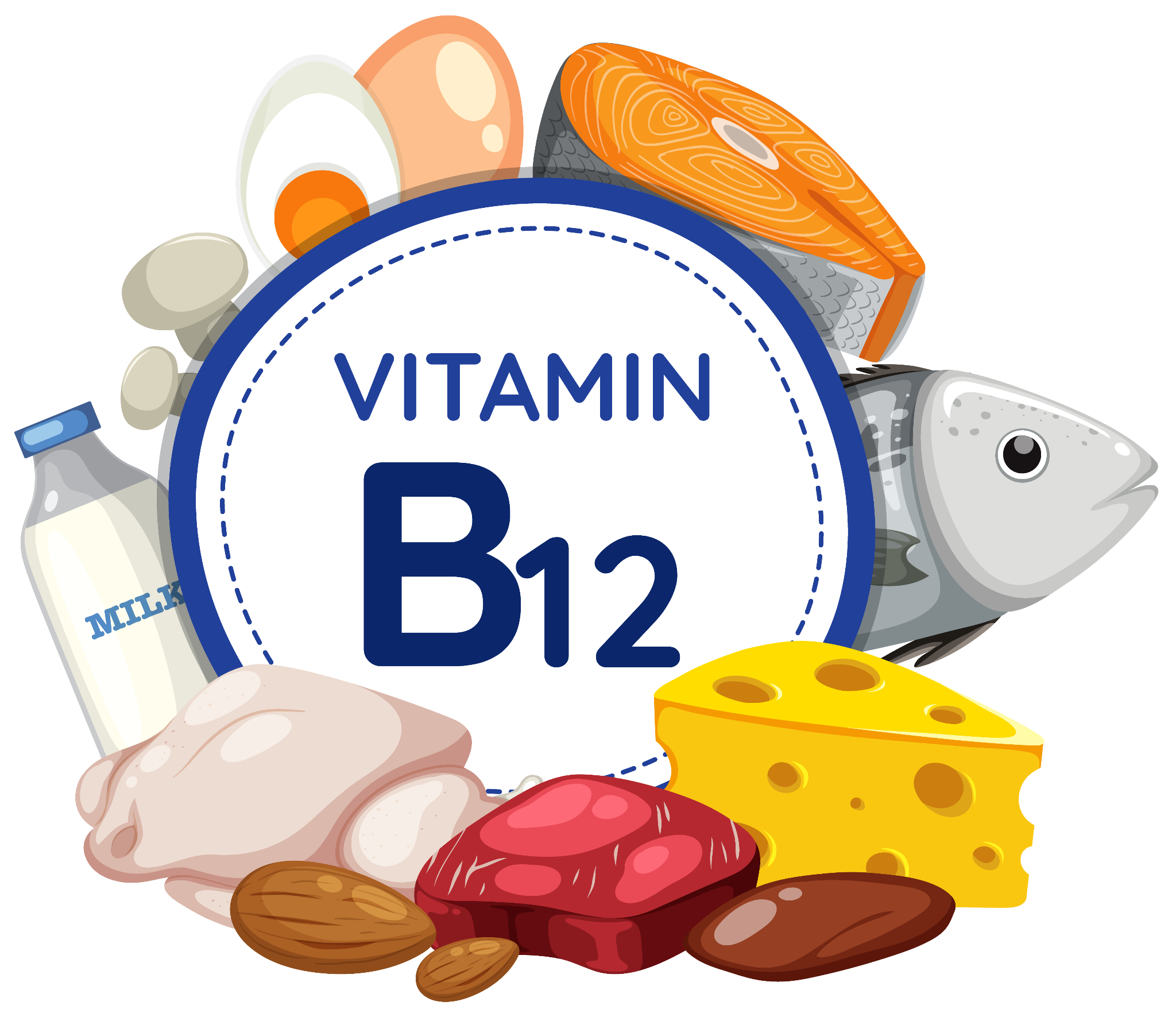
Vitamin B12 Deficiency: Symptoms, Risk Factors and What to Do
Vitamin B12 deficiency symptoms — tingling, fatigue, memory issues and more. Who's at risk in India and how to fix it. Prakash Hospital Noida.
30 Sept 2026
by Prakash Hospital
by Prakash Hospital

Foods rich in vitamin D for bone and immune health.
Vitamin D deficiency is one of the most common nutritional problems in India, and one of the most under-diagnosed. Studies consistently show that 70 to 90 percent of Indians have inadequate vitamin D levels. The deficiency runs across age groups, urban and rural, vegetarian and non-vegetarian — though the patterns vary.
The reason it goes undiagnosed so often is that the symptoms are non-specific. Tiredness. Body aches. Low mood. Frequent infections. Slow healing. These are exactly the kinds of symptoms most people attribute to stress, workload, or "just getting older." Many spend years living with vitamin D deficiency without ever knowing it.
This article explains the symptoms of vitamin D deficiency, why it happens, what the normal range looks like on a blood test, the foods that help, and how the deficiency is properly corrected.
Vitamin D is not really a vitamin in the strict sense. It functions more like a hormone. The body either makes it from sunlight on the skin or absorbs it from food and supplements. From there, it gets converted in the liver and kidneys into its active form, which acts on nearly every tissue in the body.
The active form of vitamin D helps the body absorb calcium and phosphorus, which keeps bones and teeth strong. It supports the immune system, helping fight off infections. It plays a role in muscle function, mood regulation, blood pressure, blood sugar control, and cell growth. Research has linked vitamin D status to many chronic conditions including type 2 diabetes, cardiovascular disease, autoimmune conditions, depression, certain cancers, and overall mortality.
The body needs ongoing supply. Stored vitamin D depletes over weeks to months without replenishment.
Vitamin D deficiency often produces no obvious symptoms in the early stages. Many people are deficient for years before any noticeable problem develops. When symptoms do appear, they can be subtle and easy to miss.
One of the most common symptoms. Persistent tiredness despite adequate sleep. A general feeling of being run down. Difficulty getting through the day without afternoon crashes.
Aching bones, particularly in the lower back, hips, and legs. Joint pain without obvious injury or inflammation. Mild but persistent body aches.
Difficulty climbing stairs. Trouble standing up from a low chair. Generally weaker than expected for your age and activity level. In older adults, this can contribute to falls.
Catching every cold that goes around. Recurring sinus infections, urinary tract infections, or skin infections. Slow recovery from minor illnesses. The immune system depends partly on vitamin D for proper function.
Cuts, bruises, and surgical wounds taking longer than expected to heal.
Persistent low mood. Increased anxiety. Symptoms of seasonal affective disorder. Difficulty concentrating. The link between vitamin D and mood is well established.
Excessive hair shedding, sometimes in patches. Severe deficiency has been linked to alopecia in some cases.
Difficulty falling asleep or staying asleep. Less restful sleep.
Over years, severe deficiency leads to softening of bones (osteomalacia in adults, rickets in children) and contributes to osteoporosis.
In children, severe deficiency can cause delayed development, bowed legs, soft skull bones, dental problems, and slowed growth.
Most people have several mild symptoms together rather than one severe one. The combination is what often prompts a doctor visit and a blood test.
The numbers are striking. Studies of Indian populations consistently find that 70 to 90 percent of adults have insufficient vitamin D levels, with the higher end of that range in urban populations.
The deficiency cuts across demographics. Office workers in Delhi NCR, women observing modest clothing traditions, vegetarians without sun exposure, elderly individuals with limited mobility, and even outdoor workers in heavily polluted cities all show deficiency rates well above the global average.
This is not a problem that primarily affects "other people." It is the most likely vitamin deficiency in any Indian household.
Several factors combine to produce the high deficiency rates seen in India.
Sunlight is the primary natural source of vitamin D. The body makes vitamin D when ultraviolet B (UVB) light hits the skin. Many modern lifestyles severely limit this exposure.
Indoor jobs in air-conditioned offices. Long commutes that happen before sunrise or after sunset. Heavy clothing that covers most of the skin. Use of sunscreen, which blocks UVB. Avoidance of midday sun because of heat or skin concerns. Cultural and religious practices that limit sun exposure.
For urban professionals, daily sun exposure may amount to walking from car to office. Over years, this adds up to significant vitamin D inadequacy.

A woman standing in sunlight with eyes closed, symbolizing natural vitamin D and immune health.
Air pollution, particularly the heavy smog in cities like Delhi NCR during winter months, blocks much of the UVB radiation that produces vitamin D. Even people who spend time outdoors in polluted cities may not produce adequate vitamin D.
Melanin, the pigment that gives skin its colour, also blocks UVB. People with darker skin need longer sun exposure to produce the same amount of vitamin D as people with lighter skin. South Asians fall into this category and need more sun than European populations.
Northern India experiences shorter days and weaker sun in winter, reducing vitamin D production. Even southern India sees seasonal variation.
The natural food sources of vitamin D are mostly non-vegetarian — fatty fish, egg yolks, cod liver oil. Strict vegetarians have limited dietary options for vitamin D, relying on fortified products and sun-exposed mushrooms.
The skin's ability to produce vitamin D from sunlight decreases with age. Older adults often spend less time outdoors. Both factors contribute to higher deficiency rates in the elderly.
Vitamin D is fat-soluble. In people with significant obesity, vitamin D gets sequestered in fat tissue rather than circulating in the blood where it can be used. Obese individuals often need higher intake to maintain adequate blood levels.
Conditions that affect fat absorption — celiac disease, Crohn's disease, cystic fibrosis, gastric bypass surgery — interfere with dietary vitamin D absorption.
Kidney disease and liver disease interfere with vitamin D activation.
Certain medications affect vitamin D metabolism — anti-seizure drugs, glucocorticoids, weight-loss drugs that block fat absorption, and some others.
Even non-vegetarians often do not eat enough fatty fish or fortified products to maintain vitamin D levels through diet alone, especially when sun exposure is limited.
The standard blood test is 25-hydroxyvitamin D. This measures the storage form of vitamin D in your blood.
The widely accepted ranges are:
Less than 20 ng/mL — Deficient. Definite supplementation is usually needed.
20 to 29 ng/mL — Insufficient. Improvement is appropriate.
30 to 100 ng/mL — Adequate. The target range for most people.
More than 100 ng/mL — Potentially excessive. May approach toxicity at very high levels.
Many doctors prefer their patients to be in the 50 to 80 ng/mL range rather than just at the lower end of "adequate," because the optimal range for some functions (immune support, cancer prevention, mental health) may be higher than the minimum needed for bone health alone.
The test is simple, does not require fasting, and gives a clear picture of where you actually stand.
The foods that meaningfully address vitamin D deficiency are limited but useful.
Fatty fish — salmon (600 to 1000 IU per 100 grams), mackerel (300 to 500 IU), sardines (200 IU), tuna (200 to 300 IU), trout (645 IU per 3 ounces). Two servings per week makes a meaningful contribution.
Cod liver oil — about 1360 IU per tablespoon. The most concentrated dietary source. Available as capsules.
Egg yolks — 40 to 50 IU per yolk. Eating two eggs daily adds about 100 IU.
UV-exposed mushrooms — the vegetarian standout. Sun-exposing mushrooms before cooking can raise their vitamin D content from 10 to 50 IU per 100 grams to 400 to 2000 IU or more.
Fortified milk — 100 to 120 IU per glass.
Fortified plant milks — soy, almond, oat. Similar amounts to fortified dairy milk.
Fortified cereals — 40 to 100 IU per serving.
Fortified orange juice — 100 IU per glass when fortified.
Fortified yogurt and tofu — useful but vary by brand.
A combination of these foods in daily eating delivers a substantial baseline. For non-vegetarians who eat fatty fish twice a week and eggs daily, dietary vitamin D can be adequate. For vegetarians, the contribution is smaller but still important.
For most people, sunlight is the most effective way to maintain vitamin D status.
15 to 20 minutes of direct sun exposure on the hands, face, and lower legs, several times per week, produces meaningful vitamin D in lighter skin types.
Longer exposure is needed for darker skin — 30 to 45 minutes is more realistic for South Asians.
Midday sun (around 11 AM to 2 PM) produces more vitamin D than morning or evening sun because UVB radiation is more intense.
Sunscreen blocks UVB and reduces vitamin D production. A reasonable approach is to expose skin briefly without sunscreen, then apply sunscreen if staying out longer.
Window glass blocks UVB. Sitting near a window indoors does not produce vitamin D.
Pollution reduces UVB, especially in winter smog. Sun exposure on cleaner-air days is more effective.
Burning provides no benefit. The goal is brief, regular exposure, not extended baking in the sun.
For people with diagnosed vitamin D deficiency on a blood test, supplements are usually necessary alongside dietary and lifestyle changes.
Standard protocols include:
Maintenance dose — 1000 to 2000 IU daily of vitamin D3 for people in the adequate range who want to stay there.
Mild deficiency — 2000 to 4000 IU daily for several weeks, followed by a re-test.
Severe deficiency — high-dose therapy such as 60,000 IU weekly for 8 to 12 weeks under medical supervision, followed by maintenance dosing.
Vegetarian D3 supplements derived from lichen are now widely available for those who prefer not to use animal-sourced D3.
Self-supplementing high doses without medical guidance is not advisable. Vitamin D toxicity, though rare, can occur with excessive intake and causes high blood calcium levels that can damage kidneys and blood vessels.
A blood test to confirm deficiency, a doctor-prescribed protocol, and a re-test after a few months is the standard approach.

Sunlight and vitamin D supplements representing natural and medical sources of vitamin D
Correction takes weeks to months depending on starting levels and the protocol used.
For severe deficiency, blood levels typically rise into the adequate range within 8 to 12 weeks of high-dose therapy.
For mild deficiency, lower-dose supplements over a few months usually work.
After correction, maintenance becomes the ongoing task — through some combination of sun, diet, and lower-dose supplementation.
People who improve their levels often notice meaningful changes in energy, mood, body aches, and immune function within a few weeks. The benefits accrue gradually rather than overnight.
Pregnant and breastfeeding women have higher vitamin D needs. Deficiency during pregnancy is linked to gestational diabetes, pre-eclampsia, and adverse outcomes for the baby. Testing and supplementation are standard parts of prenatal care.
Children especially in urban areas often have inadequate vitamin D because outdoor play has reduced. Pediatricians increasingly check vitamin D status during routine checkups.
Older adults have reduced skin synthesis and often need supplementation along with dietary attention.
People with darker skin need more sun exposure to produce the same amount of vitamin D as people with lighter skin.
People with obesity often need higher doses of vitamin D because of how the vitamin distributes in body tissues.
People with malabsorption conditions need careful management and often higher supplementation.
"Vitamin D deficiency is rare." It is one of the most common nutritional deficiencies globally, and especially common in India.
"You cannot be deficient if you go outside sometimes." Brief outdoor moments in heavy clothing or polluted air may not produce adequate vitamin D.
"Vitamins from food alone cover everything." For vitamin D, this is rarely true, especially for vegetarians.
"More vitamin D is always better." No. Excessive intake from supplements can cause toxicity. The optimal range is real and important.
"Once corrected, you do not need to worry again." Maintenance is ongoing. Levels can drop again without continued attention.
A doctor visit is appropriate if you have persistent fatigue, body aches, frequent infections, low mood, slow healing, or other suspected deficiency symptoms. Annual checkups for high-risk groups make sense even without symptoms.
A simple blood test gives a clear answer. From there, the management plan is straightforward.
Working professionals in Noida and Greater Noida sit in the highest-risk group for vitamin D deficiency. Long indoor hours, AC environments, severe pollution that blocks UVB, modest outdoor time, and largely vegetarian diets combine to drive deficiency rates well above the already-high Indian average.
Annual testing should be routine. Sun exposure on cleaner days, fortified products in the diet, and supplements when prescribed make a meaningful difference.
At Prakash Hospital, Noida, experienced doctors and dieticians offer vitamin D testing, personalised dietary planning, and supplement guidance. The approach includes a thorough check of related factors — calcium, magnesium, bone health markers — to give a complete picture of nutritional status.
Whether you are in Sector 18, Sector 62, Greater Noida West, or anywhere nearby, Prakash Hospital Noida is a trusted name for nutrition and health checkups.
To book a consultation, call the number.
Vitamin D deficiency is widespread, under-diagnosed, and easily addressed once identified. The symptoms — fatigue, body aches, low immunity, mood changes, slow healing — often get attributed to stress or workload when the real cause is a simple nutritional shortfall.
The path forward is straightforward. Get a blood test for 25-hydroxyvitamin D. If the level is below the optimal range, work with your doctor on a correction plan that combines dietary changes, sun exposure, and supplements where needed. Re-test after a few months to confirm improvement.
Vitamin D status influences energy, mood, immunity, bone health, and long-term disease risk in ways that often only become apparent after correction. The investment in getting this right pays off across many aspects of daily life and long-term health.

Replaces a knee worn out by arthritis with a metal and plastic joint to relieve pain and get you walking again.
A magnified check of the cervix after an abnormal Pap or HPV test, with a small biopsy if needed.
Home dialysis that uses the lining of the abdomen as a filter, with fluid exchanged through a soft tube every day.
Free tools to check your weight, plan a pregnancy, track calories and more.
We offer expert care across key specialties, including Medicine, Cardiology, Orthopaedics, ENT, Gynaecology, and more—delivering trusted treatment under one roof.
Vitamin B12 deficiency symptoms — tingling, fatigue, memory issues and more. Who's at risk in India and how to fix it. Prakash Hospital Noida.
30 Sept 2026
by Prakash Hospital
Which vitamin deficiencies cause hair fall — iron, vitamin D, B12, and zinc. How to test and fix them. Prakash Hospital Noida.
4 Sept 2026
by Prakash Hospital
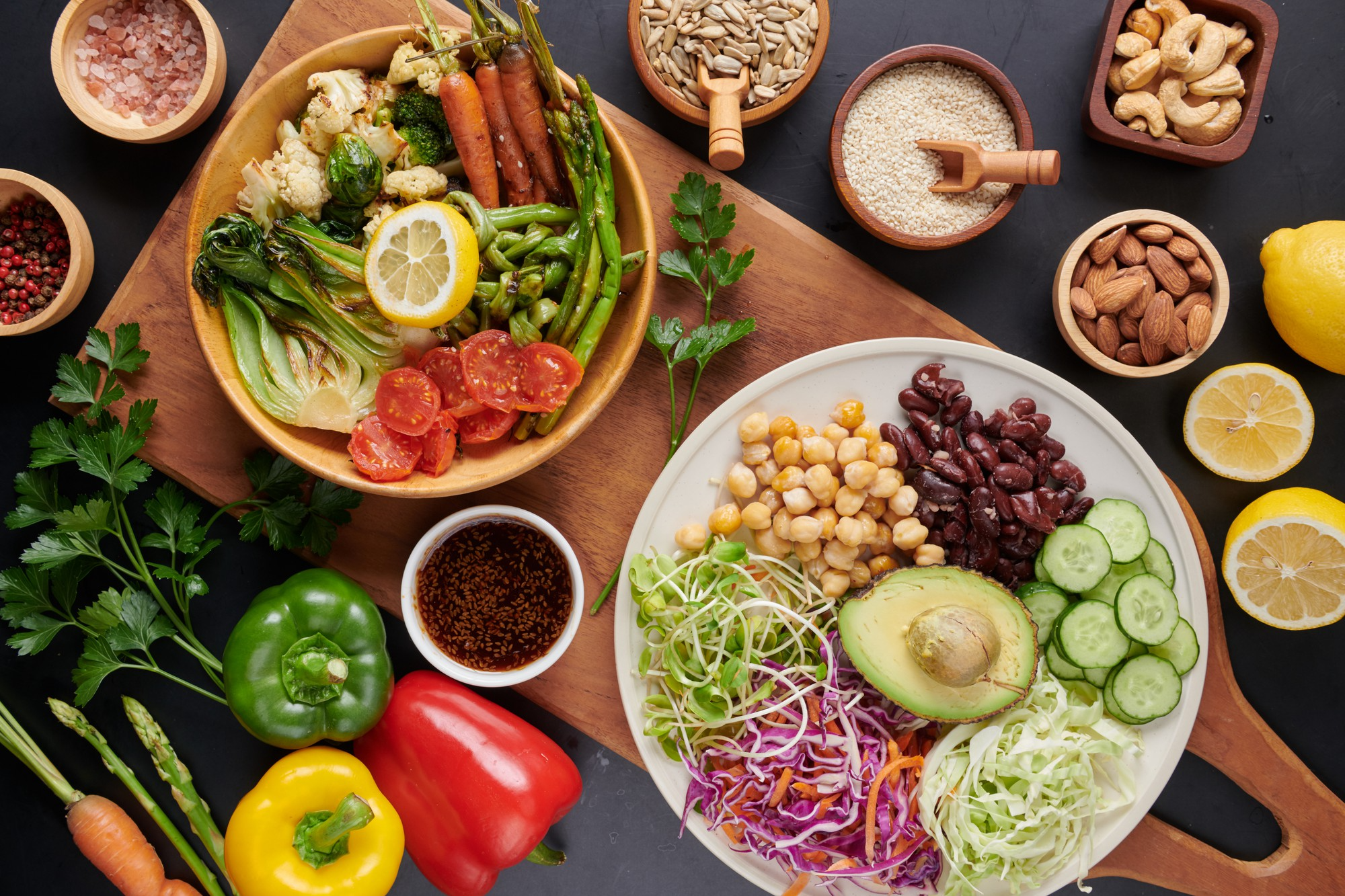
Best Indian foods for strong bones — calcium-rich foods, vitamin D sources, and lifestyle habits to prevent bone loss. Prakash Hospital Noida.
31 Aug 2026
by Prakash Hospital

जानिए थायरॉइड टेस्ट कब करवाना चाहिए, किन लक्षणों में जांच जरूरी है, और कौन-कौन से टेस्ट होते हैं। सही समय पर Prakash Hospital से संपर्क करें।
2 Mar 2026
by Prakash Hospital

Discover what causes insulin resistance and how diet, exercise, sleep, and lifestyle changes can help you take control of your health
9 Apr 2026
by Prakash Hospital

Low testosterone symptoms — fatigue, low libido, mood changes and more. Causes, when to get a morning blood test, and treatment. Prakash Hospital Noida.
6 Oct 2026
by Prakash Hospital
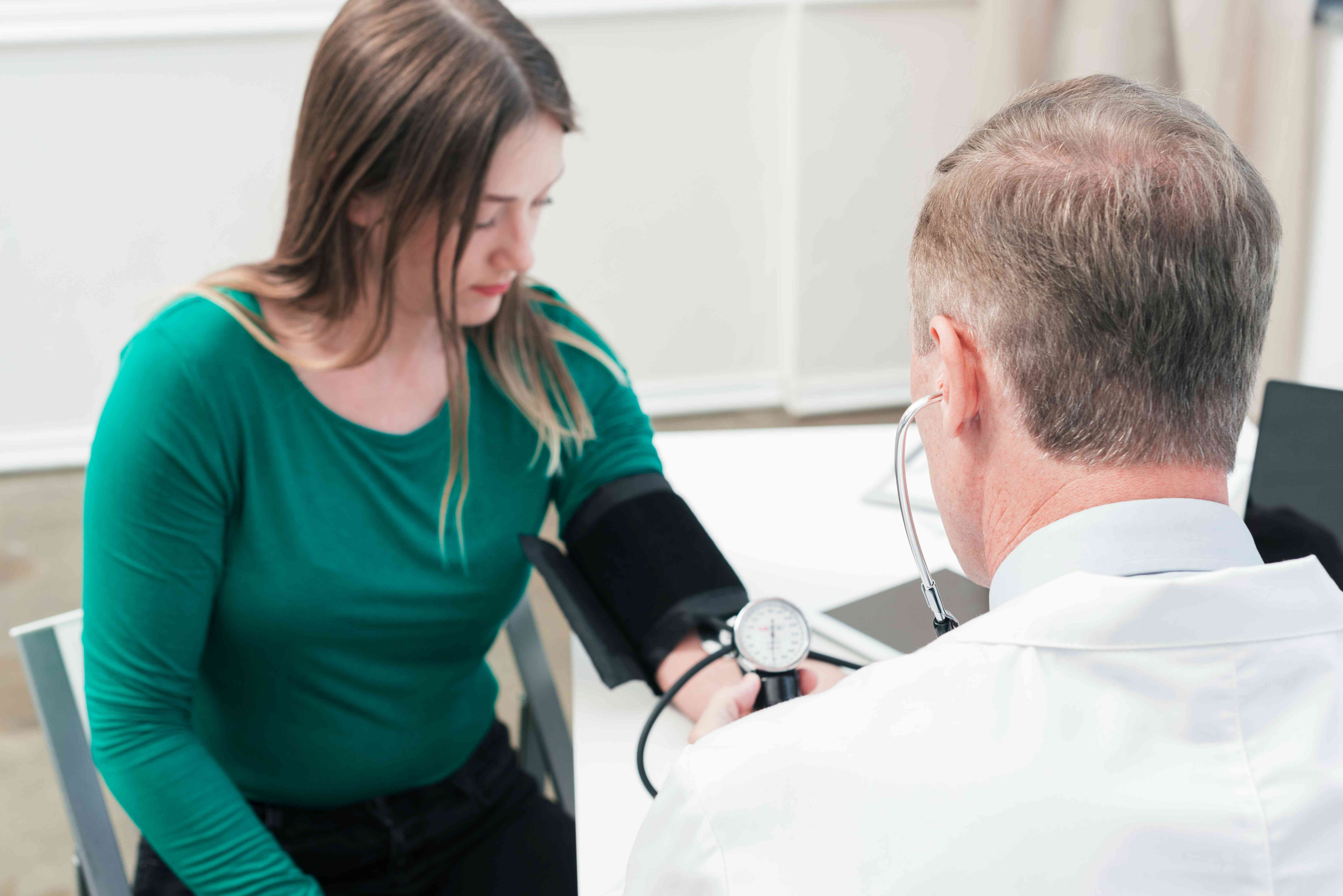
High blood pressure affects millions silently. Know symptoms, treatment, and lifestyle changes. Visit Prakash Hospital Noida.
22 Jul 2026
by Prakash Hospital

Vitamin D rich foods — a complete list of the best dietary sources, from fish and eggs to fortified foods and mushrooms. Visit Prakash Hospital Noida for health checkups.
21 May 2026
by Prakash Hospital

Learn the early symptoms of thyroid problems in women, common causes, and when to seek medical advice for timely diagnosis and treatment.
13 May 2026
by Prakash Hospital


Book a consultation with Prakash Hospital's specialists — 24/7 emergency care, 100+ doctors, NABH accredited.
View All Departments