


Vitamin B12 Deficiency: Symptoms, Risk Factors and What to Do
Vitamin B12 deficiency symptoms — tingling, fatigue, memory issues and more. Who's at risk in India and how to fix it. Prakash Hospital Noida.
30 Sept 2026
by Prakash Hospital
by Prakash Hospital

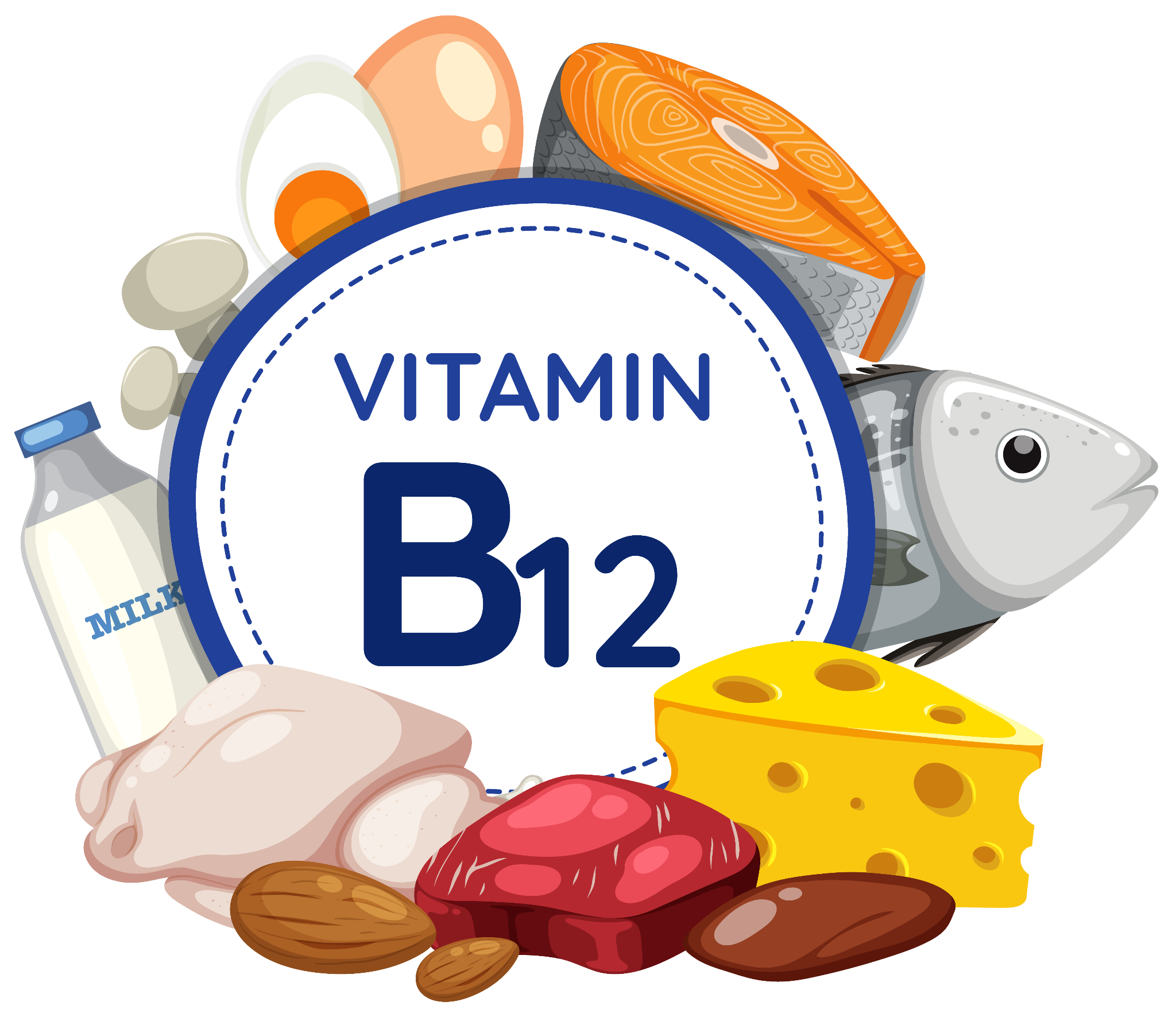
Illustration of Vitamin D sources, including fish, milk, cheese, eggs, mushrooms, and oil.
Vitamin D is one of the most talked-about nutrients in India today, and for good reason. Studies repeatedly show that 70 to 90 percent of Indians have insufficient vitamin D levels, often without realising it. The symptoms — fatigue, body aches, low immunity, mood changes, slow healing — get attributed to stress or workload, when the real cause may simply be a lack of vitamin D.
The honest truth about vitamin D and food is this: very few foods naturally contain meaningful amounts of vitamin D. Sunlight remains the body's primary source. But for people who do not get enough sun — and that is most modern Indians — dietary sources become important. Knowing exactly which foods provide vitamin D and how much they offer is the first step in addressing a deficiency.
This article lists every meaningful dietary source of vitamin D, explains how much each provides, and shows how to combine these foods practically.
Before getting to the foods, a quick reminder of why this nutrient deserves attention.
Vitamin D helps the body absorb calcium and phosphorus, which keeps bones and teeth strong. It supports the immune system, helping the body fight infections. It plays a role in muscle function, mood regulation, cardiovascular health, and insulin sensitivity. Research links vitamin D status to many chronic conditions including diabetes, heart disease, depression, and certain cancers.
The recommended daily intake for most adults is 600 to 1000 IU, depending on age and individual factors. Older adults and people at higher risk of deficiency may need more, often under medical supervision.
Now, the foods that actually deliver vitamin D.
Fatty fish are the single richest natural source of vitamin D. If you eat fish, this is your most reliable food-based way to maintain vitamin D levels.
Salmon is the standout. A 100-gram serving of wild salmon provides around 600 to 1000 IU of vitamin D, which is more than the daily requirement in a single portion. Farmed salmon contains less but is still a good source.
Sardines offer about 200 IU per 100-gram serving. They are also inexpensive and easy to find in tinned form.
Mackerel provides 300 to 500 IU per 100-gram serving.
Tuna contains around 200 to 300 IU per 100-gram serving. Canned tuna in oil retains more vitamin D than canned in water.
Rainbow trout offers around 645 IU per 3-ounce serving — one of the most concentrated dietary sources.
Herring provides about 200 IU per 100-gram serving.
The most concentrated dietary source of vitamin D. A single tablespoon provides around 1360 IU — more than the daily requirement. It also contains vitamin A and omega-3 fatty acids. The taste is strong, but capsule forms are widely available.
Two large eggs provide about 80 to 100 IU of vitamin D, almost entirely from the yolk. Eating only egg whites discards the vitamin D entirely. Free-range eggs from chickens raised outdoors tend to have higher vitamin D content than commercial eggs.
A 100-gram serving provides about 42 IU. Not the highest source, but liver also offers iron, protein, vitamin B12, and vitamin A. Cultural and preference factors limit how often Indians eat liver, but it remains a useful inclusion for those who enjoy it.
The only plant-based food that naturally contains vitamin D. Mushrooms produce vitamin D when exposed to ultraviolet light, the same way human skin does.
The amount depends entirely on whether the mushroom has been exposed to UV light. Most commercial mushrooms in India are grown indoors in dark conditions and contain very little vitamin D — perhaps 10 to 50 IU per 100 grams.
Sun-exposed mushrooms, however, can contain 400 to 2000 IU per 100-gram serving. The simple practice of leaving mushrooms in direct sunlight for 15 to 30 minutes before cooking — gills facing up — dramatically increases their vitamin D content.
Maitake mushrooms are particularly vitamin D-rich when exposed to UV light, sometimes exceeding 2000 IU per serving. Portobello mushrooms are also good. Shiitake and button mushrooms respond well to sun exposure too.
This is the single most important tip for vegetarians wanting to get more vitamin D from food.
These are foods that do not naturally contain meaningful vitamin D but have it added during processing. Reading labels matters here — only foods specifically labelled "fortified" provide the added vitamin D.
Many milk brands in India now add vitamin D. A 250 ml serving of fortified milk provides around 100 to 120 IU. Look for "Fortified with Vitamin D" on the packaging.
Soy, almond, oat, and rice milks marketed in modern grocery stores are often fortified. A typical serving provides 100 to 140 IU. These are good options for vegans and lactose-intolerant individuals.
Some orange juice brands fortify with vitamin D. A glass typically provides around 100 IU. Read labels — most fresh-squeezed juice does not contain any added vitamin D.
Breakfast cereals are often fortified with multiple vitamins including vitamin D. A typical serving provides 40 to 100 IU. Choose whole-grain varieties with low added sugar to get the benefit without the downsides.
Some yogurts now include added vitamin D. Check the label for confirmation.
Some spreads include vitamin D. Read the nutrition label.
Some brands of tofu are fortified with vitamin D, providing up to 140 IU per serving. This makes tofu a useful protein-and-vitamin-D combination for vegetarians.
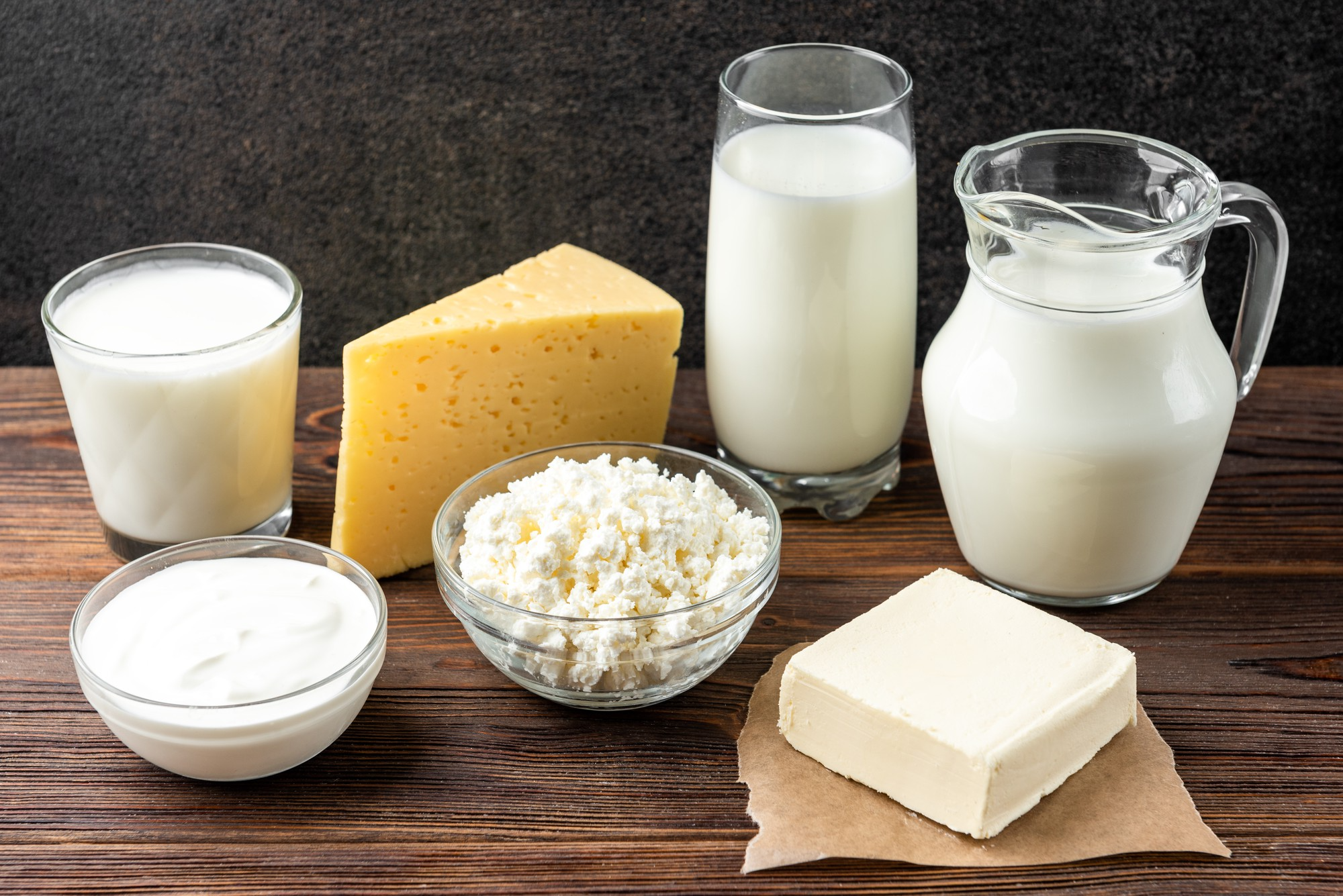
Sources of calcium including milk, cheese, yogurt, dairy products and fortified foods.
These foods provide some vitamin D, but in smaller quantities. They contribute to overall intake without being primary sources.
Cheese, particularly aged varieties like Swiss, provides small amounts — usually under 25 IU per serving.
Pork provides modest amounts.
Caviar is a concentrated source for those who consume it.
This is where the most confusion exists.
Almost no fruits or vegetables naturally contain vitamin D. Articles online list bananas, oranges, spinach, broccoli, and other items as "vitamin D rich" — most of this is misleading or outright wrong.
What these foods actually provide are nutrients that support vitamin D function — calcium, magnesium, vitamin K, and healthy fats. They are part of a healthy diet but not vitamin D sources.
The only exception in the produce aisle is mushrooms, and only when they have been exposed to UV light.
The practical question is how to combine these foods to meet daily needs.
A vegetarian who eats eggs and dairy might combine:
That combination provides roughly 480 to 680 IU — close to the daily requirement.
A non-vegetarian could meet the daily requirement easily by including:
A strict vegan needs to work harder, relying on:
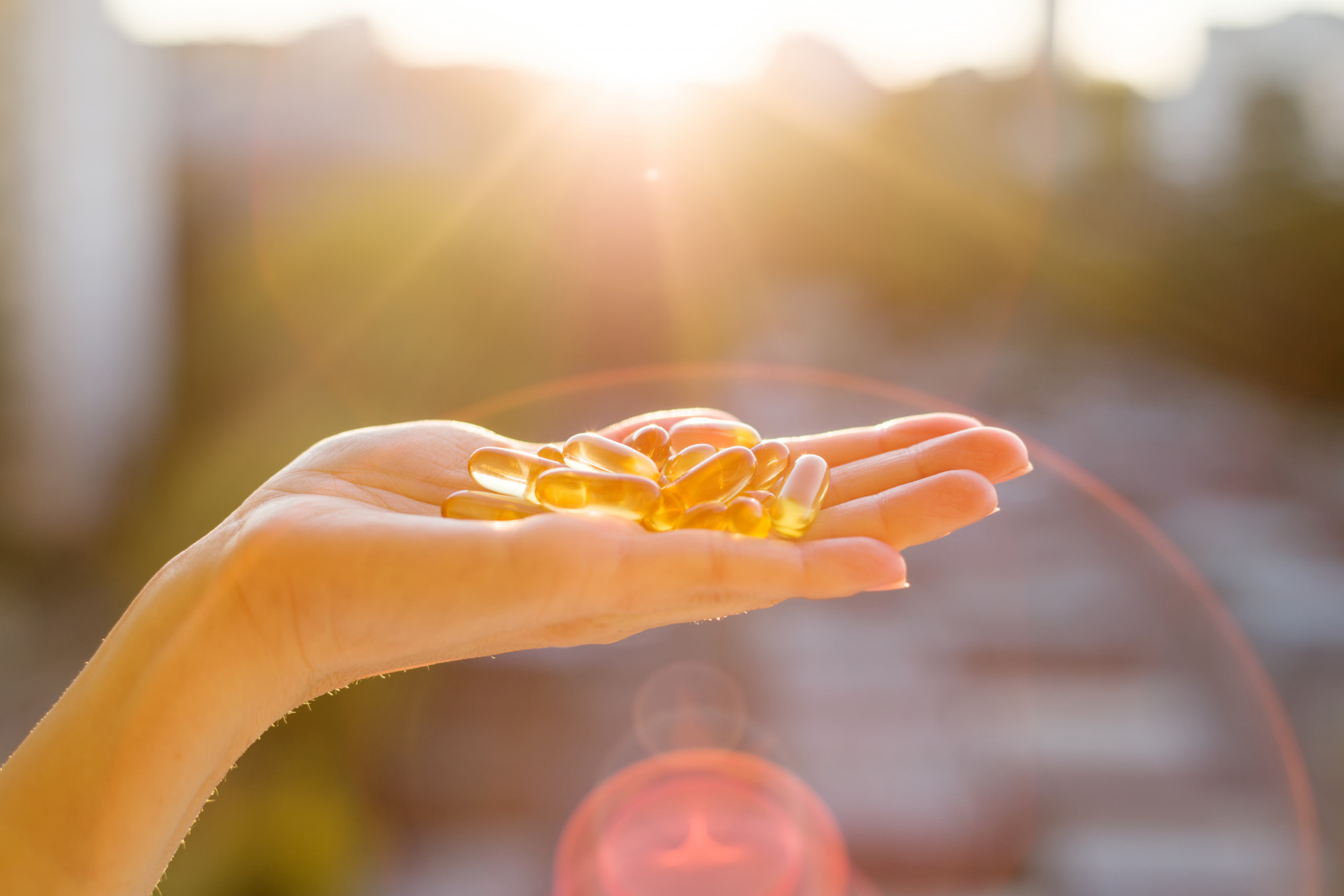
Sunlight and vitamin D supplements representing natural and medical sources of vitamin D
This is important context. Even the richest dietary sources usually provide a few hundred IU per serving. Sunlight on exposed skin can produce 10,000 IU or more in a short window. For most people, food alone cannot fully replace adequate sun exposure.
Fifteen to twenty minutes of direct sunlight on the hands, face, and lower legs, several times per week, remains the most effective source of vitamin D for most adults. Diet supplements this rather than replaces it.
Many Indians have lifestyles that severely limit sun exposure — indoor offices, AC environments, heavy clothing coverage, sunscreen use, and the heavy smog of cities like Delhi NCR that blocks UV light.
For these people, food alone usually cannot meet vitamin D needs. A blood test for 25-hydroxyvitamin D measures the actual level. If it comes back low, a doctor will typically prescribe supplements alongside dietary and lifestyle recommendations.
The optimal blood level is generally 30 to 100 ng/mL. Levels below 20 are considered deficient. Many doctors aim for 50 to 80 ng/mL.
Eat fatty fish twice a week if you are non-vegetarian. This single habit covers a large part of weekly needs.
Sun-expose your mushrooms before cooking. The vitamin D content jumps several-fold for almost no extra effort.
Read labels carefully. Only foods specifically labelled "Fortified with Vitamin D" provide added amounts. Most generic milk, juice, and cereal do not contain meaningful vitamin D.
Eat the whole egg. The yolk is where the vitamin D sits.
Combine with healthy fats. Vitamin D is fat-soluble, so absorption improves when eaten with some fat — olive oil, ghee, nuts, or avocado.
Choose whole-food sources over heavily processed fortified products when possible. A salmon dinner does more than a sugary fortified cereal.
Pregnant and breastfeeding women have higher vitamin D needs. Diet alone usually does not meet them. Supplementation under a doctor's guidance is common.
Children need adequate vitamin D for bone development. Fortified milk, eggs, and outdoor play together usually meet needs.
Older adults lose some ability to make vitamin D from sunlight and often need both dietary attention and supplementation.
Strict vegans typically need supplements unless they consistently consume UV-exposed mushrooms and several fortified products daily.
People with darker skin need more sun exposure than people with lighter skin to make the same amount of vitamin D. Dietary and supplemental support is often needed.
1. "Bananas are rich in vitamin D."
No. They have magnesium, which supports vitamin D function, but contain no vitamin D themselves.
2. "All milk has vitamin D."
Only fortified milk does. Plain dairy contains negligible amounts.
3. "Vegetables can replace sunlight."
They cannot, with the partial exception of UV-exposed mushrooms.
4. "Eating more eggs cures deficiency."
Eggs help but rarely cure deficiency by themselves. Combination of sun, diet, and sometimes supplements is needed.
5. "Sun-exposed mushrooms are the same as regular mushrooms."
They are dramatically different in vitamin D content.
Most foods do not actively reduce vitamin D, but some habits do.
Excessive caffeine may reduce calcium absorption, indirectly affecting bone health.
Highly processed foods often crowd out nutrient-rich foods and contribute to inflammation, which interferes with overall vitamin function.
Heavy alcohol affects liver function, which is needed to activate vitamin D.
A 25-hydroxyvitamin D blood test is useful if you have persistent fatigue, bone or joint pain, frequent infections, low mood, or other suspected deficiency symptoms. It is also recommended for people in high-risk groups — those who spend little time outdoors, vegans, older adults, pregnant women, and people with conditions affecting absorption.
The test is simple, does not require fasting, and gives a clear answer.
Noida and the Delhi NCR region present a perfect storm for vitamin D deficiency. Indoor office culture, AC environments, severe pollution that blocks UV light for much of the year, heavy clothing during winter, and a largely vegetarian population all combine to drive deficiency rates very high. Estimates suggest that the majority of working professionals in NCR are vitamin D deficient.
Practical adaptations include getting outdoor sunlight during the cleaner-air days, choosing fortified products consistently, including eggs and mushrooms regularly, and getting tested annually to know where you stand.
At Prakash Hospital, Noida, experienced doctors and dieticians offer vitamin D testing, personalised dietary planning, supplementation when needed, and long-term monitoring. The hospital approaches vitamin D as part of overall health, not in isolation.
Whether you are in Sector 18, Sector 62, Greater Noida West, or anywhere nearby, Prakash Hospital Noida is a trusted name for nutrition and health checkups.
Vitamin D matters more than most people realise, and the food sources are fewer than the marketing suggests.
The reliable dietary sources are fatty fish, egg yolks, UV-exposed mushrooms, cod liver oil, fortified milk and plant milks, fortified cereals, and fortified juices. Everything else is supporting cast.
For most people, a combination of regular sun exposure, smart dietary choices, and — when needed — supplementation prescribed by a doctor is what actually maintains healthy vitamin D levels.
Start with a blood test if you suspect deficiency. Build dietary habits that include the foods listed in this article. Get sunlight where you can. The benefits show up in energy, mood, immunity, bone health, and overall wellbeing.

Removes an inflamed appendix through three small cuts, usually with one or two nights in hospital.
Removes enlarged adenoids that block a child's nose, disturb sleep or keep causing ear infections.
An ultrasound of the heart that shows how well it pumps and how the valves work. Painless and radiation-free.
Free tools to check your weight, plan a pregnancy, track calories and more.
We offer expert care across key specialties, including Medicine, Cardiology, Orthopaedics, ENT, Gynaecology, and more—delivering trusted treatment under one roof.
Vitamin B12 deficiency symptoms — tingling, fatigue, memory issues and more. Who's at risk in India and how to fix it. Prakash Hospital Noida.
30 Sept 2026
by Prakash Hospital
Vitamin D rich vegetables and fruits — what actually contains vitamin D and what is myth. Visit Prakash Hospital Noida for nutrition guidance.
30 Jun 2026
by Prakash Hospital
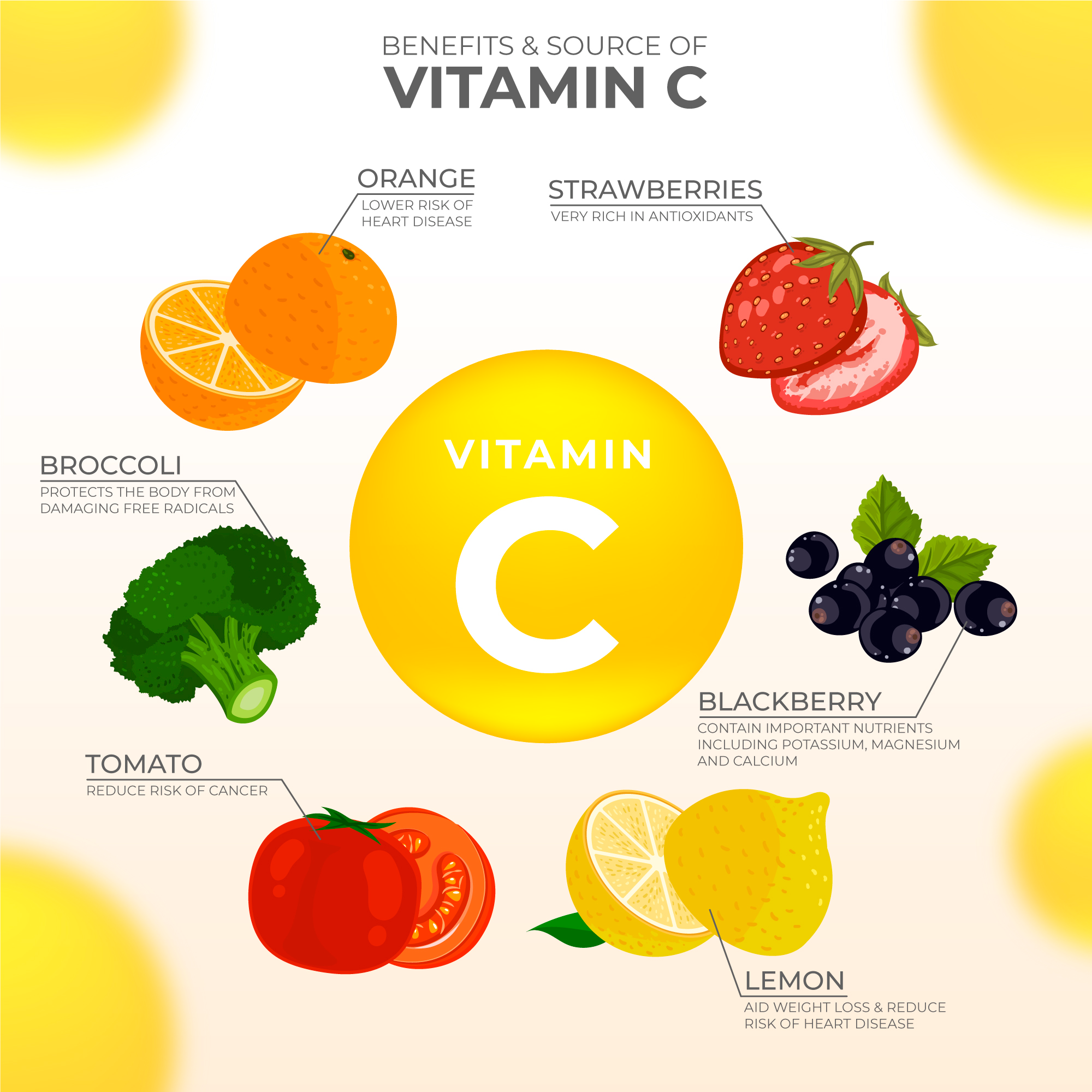
Vitamin C deficiency — recognise the signs, understand the causes, and learn the best food sources. Visit Prakash Hospital Noida for nutrition care.
26 Jun 2026
by Prakash Hospital

Comprehensive guide on lowering high blood pressure naturally through diet, exercise, weight control, and medical monitoring.
24 Feb 2026
by Prakash Hospital
Practical ways to lower blood pressure naturally through diet, exercise, and lifestyle — plus when medication is needed. Prakash Hospital Noida.
5 Aug 2026
by Prakash Hospital

जानिए लो हीमोग्लोबिन का दिल की सेहत पर क्या प्रभाव पड़ता है। इसके कारण, लक्षण और समय पर इलाज व सही खानपान से कैसे बचाव किया जा सकता है, सरल भाषा में समझें।
6 May 2026
by Prakash Hospital

Vitamin D deficiency — recognise the symptoms, understand the causes, and learn how to correct it. Visit Prakash Hospital Noida for testing and treatment.
29 May 2026
by Prakash Hospital

Monsoon brings dengue, malaria, viral fever, and gut infections. Here's how to strengthen your immunity before and during the season. Prakash Hospital Noida.
18 Aug 2026
by Prakash Hospital

Top 10 vitamin D foods ranked by content — practical sources for daily intake. Visit Prakash Hospital Noida for health checkups and nutrition guidance.
10 Jun 2026
by Prakash Hospital


Book a consultation with Prakash Hospital's specialists — 24/7 emergency care, 100+ doctors, NABH accredited.
View All Departments