



Nutrition During Pregnancy: Best Foods to Eat & Avoid for a Healthy Baby
Learn what to eat and avoid during pregnancy with expert-approved nutrition tips for a healthy mother and baby.
25 Nov 2025
by Prakash Hospital
by Prakash Hospital
A metabolic disorder, diabetes mellitus or chronic hyperglycemia caused by a lack or impaired action of insulin results in complications. One of the pillars of its treatment and management, medical nutrition therapy, has shown critical significance for managing the disorder and its complications.
An appropriate diet plan for diabetic patients involves the control of blood glucose levels, insulin sensitivity, body weights as well as cardiovascular risks.
Carbohydrate metabolism has a direct effect on postprandial blood glucose levels. When carbohydrates are ingested, after a certain process, glucose is secreted directly into the bloodstream. In diabetes, high blood glucose levels are present due to insufficient insulin.
Dietary modification aids in:
Nutritional planning should be based on different age groups, BMI, levels of physical activity, presence of comorbidities and type of diabetes.
There is no universal diet for all diabetic patients, but general medical recommendations suggest:
It is more about the quality of macronutrients than the quantity.
They should come mainly from high-fiber, low-glycemic index sources.
Glycemic Index and Glycemic Load refers to a measure on a scale that ranks various foods by how quickly they raise blood sugar levels. Low-GI foods, scoring 55 or less, cause a slower release of glucose and are chosen in diabetes management.
Low-GI carbohydrate sources include:
Refined carbohydrates, like white bread, maida products and sweet cereals are a complete no because they elevate your glucose very quickly.
Fiber helps to slow the rate of absorption of glucose into the bloodstream and enhances the response to insulin. It is generally recommended to consume between 25-35 grams of fiber daily.
Foods rich in fiber include:
An increase in dietary fiber intake is associated with improved glycemic and cardiovascular risk control.
Aids in the maintenance of muscle mass and it satisfies hunger, thus preventing overeating. However, excessive protein consumption needs to be controlled among patients with diabetic kidney disease.
Healthy sources of protein include:
The protein intake must be balanced for patients with renal problems.
Diabetic patients are at higher risk of cardiovascular disease. Therefore, fat quality is crucial.
Prefer:
Limit:
Replacing saturated fats with unsaturated fats improves lipid profile and reduces heart risk.
Fruits contain natural sugars but also provide fiber, vitamins and antioxidants. Portion control is essential. Low-to-moderate GI fruits such as apple, pear, guava, orange, and berries are safer options. Fruit juices should be avoided because they lack fiber and cause rapid blood sugar elevation.
Some food products have the potential to adversely affect glycemic control.
These foods cause an increase in blood sugar as well as cardiovascular risk.
Following a regular schedule helps in improving the efficiency of insulin, which in turn reduces glycemic fluctuations. Missed meals could lead to episodes of hypoglycemia, followed by hyperglycemia.
Practical strategies include:
The “Diabetes Plate Method” states:
It improves insulin sensitivity through calorie restriction and weight reduction and may even reverse early Type 2 diabetes.
Avoid very restrictive diets; emphasize good nutrition and the prevention of hypoglycemia.
Some medical conditions may require changes in protein and sodium intake under the supervision of a healthcare professional.
Dietary recommendations should be modified according to:
This will definitely ensure a safe and effective dietary management through regular follow-up with a physician or clinical nutritionist.

Glucometer screen showing blood sugar reading from a fasting test.
No. Carbohydrates are essential for energy. The focus should be on complex, low-GI carbohydrates in controlled portions.
It may not be suitable for all patients, especially those on insulin or certain medications. Medical supervision is required.
Added sugars should be minimized as much as possible. Natural sugars from whole fruits in moderation are acceptable.
Yes. Proper dietary management combined with exercise and medication can significantly lower HbA1c.
Medical nutrition therapy is also one of the fundamental aspects of managing diabetes. Scientifically formulated diets can include carbohydrates with low glycemic index, fiber, protein and fats. This can provide stability in blood sugar levels.
Diet plans should always be customized and monitored by a healthcare team for optimal metabolic results.
At Prakash Hospital, our group of physicians and clinical nutritionists offers total care in managing diabetes, including diet planning, metabolic investigations, and long-term complications.
Schedule a consultation today for structured, evidence-based management of your diabetes and improve your quality of life.

A minor operation joining an artery to a vein in the arm to create lasting access for haemodialysis.
Home dialysis that uses the lining of the abdomen as a filter, with fluid exchanged through a soft tube every day.
Treats the uterine lining to make heavy periods lighter or stop them, with no cuts, for women who want no more children.
Free tools to check your weight, plan a pregnancy, track calories and more.
We offer expert care across key specialties, including Medicine, Cardiology, Orthopaedics, ENT, Gynaecology, and more—delivering trusted treatment under one roof.
Learn what to eat and avoid during pregnancy with expert-approved nutrition tips for a healthy mother and baby.
25 Nov 2025
by Prakash Hospital
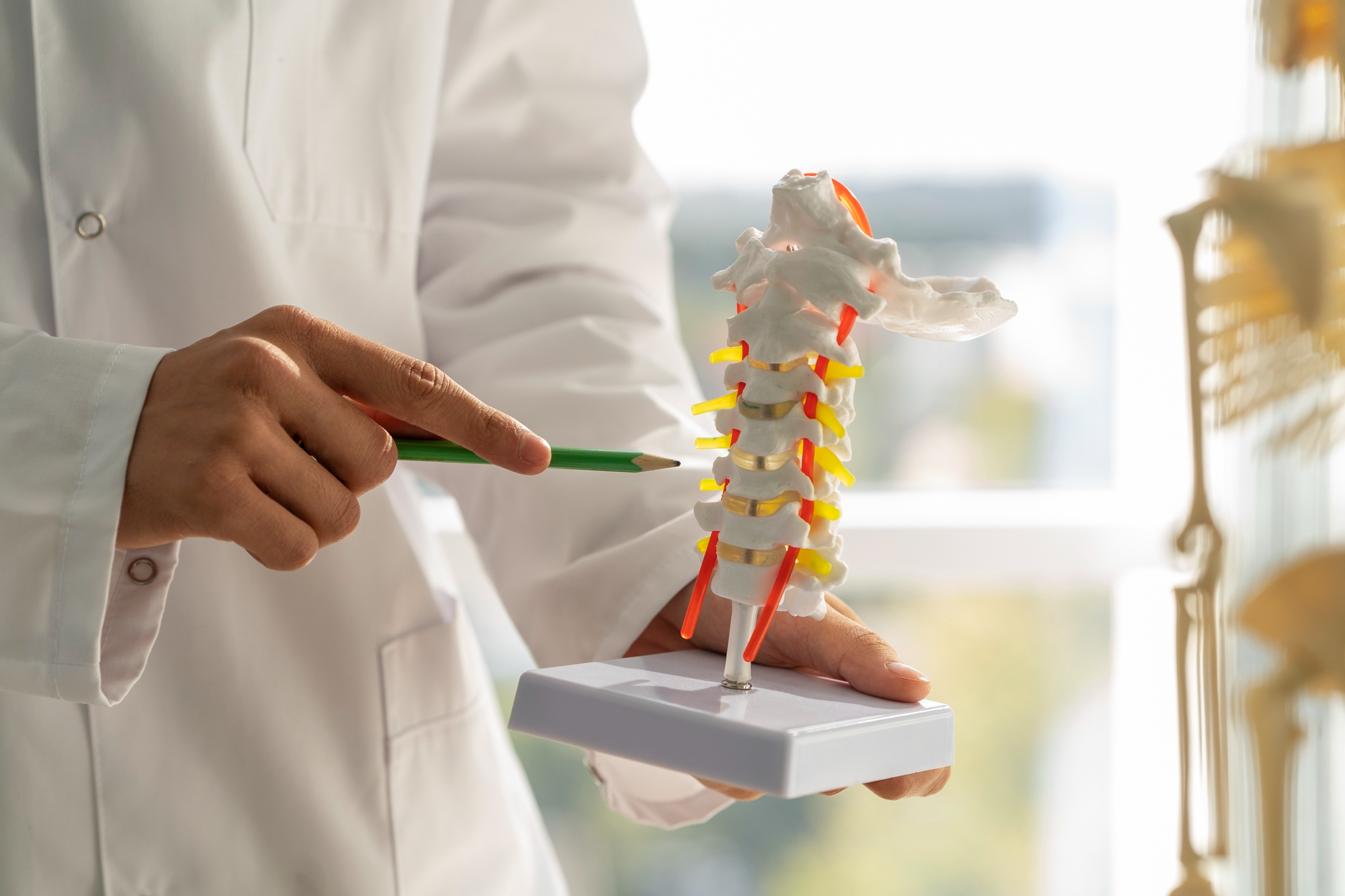
Support fracture recovery with essential nutrients like calcium, vitamin D, and protein for faster bone healing.
19 Nov 2025
by Prakash Hospital

Discover expert-backed nutrition tips for cancer patients. Learn how to manage treatment side effects, stay hydrated, and eat for strength and recovery.
27 May 2025
by Prakash Hospital
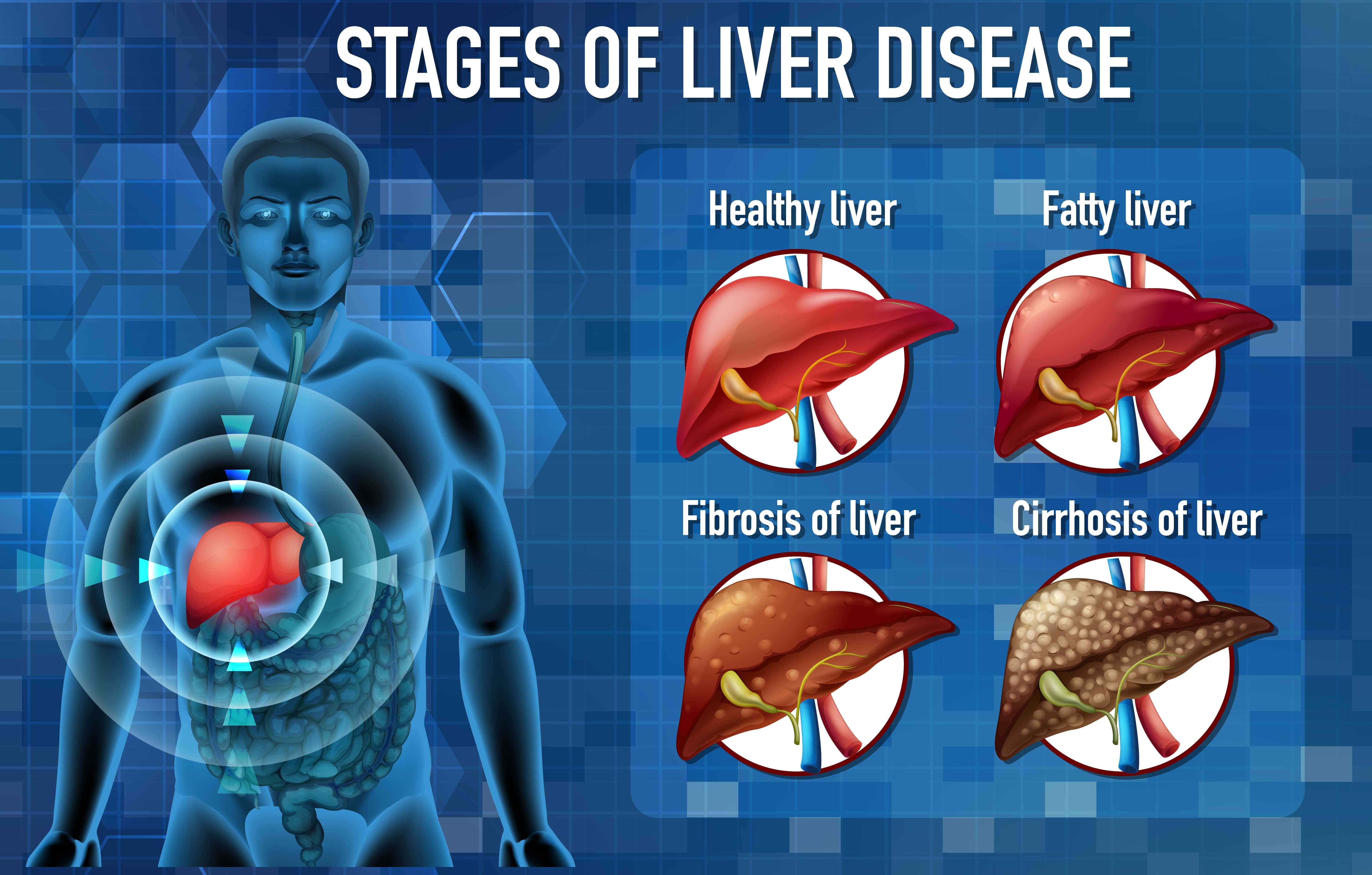
Home remedies to strengthen the liver — foods, lifestyle changes, and natural approaches that support liver health. Visit Prakash Hospital Noida for liver care.
11 Jun 2026
by Prakash Hospital

लिवर सिरोसिस के लक्षण, कारण, स्टेज और इलाज जानें। पीलिया, पेट में सूजन और थकान को नजरअंदाज न करें। Prakash Hospital में पाएं एडवांस लिवर केयर और गैस्ट्रोएंटरोलॉजी उपचार।
12 Jun 2026
by Prakash Hospital

Discover early signs your liver may not be functioning properly, including fatigue, jaundice and digestive issues, expert liver care in Noida.
24 Mar 2026
by Prakash Hospital

Iron-rich foods — the best sources to boost hemoglobin, prevent anaemia, and stay energetic. Visit Prakash Hospital Noida for blood tests and nutrition care.
29 Jun 2026
by Prakash Hospital

Coconut water benefits — hydration, electrolytes, and health effects of this traditional drink. Visit Prakash Hospital Noida for nutrition consultation.
23 Jun 2026
by Prakash Hospital
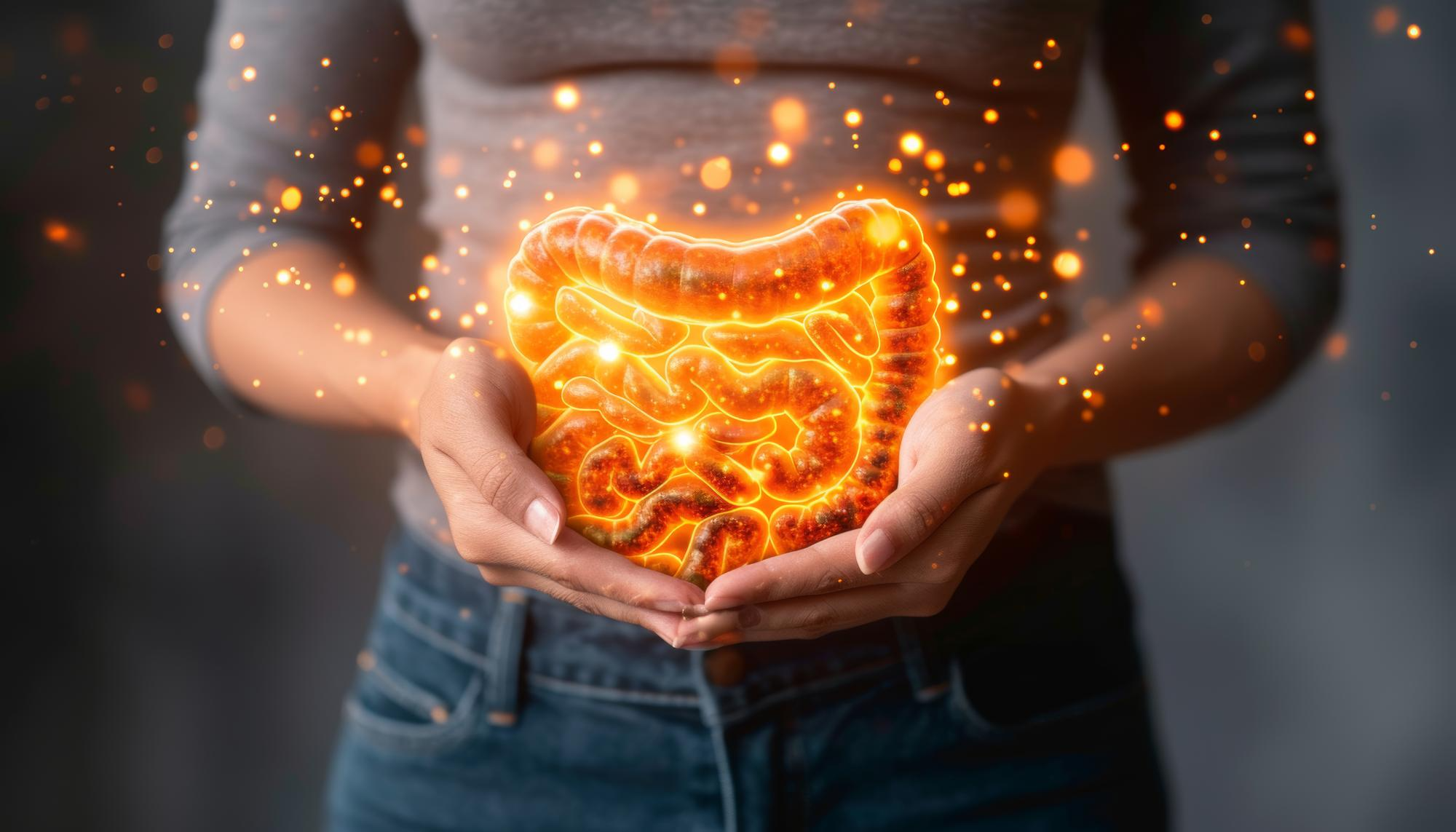
How to improve gut health naturally with Indian diet, probiotics, fibre, and lifestyle changes. Practical guide from Prakash Hospital Noida.
18 Aug 2026
by Prakash Hospital


Book a consultation with Prakash Hospital's specialists — 24/7 emergency care, 100+ doctors, NABH accredited.
View All Departments