


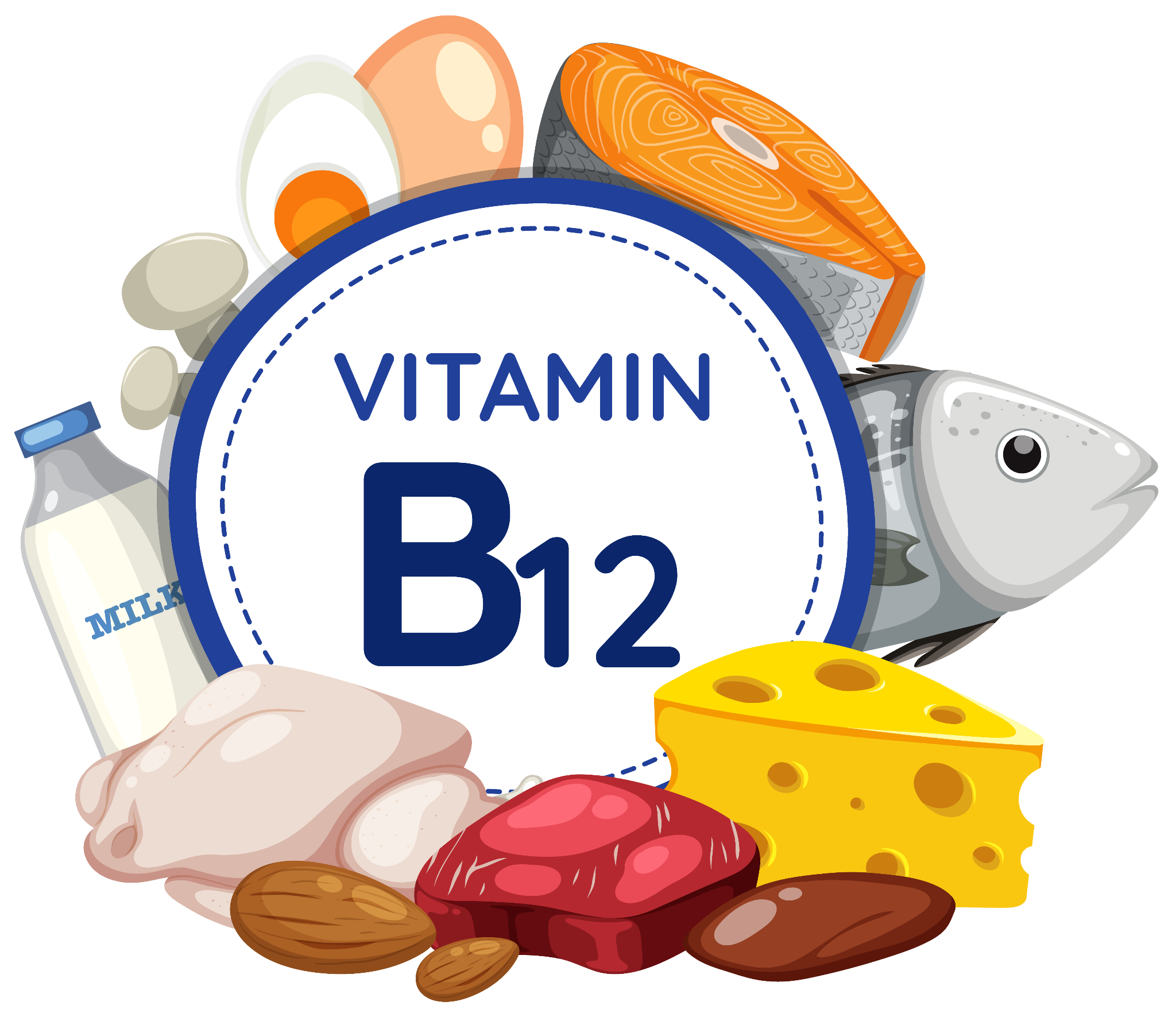
Vitamin B12 Deficiency: Symptoms, Risk Factors and What to Do
Vitamin B12 deficiency symptoms — tingling, fatigue, memory issues and more. Who's at risk in India and how to fix it. Prakash Hospital Noida.
30 Sept 2026
by Prakash Hospital
by Prakash Hospital

A woman taking a vitamin D supplement tablet to support bone health and prevent vitamin D deficiency.
Vitamin D deficiency is one of the most widespread nutritional problems in the world today. India, despite its abundant sunshine, has a surprisingly high prevalence of deficiency, with studies suggesting that more than 70% of the Indian population has insufficient Vitamin D levels.
This is not a minor inconvenience. Vitamin D plays a critical role in bone health, immune function, muscle strength, and the prevention of several chronic diseases.
Yet most people with Vitamin D deficiency have no obvious symptoms until significant damage has already occurred.
This article explains what Vitamin D is, what it does in the body, what diseases are caused by its deficiency, and most importantly, what you can do to prevent and correct it.
Vitamin D is a fat-soluble vitamin that functions more like a hormone than a conventional nutrient. Unlike most vitamins, the body can produce it on its own, but only with adequate exposure to sunlight.
When ultraviolet B (UVB) rays from sunlight strike the skin, a chemical reaction converts a cholesterol compound in the skin into Vitamin D3. This is then processed by the liver and kidneys into its active form, which the body can use.
Vitamin D performs several essential functions:
Without adequate Vitamin D, the body cannot absorb calcium properly, regardless of how much calcium is consumed through diet or supplements.
Vitamin D deficiency does not discriminate. However, certain groups face a significantly higher risk.
Office workers, urban residents, and those who work night shifts have limited sunlight exposure.
Melanin, the pigment that gives skin its colour, reduces the skin's ability to produce Vitamin D from sunlight. Indians and other South Asians have a higher natural risk.
The skin's ability to synthesise Vitamin D decreases with age. Older adults also spend less time outdoors.
Vitamin D is stored in body fat and becomes less available to the bloodstream in people with excess body fat.
Those who wear full-length clothing for cultural or religious reasons have reduced sunlight exposure.
Breast milk contains very little Vitamin D. Supplementation is typically recommended.
Crohn's disease, coeliac disease, and liver or kidney disease can all impair the absorption or activation of Vitamin D.
Rickets is the most well-known consequence of severe Vitamin D deficiency in children. It results in soft, weakened bones that are prone to fracture and deformity.
Signs and symptoms of rickets include:
Rickets is preventable with adequate Vitamin D supplementation in infants and young children. It remains a significant concern in India, particularly in lower-income communities.
In adults, severe Vitamin D deficiency leads to osteomalacia, a softening of the bones. Unlike osteoporosis, which involves loss of bone density, osteomalacia involves poor mineralisation of the bone matrix itself.
Symptoms of osteomalacia include:
Osteomalacia is often misdiagnosed as fibromyalgia or chronic fatigue syndrome. A simple blood test for Vitamin D levels can help differentiate the conditions.
While osteoporosis is caused by multiple factors, Vitamin D deficiency is a significant contributor. Without adequate Vitamin D, the body cannot absorb enough calcium to maintain bone density.
Over time, bones become porous and fragile. The most serious consequence is hip fracture, a leading cause of disability and death in elderly adults.
Many people with osteoporosis have no symptoms until a fracture occurs. This is why regular bone density screening and Vitamin D monitoring are important, especially for post-menopausal women and men over 60.

A man holding his shoulder due to osteoporosis-related pain and bone weakness.
Vitamin D plays a direct role in the immune system. It activates immune cells called T cells and macrophages, which are the body's primary defence against bacteria and viruses.
Low Vitamin D levels are associated with:
Research conducted during the COVID-19 pandemic also found associations between low Vitamin D levels and more severe outcomes, though this relationship is still being studied.
The heart and blood vessels contain Vitamin D receptors, suggesting that the vitamin plays a role in cardiovascular health. Multiple studies have linked Vitamin D deficiency to:
The mechanism is not entirely understood, but Vitamin D is believed to help regulate inflammation, blood vessel function, and blood pressure control.
Vitamin D receptors are present in the pancreatic cells that produce insulin. Deficiency appears to impair insulin secretion and reduce the body's sensitivity to insulin, both of which contribute to the development of Type 2 diabetes.
Several large studies have found that individuals with low Vitamin D levels are at a higher risk of developing Type 2 diabetes. Correcting deficiency is not a cure, but it may be a meaningful part of prevention and management in at-risk individuals.
Vitamin D receptors are found throughout the brain, including in areas that regulate mood and cognition. Research has found associations between low Vitamin D levels and:
The relationship between Vitamin D and mental health is complex and not yet fully established as causal. However, correcting deficiency in individuals with depression who are also deficient has shown some benefit in clinical studies.
Vitamin D is essential for normal muscle function. It influences the development and contraction of muscle fibres.
Deficiency leads to:
Falls in the elderly are a leading cause of serious injury. Vitamin D supplementation in deficient older adults has been shown to reduce fall risk meaningfully.
Vitamin D plays a regulatory role in the immune system, helping to prevent it from attacking the body's own tissues. Low Vitamin D levels have been associated with a higher incidence of:
The evidence is strongest for multiple sclerosis, where geographical studies have consistently shown higher rates of the disease in populations with less sunlight exposure.
Many people have no obvious symptoms at all. When symptoms do occur, they are often vague and easy to dismiss:
The only reliable way to confirm Vitamin D deficiency is through a blood test measuring the level of 25-hydroxyvitamin D (25(OH)D). Ask your doctor if you have not had this checked recently.
The most natural source of Vitamin D is sunlight. In India, UVB radiation from the sun is generally sufficient for Vitamin D synthesis but daily habits often prevent adequate exposure.
Practical guidelines:
Vitamin D is found naturally in very few foods. The best dietary sources include:
Diet alone is rarely sufficient to correct deficiency. It can, however, help maintain adequate levels in people who are getting reasonable sunlight.
Supplementation is the most reliable way to correct deficiency. Vitamin D3 (cholecalciferol) is the preferred form, as it is more effective than Vitamin D2 at raising blood levels.
For bone health conditions such as osteoporosis or osteomalacia, Vitamin D supplementation is typically combined with calcium supplementation. Taking Vitamin D alone without adequate calcium has limited benefit for bone health.
Concerned About Vitamin D Deficiency or Bone Health?
Prakash Hospital, Noida offers comprehensive diagnostic and treatment services, including Vitamin D testing, bone density (DEXA) scans, and specialist consultations across Medicine, Orthopaedics, and more.
Book your appointment today. Call us at +91 88260 00033 or visit www.prakashhospitals.in Located at D-12A, 12B, Sector 33, Noida.
Your health is our priority.
Through a blood test that measures 25-hydroxyvitamin D levels. A level below 20 ng/mL is generally considered deficient. Between 20 and 29 ng/mL is insufficient. Optimal levels are generally considered to be 30 to 60 ng/mL.
In theory, yes, India receives sufficient sunlight throughout the year. In practice, however, most urban Indians spend the majority of the day indoors, use sunscreen regularly, and wear clothing that limits skin exposure. These factors collectively make deficiency widespread despite the available sunlight.
Low to moderate doses, up to 2,000 IU per day, are generally considered safe for most adults. However, if you suspect significant deficiency or have an underlying health condition, it is advisable to have your levels tested and discuss supplementation with a doctor. Very high doses without monitoring can lead to Vitamin D toxicity.
Yes. Vitamin D supplementation is routinely recommended for breastfed infants from birth. Doses vary by age and body weight. A paediatrician should be consulted for appropriate dosing in children.
With appropriate supplementation, most people see a significant improvement in blood levels within eight to twelve weeks. Symptoms such as fatigue and bone pain may begin to improve within a few weeks of starting treatment.
Not directly. However, there is evidence that Vitamin D deficiency is associated with obesity, and that low Vitamin D may contribute to insulin resistance, which can affect weight regulation. The relationship is bidirectional, obesity also reduces Vitamin D availability in the body.

Permanent male contraception: the sperm tubes are cut and sealed under local anaesthetic in about 30 minutes.
Keyhole removal of an ovarian cyst that keeps the healthy ovary, usually with a stay of one night or less.
Removes part or all of the thyroid for a goitre, a suspicious nodule or an overactive gland.
Free tools to check your weight, plan a pregnancy, track calories and more.
We offer expert care across key specialties, including Medicine, Cardiology, Orthopaedics, ENT, Gynaecology, and more—delivering trusted treatment under one roof.
Vitamin B12 deficiency symptoms — tingling, fatigue, memory issues and more. Who's at risk in India and how to fix it. Prakash Hospital Noida.
30 Sept 2026
by Prakash Hospital

Vitamin D rich vegetables and fruits — what actually contains vitamin D and what is myth. Visit Prakash Hospital Noida for nutrition guidance.
30 Jun 2026
by Prakash Hospital
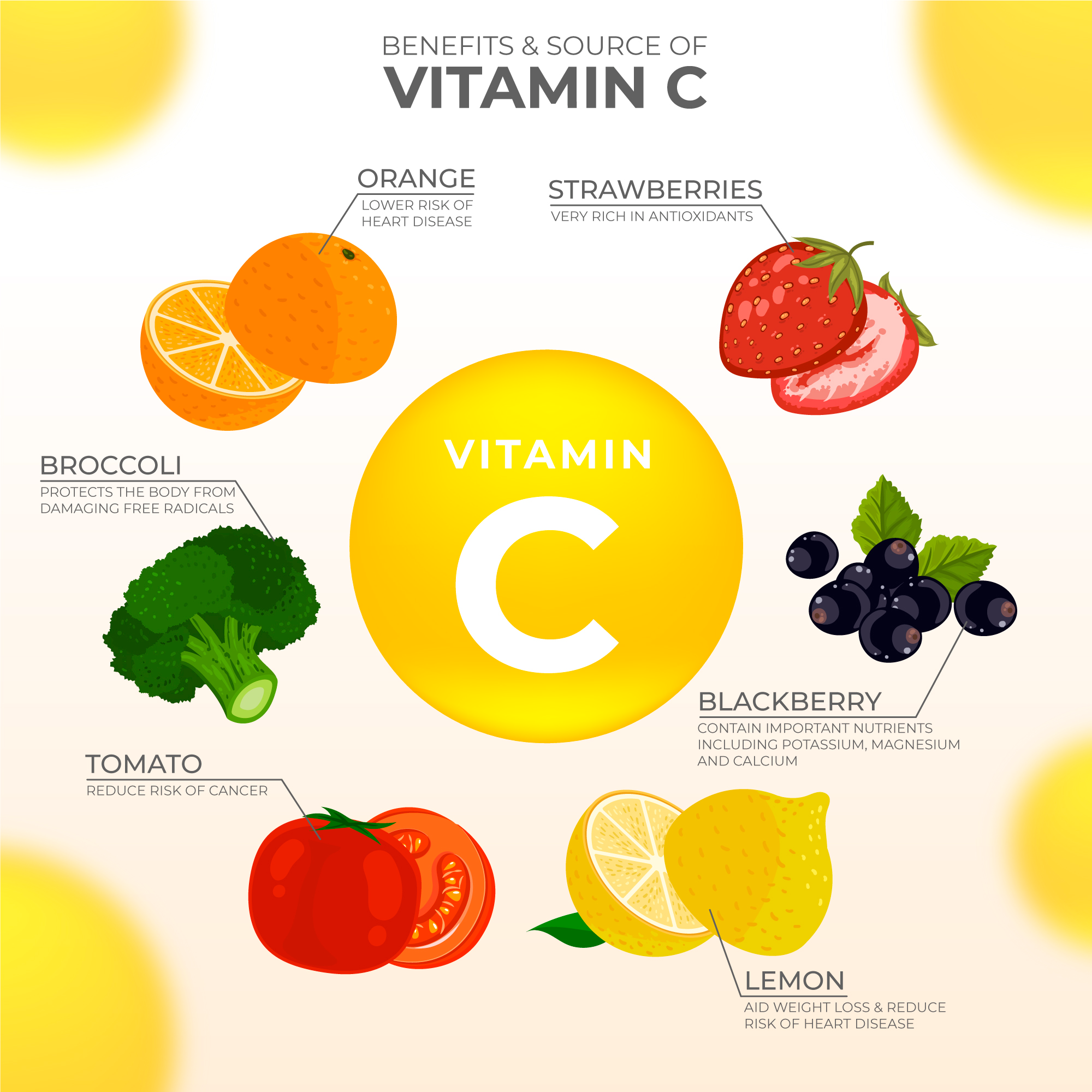
Vitamin C deficiency — recognise the signs, understand the causes, and learn the best food sources. Visit Prakash Hospital Noida for nutrition care.
26 Jun 2026
by Prakash Hospital

जानिए स्ट्रेस फ्रैक्चर के कारण, लक्षण और सही इलाज। समय पर देखभाल, आराम और सही उपचार से जल्दी रिकवरी कैसे पाएं।
12 May 2026
by Prakash Hospital

जानिए जॉइंट रिप्लेसमेंट सर्जरी कब जरूरी होती है, इसके लक्षण क्या हैं, और किन मरीजों को इसकी जरूरत पड़ सकती है।
25 Mar 2026
by Prakash Hospital

घुटनों के दर्द के कारण, लक्षण और राहत पाने के उपाय जानें। पढ़ें क्या करना चाहिए और क्या नहीं करना चाहिए, ताकि घुटने स्वस्थ रहें।
19 Feb 2026
by Prakash Hospital

Vitamin D deficiency — recognise the symptoms, understand the causes, and learn how to correct it. Visit Prakash Hospital Noida for testing and treatment.
29 May 2026
by Prakash Hospital

Learn the signs of vitamin deficiencies in children, including Vitamin D, iron and more. Understand causes, symptoms, and how to prevent nutritional deficiencies in kids.
8 Apr 2026
by Prakash Hospital

Discover the early signs of vitamin D deficiency and how it affects your health. Learn how to detect symptoms and improve your vitamin levels naturally.
2 May 2025
by Prakash Hospital


Book a consultation with Prakash Hospital's specialists — 24/7 emergency care, 100+ doctors, NABH accredited.
View All Departments