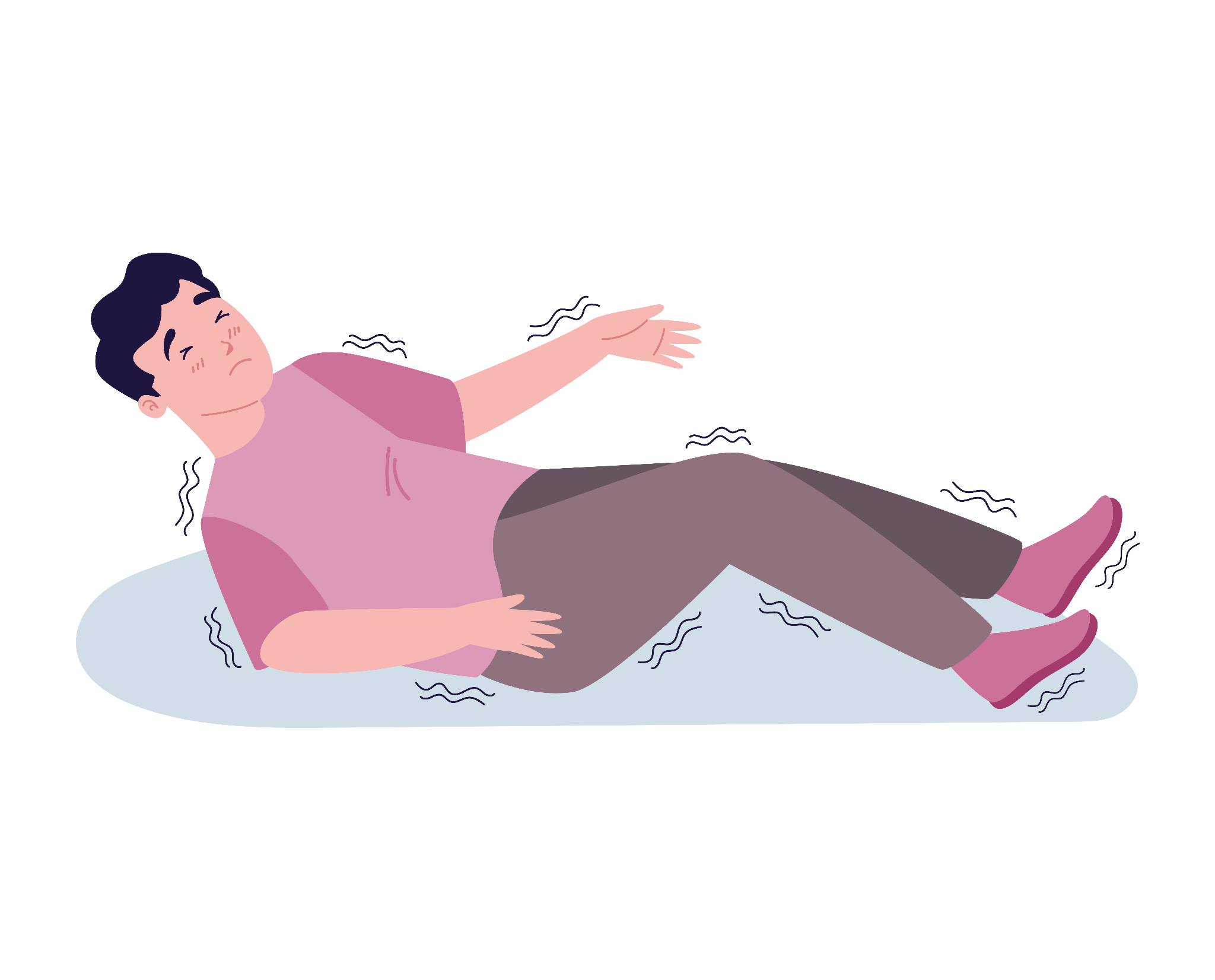
An animated illustration showing a seizure episode and sudden collapse.
Epilepsy is one of the most common neurological disorders in the world, affecting millions of people across all age groups. Despite how common it is, epilepsy is still misunderstood, leading many patients and families to feel confused, scared or unsure about what the condition really means. The truth is that with the right treatment, lifestyle adjustments and medical guidance, most individuals with epilepsy live healthy, productive and completely normal lives.
This blog offers a clear explanation of what epilepsy is, why it happens, the different types of seizures, how it is diagnosed, treatment options and how to support someone living with epilepsy.
Epilepsy is a chronic neurological condition in which the brain produces repeated and unprovoked seizures.
A seizure happens when there is a sudden burst of abnormal electrical activity in the brain, causing temporary changes in movement, behaviour, awareness or sensations.
A person is usually diagnosed with epilepsy when:
Epilepsy is not a mental illness, a contagious condition or a sign of weakness. It is a medical disorder that can be effectively managed with proper treatment.
In many cases, the exact cause is unknown. However, several factors can increase the risk:
Some types of epilepsy run in families. Certain genes can affect how brain cells communicate, making a person more prone to seizures.
Head injuries from accidents, falls or sports can lead to seizures months or even years later.
Conditions like meningitis, encephalitis, TB or brain infections can cause scar tissue that triggers seizures.
Stroke is one of the most common causes of epilepsy in older adults.
Conditions like autism, cerebral palsy and neurodevelopmental abnormalities may be associated with epilepsy.
Abnormal growths or malformations in the brain can disrupt normal electrical activity.
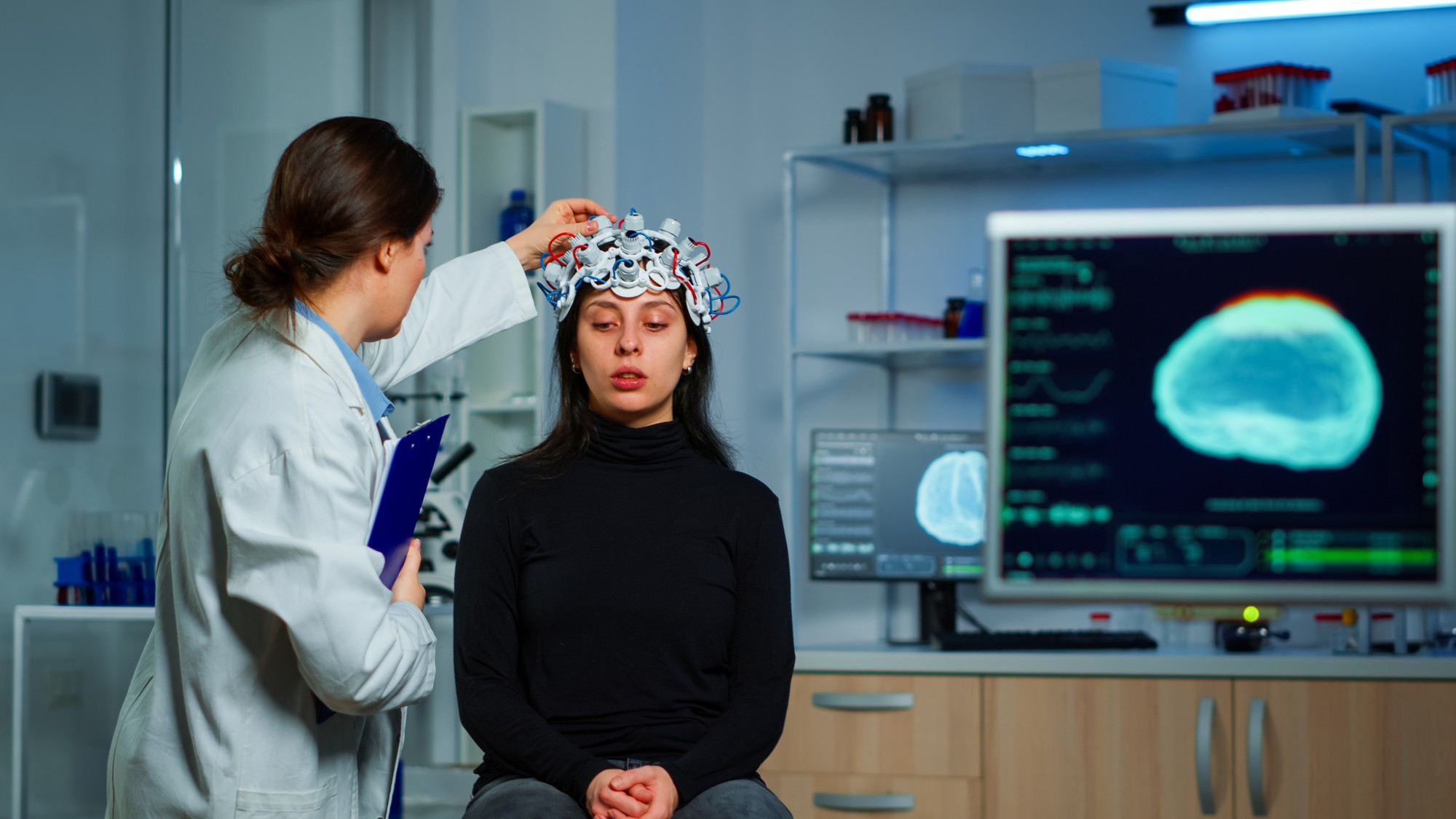
A woman wearing a head monitoring device, with a healthcare professional.
Low blood sugar, electrolyte imbalances or kidney/liver problems can sometimes provoke seizures.
In many patients, however, the cause remains unknown.
Understanding seizure types helps with correct diagnosis and treatment.
These begin in one specific area of the brain.
They may cause:
Some focal seizures affect awareness, while others do not.
These affect both sides of the brain at the same time. Signs include:
More common in children. Warning signs include:
Sudden jerking of muscles or involuntary twitches, especially shortly after waking.
Sudden loss of muscle tone, resulting in falls or head drops.
Stiffening of muscles without jerking.
Each type has a different pattern; hence, treatment varies.
The chief symptom is recurrent seizures, but the following are other possible signs:
Some people experience a warning sign that may include dizziness, fear, visual flashing lights,or odd smells.
Diagnosis by a neurologist is required. Common tests include:
Measures electrical activity in the brain. It’s the most important test for detecting seizure patterns.
Helps in identifying structural problems, such as tumors, scarring or abnormalities.
Checks for infection, deficiency of vitamins or metabolic problems.
Records brain waves and behaviour simultaneously to capture seizure activities.
A proper diagnosis ensures the right treatment plan.
Epilepsy is highly manageable. Treatment aims to reduce or completely stop seizures.
These medications stabilize brain activity and prevent seizures. Medication may help, but only the right kind. 70% of patients can become seizure-free. Many achieve long-term control with few side effects
For some patients, especially children, the ketogenic diet may help reduce seizures.
When seizures originate from one clearly defined area, surgery can help control or eliminate them.
A small device implanted in the chest sends signals to the brain to prevent seizures.
An advanced device that detects abnormal brain activity and responds immediately.
Avoiding triggers, such as
Consistency is what provides the best seizure control.
If someone is having a seizure,
Do:
Don’t:
Call emergency services if:
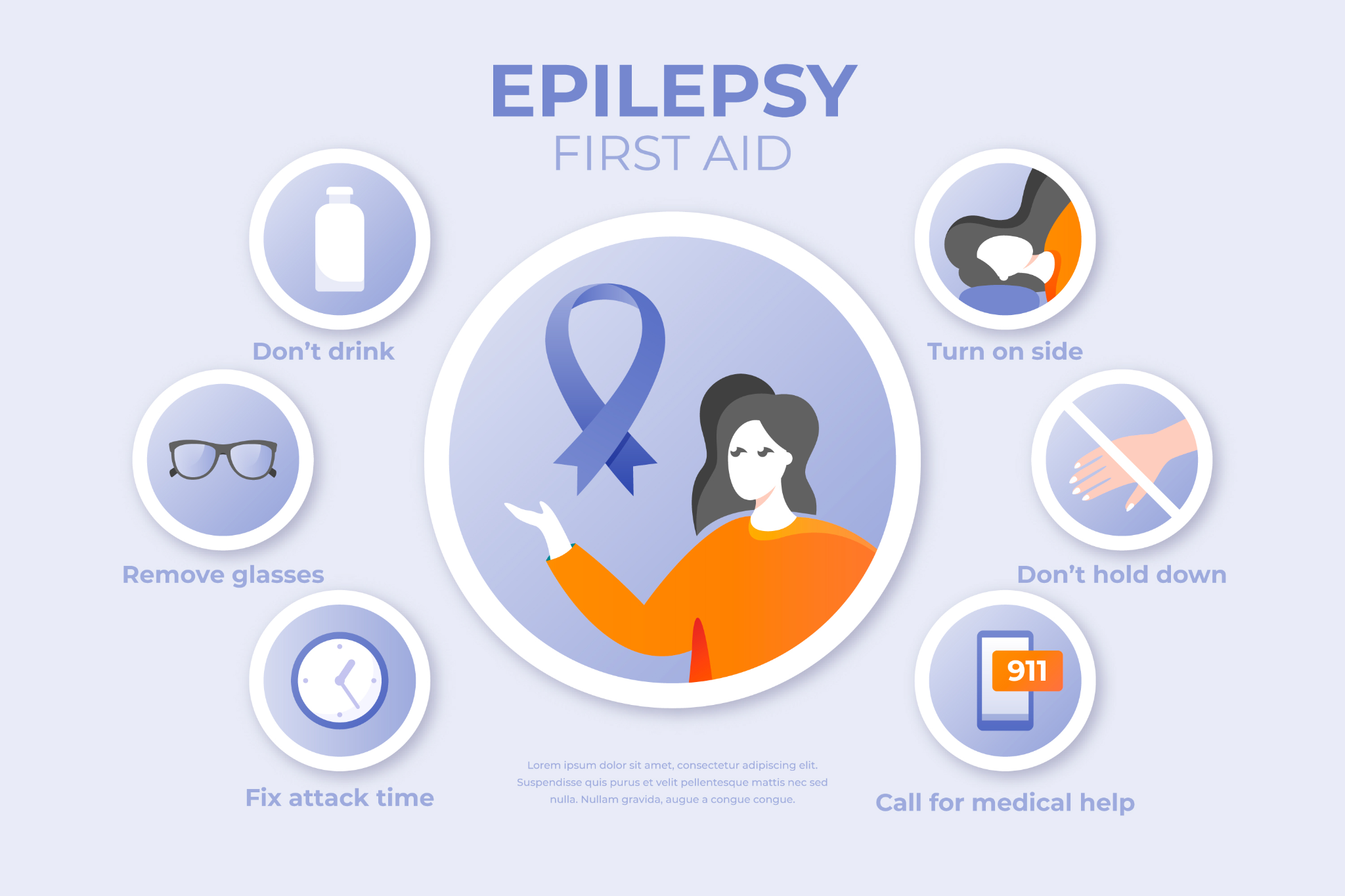
Epilepsy first aid infographic showing steps to help during a seizure.
With treatment, most people can:
Regular follow-ups with a neurologist, medication adherence and lifestyle habits make a major difference.
Epilepsy can be a lifelong condition but modern medical care has made it easier than ever to live safely and confidently. Early diagnosis, the right treatment and awareness about seizure first aid can significantly improve quality of life.
 Copy
CopyWe offer expert care across key specialties, including Medicine, Cardiology, Orthopaedics, ENT, Gynaecology, and more—delivering trusted treatment under one roof.


Book a consultation with Prakash Hospital's specialists — 24/7 emergency care, 100+ doctors, NABH accredited.

Prakash Hospital Pvt. Ltd. is a 100 bedded NABH NABL accredited multispecialty hospital along with a center of trauma and orthopedics. We are in the service of society since 2001.
OUR SPECIALITIES
Patient Services
PROCEDURES
Contact Us
D – 12A, 12B, Sector-33, G. B. Nagar, Noida, Uttar Pradesh 201301
+91-8826000033


© 2026 All rights reserved.
Designed and Developed by Zarle Infotech