


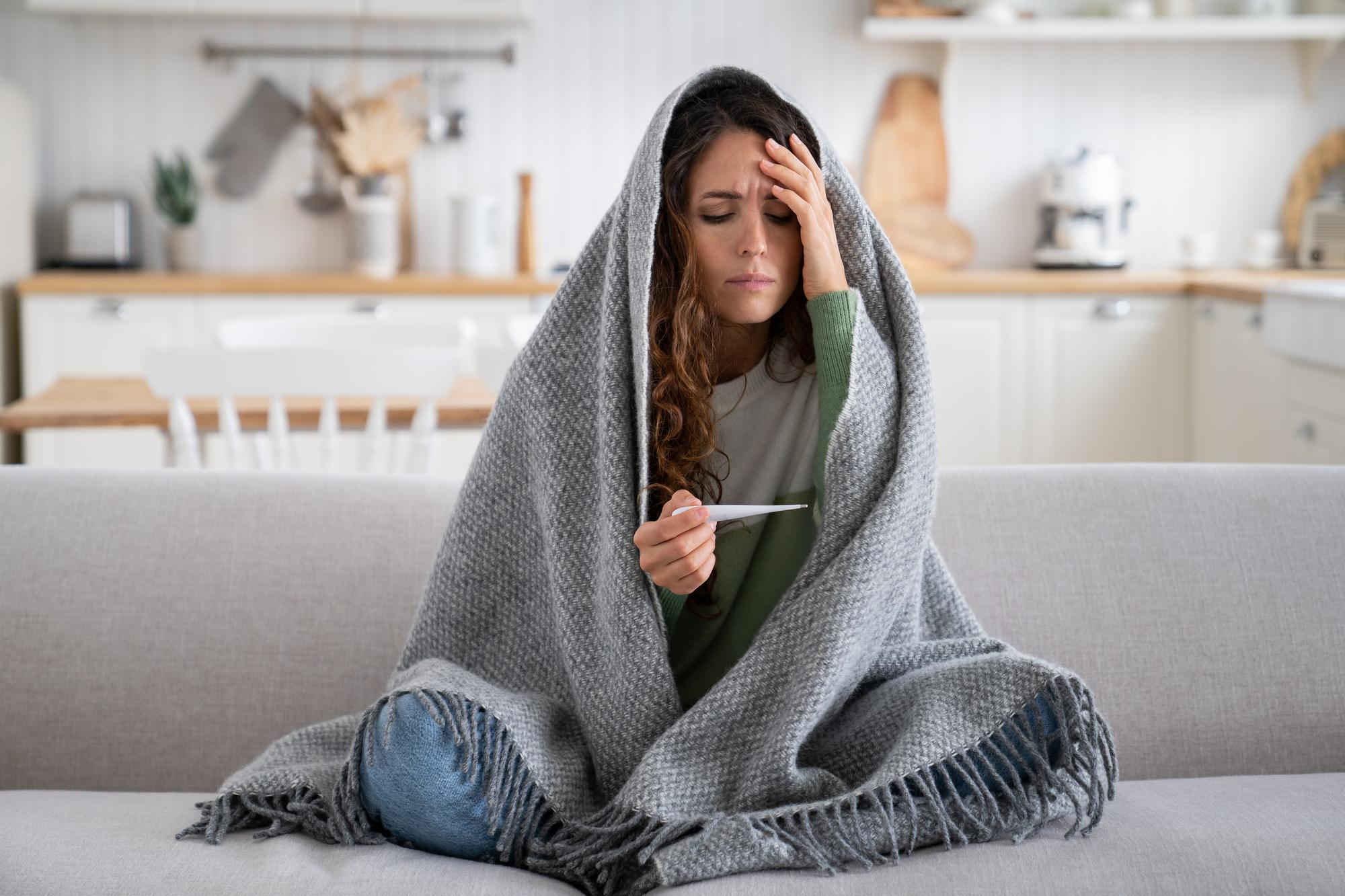
Viral Fever vs Bacterial Infection: How to Tell the Difference
Viral fever symptoms vs bacterial infection signs — how to tell them apart and when antibiotics are actually needed. Prakash Hospital Noida.
19 Aug 2026
by Prakash Hospital
by Prakash Hospital
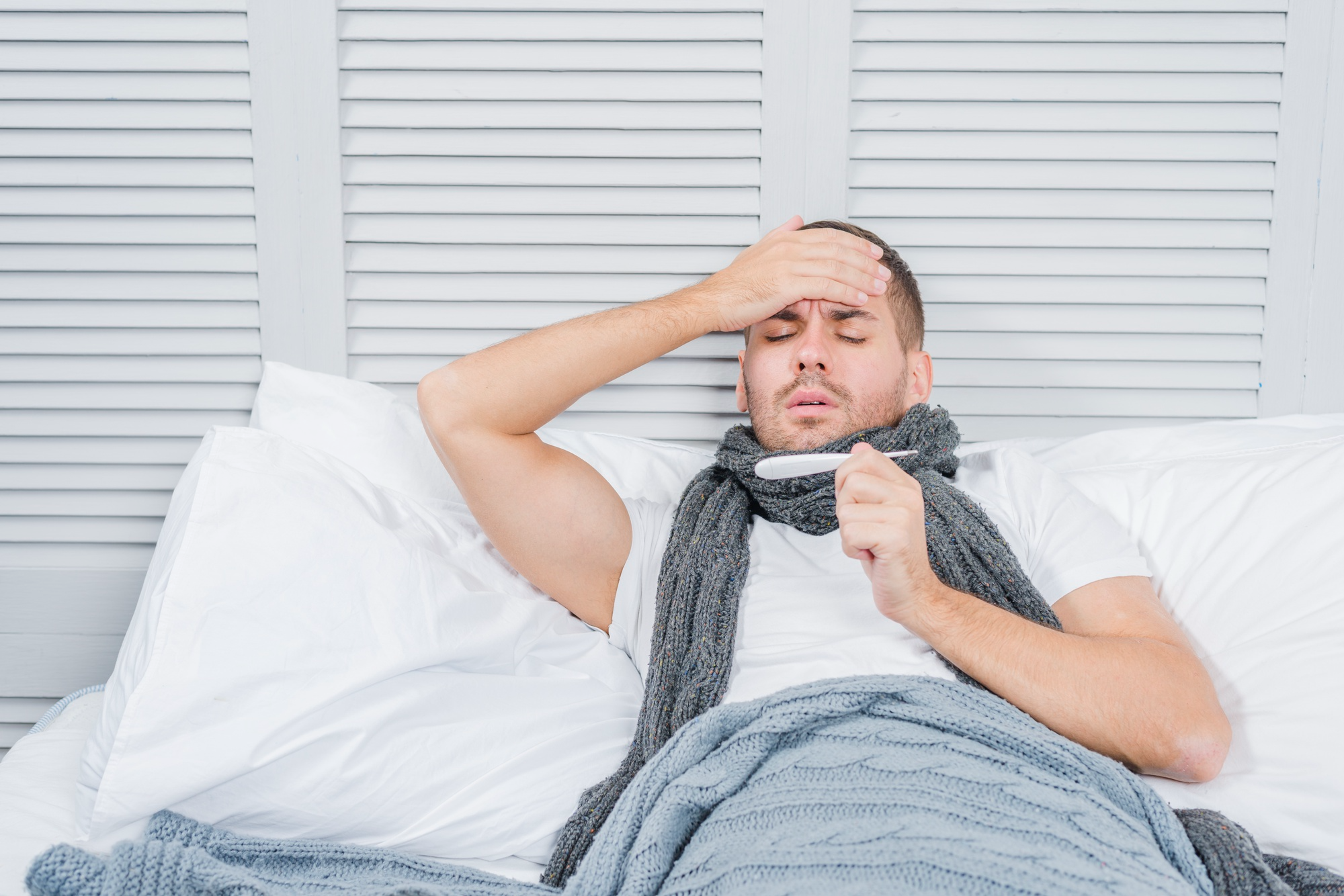
A person experiencing high fever
Fever is not an illness. It is a response. The body raises its temperature deliberately because higher temperatures slow down many viruses and bacteria, and ramp up the immune system. The discomfort of a fever is the price of a defence that usually works.
This is why aggressive temperature reduction is often unnecessary. The body knows what it is doing. The job is to stay comfortable, well hydrated, and watch for warning signs, while the underlying illness runs its course.
That said, some fevers point to serious illness. Knowing the difference matters.
Normal body temperature is around 37°C (98.6°F), but it varies by time of day, age, activity, and individual. Most people have a normal range between 36.5 and 37.5°C.
Fever is generally defined as:
Where you measure it makes a difference. Oral readings are roughly 0.5°C lower than rectal. Underarm readings are about 1°C lower. Forehead and ear thermometers vary by device. Pick one method and stick to it for consistency.
In adults, what matters more than the exact number is how you feel, how long the fever has been going on, and what other symptoms come with it. In babies and small children, the number matters more because they cannot describe how they feel.
Viral infections are the most common cause. Cold, flu, COVID-19, viral gastroenteritis, dengue, chikungunya, viral hepatitis, and many others.
Bacterial infections including throat infections, urinary tract infections, chest infections (pneumonia), skin infections, and typhoid.
Tropical infections common in India: dengue, malaria, chikungunya, typhoid, scrub typhus, leptospirosis.
Tuberculosis causes evening fevers, often with night sweats and weight loss.
Sinusitis, ear infections, dental abscesses all produce fever.
Inflammatory conditions including some types of arthritis and autoimmune diseases.
Heat-related illness in summer.
Some cancers, particularly lymphomas, can cause persistent low-grade fever.
Drug reactions sometimes cause fever as a side effect.
Heat stroke is a life-threatening high temperature from heat exposure rather than infection.
The fever itself comes with:
The underlying illness adds its own symptoms: sore throat, cough, runny nose, vomiting, diarrhoea, urinary symptoms, rash, joint pain, abdominal pain. These help identify the cause.
Most fevers from common viral illness settle within three to five days. The body handles it. You feel rough, then you feel better.
Get medical help when:
The fever is above 39.5°C in an adult, or above 38.5°C in a baby under three months. The fever has lasted more than three days without improvement. There is severe headache with neck stiffness or sensitivity to light. There is breathlessness. There is severe abdominal pain. There is blood in vomit or stool. There is rash that does not fade when pressed with a glass. There are signs of dehydration (very dark urine, no urination for 8 hours, severe thirst, dizziness). There is confusion, severe drowsiness, or seizures. There is severe joint pain (in dengue and chikungunya). Lab work shows worrying signs (low platelets, in dengue for example). There is fever after recent travel to a malaria-affected area. There is fever in a pregnant woman, immunocompromised person, or someone with diabetes, kidney disease, or other chronic illness.
For babies under three months, any fever needs a doctor. The same goes for children under two with fever above 38.5°C.
For most ordinary fevers without warning signs, the strategy is simple: comfort, fluids, rest.
Hydration is critical. Fever increases fluid loss through sweating and faster breathing. Drink plenty of water, ORS, coconut water, fresh juices, soups, kadha, and herbal teas. Aim for two to three litres in adults over the day, more if the fever is high.
Rest. The body uses energy to fight infection. Pushing through tires the system and slows recovery.
Light clothing and a cool room. Trying to "sweat out a fever" by wrapping up is uncomfortable and not helpful. Comfortable clothing in a cool but not cold room works best.
Lukewarm sponging for high fevers helps reduce temperature. Use a cloth soaked in lukewarm water (not cold) to gently sponge the forehead, neck, armpits, and groin. Cold water or ice causes shivering, which actually raises body temperature. Stick to lukewarm.
Paracetamol is the standard fever medication. Adults can take 500 to 1000 mg every 4 to 6 hours, maximum 4 grams a day. For children, dosing is by weight, usually 15 mg per kg of body weight per dose, every 4 to 6 hours.
Ibuprofen is an alternative for fever in adults and children over six months. Useful if paracetamol alone is not enough, or if body aches and inflammation are prominent. Take with food to protect the stomach.
Avoid aspirin in children and teenagers because of the risk of Reye's syndrome.
The goal of fever medication is comfort, not to push the temperature down to normal. A fever of 38.5°C in someone who feels okay does not need treatment. A fever of 39°C in someone who is shaking and miserable does.
Warm soup or kadha is comforting and hydrating.
Tulsi tea, ginger tea, herbal teas support the immune system mildly.
Honey and lemon in warm water for sore throat or cough alongside.
Plain easy-to-digest food: khichdi, dal-chawal, idli, curd rice, banana. Heavy meals are hard to digest during fever.
Cool sponge baths for comfort during high fever.
Cool cloth on the forehead between sponge baths.
Adequate sleep and rest.
The pattern of fever can be a clue:
Sudden high fever with severe body aches, headache, eye pain, and rash in dengue-endemic season points to dengue. Get checked.
Fever with chills coming in cycles (every 24 to 72 hours) suggests malaria. Get tested.
Persistent low-grade fever with weight loss and night sweats suggests tuberculosis. Get a chest X-ray.
Fever with severe joint pain suggests chikungunya.
Fever with abdominal pain and constipation or rose-coloured spots suggests typhoid.
Fever after travel to certain regions deserves specific testing.
Fever with sore throat and white spots on tonsils suggests Strep throat.
Fever with cough, breathlessness, and chest pain suggests pneumonia.
Fever with urinary symptoms suggests urinary tract infection.
Fever with stiff neck, severe headache, and sensitivity to light could be meningitis. This is urgent.
Pay attention to the combination, not just the temperature.
The doctor will ask about how long the fever has lasted, its pattern through the day, other symptoms, recent travel, contacts with sick people, medications, and underlying conditions.
The physical exam looks at the throat, ears, neck, chest, abdomen, skin, and any specific area pointed to by symptoms.
Tests depend on the picture:
For unclear cases lasting more than a week, a wider workup is usually needed.
"Wrap up well in warm clothes to sweat out the fever." Sweating does not cure fever. Overdressing makes you uncomfortable and can push the temperature even higher. Light clothing and a cool room are better.
"Cold baths reduce fever quickly." Cold water causes shivering, which actually raises body temperature. Lukewarm sponging is what you want.
"Bring the fever down to normal as fast as possible." Fever is part of the body's defence. Aggressive lowering is rarely needed and may interfere with the immune response. Treat for comfort.
"All fevers above 38°C need medication." Mild fever in someone who feels okay does not need medication.
"Antibiotics will help any fever." Most fevers are viral. Antibiotics only help bacterial infections.
"A fever that keeps coming back means severe illness." Some viruses cause fluctuating fevers over several days. Pattern matters less than overall trajectory.
"Children with fever should not eat." They should eat what they want and can. Fluids matter more than food, but small bland meals are fine.
"Paracetamol is dangerous and should be avoided." Paracetamol is one of the safest medications when used correctly. Overdose is the concern, not normal use.
Children get fevers more often than adults. Most are from viral illnesses and settle in a few days.

Child suffering from high fever and weakness, common early symptoms of malaria infection.
For a child with fever:
See a doctor if:
Fever in pregnancy needs a doctor's attention. Paracetamol is safe in pregnancy at recommended doses. Ibuprofen and aspirin should generally be avoided, especially in the third trimester.
Older adults sometimes have less obvious fever responses to serious infections. A "low" fever in an older adult can mean serious infection. Lower threshold for medical attention.
Fever can affect blood sugar control, hydration, and underlying conditions. Lower threshold for getting checked.
Many fevers are from preventable causes:
Mosquito control is particularly important in NCR during the monsoon and post-monsoon months when dengue and chikungunya peak.
NCR sees significant dengue, chikungunya, and viral fever cases from August to November. Some practical things:
If you have fever with severe body aches, eye pain, headache, or rash during dengue season, see a doctor and get tested.
At Prakash Hospital Noida, our physicians evaluate fevers across the range. From routine viral fevers to dengue, malaria, typhoid, tuberculosis, and other serious causes. Comprehensive testing including blood counts, viral panels, malaria smears, typhoid tests, X-rays, and other investigations is available. Inpatient care including IV fluids and intensive monitoring is available for severe cases.
Whether you live in Sector 18, Sector 62, Greater Noida West, or anywhere nearby, Prakash Hospital Noida is a trusted name for medical care in the region.
To book a consultation, call the number.
Most fevers are from viral illnesses and settle in three to five days. Hydration, rest, paracetamol for comfort, and light food handle most cases.
Take fever seriously when it is very high, lasts more than three days, comes with severe headache or breathing problems or rash that does not blanch, or affects a baby, pregnant woman, or chronically ill person. NCR-specific causes like dengue, chikungunya, and malaria need specific evaluation during their seasons.
Fever is not the enemy. It is a sign that the body is doing its work. Support it, watch for warning signs, and get help when the picture is unusual or worrying.

Removes an inflamed appendix through three small cuts, usually with one or two nights in hospital.
Permanent male contraception: the sperm tubes are cut and sealed under local anaesthetic in about 30 minutes.
Blocks or removes the fallopian tubes for permanent contraception, usually as day-care keyhole surgery.
Free tools to check your weight, plan a pregnancy, track calories and more.
We offer expert care across key specialties, including Medicine, Cardiology, Orthopaedics, ENT, Gynaecology, and more—delivering trusted treatment under one roof.
Viral fever symptoms vs bacterial infection signs — how to tell them apart and when antibiotics are actually needed. Prakash Hospital Noida.
19 Aug 2026
by Prakash Hospital

Typhoid fever symptoms, how it's diagnosed, what to eat during recovery, and when to see a doctor. Prakash Hospital Noida.
20 Aug 2026
by Prakash Hospital
Viral fever symptoms, treatment, recovery tips, and when to see a doctor. Visit Prakash Hospital Noida for proper evaluation and care.
26 Jun 2026
by Prakash Hospital

Learn what atherosclerosis is, how plaque builds up in arteries, its causes, symptoms, risk factors, and how to prevent heart attack and stroke
6 Mar 2026
by Prakash Hospital

Comprehensive guide on lowering high blood pressure naturally through diet, exercise, weight control, and medical monitoring.
24 Feb 2026
by Prakash Hospital

Leg pain while walking, cold feet, slow-healing wounds, these could be early signs of Peripheral Artery Disease. Prakash Hospital's vascular specialists in Noida explain what to watch for and when to act.
6 Apr 2026
by Prakash Hospital
Typhoid fever symptoms, diagnosis, antibiotic treatment, and how to prevent it. Visit Prakash Hospital Noida for testing and care.
22 May 2026
by Prakash Hospital
Practical ways to lower blood pressure naturally through diet, exercise, and lifestyle — plus when medication is needed. Prakash Hospital Noida.
5 Aug 2026
by Prakash Hospital
High cholesterol increases heart disease risk. Know causes, tests, and how to lower it. Visit Prakash Hospital Noida for cardiology care.
2 Jul 2026
by Prakash Hospital


Book a consultation with Prakash Hospital's specialists — 24/7 emergency care, 100+ doctors, NABH accredited.
View All Departments