


Heart Attack Signs and Symptoms: Recognise Them Early
Heart attack warning signs in men and women, what to do immediately, and how to reduce risk. Visit Prakash Hospital Noida for cardiac care.
22 Jul 2026
by Prakash Hospital
by Prakash Hospital
by Prakash Hospital

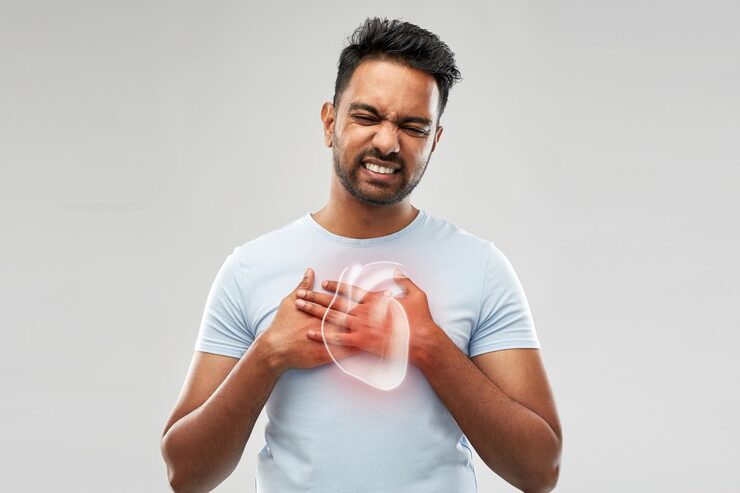
A person holding their chest due to chest pain.
Most people mistakenly use the terms heart attack and cardiac arrest synonymously but they are not the same. While both are severe heart emergencies, their causes and symptoms largely contrast, as do their treatments.
Knowing these differences will give you valuable time to act and possibly even save a life.
This blog breaks down that difference between them, explains warning signs and highlights how timely intervention can make all the difference in your response.
A heart attack or myocardial infarction, occurs when blood flow to part of the heart muscle is blocked, generally because of a clot in the coronary artery. When this blood supply is cut off, the heart muscle starts to get damaged.
Common causes include:
A heart attack is essentially a circulation problem rather than a sudden stoppage of the heart.
Unlike in cardiac arrest, the symptoms of a heart attack usually appear gradually and can last for hours.
Look out for:
Symptoms can vary from one person to another. Women may have more subtle symptoms such as indigestion, stomach pain or fatigue.
Cardiac arrest is when the heart suddenly stops beating because of an electrical issue. This results in immediate loss of blood flow to the brain and other organs.
It is a life-threatening emergency that, if not treated immediately, leads to death within minutes.
Common causes of cardiac arrest:
Cardiac arrest is an electrical problem, not a blood flow problem.
Cardiac arrest does not have warning signs in most instances. Symptoms are immediate and severe:
In such circumstances, literally every second counts. Survival can be immensely improved by immediate CPR and defibrillation.
1. Cause
Heart attack- Blockage in blood flow
Cardiac arrest- Electrical malfunction causing the heartbeat to stop
2. Symptoms
Heart attack- Chest pain, discomfort, breathlessness
Cardiac Arrest- Sudden collapse, no breathing, no pulse
3. Onset
Heart Attack- Can be gradual
Cardiac Arrest- Occurs suddenly, without warning
4. Emergency Treatment
Heart Attack- Needs immediate medical evaluation, medications, angioplasty
Cardiac Arrest- Needs CPR and AED (defibrillator) right away

A person practicing CPR on a training mannequin.
5. Relation Between the Two
A severe heart attack can trigger cardiac arrest but cardiac arrest can occur without a heart attack.
Treatment is aimed at restoring blood flow to the heart as quickly as possible:
Early diagnosis decreases the extent of heart damage and enables better recoveries.
Since the heart stops beating, treatment is immediate and intense.
Survival depends heavily on how soon CPR is started.
Seek immediate medical care if you or someone else has:
Quick action can save a life. Never assume symptoms will go away on their own.
You can significantly reduce the risk of both heart attacks and cardiac arrest by:
Taking preventive steps today builds a healthier future.

Doctor performing a routine check-up on a patient.
At Prakash Hospital, we are committed to world-class cardiac care with a patient-first approach. Our facility is well-equipped with all modern diagnostic tools, advanced emergency care systems and a highly trained team prepared to tackle heart attacks, cardiac arrest and other cardiovascular conditions.
We believe in early detection, personalized treatment and continuous monitoring for the best outcomes. Including immediate emergency care or long-term management of cardiac problems, Prakash Hospital offers expert, compassionate and affordable heart care for all patients.

An ultrasound of the heart that shows how well it pumps and how the valves work. Painless and radiation-free.
An X-ray dye test that maps blockages in the heart's arteries and guides the choice between medicines, stents and surgery.
A portable ECG worn for 24 to 48 hours to catch irregular heartbeats that come and go.
Free tools to check your weight, plan a pregnancy, track calories and more.
We offer expert care across key specialties, including Medicine, Cardiology, Orthopaedics, ENT, Gynaecology, and more—delivering trusted treatment under one roof.
Heart attack warning signs in men and women, what to do immediately, and how to reduce risk. Visit Prakash Hospital Noida for cardiac care.
22 Jul 2026
by Prakash Hospital
Learn live saving tips when faced with an heart attack with advice from experts from Prakash Hospital.
1 Oct 2025
by Prakash Hospital

Learn symptoms, risk factors, prevention tips and when to seek expert cardiac care in Noida.
25 Mar 2026
by Prakash Hospital
Monsoon brings dengue, malaria, viral fever, and gut infections. Here's how to strengthen your immunity before and during the season. Prakash Hospital Noida.
18 Aug 2026
by Prakash Hospital
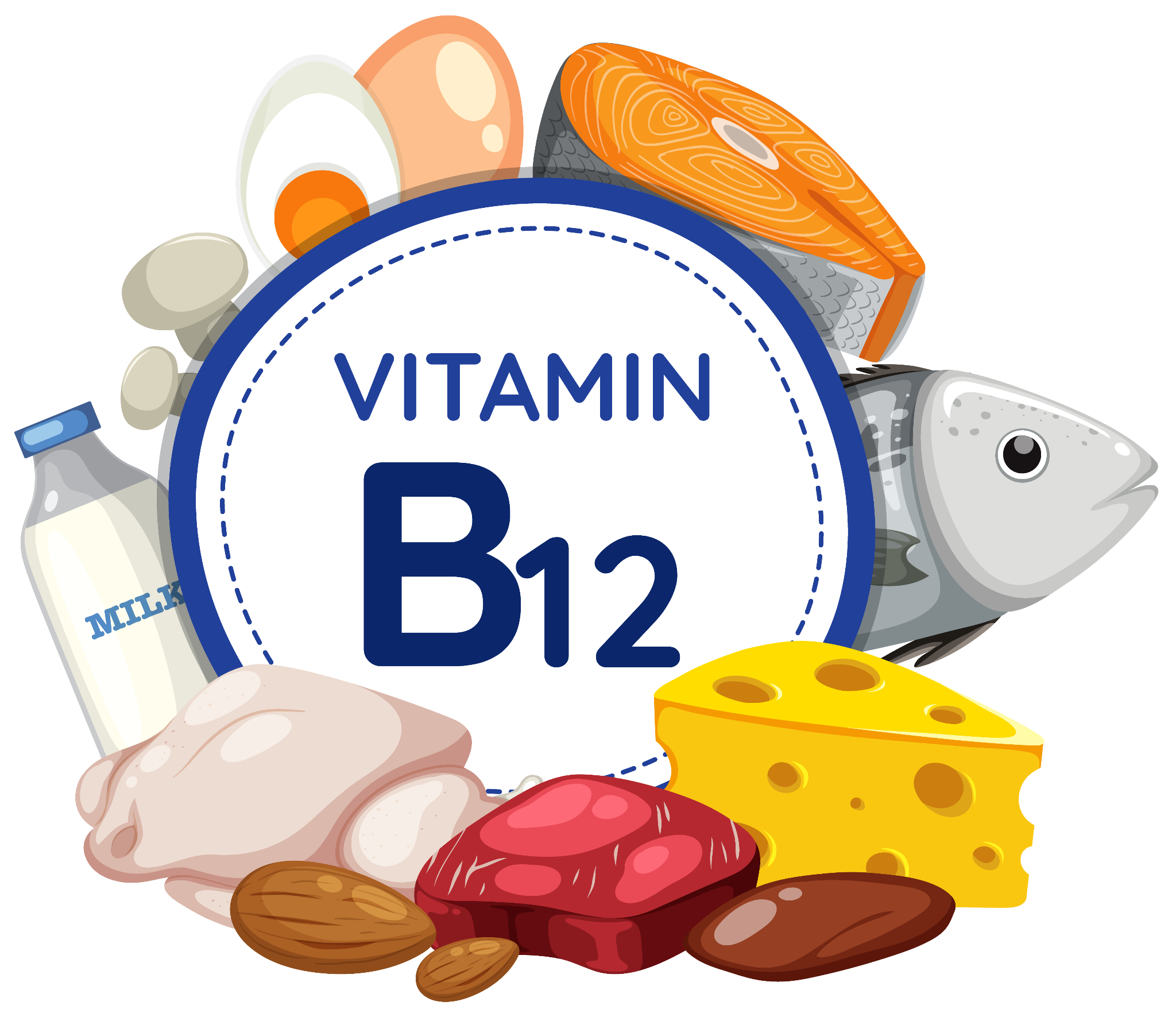
Vitamin B12 deficiency symptoms — tingling, fatigue, memory issues and more. Who's at risk in India and how to fix it. Prakash Hospital Noida.
30 Sept 2026
by Prakash Hospital

Intermittent fasting for Indians — what the evidence shows, how to fit it around Indian family meal times, and who should avoid it. Prakash Hospital Noida.
7 Oct 2026
by Prakash Hospital

कोलेस्ट्रॉल को नियंत्रित रखना दिल की सेहत के लिए बेहद ज़रूरी है। जानें HDL, LDL और ट्राइग्लिसराइड्स को संतुलित करने के आसान और प्रभावी उपाय।
5 Feb 2026
by Prakash Hospital

Understanding early symptoms of heart disease can help prevent severe complications. Learn about the key warning signs such as chest discomfort, fatigue, and breathlessness in this in-depth guide.
23 Jul 2025
by Prakash Hospital
Learn what causes heart palpitations and when they signal heart trouble. Expert insights and treatment from cardiologists at Prakash Hospital.
14 Nov 2025
by Prakash Hospital


Book a consultation with Prakash Hospital's specialists — 24/7 emergency care, 100+ doctors, NABH accredited.
View All Departments