


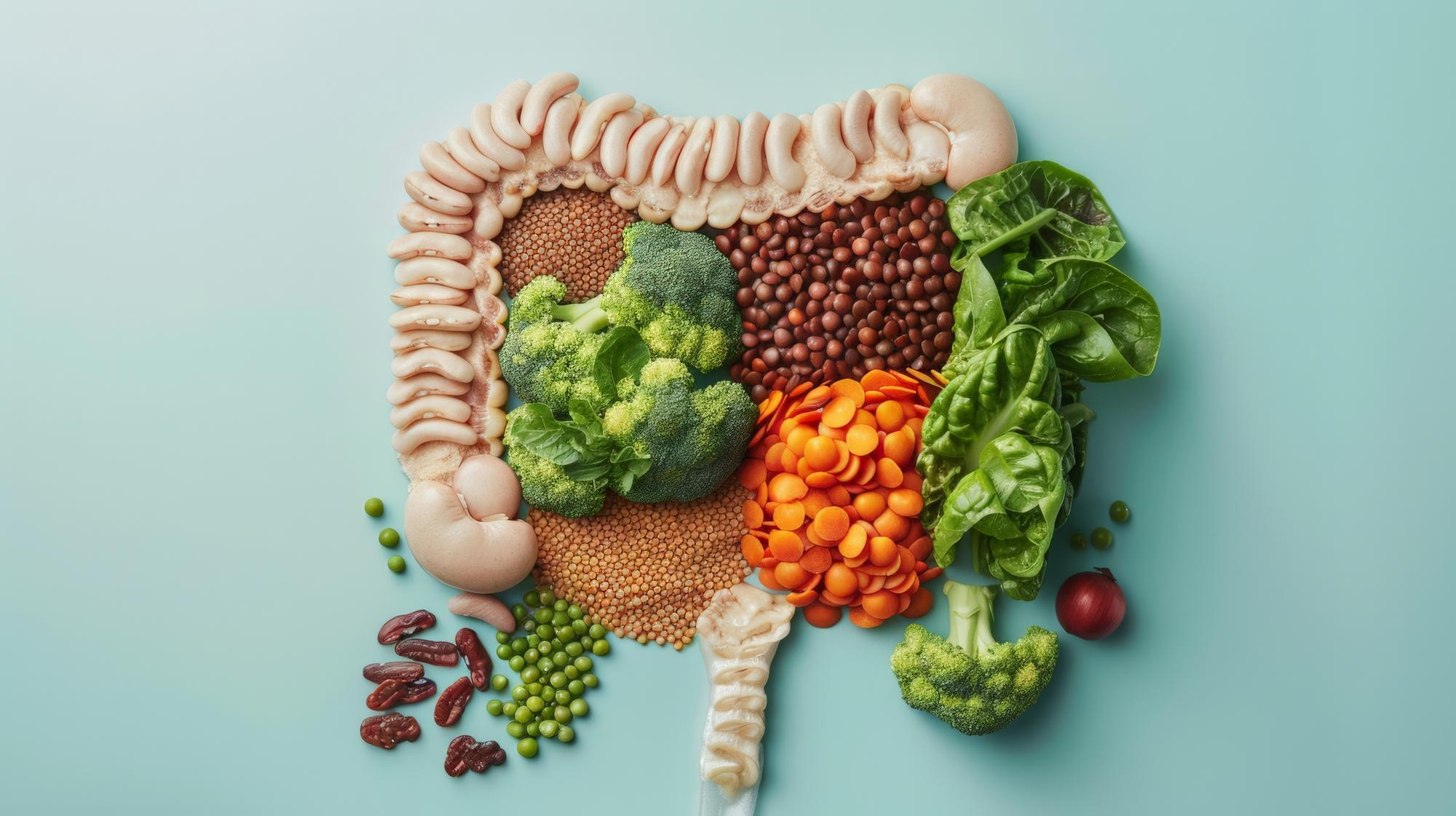
How to Improve Digestion: What Works and Why
How to improve digestion naturally with Indian diet, lifestyle changes, and traditional remedies. Guide from Prakash Hospital Noida.
18 Aug 2026
by Prakash Hospital
by Prakash Hospital
Dietary fibre is an essential component of a healthy diet and plays a critical role in digestive health, metabolic balance, and disease prevention. Despite its importance, many individuals consume far less fibre than recommended.
Fibre refers to the indigestible parts of plant-based foods that pass relatively intact through the stomach and intestines. Unlike carbohydrates, proteins, and fats, fibre is not broken down into absorbable molecules. Instead, it supports bowel function, gut microbiota, and metabolic health.
Fibre is divided into two main categories:
This type of fibre dissolves in water and forms a gel.
Benefits of soluble fibre include:
This type of fibre is especially important for people suffering from diabetes and high cholesterol.
This type of fibre does not dissolve in water and increases the bulk of the stool.
Benefits of insoluble fibre include:
According to global nutrition guidelines:
Regrettably, most adults only consume 15 grams of fibre per day, which puts them at a greater risk of suffering from a variety of diseases.
Insoluble fibre increases the bulk of the stool and makes the stool softer, thus making bowel movements easier and more regular.
Some fibres are prebiotics, which are compounds that provide nourishment to good bacteria in the gut. The breakdown of fibres by bacteria in the colon to produce short-chain fatty acids (SCFAs), which include butyrate, has the following functions:
A healthy gut microbiota helps to improve digestion and immune functions.
A high intake of fibre is associated with a reduced risk of:
Fibre helps to dilute and remove potential toxins from the colon more effectively.
Soluble fibres help to slow down carbohydrate absorption, thereby preventing an increase in blood glucose levels. This is especially important for:
Maintaining stable blood sugar levels helps to reduce complications.
Soluble fibres help to bind to bile acids in the intestine, thereby reducing cholesterol absorption.
A combination of these provides both soluble and insoluble fibres.
Dietary fibres and hydration are the first-line treatment.
Soluble fibres may be beneficial in maintaining bowel regularity; however, high amounts of insoluble fibres may exacerbate the symptoms.

Assorted fibre-rich foods arranged to promote better digestive health.
Helps in better control of blood sugar and prevents the increase in blood glucose after meals.
Helps in satiety and reduces the total calorie content.
Linked with lower cholesterol and heart health.
If there is a sudden increase in the amount of fibre in the diet, the following symptoms may occur:
To avoid these symptoms, it is advisable to:
Drinking enough water is important because fibres absorb water.
If there is an excessive amount of fibre in the diet without enough water, the following may occur:
Fibre supplements such as Psyllium husk are important in certain health conditions, but it is better to obtain fibres from the diet because they provide:
Dietary fibres provide a wide range of health benefits.
Research shows that high-fibre diets are associated with reduced risk of the following diseases:
Dietary fibres play an important role in maintaining health and preventing diseases.
The following symptoms warrant medical attention:

Informative infographic outlining key facts about irritable bowel syndrome.
The above symptoms could be associated with gastrointestinal diseases that require medical attention.
Dietary fibre is an essential nutrient that is important for digestive health, blood sugar management, cholesterol levels, and prevention of diseases. The addition of a variety of whole grains, fruits, vegetables, legumes, and nuts to daily meals can greatly improve digestive health and overall well-being.
A gradual increase in dietary fibre intake, along with an adequate intake of fluids, is important to maximize the benefits of fibre without causing discomfort.
At Prakash Hospital, our team of experts in gastroenterology and nutrition provide dietary counseling, evaluation of digestive disorders, and nutrition planning to improve health outcomes.
Schedule a consultation to seek expert guidance on improving digestive health.

This article covers gastroenterology concerns. These Prakash Hospital doctors in Noida treat them.

Dr. Syed Uzair Yawar
Consultant Gastroenterologist
Gastroenterologist · Hepatologist · Therapeutic Endoscopist

Dr. Rohit Singh
Consultant GI/HPB surgery
GI/HPB Surgery · Liver Transplant · Gastrointestinal Surgery
A camera test of the large bowel that investigates bleeding or bowel changes and removes polyps early.
A swallowed pill camera that photographs the small intestine to find hidden bleeding or Crohn's disease.
Endoscopic treatment through the mouth that removes bile duct stones and opens blockages causing jaundice.
Free tools to check your weight, plan a pregnancy, track calories and more.
We offer expert care across key specialties, including Medicine, Cardiology, Orthopaedics, ENT, Gynaecology, and more—delivering trusted treatment under one roof.
How to improve digestion naturally with Indian diet, lifestyle changes, and traditional remedies. Guide from Prakash Hospital Noida.
18 Aug 2026
by Prakash Hospital

Improve gut health naturally with diet, probiotics, and lifestyle tips guided by experts at Prakash Hospital.
7 Nov 2025
by Prakash Hospital
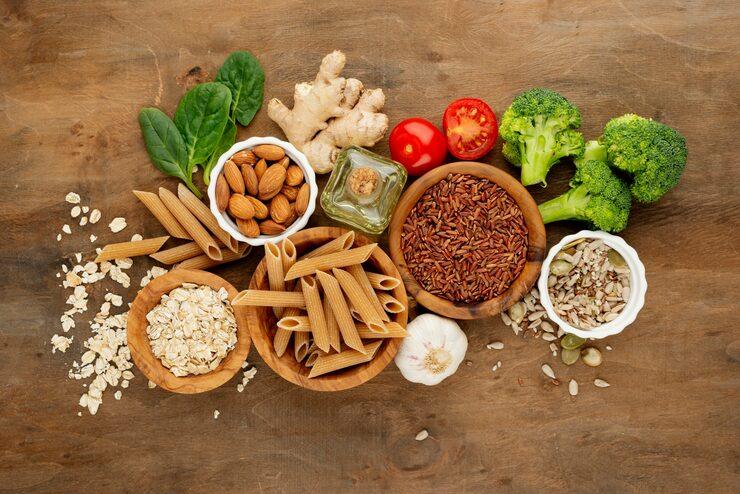
Learn the importance of dietary fiber for digestion, heart health, and immunity with expert-backed insights from Prakash Hospital, Noida.
15 Sept 2025
by Prakash Hospital

How to improve egg quality for fertility — diet, supplements, and lifestyle changes backed by evidence. Prakash Hospital Noida.
23 Sept 2026
by Prakash Hospital

Indian pregnancy diet plan, foods to eat in each trimester, key nutrients, and what to avoid. Visit Prakash Hospital Noida for maternity care.
10 Jul 2026
by Prakash Hospital

Early pregnancy signs — what to watch for in the first weeks, when to take a test, and what the symptoms mean. Prakash Hospital Noida.
23 Sept 2026
by Prakash Hospital

Best fruits to gain weight — bananas, mangoes, avocados, dates, and more calorie-dense fruit options. Visit Prakash Hospital Noida for nutrition consultation.
9 Jul 2026
by Prakash Hospital

Coconut water benefits — hydration, electrolytes, and health effects of this traditional drink. Visit Prakash Hospital Noida for nutrition consultation.
23 Jun 2026
by Prakash Hospital

Magnesium deficiency symptoms like cramps, poor sleep and anxiety, why it is common in India, and the best Indian foods for magnesium. Prakash Hospital Noida.
1 Oct 2026
by Prakash Hospital


Book a consultation with Prakash Hospital's specialists — 24/7 emergency care, 100+ doctors, NABH accredited.
View All Departments