Woman using an inhaler to manage asthma symptoms.
Asthma is a chronic disease that affects millions of children and adults worldwide. It affects the air passages of the lungs, causing breathing difficulties. Although asthma has no cure, it can be controlled if appropriate treatment, lifestyle changes and proper care are followed. The most essential thing in controlling asthma is knowing the facts. Knowledge will help in managing asthma and living a normal and active life.
Asthma is a chronic condition that involves inflammation, constriction and the production of excess mucus within the air passages. As a result, it is difficult for air to flow in and out of the lungs. There are individuals whose symptoms of asthma are mild while, for others, it could be life-threatening if not well managed.
Asthma usually develops in children but it is not uncommon for it to develop at other ages. In some cases, symptoms are occasional and there are also individuals with persistent symptoms.
In most cases, symptoms of asthma may differ from one individual to another and can sometimes become worse during certain times or when certain stimuli are involved. These include:
Although the cause of asthma is still unclear, it is thought that the disease occurs as a result of a complex interplay of both genetic and environmental components in the body. Those individuals with a familial tendency towards asthma and allergies are at a higher risk of developing the disease.
Other Risk Factors Include:
Knowledge of these risk factors may help lead to early diagnosis and improved control of asthma.
Symptoms of asthma can sometimes be triggered by certain conditions that irritate the air passages. Some of the conditions that can cause triggering of asthma include:
Allergic reactions vary from person to person because not all asthmatic persons may have the same triggers.
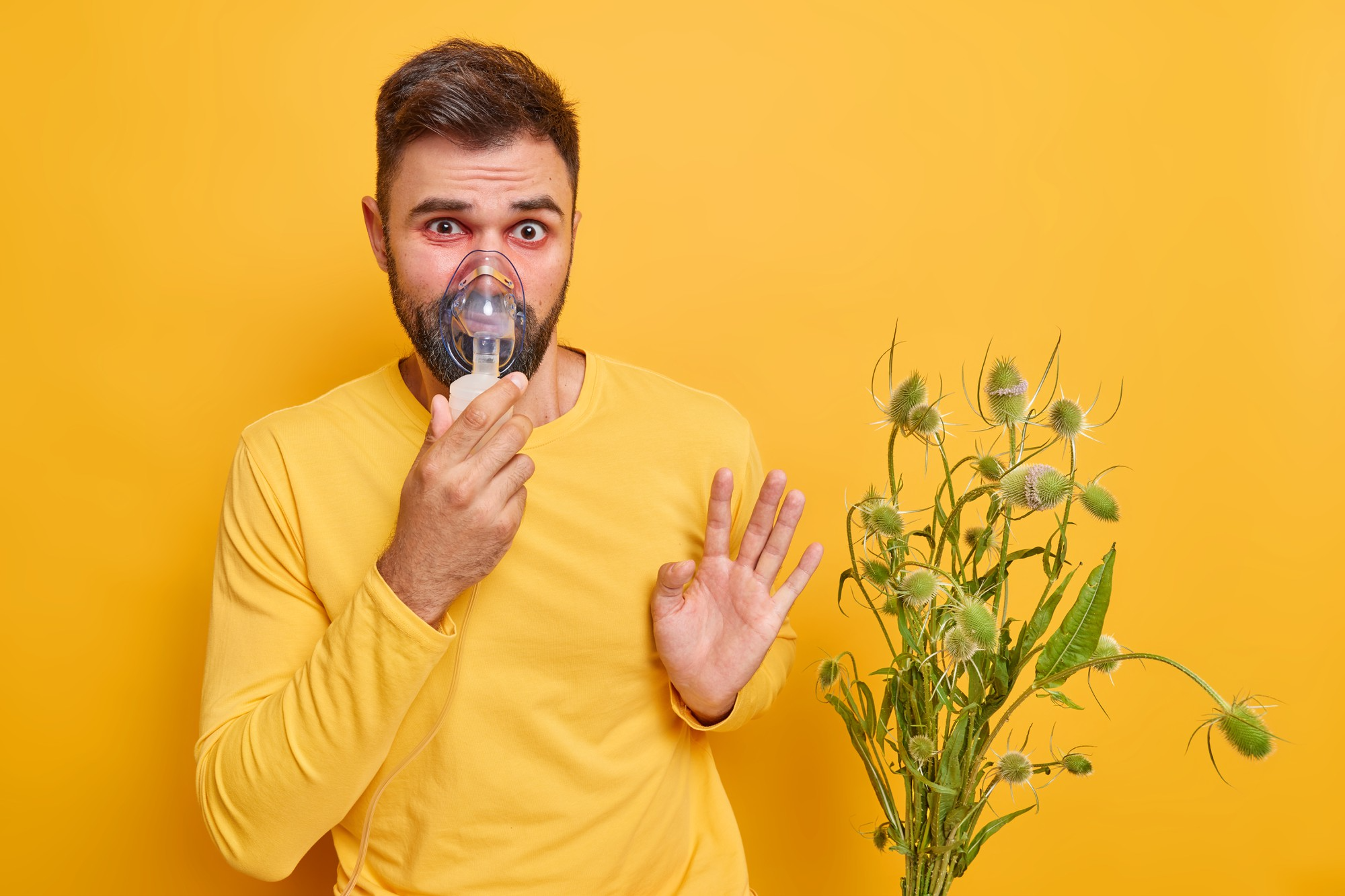
Man covering his face to protect himself from pollen.
It can be divided into various categories, which depend on the causative agent and the age at which it occurs:
It helps the doctor decide on a treatment method depending on the type of asthma.
The diagnosis of asthma involves a medical history, physical examination and breathing function tests. Various tests that a physician might order include:
Early diagnosis makes possible early treatment, which prevents severe attacks of asthma.
Asthma cannot be cured, so it is very important that it is managed effectively. When it comes to managing asthma, treatments involve taking medications and observing lifestyle adjustments.
Regular check-ups with a doctor are necessary because the treatment plan has to be modified periodically.
Symptoms in children may vary from those experienced by adults since at times, asthma in children can be mistaken for recurrent respiratory infections. Children may grow out of their asthma, but in other cases, asthma may progress to adulthood. In adults, asthma may be attributed to environmental exposure or hormonal influences.
In children and adults, early medical treatment is important to avoid lung damage.
With proper care, an individual with asthma does not have to live a restricted or inactive life. Education and awareness about the disease, along with following proper care procedures, are key factors that help control the condition and avoid an emergency.
At Prakash Hospital, asthma treatment includes proper diagnosis, tailored treatment and sustained respiratory health management. Skilled professionals employ sophisticated diagnostic procedures in assessing the triggers and severity of asthma, which helps in customized treatment.
Through a patient-centric strategy, education, compliance and prophylaxis are also emphasized in helping patients effectively control their asthma and live effortlessly by breathing easily.

Doctor checking a patient’s breathing during a respiratory examination.
You can contact a doctor in case you suffer from persistent episodes of wheezing, coughing, breathlessness and if asthmatic symptoms affect your daily life. In case of severe attacks of asthma and failure of medications in improving asthmic symptoms, you need to see a doctor immediately.
Asthma, being a chronic condition, can be controlled quite effectively in most sufferers if treated properly.
While asthma cannot always be prevented, proper management can minimize the symptoms.
Asthma is not a contagious condition.
Although exercise may induce symptoms in a few individuals, under proper care, the incorporation of exercise is recommended.
In some children, the symptoms may lessen with age, while in others, the condition may persist into adulthood.
 Copy
CopyWe offer expert care across key specialties, including Medicine, Cardiology, Orthopaedics, ENT, Gynaecology, and more—delivering trusted treatment under one roof.

Prakash Hospital Pvt. Ltd. is a 100 bedded NABH NABL accredited multispecialty hospital along with a center of trauma and orthopedics. We are in the service of society since 2001.
OUR SPECIALITIES
Patient Services
PROCEDURES
Contact Us
D – 12A, 12B, Sector-33, G. B. Nagar, Noida, Uttar Pradesh 201301
+91-8826000033


© 2026 All rights reserved.
Designed and Developed by Zarle Infotech