


Top 5 Warning Signs of Orthopedic Issues
Identify warning signs of orthopedic problems early and learn when to consult a specialist for joint and bone care.
6 Jun 2025
by Prakash Hospital
by Prakash Hospital
by Prakash Hospital
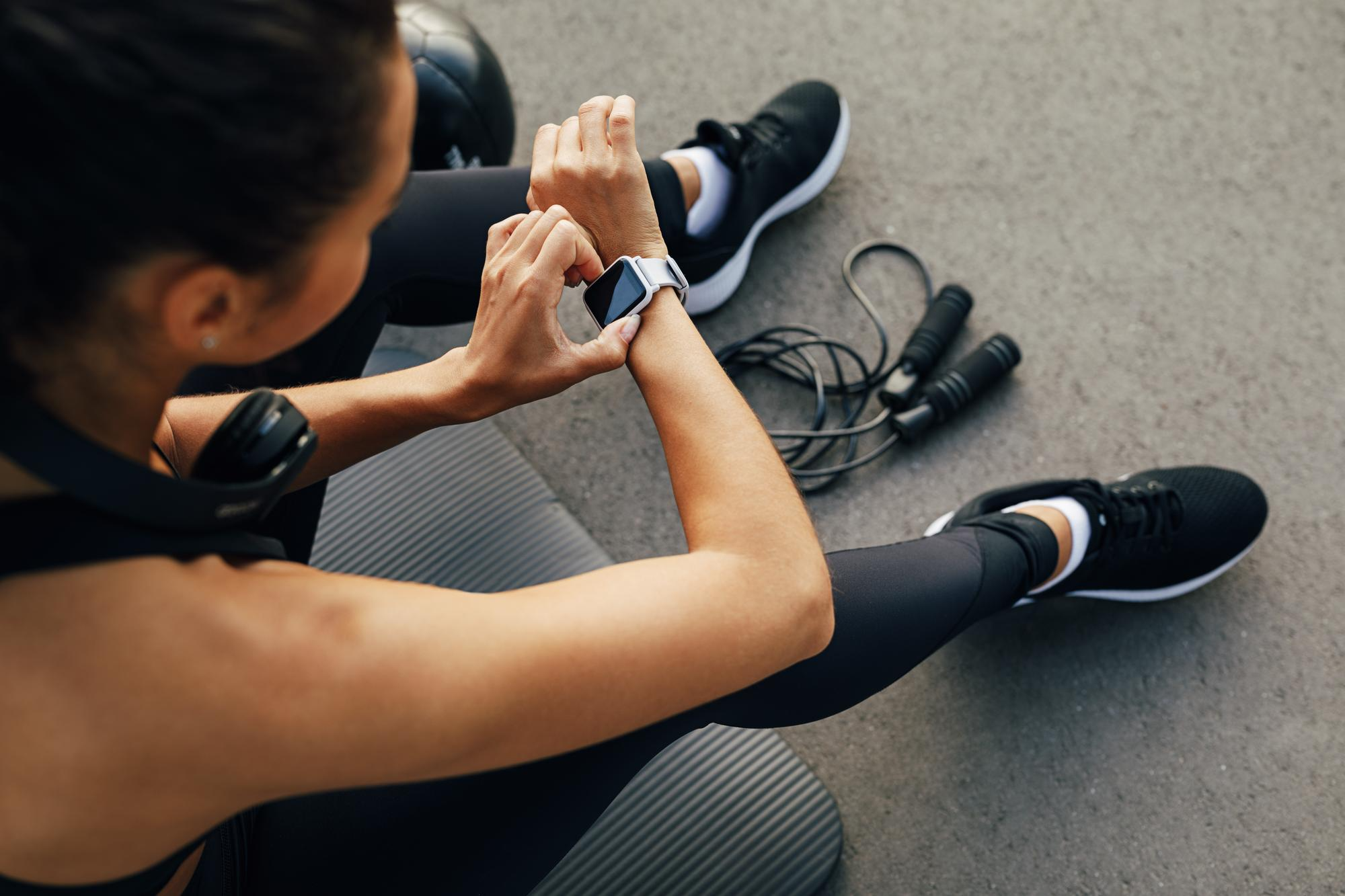
A person wearing a smartwatch to track heart rate and fitness.
Technology has revolutionized our lives in almost every sphere and healthcare is no exception. The most powerful innovation of recent decades is the rise in wearable devices, which can track and comprehend human health in real time. From smartwatches and fitness bands to advanced biosensors, wearable health technology is making preventive care easier, faster and more personal than ever before. These gadgets are changing not only how patients monitor their well-being but also how doctors diagnose, treat and manage diseases.
Wearable health devices are electronic devices that can be worn on the body, such as wristbands, watches, rings or patches. Health data is gathered and transmitted using sensors and digital technology. The common examples are fitness trackers that monitor steps and sleep, smartwatches tracking heart rate and medical-grade devices recording ECG or measuring oxygen saturation levels.
These devices are connected to mobile applications or cloud platforms that allow users to visualize and further analyze their health information. The data gathered over time can show trends, enable the early detection of health problems and inform medical decisions based on current evidence rather than intermittent check-ups.
While traditionally, people visited doctors only when they were sick, wearable technology today encourages preventive healthcare by giving users insights every day about their physical activity, sleep quality and overall wellness. Similarly, the early detection of anomalies by tracking parameters like heart rate variability, oxygen levels or even stress patterns signals the user to take remedial measures before serious problems arise.
For instance, sudden dips in oxygen levels or irregular heart rhythms with a smartwatch can quickly alert a person to seek medical attention before symptoms worsen. Similarly, continuous glucose monitoring devices aid people with diabetes in managing their blood sugar levels more effectively through real time feedback. Such a proactive approach to monitoring is gradually contributing to reducing hospital visits, cutting down healthcare costs and encouraging healthier lifestyle habits.
Wearables can detect subtle physiological changes that may signal the early beginnings of some disease processes. Early detection of irregular heartbeats, sleep apnea or high levels of stress permits timely intervention.
Everybody's body is different when it comes to diet, exercise and stress. Wearable devices individualize the data one receives, enabling personalized fitness and wellness plans.
For people living with conditions such as hypertension, diabetes or heart disease, continuous monitoring using wearable devices offers better control and tracking of vital parameters.
With real-time data sharing, doctors can monitor the patients remotely and make informed decisions faster. This not only saves time but also is consistent in ensuring quality care between visits.
Daily metrics can inspire users to be more active, sleep better and eat healthier. Instant feedback helps turn those healthy habits into long-term behavior changes.

A person checking common health metrics like heart rate and steps on a smartwatch.
Wearable devices will increasingly be of real value for healthcare professionals, as they will offer very accurate, continuous data useful in diagnosis, adjustment of treatments and long-term monitoring. For example, cardiologists use wearable ECG monitors in the detection of irregular heartbeats over days or weeks, which could not easily be picked up during the short time of a clinical test.
Wearables bridge the gap in telemedicine between patients and doctors. The physician can monitor vital signs, follow the course of recovery and spot warning signals of complications from a distance. This model saves time, reduces hospitalization and enables quality care for home-bound patients.
On a larger scale, wearable devices are making significant contributions to medical research and public health. The aggregated, anonymized data from millions can help in identifying trends such as how activity levels change during flu seasons or how stress patterns vary between age groups. These insights help researchers and policymakers design better health programs and predict disease outbreaks with greater accuracy.
While wearables have immense potential, certain challenges also persist with them. Data accuracy tends to vary by brand, not all devices are medically certified. Users and doctors should rely on validated clinically approved devices for critical monitoring.
Another issue is privacy, since wearable devices collect sensitive personal health information. This needs to be securely stored and shared only with healthcare providers that have been authorized to view it.
Cost and accessibility also pose a disadvantage in rural or low-income areas. As technology advances, improving affordability and data protection will be key in making wearable devices universally beneficial.

Data privacy to safeguard personal health information.
While wearables offer great insights, they cannot replace doctors' advice.
It is important to seek a doctor's opinion if:
Innovation and the integration of technology are key to better patient care at Prakash Hospital. Our specialists make use of data from wearables and other digital health tools in order to monitor vital signs, create customized treatment plans and encourage preventive care. We believe that it all starts with empowering the patient with information. Whether you are managing a chronic disease, recovering from surgery or just improving your wellness, we are here to guide and support you with expert care and compassion.
Wearable health technology is changing the way people think about health. Instead of waiting for illness, we can now track our health every day and take proactive steps toward prevention. By combining real-time data with professional medical guidance, wearable devices offer a smarter, more connected approach to wellness. As innovation continues, these tools will play an even greater role in helping to build healthier communities and in transforming modern healthcare.

Microneedling, laser, peels and minor procedures matched to your scar type to smooth pitted acne scars.
Opens a narrowed or blocked heart artery with a balloon and a stent, passed up from the wrist or groin.
A small device under the collarbone that keeps a slow or pausing heartbeat at a safe rate.
Free tools to check your weight, plan a pregnancy, track calories and more.
We offer expert care across key specialties, including Medicine, Cardiology, Orthopaedics, ENT, Gynaecology, and more—delivering trusted treatment under one roof.
Identify warning signs of orthopedic problems early and learn when to consult a specialist for joint and bone care.
6 Jun 2025
by Prakash Hospital
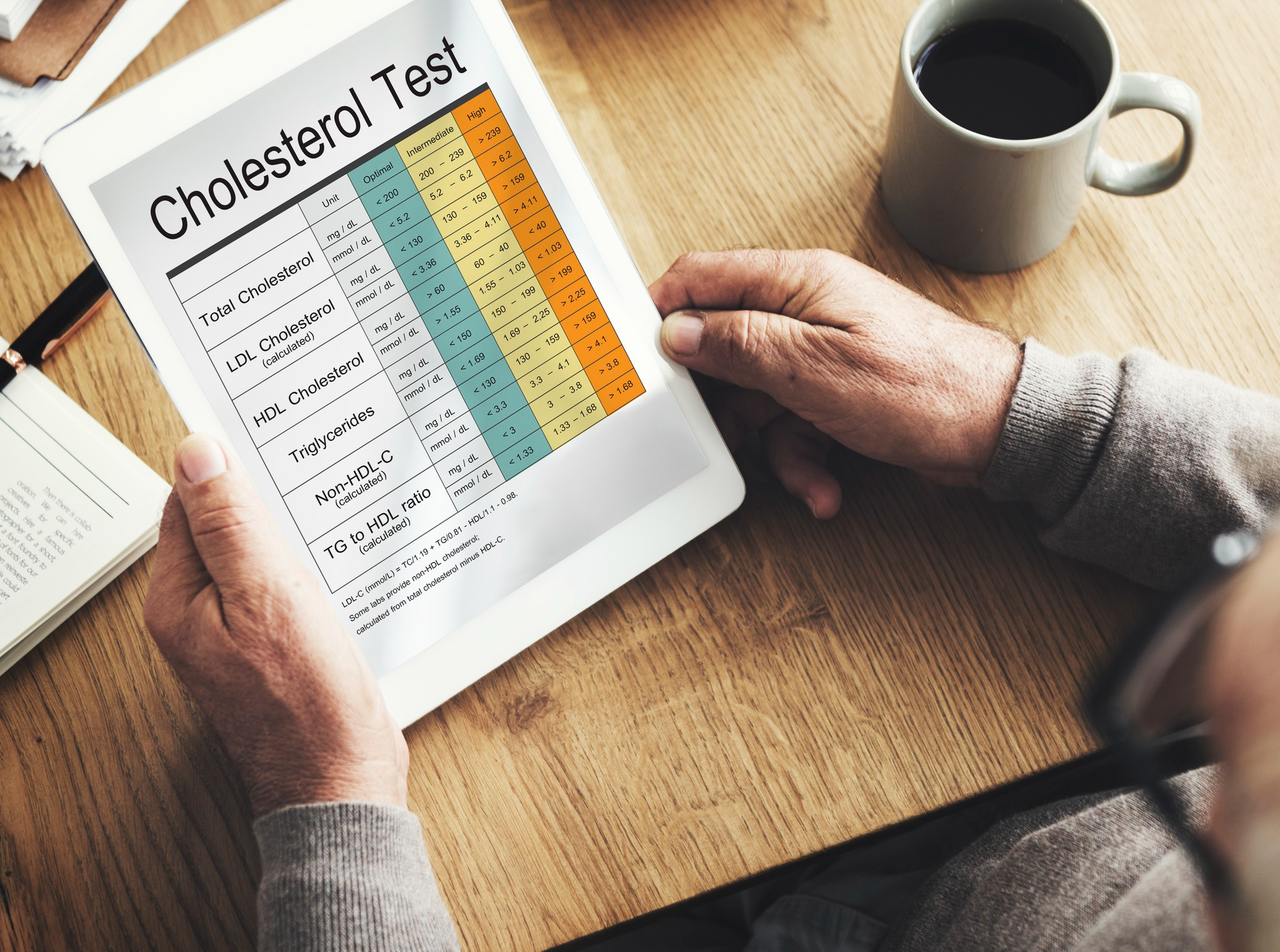
High triglycerides increase heart disease and pancreatitis risk. Know causes, tests, and treatment options. Visit Prakash Hospital Noida.
7 Jul 2026
by Prakash Hospital

Learn in detail about cervical neck pain, including causes, symptoms, treatment options, exercises, lifestyle changes, and prevention.
19 Jan 2026
by Prakash Hospital

What to expect at 7 weeks of pregnancy: baby's size and heartbeat, common symptoms, what a first scan shows, what to eat and warning signs that need a doctor.
16 Oct 2026
by Prakash Hospital

How to know when you are ovulating — signs, symptoms, and tracking methods. Useful guide for women trying to conceive. Prakash Hospital Noida.
24 Sept 2026
by Prakash Hospital

Why pregnancy causes acidity and heartburn, diet and sleep changes that help, medicines doctors advise, why to skip baking soda and signs needing urgent care.
12 Oct 2026
by Prakash Hospital


Book a consultation with Prakash Hospital's specialists — 24/7 emergency care, 100+ doctors, NABH accredited.
View All Departments