


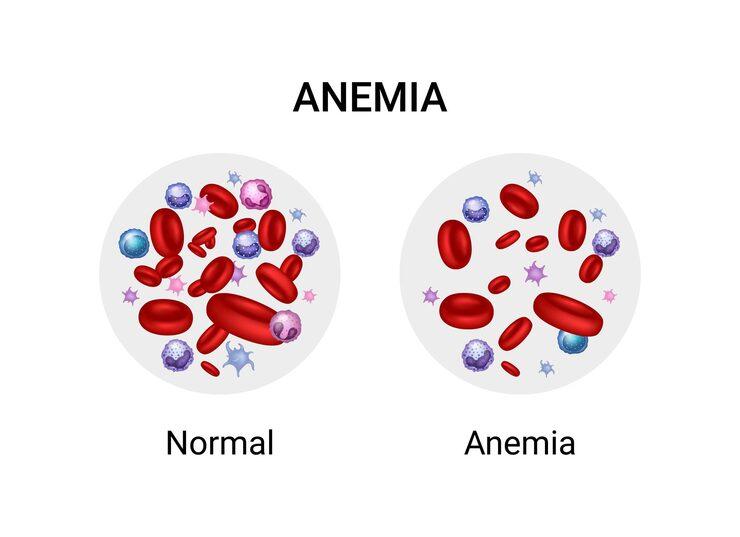
खून की कमी (Anemia) का पूरा मेडिकल विश्लेषण
खून की कमी (Anemia) के कारण, प्रकार, लक्षण और इलाज का पूरा विश्लेषण। थकान, पीलापन और सांस की तकलीफ को नजरअंदाज न करें। Prakash Hospital में पाएं सटीक जांच और इलाज।
10 Jun 2026
by Prakash Hospital
by Prakash Hospital
Iron is an important mineral that ensures your wellbeing. This nutrient forms hemoglobin, a protein found in red blood cells which transports oxygen around your body. Your body needs iron to make hemoglobin; otherwise, you may develop a disease called anemia.
Anemia is the most common deficiency disorder, particularly in women, children, and people who have poor eating habits. It makes you feel fatigued, weak, and less immune. Fortunately, anemia can be avoided and treated through proper nutrition.
In this article, we'll discover sources of iron, factors influencing its absorption, signs of anemia, and helpful recommendations for managing this problem.
Iron is necessary for transporting oxygen and generating energy in your body. Iron is required for efficient functioning since insufficient amounts of this mineral will affect your wellbeing negatively.
Iron is used for:
A lack of iron causes fatigue and poor physical fitness.
It is a protein compound present in red blood cells that transports oxygen from your lungs to other parts of the body. Iron is one of the crucial ingredients needed to form hemoglobin.
Normal hemoglobin levels in:
Decreased levels of hemoglobin indicate anemia.
There are two types of iron in foods which should be distinguished for better dietary intake.
This category refers to iron that comes from animal sources and can be well-absorbed by the body.
Found in:
These contain iron compounds derived from plant products.
Can be found in:
Consuming non-heme iron foods along with vitamin C aids better absorption.
Including iron-containing foods can provide you with a good amount of hemoglobin in your body.
Among the many green plants, these contain high amounts of non-heme iron.
Examples of leafy vegetables are:

A variety of iron-rich foods such as leafy greens, lentils, nuts, and seeds arranged to represent a nutrient-rich diet for boosting hemoglobin.
This is one of the staple foods that provide good amounts of iron from plants.
Types of legumes and pulses:
They also provide iron in addition to fat and protein.
List of nuts and seeds:
Fruits can be used as an additional source of iron.
Examples of iron-rich fruits:
Animal-based foods are important sources of highly absorbable iron for non-vegetarians.
Types of animal-based foods:
Iron-fortified foods are beneficial for people who need more iron.
Examples of iron-fortified foods:
Iron deficiency develops slowly, and its early signs are often not detected.
Common symptoms of anemia include:
Groups that have high risks for developing iron deficiency.
At risk groups for iron deficiency include:
The intake of iron is crucial however, what is equally vital is the absorption capacity of the body regarding iron. There are instances where individuals consume iron-rich foods, yet continue experiencing low hemoglobin levels due to poor absorption capabilities.
Here are some proven techniques that you can adopt to ensure your body absorbs and uses iron efficiently:
The presence of vitamin C makes it possible to absorb iron better since it transforms it into an absorbable form.
Combining:
Suggestion: Adding a little bit of lemon juice to your meal will make it easier to absorb iron.
Tannins and polyphenols present in tea and coffee can interfere with the absorption process after meals, hence, causing complications.
What should you do instead?
Consuming only iron will not help your body; you need additional nutrients such as B12 and folate.
Foods rich in these vitamins include:
Iron content in the food cooked in iron vessels is naturally increased. This process works better in case of acidic foods.
Most effective for:
Healthy digestion is necessary for iron as well as other mineral absorption.
How to improve?

Fresh green leafy vegetables such as spinach and kale, representing natural sources of iron and essential nutrients.
Excessive consumption of calcium can inhibit absorption of iron if done together.
Right way:
Skipping meals can affect overall absorption capacity of the body and energy levels.
Must maintain:
Highly processed foods hinder iron and nutrient absorption and lack sufficient minerals including iron.
To reduce:
Increasing hemoglobin percentage requires consistent efforts and not occasional steps. Daily iron intake will steadily raise your hemoglobin level.
If you have low hemoglobin or diagnosed Anemia, diet alone may not be enough.
Seeking a doctor becomes important in case the symptoms do not subside even after making modifications in the diet.
You should visit a doctor when you:
The right kind of diagnosis and treatments are required for treating anemia.
Professional help for diagnosing and treating anemia can be obtained from Prakash Hospital by experienced doctors.
Feeling constantly tired or low on energy isn’t something you should ignore.
Visit Prakash Hospital for accurate diagnosis and personalized treatment. Get your hemoglobin levels checked and take the first step toward better health.
Yes, it’s possible. Fatigue can also be caused by low iron stores (ferritin), poor sleep, stress, or other deficiencies like vitamin B12. If symptoms persist, further testing may be needed beyond just hemoglobin levels.
Eating iron-rich foods doesn’t always guarantee absorption. Factors like tea/coffee intake, poor gut health, or lack of vitamin C can reduce how much iron your body actually uses.
Iron is better absorbed on an empty stomach, but it can sometimes cause stomach discomfort or nausea. If that happens, it can be taken with a light meal as advised by your doctor.
Yes, too much iron can be harmful and may lead to digestive issues or iron overload. Supplements should only be taken when prescribed, self-medication is not recommended.
Women lose blood during menstruation, which increases iron requirements. Pregnancy and breastfeeding also raise iron needs, making deficiency more common.
Yes, low iron levels can reduce oxygen supply to the brain, leading to poor concentration, brain fog, and reduced productivity.
As iron levels improve, you may notice:
However, blood tests are the most reliable way to confirm improvement.
Yes, overcooking can reduce nutrient content. Also, cooking in iron utensils can slightly increase iron content, especially in acidic dishes.
Yes, during growth phases, the body’s iron demand increases. Even a decent diet may not meet these needs if it lacks variety or proper absorption support.
You should consider testing if you experience:
Routine testing is also important for women, especially during pregnancy.

This article covers general medicine concerns. These Prakash Hospital doctors in Noida treat them.

Dr. Birendra Pawar
Consultant Internal Medicine
Hysterectomies · Laparoscopic Hysterectomies · Gynecological Pathologies

Dr. Sunil P. Chaudhary
Consultant Internal Medicine
Diabetes · Hypertension · Thyroid Disorders
Anti-wrinkle injections and hyaluronic acid fillers that soften lines and restore facial volume, with no downtime.
Removes the uterus through keyhole cuts, for fibroids, heavy periods or adenomyosis that other treatment hasn't fixed.
Hearing tests, scans and counselling to decide whether a cochlear implant can help where hearing aids no longer do.
Free tools to check your weight, plan a pregnancy, track calories and more.
We offer expert care across key specialties, including Medicine, Cardiology, Orthopaedics, ENT, Gynaecology, and more—delivering trusted treatment under one roof.
खून की कमी (Anemia) के कारण, प्रकार, लक्षण और इलाज का पूरा विश्लेषण। थकान, पीलापन और सांस की तकलीफ को नजरअंदाज न करें। Prakash Hospital में पाएं सटीक जांच और इलाज।
10 Jun 2026
by Prakash Hospital

Learn how to avoid anemia when you are pregnant with the insightful advice from the seasoned doctors of Prakash Hospital, Noida.
16 Sept 2025
by Prakash Hospital
Monsoon brings dengue, malaria, viral fever, and gut infections. Here's how to strengthen your immunity before and during the season. Prakash Hospital Noida.
18 Aug 2026
by Prakash Hospital

Comprehensive guide on lowering high blood pressure naturally through diet, exercise, weight control, and medical monitoring.
24 Feb 2026
by Prakash Hospital

Learn what atherosclerosis is, how plaque builds up in arteries, its causes, symptoms, risk factors, and how to prevent heart attack and stroke
6 Mar 2026
by Prakash Hospital

Leg pain while walking, cold feet, slow-healing wounds, these could be early signs of Peripheral Artery Disease. Prakash Hospital's vascular specialists in Noida explain what to watch for and when to act.
6 Apr 2026
by Prakash Hospital

Intermittent fasting for Indians — what the evidence shows, how to fit it around Indian family meal times, and who should avoid it. Prakash Hospital Noida.
7 Oct 2026
by Prakash Hospital

Iron-rich foods — the best sources to boost hemoglobin, prevent anaemia, and stay energetic. Visit Prakash Hospital Noida for blood tests and nutrition care.
29 Jun 2026
by Prakash Hospital

Best fruits to gain weight — bananas, mangoes, avocados, dates, and more calorie-dense fruit options. Visit Prakash Hospital Noida for nutrition consultation.
9 Jul 2026
by Prakash Hospital


Book a consultation with Prakash Hospital's specialists — 24/7 emergency care, 100+ doctors, NABH accredited.
View All Departments