


HbA1c and Blood Sugar Testing: What the Numbers Actually Mean
HbA1c test, fasting blood sugar, postprandial sugar, and continuous glucose monitoring explained. Visit Prakash Hospital Noida for diabetes care.
2 Jul 2026
by Prakash Hospital
by Prakash Hospital

Glucometer showing a healthy blood sugar level.
Blood sugar, also termed blood glucose, is the concentration of glucose in the blood. It is the body’s main source of energy and is obtained from the food we eat, specifically from the carbohydrate content. Insulin, a substance produced by the pancreas, is responsible for the absorption of the sugar into the body’s cellular structures.
It is crucial to keep blood sugar levels within the normal range. If blood sugar levels are low or high, it could have a reaction on different parts of the body.
This will make sure that the brain and muscles receive adequate energy. Irregular levels can cause the following potential complications:
Early awareness helps prevent long-term damage.
**Normal blood sugar ranges explained
**Blood sugar levels are measured at different times and normal values vary based on timing and testing method.
This test is done after at least 8 hours of fasting.
• Normal: 70-99 mg/dL
• Prediabetes: 100-125 mg/dL
• Diabetes: 126 mg/dL or higher
Measured about 2 hours after eating.
• Normal: Less than 140 mg/dL
• Prediabetes: 140-199 mg/dL
• Diabetes: 200 mg/dL or higher
Measured at any time of the day.
• Normal: Usually below 140 mg/dL
• Diabetes suspected: 200 mg/dL or higher with symptoms
HbA1c reflects average blood sugar over the past 2-3 months.
• Normal: Below 5.7%
• Prediabetes: 5.7-6.4%
• Diabetes: 6.5% or higher
HbA1c is a key test for diagnosing and monitoring diabetes.
Doctor checking blood sugar test reports.
Difference between high and low blood sugar
Both high and low blood sugar levels can be harmful.
It happens when the body has no insulin or when the body’s cells don’t respond to insulin. The common symptoms are:
It happens when blood sugar falls below the normal level. The symptoms include:
Blood sugar levels can be impacted by many conditions. These are:
Understanding all of them helps in better control.
Not all people require monitoring of their blood sugar levels on a day-by-day basis; there are certain populations who require it regularly.
These include:
Early monitoring makes possible early intervention.
A closely controlled diet can also help regulate blood sugar. Nutritional principles for good eating habits are:
In recent years It increases the body's sensitivity to insulin and enhances the ability of body cells to process glucose. Beneficial activities are:
Even a moderate level of physical activity can contribute immensely to better regulation of sugar levels in the blood.

Man stretching as part of a healthy lifestyle.
If blood sugar values are persistently abnormal, medical advice should be sought. Consult a doctor if you have any of the following symptoms:
Early detection avoids complications.
At Prakash Hospital, glucose level analysis is carried out by accurate lab tests, monitoring of HbA1c and medical advice. Patient education regarding diet management, life changes and disease management is provided based on individual requirements. Early diagnosis, proper management and prevention of diabetes-related complications enter every facet.
Preventive measures include a healthy lifestyle and:
When a person takes the right lifestyles, monitors his or her levels regularly and seeks medical attention, it becomes easy for him or her to keep blood levels normal and stay away from diabetes.

Keyhole surgery on the ovaries to restart ovulation in PCOS when tablets haven't worked, without raising the twin risk.
Rebuilds a torn ACL with a tendon graft through keyhole surgery to stop the knee giving way.
A needle sample of kidney tissue that finds the cause of protein or blood in the urine, or of failing kidneys.
Free tools to check your weight, plan a pregnancy, track calories and more.
We offer expert care across key specialties, including Medicine, Cardiology, Orthopaedics, ENT, Gynaecology, and more—delivering trusted treatment under one roof.
HbA1c test, fasting blood sugar, postprandial sugar, and continuous glucose monitoring explained. Visit Prakash Hospital Noida for diabetes care.
2 Jul 2026
by Prakash Hospital

Learn what blood sugar levels are, their normal ranges, and how to manage high or low blood sugar through diet, lifestyle, and medical care.
22 Apr 2026
by Prakash Hospital

Viral fever symptoms vs bacterial infection signs — how to tell them apart and when antibiotics are actually needed. Prakash Hospital Noida.
19 Aug 2026
by Prakash Hospital

Learn about the early symptoms of breast cancer, common warning signs, risk factors, and when to see a doctor. Consult specialists at Prakash Hospital.
11 Feb 2026
by Prakash Hospital

पीसीओएस यानी Polycystic Ovary Syndrome क्या है, इसके लक्षण, कारण, जांच और इलाज के तरीके हिंदी में जानें।
23 Jan 2026
by Prakash Hospital

Learn the early symptoms of perimenopause, hormonal changes, irregular periods, mood swings, and treatment options.
11 Mar 2026
by Prakash Hospital
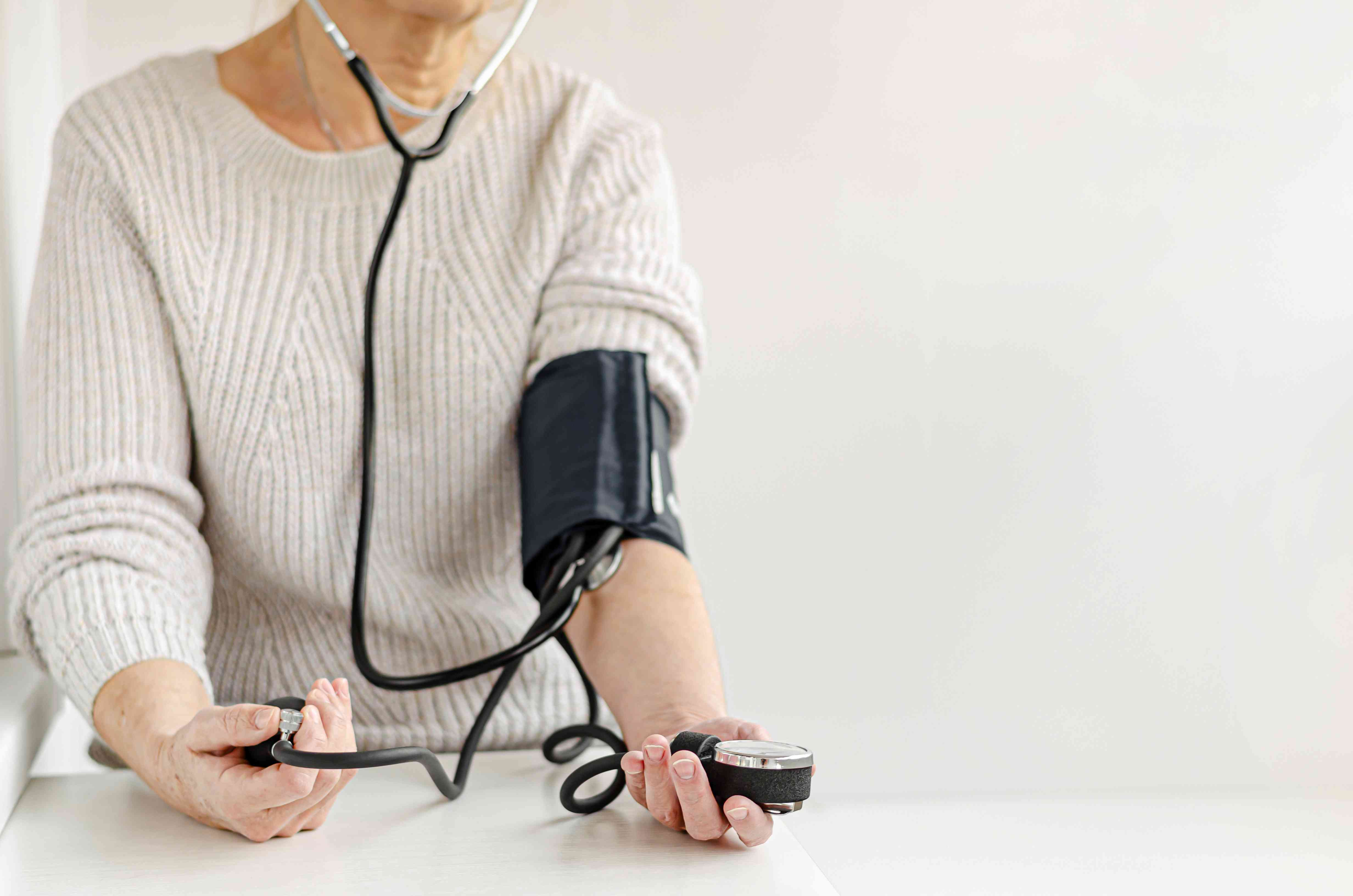
Practical ways to lower blood pressure naturally through diet, exercise, and lifestyle — plus when medication is needed. Prakash Hospital Noida.
5 Aug 2026
by Prakash Hospital

The best immunity boosting foods for Indians — from amla and turmeric to dal and garlic. Science-backed guide from Prakash Hospital Noida.
18 Aug 2026
by Prakash Hospital
Diabetes types, symptoms, diagnosis, and management. Visit Prakash Hospital Noida for comprehensive diabetes care.
17 Jul 2026
by Prakash Hospital


Book a consultation with Prakash Hospital's specialists — 24/7 emergency care, 100+ doctors, NABH accredited.
View All Departments