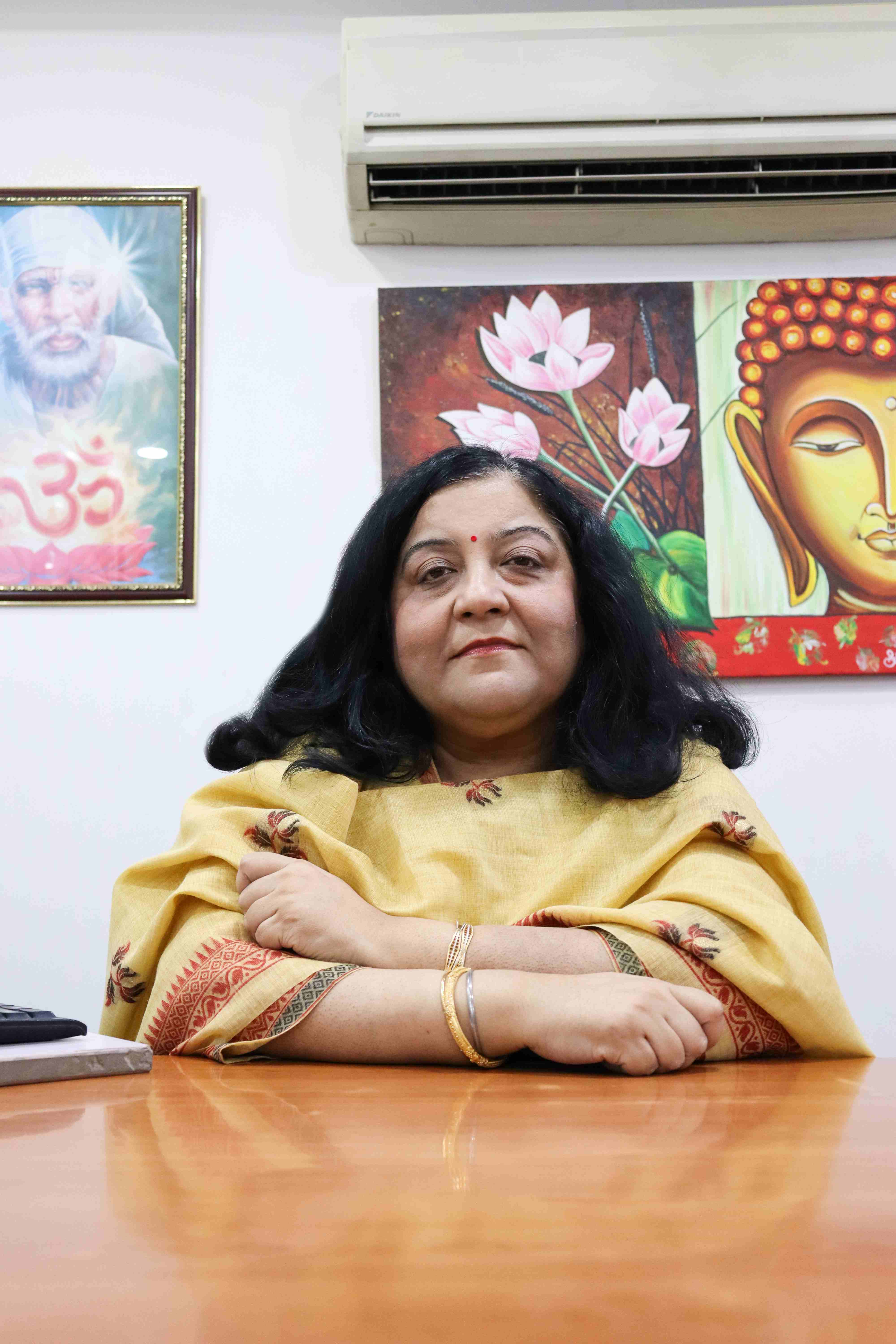
A woman lying on a couch while holding her abdomen, showing discomfort from menstrual cramps or stomach pain.
Menstrual cramps are often referred to as dysmenorrhea. While slight pain may be experienced normally, there are cases whereby the pain becomes unbearable and affects women's activities, work, and general wellbeing.
Periods cramps happen as a result of the contracting of the womb while shedding off its lining. In some women, this condition is not so serious, but in others, it leads to extreme abdominal pain, back pain, nauseating sensation, and fatigue.
It is important to note that period pain can be controlled using appropriate medications and other management practices such as making lifestyle changes.
In this article, we look at what period pain is, causes, best medicines to control the pain, natural treatments, and when you need to visit the hospital.
It is necessary to understand the underlying causes of period cramps to come up with the proper treatment. Prostaglandin is the chemical substance that results in contraction of the uterus, causing restriction in blood flow and pain.
The main causes of period pains include:
Not all menstrual pain is the same. It can be classified into two main types based on the underlying cause.
The most common type of dysmenorrhea and is not related to any medical condition.
Features:
In this case, it happens due to underlying medical conditions.
Causes:
This type of pain can become worse over time.
Menstrual cramps can be anything from mild discomfort to severe pain which affects everyday life.
Symptoms of menstrual cramps:
Medication is one of the best ways to cope with menstrual cramps, but remember you must use drugs wisely.
These drugs are widely used since they block prostaglandin release.
Examples of NSAIDs are:
They work best if taken early in pain.
If your pain is less intense, then paracetamol will fit perfectly.
Relax the uterus muscles and reduce cramps.
In some cases, doctors may recommend hormonal birth control to regulate periods and reduce pain.
Women often rely on natural methods to help ease the symptoms of menstrual pain, which can prove very effective depending on consistency in treatment.
The use of heat helps relax the uterine muscles and improves blood flow.
These include:
Most effective and quick ways of relieving pain
There are some teas that have anti-inflammatory qualities that aid in relaxation.
Such teas include:
It is quite possible to alleviate pain through light exercise, even if it does not appear easy.
Activities include:
This involves massaging the abdomen area to help reduce pain.
It is important to realize what kind of food helps ease period cramps by minimizing the pain.
Some foods include:
Drinking lots of water reduces bloating and other related symptoms.
Nutrition acts in tandem with the other natural treatments to minimize pain.
These foods include:
There are foods that might increase menstrual cramps, which one should avoid.
Dealing with period pains involves creating habits that will gradually minimize their severity. Simple adjustments to one's lifestyle can ensure regulated hormones, improved blood circulation, and easier periods every month.
Exercise regulates blood flow and lowers the formation of prostaglandins, causing muscle spasms.
Recommendations:
Pro tip: Exercise is an effective way to relieve period cramps even if you do not feel like moving around.
Sleep greatly affects hormone levels and how you perceive pain sensations. A lack of proper sleep makes cramps harder to tolerate.
Tips for improving sleep:
Pro tip: Try sleeping in the fetal position to minimize abdominal compression.
Stress increases cortisol secretion, causing hormonal imbalances that exacerbate menstruation symptoms.
Recommendations for stress reduction:
Pro tip: Start stress management a few days before your period for better results.
Knowing your body enables you to prepare in advance rather than reacting to pain.
Reasons to chart:
Pro tip: There are multiple tools that allow you to chart menstrual cycles.
Food is a key factor influencing hormones in the body and causes inflammation.
Concentrate on:
Pro tip: Begin consuming smaller portions of healthy food 2-3 days before the cycle begins.
Too much caffeine may cause anxiety and muscle tension, whereas excess salt leads to bloating.
Alternative options:
Pro tip: It can help reduce your symptoms.
Heat eases uterine muscle tension and promotes blood circulation.
Develop a routine:
Pro tip: Research proves that heat therapy is as efficient as medications in relieving cramps.
Either low or high body weight can affect your hormones and exacerbate menstrual symptoms.
Work on:
Hydration is key to minimizing bloating and muscle tension.
Ways to stay hydrated:
Lifestyle modifications can help, yet they are never a substitute for professional medical assistance in necessary cases.
Take notice if:
Pro tip: Seeking timely treatment may reveal such conditions as endometriosis and fibroids.
While menstrual pain is quite common, you should always take any serious or uncharacteristic pain into consideration.
Seek professional medical help if:
There’s no need to simply endure menstrual pain.
If you experience painful cramps, pain that gets worse or starts interfering with your daily activities, visit your physician for an assessment. With the appropriate management of the issue, the results will be outstanding.
Visit Prakash Hospital for expert women’s health consultation Get a personalized plan based on your symptoms.
Book your appointment today and take control of your menstrual health
Period pain can vary month to month due to hormonal fluctuations, stress levels, sleep quality, and lifestyle changes. Factors like poor diet or increased stress can increase prostaglandin levels, leading to stronger cramps.
Occasional use is generally safe, but needing painkillers every cycle or increasing doses over time may indicate an underlying issue. It’s best to consult a doctor if pain is recurring or worsening.
Yes, irregular eating can lead to low blood sugar and increased fatigue, which may make cramps feel more intense. Eating balanced, regular meals can help maintain energy and reduce discomfort.
There’s no strong scientific evidence that cold foods directly worsen cramps, but some people feel more discomfort. Warm fluids are generally more soothing and may help relax muscles.
Yes, severe cramps can impact mood, causing irritability, anxiety, or low mood. Hormonal changes during menstruation can also contribute to emotional symptoms.
Yes, cramps can begin 1-2 days before menstruation due to rising prostaglandin levels. However, severe pre-period pain should be evaluated.
Yes, dehydration can increase muscle tension and bloating, which may intensify cramps. Staying hydrated can help reduce discomfort.
No, complete rest isn’t necessary. Light movement like walking or stretching can actually relieve cramps, while intense workouts can be adjusted based on comfort.
In some cases, severe pain caused by conditions like endometriosis may be linked to fertility concerns. If pain is severe or persistent, it’s worth getting checked.
If your pain:
your doctor may recommend tests like ultrasound to rule out underlying conditions.
 Copy
CopyWe offer expert care across key specialties, including Medicine, Cardiology, Orthopaedics, ENT, Gynaecology, and more—delivering trusted treatment under one roof.
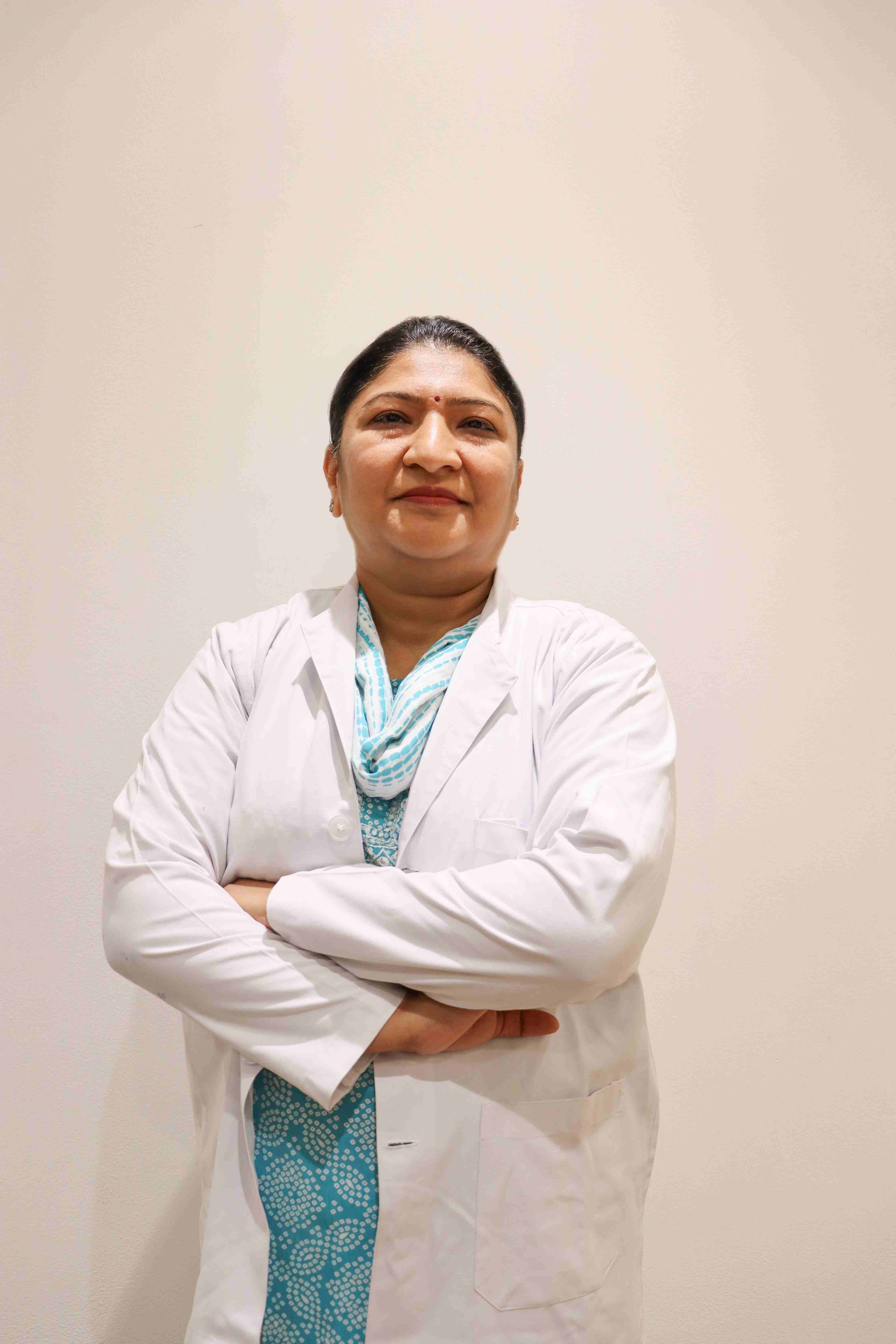
Dr. Meenakshi Nashi
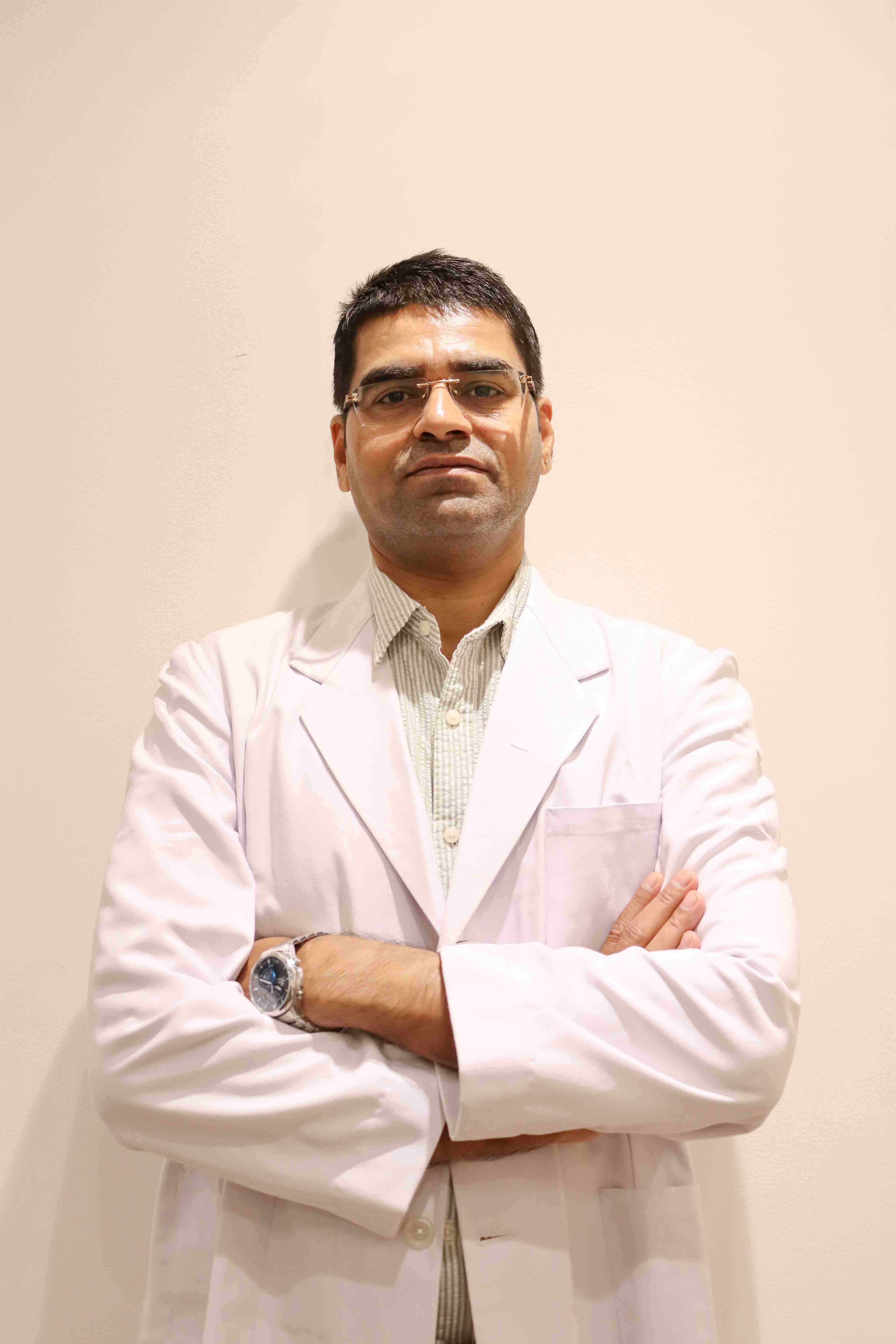
Dr. Divyajyoti Sharma

Dr. Alka Kapoor


Book a consultation with Prakash Hospital's specialists — 24/7 emergency care, 100+ doctors, NABH accredited.

Prakash Hospital Pvt. Ltd. is a 100 bedded NABH NABL accredited multispecialty hospital along with a center of trauma and orthopedics. We are in the service of society since 2001.
OUR SPECIALITIES
Patient Services
PROCEDURES
Contact Us
D – 12A, 12B, Sector-33, G. B. Nagar, Noida, Uttar Pradesh 201301
+91-8826000033


© 2026 All rights reserved.
Designed and Developed by Zarle Infotech