


How to Lower High Blood Pressure Naturally
Comprehensive guide on lowering high blood pressure naturally through diet, exercise, weight control, and medical monitoring.
24 Feb 2026
by Prakash Hospital
by Prakash Hospital
by Prakash Hospital

A person donating blood to support patients in need.
Blood donation represents one of the simplest, most powerful acts of humanity that a person can carry out. One donation has the potential to save numerous lives, support life-saving medical treatments and make healthcare systems much stronger. Despite the lifesaving importance, in many parts of the world, blood donation rates are below what is needed, which may be the reason for frequent shortages in times of emergencies.
Understanding the importance of blood donation creates awareness, encourages voluntary participation and fosters a culture in which donation becomes a regular and responsible habit.
Blood donation is the process of voluntarily donating blood for medical uses. The donated blood, after careful testing and processing, undergoes storage in a blood bank before being issued to the patients who require it. This blood is used in surgeries, trauma care, cancer treatments, childbirth complications and for people with chronic conditions such as thalassemia and sickle cell anemia.
There are different types of blood donation, including:
Each has a different medical purpose it could serve and supports different patient needs.
The supply of blood is very crucial in road accidents and severe injuries whereby patients lose tremendous amounts of blood. In this regard, immediate transfusion is the difference between life and death. Blood banks are wholly dependent on donors to ensure an adequate supply in case of such emergencies.
Complex surgeries like heart operations, organ transplants and major trauma surgeries require multiple units of blood. Without a steady supply of donated blood, hospitals cannot perform these procedures safely.
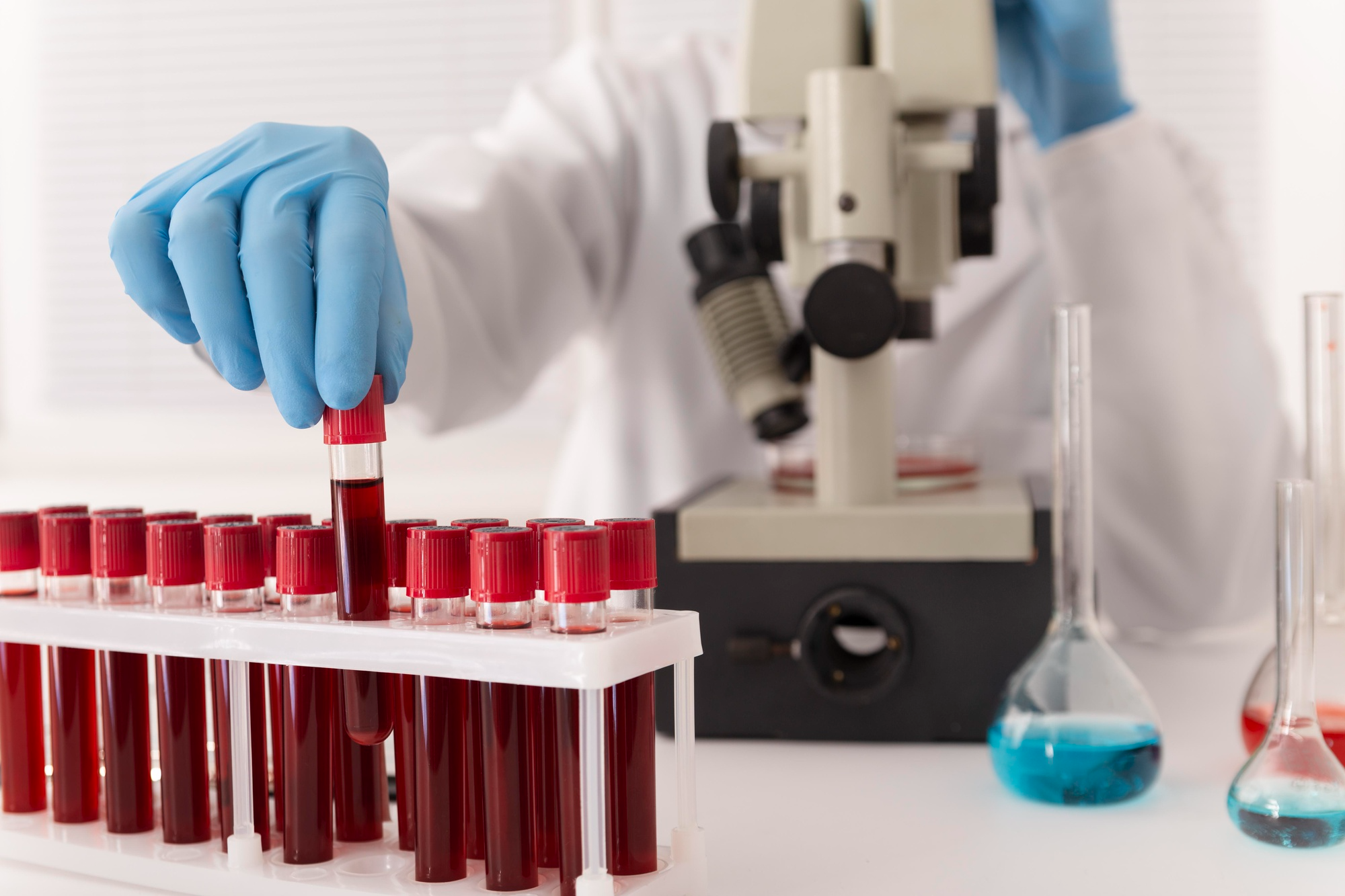
Blood samples in tubes showing importance of blood donation.
Treatments such as chemotherapy and radiation can weaken the body's ability to create healthy blood cells. Transfusions of blood and platelets regularly help to maintain a patient's strength and immunity during these treatments.
PPH, Postpartum Hemorrhage is one of the major causes of maternal death. Timely blood transfusion on complications at birth saves innumerable mothers and newborns every year.
People with conditions such as thalassemia, haemophilia and sickle cell anemia require lifelong blood transfusions and depend upon blood donations to survive. Regular donors ensure continuity of care for these patients.
Most people think blood donation benefits only the recipient but also has its donor advantages.
Donating blood is also a free mini health check-up because your blood pressure, haemoglobin level and infectious disease status are checked.
A reliable blood donation system shores up the entire infrastructure of healthcare. It prepares the hospitals for emergencies and ensures no patient is refused treatment for want of blood. Voluntary blood donation will also reduce dependency on paid donors, thereby minimizing infection and unsafe transfusions.
A strong donor base helps:
These are some of the many misconceptions that prevent people from donating blood. It is important to debunk these myths to ensure participation.
Some common myths include:
In reality, donation of blood is a safe and supervised procedure performed using sterile, single-use equipment. The body naturally replaces the donated blood in no time.
Most healthy individuals can donate blood if they meet basic criteria:
Eligibility is subject to local directives but generally, any individual maintaining a healthy lifestyle would qualify as a donor.
A healthy adult can donate whole blood every 8 to 12 weeks, according to specific medical recommendations. By donating at this interval, the body has an adequate chance to regrow the lost blood cells and maintain good health.
Regular donation does indeed help the blood banks manage their stock more efficiently and ensure a continuous supply for patients who require it.
Blood donation is a strong builder of caring communities. When done on a voluntary basis, the cycle of care and social responsibility is greatly enhanced. Blood donors become silent heroes, saving strangers without expecting anything in return.
This includes encouraging workplace blood drives, campus campaigns and community programs that help normalize the practice and inspire future generations to participate.
To ensure that donors have a safe and positive experience, donors should:
Blood donation on a regular basis maintains stable blood reserves, avoiding shortages in peak demand seasons such as festivals, accidents or other health-related contingencies. It also helps in maintaining a regular donor pool for sustainable health care planning.
Countries implementing active volunteer donation programs tend to have better patient outcomes and fewer deaths due to blood-related disorders.
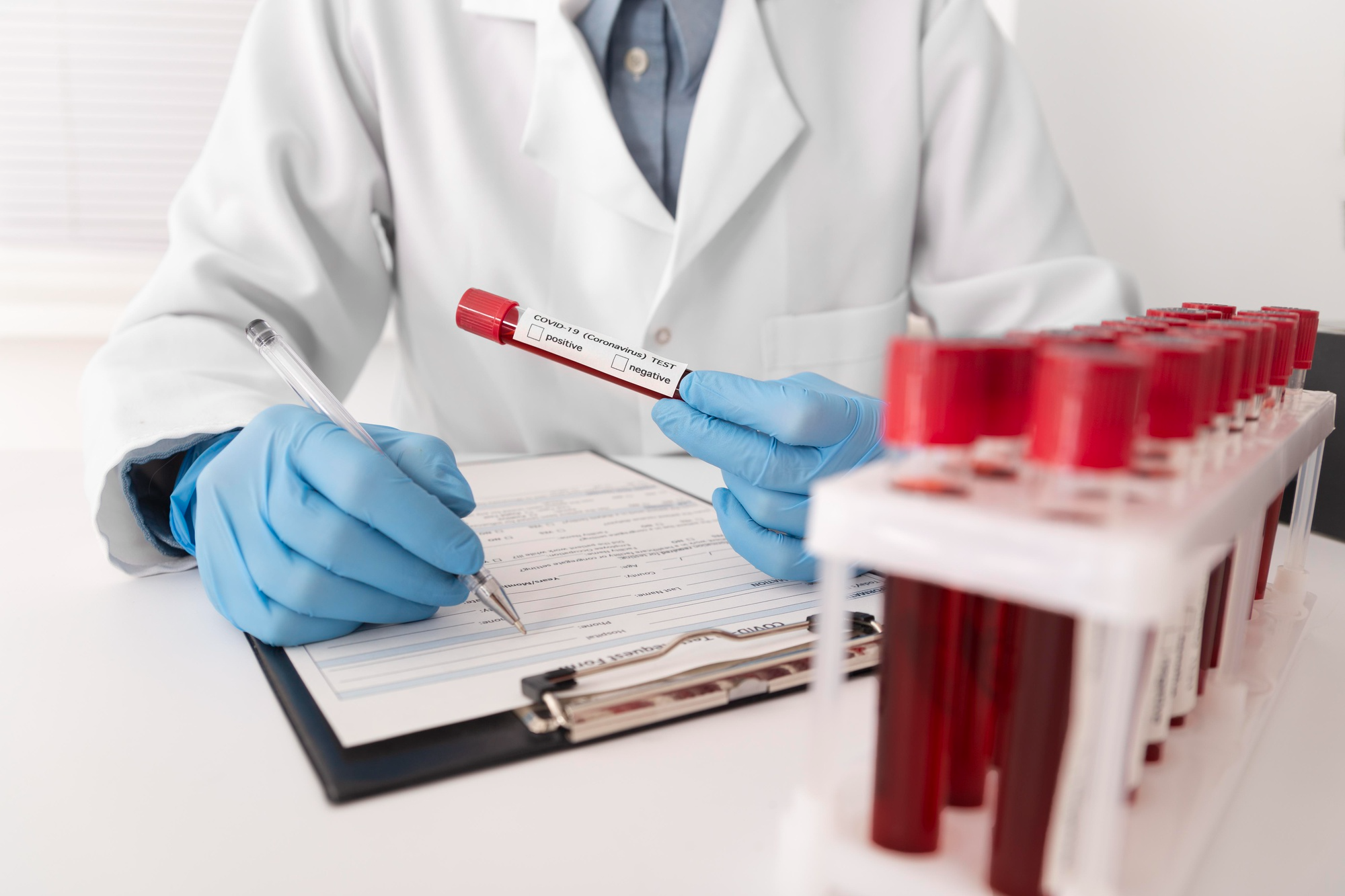
Doctor writing notes while examining blood sample tube.
Since blood cannot be manufactured, it can only be obtained from generous human donors. Hence, donating blood becomes a unique humanitarian act. Every donation reflects compassion, empathy and commitment to saving lives. Transcending boundaries of religion, gender, nationality and social status, blood donation is a universal cause wherein people contribute.
Blood donation is an act of extremely high importance. It is uncomplicated, secure and an exceptionally powerful method by which one saves lives, reinforces healthcare systems and fosters a culture of empathy and generosity. As advanced medicine evolves, the need for human blood remains constant and irreplaceable.
By volunteering to donate blood regularly, you become a part of the lifesaving network that offers hope to patients, supports families through crises and protects communities in their entirety. One small act today can become someone's second chance at life tomorrow.
Blood donation is not only a medical need but also a responsibility and a gift of life.

Treats the uterine lining to make heavy periods lighter or stop them, with no cuts, for women who want no more children.
Removes the foreskin, usually as day care, for phimosis, repeated infection or religious reasons.
Records the brain's electrical activity through scalp electrodes to help diagnose epilepsy and seizures.
Free tools to check your weight, plan a pregnancy, track calories and more.
We offer expert care across key specialties, including Medicine, Cardiology, Orthopaedics, ENT, Gynaecology, and more—delivering trusted treatment under one roof.
Comprehensive guide on lowering high blood pressure naturally through diet, exercise, weight control, and medical monitoring.
24 Feb 2026
by Prakash Hospital
Learn how heart disease affects women differently. Discover key risk factors, symptoms, and prevention tips from cardiology experts at Prakash Hospital.
11 Nov 2025
by Prakash Hospital

Understand the dangers of heatstroke, including its causes, warning signs, and life-saving treatments. Learn how to protect yourself during extreme heat.
7 May 2025
by Prakash Hospital

Indian pregnancy diet plan, foods to eat in each trimester, key nutrients, and what to avoid. Visit Prakash Hospital Noida for maternity care.
10 Jul 2026
by Prakash Hospital

Back pain during pregnancy — why it happens, which types are normal, and safe ways to relieve it. Prakash Hospital Noida.
25 Aug 2026
by Prakash Hospital

Early signs of pregnancy explained, including when to take a test and what to expect in the first weeks. Visit Prakash Hospital Noida for maternity care.
10 Jul 2026
by Prakash Hospital


Book a consultation with Prakash Hospital's specialists — 24/7 emergency care, 100+ doctors, NABH accredited.
View All Departments