


सीने में जलन और हार्ट प्रॉब्लम में फर्क कैसे समझें?
सीने में जलन (एसिडिटी) और हार्ट प्रॉब्लम के लक्षणों में क्या फर्क है? कब यह गंभीर हो सकता है और डॉक्टर से कब मिलना चाहिए, पूरी जानकारी हिंदी में।
23 Apr 2026
by Prakash Hospital
by Prakash Hospital

Doctor reviewing a lung X-ray related to tuberculosis.
Tuberculosis or TB, is a very dangerous infectious bacterial disease that is caused by Mycobacterium tuberculosis. TB can occur in the lungs, referred to as pulmonary TB or in other areas of the body like the brain, spinal cord, kidneys or lymph nodes, referred to as extrapulmonary TB. TB can also be spread through the air when an infected person coughs, sneezes, speaks or spits.
Not all people who come into contact with TB bacteria end up being affected by it. In most situations, the body is able to fight off the disease and hence results in latent TB, where the bacteria are dormant but causing no symptoms. In most cases, it can revert to being active due to low immunity.
It is essential to grasp such a difference in order to effectively pursue an early diagnosis and prevention.
Bacteria remain latent in the body with no symptoms, nor can it be transmitted to another person. But there may be chances of recurrence in later life.
The bacteria will multiply and develop symptoms. Active TB infection is contagious and needs urgent medical care.
Early detection of latent TB prevents its progression to active TB.
Symptoms of TB may occur slowly, often unnoticed in the initial phases.
Extrapulmonary TB can cause symptoms depending on which organ is involved. For example, TB of the lymph nodes can cause lymph node enlargement.
Some people are prone to getting active TB.
High Risk Groups Include:
Early screening in at-risk groups is important in controlling tuberculosis.

Lung infographic illustrating tuberculosis development.
TB is a bacterial infection however, many variables affect the activation of the infection.
Contributing factors are:
It aids in addressing the factors that affect treatment outcomes and the spread of the infection.
Diagnosis is vital for treatment and preventing the spread.
Diagnostic techniques involve:
The key to recovery is early diagnosis.
TB can be cured if it is properly treated. This is because it requires the simultaneous consumption of antibiotics for a period of six months or more depending on the level of TB.
Essential TB treatment principles are:
Early discontinuation of treatment can lead to drug-resistant TB, which is difficult to control and more risky.
Malnutrition is associated with lowered resistance to disease and slow recovery. Hence, nutritional support is critical.
Healthy foods are also quite helpful in improving strength as well as the efficacy of treatment
Recommended foods are:
Hydration should also be ensured.
Lifestyle management helps with recovery and prevents spreading.
Critical considerations include:
These measures will ensure protection of the patient as well as other people.
TB, if left untreated, can progress to life-threatening stages.
There may be complications such as:
If symptoms of TB persist and worsen, it is recommended to consult medical personnel. Seek medical attention for these symptoms:

Woman coughing continuously while wearing a mask in a public setting.
TB prevention requires early case identification, immunization and infection control measures. Preventive measures consist of:
Following treatment for latent TB when indicated can save individuals and communities.
If diagnosed and treated on time, people can completely overcome tuberculosis and lead normal lives. Lung health can also be maintained to avoid future infections. By observing follow-up appointments and eating healthy food, people can stay healthy.

A portable ECG worn for 24 to 48 hours to catch irregular heartbeats that come and go.
Medicines, shock waves, laser ureteroscopy or PCNL, chosen by the size and position of your stone.
Endoscopic surgery through the nose that clears blocked sinuses and polyps when medicines stop working.
Free tools to check your weight, plan a pregnancy, track calories and more.
We offer expert care across key specialties, including Medicine, Cardiology, Orthopaedics, ENT, Gynaecology, and more—delivering trusted treatment under one roof.
सीने में जलन (एसिडिटी) और हार्ट प्रॉब्लम के लक्षणों में क्या फर्क है? कब यह गंभीर हो सकता है और डॉक्टर से कब मिलना चाहिए, पूरी जानकारी हिंदी में।
23 Apr 2026
by Prakash Hospital

HbA1c test, fasting blood sugar, postprandial sugar, and continuous glucose monitoring explained. Visit Prakash Hospital Noida for diabetes care.
2 Jul 2026
by Prakash Hospital

Learn causes of low platelet count and effective ways to increase it through diet, lifestyle, and medical care at Prakash Hospital.
4 Feb 2026
by Prakash Hospital

लिवर खराब होने के शुरुआती लक्षण क्या हैं? थकान, पीलिया, पेट दर्द जैसे संकेतों को नज़रअंदाज़ न करें। कारण, जांच, इलाज और बचाव के तरीके जानें।
20 Feb 2026
by Prakash Hospital
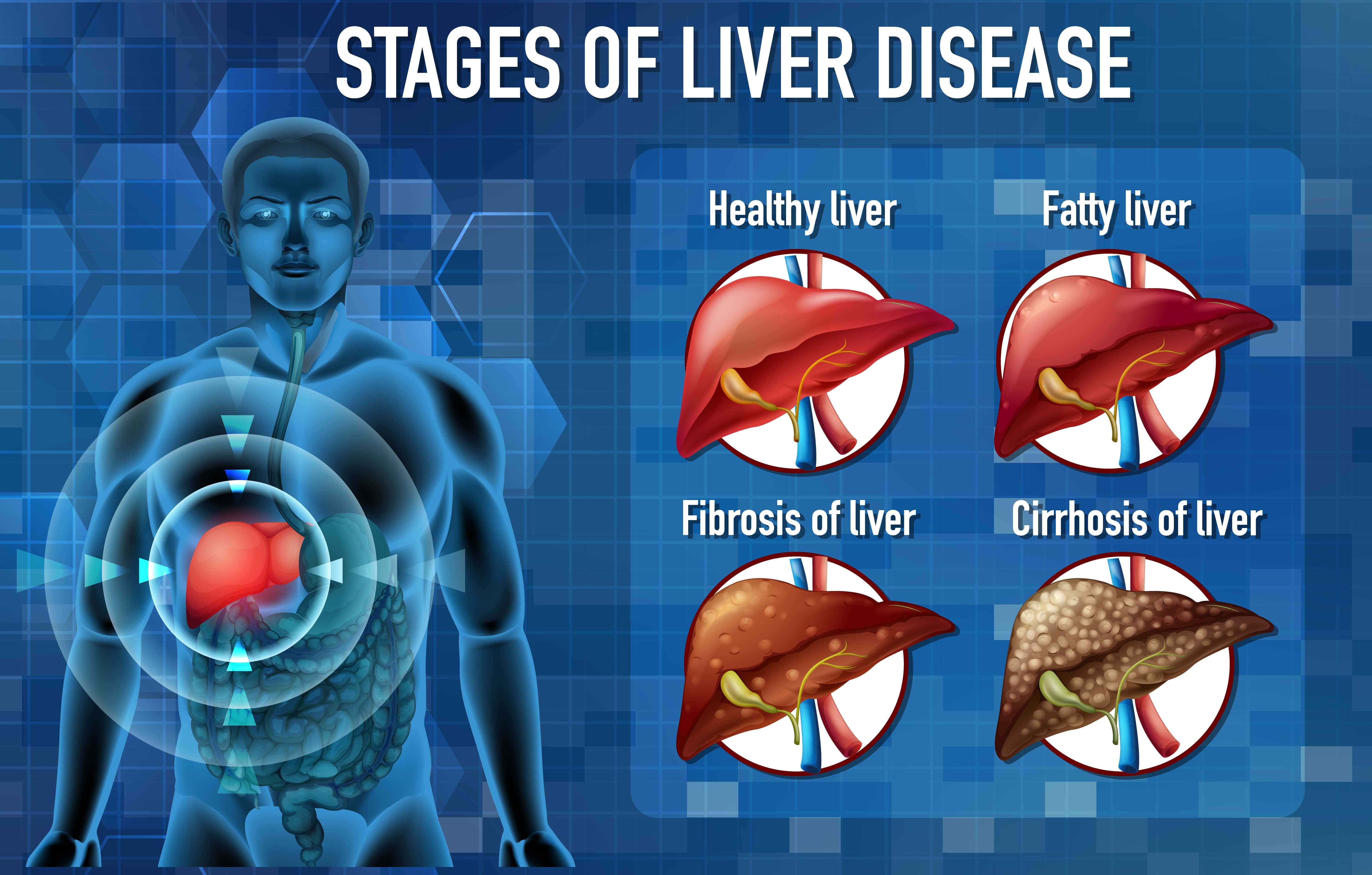
Home remedies to strengthen the liver — foods, lifestyle changes, and natural approaches that support liver health. Visit Prakash Hospital Noida for liver care.
11 Jun 2026
by Prakash Hospital

Hepatomegaly or enlarged liver — understand the causes, symptoms, and treatment options. Visit Prakash Hospital Noida for liver evaluation and care.
7 Jul 2026
by Prakash Hospital


Book a consultation with Prakash Hospital's specialists — 24/7 emergency care, 100+ doctors, NABH accredited.
View All Departments