



What to Eat During Loose Motions: A Practical Diet Plan
What to eat during loose motions — the right foods to support recovery and what to avoid. Visit Prakash Hospital Noida for gastroenterology consultation.
6 Jul 2026
by Prakash Hospital
by Prakash Hospital

Man experiencing neck pain while working at a desk.
Cervical neck pain can be described as discomfort, stiffness and/or pain originating from the cervical spine. The cervical spine is the uppermost portion of the spinal column. It has seven vertebrae named C1 to C7. The cervical spine is responsible for supporting the head and containing the spinal cord. It also facilitates various movements of the head like rotation and extension.
Because of constant movement, poor posture, along with rising levels of screen time, the cervical spine can be prone to strain. Cervical neck pain can be prevalent in people of all ages, ranging from temporary to persisting, depending on its cause.
The cervical spine consists of:
Any strain, pressure or degenerative changes in these tissues can result in pain and disability.
The cervical neck pain may arise owing to a combination of lifestyle, mechanical and medical conditions. Frequent causes include:
To apply proper treatment, it is vital to identify the cause.
Cervical spondylosis can be described as a condition involving disc and joint damage in the neck region. The discs start losing their elasticity and hydration and become thinner and stiffer. Bone spurs may also form. Typical characteristics include:
In more severe conditions, nerve compression can happen.
When cervical nerves become pinched, it isn’t uncommon for the pain to radiate beyond the neck. Symptoms may include:
These are signs of cervical radiculopathy. They might need medical attention.
According to the extent and causes, cervical neck pain can sometimes be linked with:
Never ignore severe symptoms of the nervous system.

Neck pain spreading to the shoulders and upper back.
Consultation with a physician is recommended for cases where there is pain in
These could be potential signs of conditions related to the spine or the body.
A comprehensive history and physical examination are initially made. The following instruments may be employed for diagnosis.
This is crucial for effective treatment.
One of the most effective treatments exists with physiotherapy. Benefits include:
A structured exercise program assists in recovery.
One of the key contributors to neck pain is poor posture. Good ergonomic practices include:
This reduces pressure on the muscles in the neck.
Easy ways exist to help the recovery process. These are:
Consistency is key to improvement.
In most cases, surgical procedures are less frequently considered. The indications may include:
Surgical options are considered after assessment.

Medical consultation for neck pain.
Preventive methods are necessary, especially for office-based workers. Effective prevention involves:
It prevents recurrence and chronic pain.
There is extensive clinical testing and imaging performed at Prakash Hospital for patients with cervical neck pain to identify the root cause of the ailment. The course of treatment at Prakash Hospital involves non-surgical interventions, physiotherapy advice, pain management and health education.
With prompt attention, many people with cervical neck pain can fully recover with proper treatment, posture adjustment and physical exercise. Cervical spine care through awareness, posture management and regular exercise can be applicable in promoting long-run cervical spine well-being.

An X-ray dye test that maps blockages in the heart's arteries and guides the choice between medicines, stents and surgery.
Measures pressure and oxygen inside the heart and lungs through a thin tube, to guide valve and heart failure care.
Replaces a knee worn out by arthritis with a metal and plastic joint to relieve pain and get you walking again.
Free tools to check your weight, plan a pregnancy, track calories and more.
We offer expert care across key specialties, including Medicine, Cardiology, Orthopaedics, ENT, Gynaecology, and more—delivering trusted treatment under one roof.
What to eat during loose motions — the right foods to support recovery and what to avoid. Visit Prakash Hospital Noida for gastroenterology consultation.
6 Jul 2026
by Prakash Hospital

Nausea has many causes, from pregnancy to migraines to medications. Know the home remedies that work and when to see a doctor. Prakash Hospital Noida.
25 Jun 2026
by Prakash Hospital
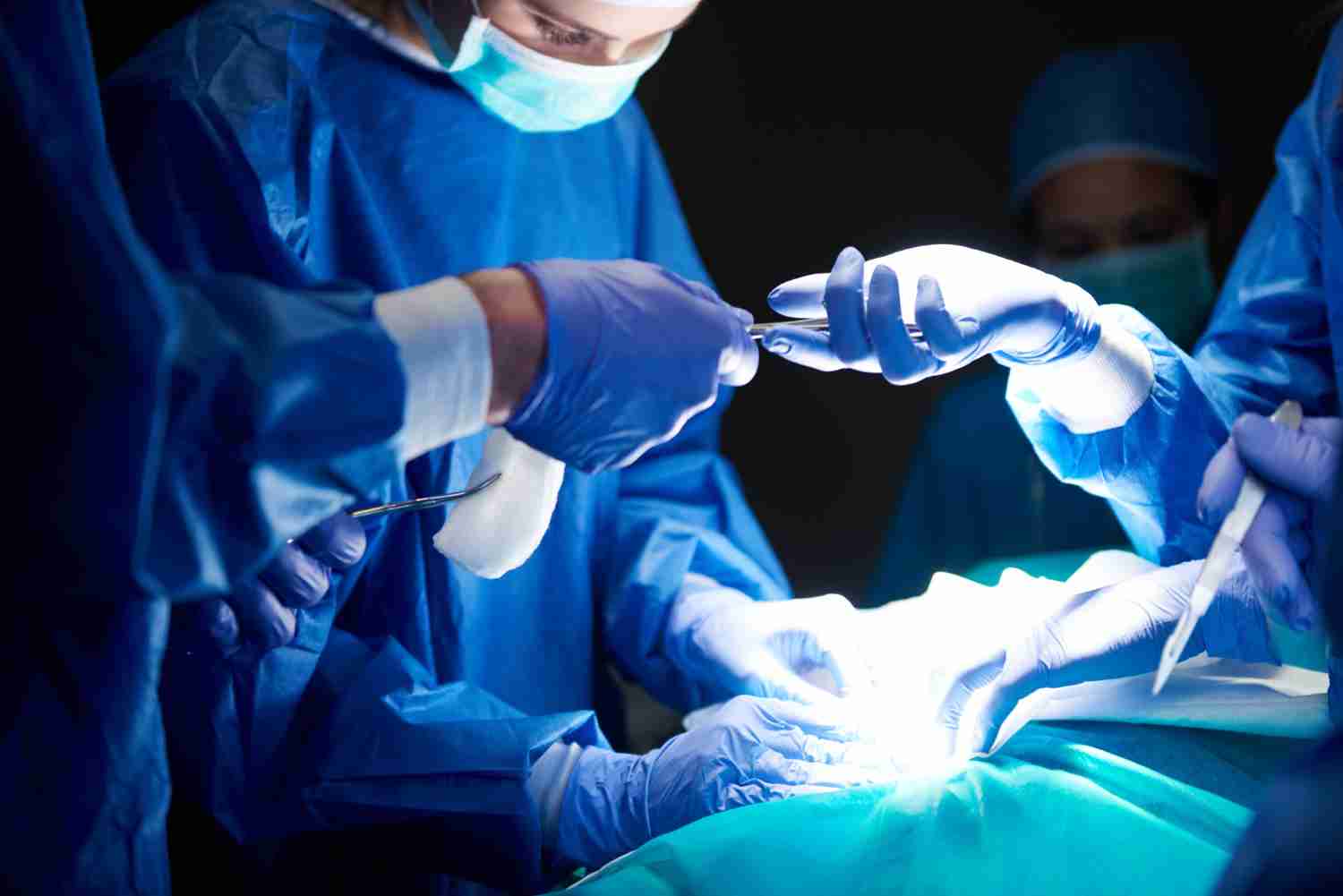
Learn about gallbladder wall thickening, its causes, warning signs of cancer, and treatment options. Early evaluation can improve outcomes.
25 May 2025
by Prakash Hospital

लिवर खराब होने के शुरुआती लक्षण क्या हैं? थकान, पीलिया, पेट दर्द जैसे संकेतों को नज़रअंदाज़ न करें। कारण, जांच, इलाज और बचाव के तरीके जानें।
20 Feb 2026
by Prakash Hospital

लिवर सिरोसिस के लक्षण, कारण, स्टेज और इलाज जानें। पीलिया, पेट में सूजन और थकान को नजरअंदाज न करें। Prakash Hospital में पाएं एडवांस लिवर केयर और गैस्ट्रोएंटरोलॉजी उपचार।
12 Jun 2026
by Prakash Hospital

Discover early signs your liver may not be functioning properly, including fatigue, jaundice and digestive issues, expert liver care in Noida.
24 Mar 2026
by Prakash Hospital


Book a consultation with Prakash Hospital's specialists — 24/7 emergency care, 100+ doctors, NABH accredited.
View All Departments