


Vitamin B3 (Niacin): The Cholesterol Manager
Understand how Niacin regulates cholesterol, protects against the dreaded disease Pellagra, and discover the top dietary sources in the Indian diet.
Why Your Heart & Skin Rely on Niacin
Vitamin B3 (Niacin) is a heavy lifter in the human body. Every single part of your body needs it to function because it is a core component of NAD and NADP—two coenzymes involved in over 400 distinct biochemical reactions, primarily related to converting food into cellular energy. But where Niacin truly shines is in the cardiovascular system. In clinical settings, high doses of niacin are used to dramatically improve blood lipid profiles by boosting "good" HDL cholesterol and lowering "bad" triglycerides. Historically, a severe lack of Niacin led to a terrifying and fatal disease called Pellagra, characterized by the "4 Ds": Dermatitis, Diarrhea, Dementia, and eventually, Death. Today, maintaining healthy Niacin levels is crucial for heart health, vibrant skin, and cognitive function.
Daily Recommended Intake (RDA)
The Indian Council of Medical Research (ICMR) recommends:
*Your body can synthesize a small amount of Niacin from Tryptophan (an amino acid found in protein). 60mg of Tryptophan = 1mg of Niacin.
Top 10 Indian Food Sources
Niacin is predominantly found in high-protein foods like meat, poultry, and fish. However, vegetarians can easily meet their requirements through peanuts, legumes, and whole grains.
| Rank | Food Item | Type | Estimated Amount (Per 100g) |
|---|---|---|---|
| 1 | Chicken Breast (Lean) | Non-Veg | ~ 14.8 mg (Extremely High) |
| 2 | Peanuts (Mungfali) | Vegetarian/Nut | ~ 12.0 mg |
| 3 | Rohu/Tuna Fish | Non-Veg | ~ 10 - 18 mg |
| 4 | Mutton / Pork (Lean) | Non-Veg | ~ 6.0 - 8.0 mg |
| 5 | Brown Rice | Vegetarian/Grain | ~ 5.0 mg |
| 6 | Green Peas (Matar) | Vegetarian/Veg | ~ 2.0 mg |
| 7 | Sunflower Seeds | Vegetarian/Seeds | ~ 8.3 mg |
| 8 | Mushrooms | Vegetarian/Veg | ~ 3.6 mg |
| 9 | Potatoes | Vegetarian/Veg | ~ 1.1 mg |
| 10 | Lentils (Dal) | Vegetarian/Legume | ~ 2.5 mg |
Deficiency Symptoms (Pellagra)
Severe deficiency leads to a systemic condition called Pellagra, historically known for the "4 Ds". Even mild deficiency can cause early warning signs.
Dermatitis (Thick, Scaly Skin)
A severe, sunburn-like rash that appears symmetrically on areas of the skin exposed to sunlight (like the neck, forming a "Casal's necklace").
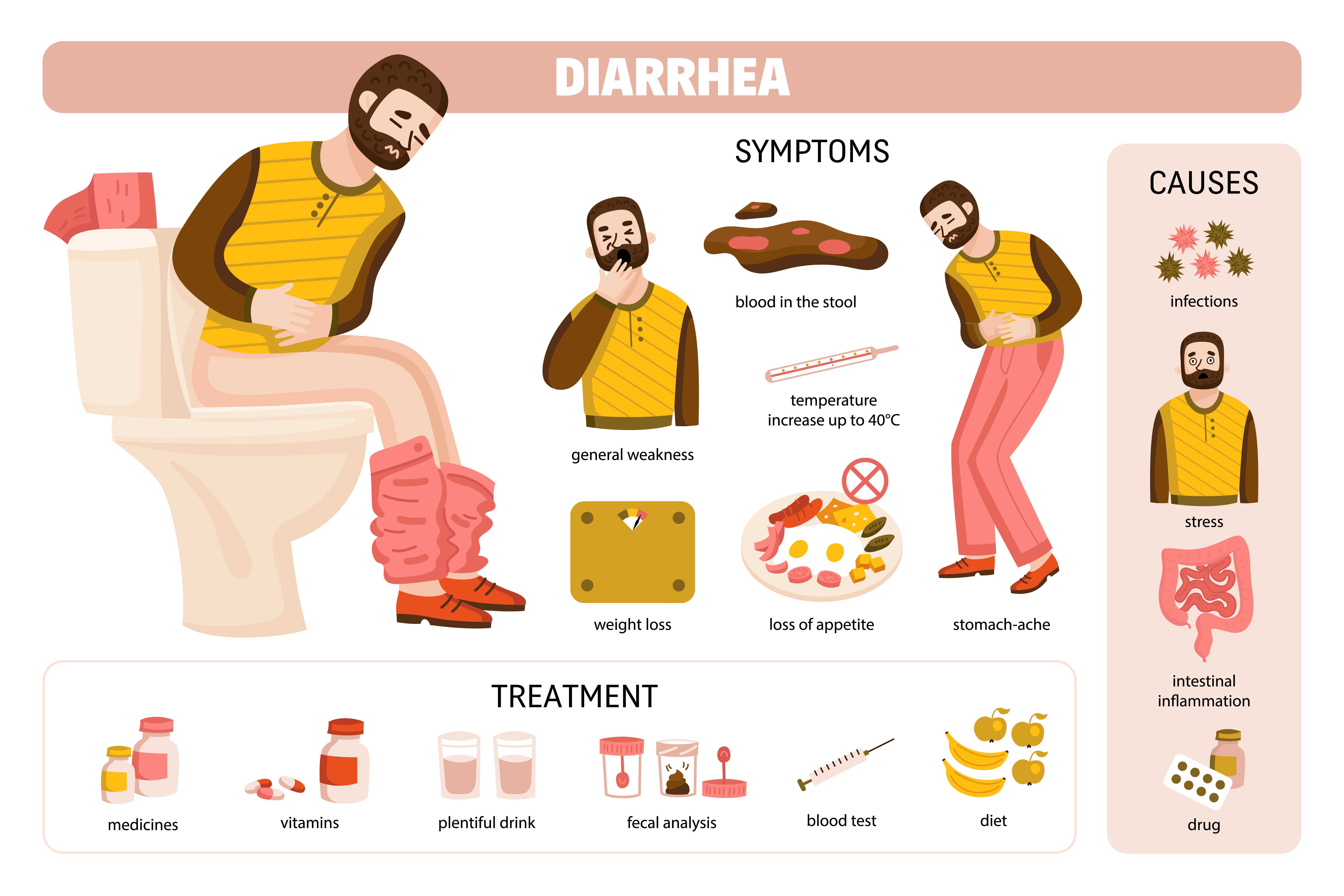
Diarrhea & Gastrointestinal Issues
Inflammation of the entire gastrointestinal tract, leading to a bright red tongue, vomiting, and chronic, severe diarrhea.
Dementia & Cognitive Decline
Neurological symptoms including confusion, memory loss, depression, and hallucinations as the brain becomes starved of energy.
Excess & Toxicity Risks
While you cannot overdose from food, high-dose niacin supplements (often taken for cholesterol management) carry significant medical risks and should never be self-prescribed.
- The Niacin Flush: A harmless but uncomfortable burning, tingling, and redness of the face and chest.
- Liver Toxicity: Prolonged high doses (especially of "slow-release" niacin) can cause severe liver damage and elevate liver enzymes.
- Blood Sugar Spikes: High doses can worsen insulin resistance, making it dangerous for unmanaged diabetics.
When to See a Doctor
If you have developed a thick, darkly pigmented rash on sun-exposed skin coupled with digestive issues, it is imperative to seek a medical diagnosis immediately to rule out Pellagra or other autoimmune conditions.
Additionally, if you are struggling with high cholesterol and are considering Niacin supplements, do not self-medicate. At Prakash Hospital, our Cardiology and Internal Medicine experts can safely evaluate your lipid profile and liver function to determine if prescription niacin therapy is safe and appropriate for your heart health.



Frequently Asked Questions
Find answers to common questions about Vitamin B3 (Niacin) Foods & Deficiency at Prakash Hospital Noida.
What is the 'niacin flush'?
Can Niacin lower my cholesterol?
Is Tryptophan related to Vitamin B3?


Looking for the Best Hospital in Noida? Talk to Our Experts
Book a consultation with Prakash Hospital's specialists — 24/7 emergency care, 100+ doctors, NABH accredited.

Prakash Hospital Pvt. Ltd. is a 100 bedded NABH NABL accredited multispecialty hospital along with a center of trauma and orthopedics. We are in the service of society since 2001.
OUR SPECIALITIES
Patient Services
PROCEDURES
Contact Us
D – 12A, 12B, Sector-33, G. B. Nagar, Noida, Uttar Pradesh 201301
+91-8826000033


© 2026 All rights reserved.
Designed and Developed by Zarle Infotech


