


Early Signs of Pregnancy
Discover the early signs of pregnancy, including physical and emotional symptoms, when to test and when to see a doctor for confirmation.
21 Jan 2026
by Prakash Hospital
by Prakash Hospital

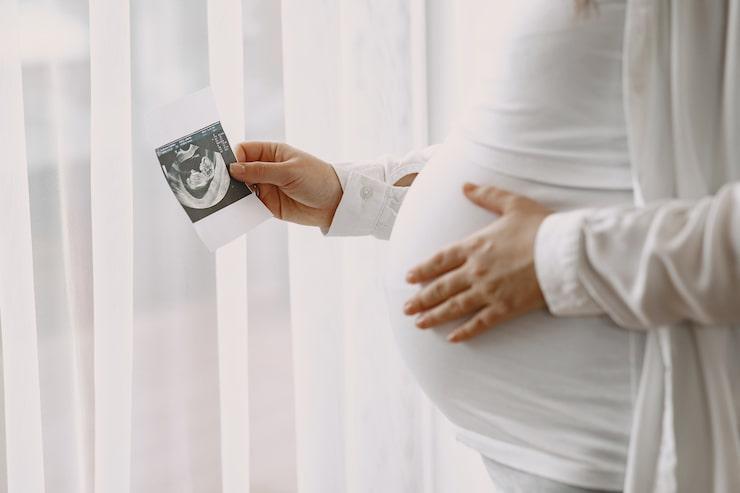
A pregnant woman sitting on a bed as she experiences discomfort from bloating during pregnancy.
Pregnancy is a wonderful journey, but it often brings about a number of physical changes, some of which are expected and some of which are not. Bloating during pregnancy is one of the most common but uncomfortable symptoms that many women have.
You're not the only one who has felt unusually full, tight, or gassy, especially after eating. Hormonal changes and changes in your digestive system can cause bloating at any point during pregnancy. It usually doesn't hurt you, but it can still make you uncomfortable and affect your health.
In this in-depth guide, we'll explain why bloating happens, how to deal with it safely, what changes to your diet can help, and when you should see a doctor.
When you feel bloated, your stomach feels full, tight, or swollen, and you may also have gas or mild pain. This feeling can sometimes be stronger during pregnancy because digestion slows down and the organs in the abdomen are under more pressure.
Bloating can come and go, or it can get worse at certain times of the day, like after eating or at night.
Some common signs are:
Bloating can occur throughout pregnancy, but its intensity and causes often vary depending on the stage you are in. Understanding these changes can help you manage symptoms more effectively.
Your body goes through a lot of hormonal changes in the first few weeks of pregnancy that can have a big effect on how well you digest food. This is when bloating usually feels the worst.
You might feel:
A lot of women even think that early bloating means they are starting to show a baby bump.
For some women, bloating may get a little better during this time as the body starts to get used to the changes in hormones. But digestive sensitivity can still be a problem.
Some things that happen to a lot of people are:
As your baby gets bigger, your digestive system has to work harder. This could make bloating come back or get worse.
This step might include:
There is usually more than one reason for bloating during pregnancy. Instead, it usually happens because several things are changing in your body at once.
The hormone progesterone, which rises a lot during pregnancy, is one of the main causes of bloating. This hormone relaxes the uterus, but it also has an effect on other muscles in the body.
Some of its effects are:
Your body naturally slows down digestion so that your baby can better absorb the nutrients. This is good, but it can also make you feel bad.
Because of this, you might notice:
As your pregnancy goes on, your uterus gets bigger and starts to push on nearby organs, like your stomach and intestines.
This can lead to:
A lot of pregnant women have constipation, which is closely linked to bloating. Gas tends to build up when bowel movements are not regular.
Some common things that can cause this are:
Some foods are more likely to make gas, especially when digestion is already slow.
Some common triggers are:
For most women, bloating is a completely normal part of pregnancy. It is your body’s natural response to hormonal and physical changes.
However, it is important to understand what is considered normal and what may need medical attention.
Typically, normal bloating is:
The good news is that there are often simple, safe, and natural ways to deal with bloating. These remedies are meant to help with digestion and cut down on gas buildup without hurting your baby.
When you eat a lot, it can put more stress on your digestive system, which can make bloating worse. Eating smaller meals throughout the day can help your body digest food more quickly.
This method is helpful:
Staying hydrated is very important for keeping your digestion healthy. Drinking enough water can help you avoid constipation and bloating.
Some benefits are:
Fiber helps with digestion, but you should slowly add more to your diet to avoid making gas worse.
Some good sources of fiber are:
Being active while pregnant can help your digestion a lot. Even light movement can help the intestines work better.
Here are some safe choices:

A pregnant woman practicing gentle yoga at home, focusing on relaxation and prenatal wellness.
Finding and avoiding foods that cause bloating can make a big difference.
Try to cut down on:
If you eat too quickly, you might swallow air, which makes gas worse.
Good habits:
Tight clothes can put extra stress on your stomach, which can make bloating worse.
Pick:
Some natural remedies can help with digestion and stop bloating.
Some common choices are:
The good news is that bloating can often be managed with simple, safe, and natural methods. These remedies focus on improving digestion and reducing gas buildup without affecting your baby.
Following a balanced and structured diet can help prevent frequent bloating episodes. The goal is to support digestion while avoiding triggers.
Some foods naturally support digestion and can help relieve bloating when included regularly in your diet.
Just as some foods help, others can worsen bloating, especially during pregnancy when digestion is already slower.
While bloating is usually harmless, it is important to recognize warning signs that may indicate a more serious issue. Paying attention to your body can help ensure timely care.

A pregnant woman sitting with a doctor during a prenatal check-up, discussing her health and pregnancy.
A lot of pregnant women worry that bloating could be bad for their baby's health. This is not the case, thankfully.
Your digestive system is what causes bloating, and it doesn't directly affect the growth of your baby. But it's still important for your health to deal with pain.
Most of the time, you can take care of your bloating at home, but you shouldn't ignore it if it keeps bothering you. Getting help from a professional makes sure that both you and your baby are safe.
At Prakash Hospital, experienced doctors offer full pregnancy care and help with symptoms like bloating by creating personalized treatment plans. Your health and comfort during pregnancy are both very important.
Go to Prakash Hospital for expert advice, caring treatment, and a safe pregnancy. Make an appointment today and get the right help at every stage of your pregnancy.
Yes, it is very common due to hormonal changes, especially increased progesterone levels.
You can reduce gas by eating smaller meals, staying hydrated, and avoiding trigger foods.
Yes, especially in early pregnancy, bloating can make your abdomen appear larger.
Only take medication if prescribed by your doctor.
Yes, light physical activity like walking can improve digestion.
Yes, stress can negatively affect digestion and increase bloating.
If bloating is severe, persistent, or associated with pain or other symptoms, consult a doctor.

This article covers gynaecology concerns. These Prakash Hospital doctors in Noida treat them.

Dr. Shachi Singh
Consultant Gynaecologist & Obstetrician
Obstetrics & High-Risk Pregnancy · Laparoscopic Surgery · Infertility Treatment

Dr. Priya Shikha Modi
Consultant Gynaecologist
Hysterectomies · Laparoscopic Hysterectomies · Gynecological Pathologies
Treats the uterine lining to make heavy periods lighter or stop them, with no cuts, for women who want no more children.
A magnified check of the cervix after an abnormal Pap or HPV test, with a small biopsy if needed.
A camera through the cervix to see inside the uterus and remove polyps, small fibroids or scar tissue, with no cuts.
Free tools to check your weight, plan a pregnancy, track calories and more.
We offer expert care across key specialties, including Medicine, Cardiology, Orthopaedics, ENT, Gynaecology, and more—delivering trusted treatment under one roof.
Discover the early signs of pregnancy, including physical and emotional symptoms, when to test and when to see a doctor for confirmation.
21 Jan 2026
by Prakash Hospital
Learn essential prenatal care tips for a safe, healthy pregnancy with trusted medical advice from Prakash Hospital.
13 Aug 2025
by Prakash Hospital

White discharge during pregnancy — what's normal leucorrhoea and what signs need a doctor. Prakash Hospital Noida.
27 Sept 2026
by Prakash Hospital

Prostate problems — symptoms of BPH, prostatitis and prostate cancer, the tests used to diagnose them, and when to see a doctor. Prakash Hospital Noida.
5 Oct 2026
by Prakash Hospital

Male infertility causes, from varicocele to heat and smoking, the semen analysis, and what helps — a practical guide for Indian men. Prakash Hospital Noida.
7 Oct 2026
by Prakash Hospital

Learn about urinary tract infection (UTI), including symptoms, causes, diagnosis, treatment options, and prevention tips at Prakash Hospital.
17 Feb 2026
by Prakash Hospital

Discover effective natural remedies for period pain relief, including lifestyle tips, home treatments, and ways to ease menstrual cramps safely.
28 Apr 2026
by Prakash Hospital

Back pain during pregnancy — why it happens, which types are normal, and safe ways to relieve it. Prakash Hospital Noida.
25 Aug 2026
by Prakash Hospital

What is PCOD — a complete guide to causes, symptoms, hormones, and how the condition develops. Visit Prakash Hospital Noida for expert women's health care.
20 May 2026
by Prakash Hospital


Book a consultation with Prakash Hospital's specialists — 24/7 emergency care, 100+ doctors, NABH accredited.
View All Departments