Dengue Symptoms: Early Signs, Stages and When to Seek Help

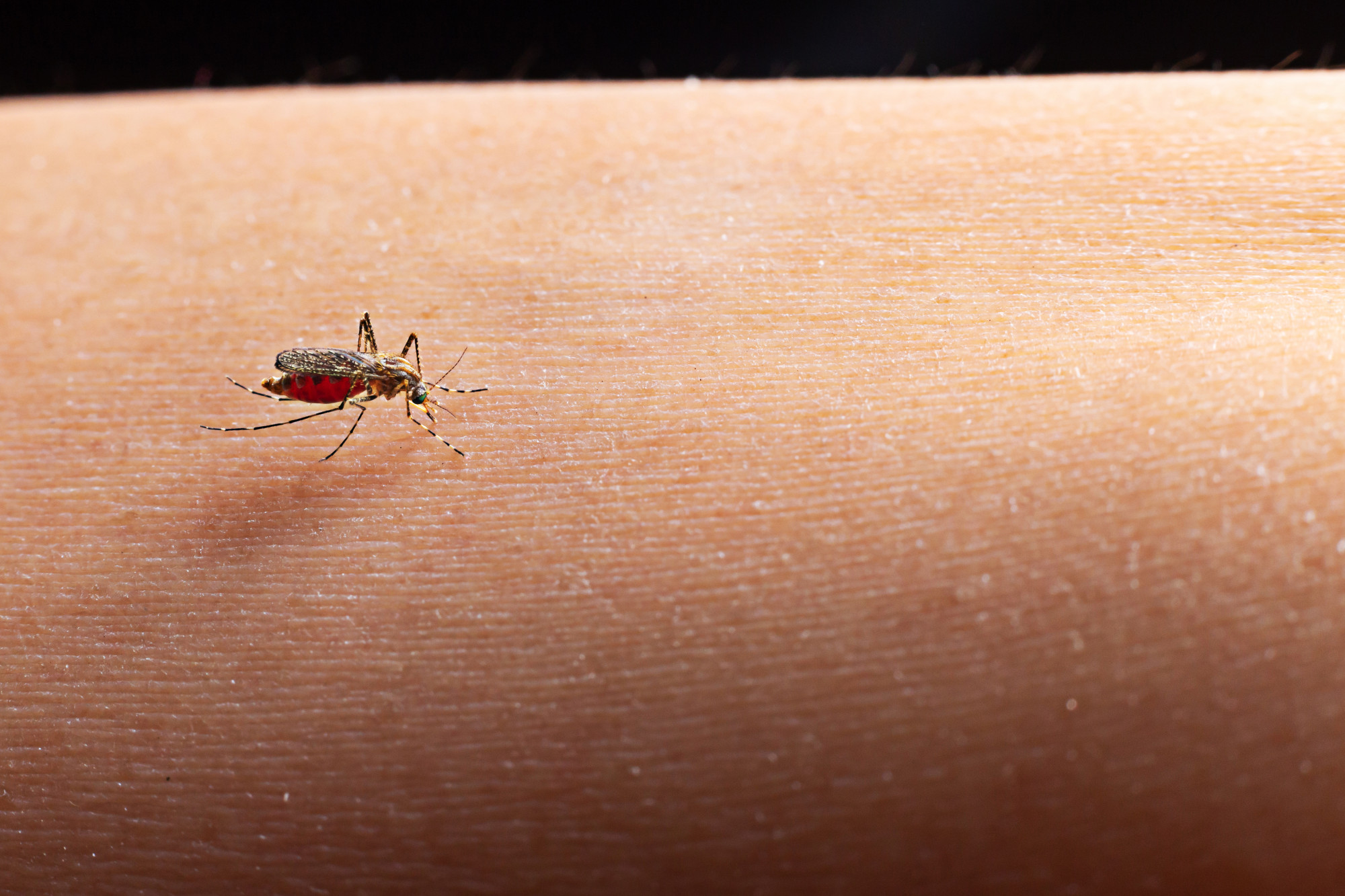
Mosquito on skin and dengue positive blood test.

A mosquito sitting on human skin alongside a blood test report indicating dengue positive, representing transmission and diagnosis of dengue fever.

Dengue is an infection that occurs due to a virus transmitted through the bite of mosquitoes. Millions of people all over the world get affected by it, especially in the monsoon season. Though it may start as a common flu, the problem escalates into something serious if not attended to in the early days.

Symptoms, understanding the stages of the infection and seeking professional assistance are some things that need to be considered for dealing with it. Severe cases arise when one is ignorant about it, not realizing that the symptoms were warning signs.

Let us see what is dengue, how it arises, and what can be done to combat the problem.

What Is Dengue?

Dengue is a viral infection that is carried by dengue virus that transmits itself through the bite of infected Aedes mosquitoes. These mosquitoes usually stay active in the day and lay eggs near stagnant water.

The virus that comes inside the body affects the bloodstream and immune system of a person resulting in various symptoms including fever.

Facts about dengue:

  • Transmitted via the bites of mosquitoes only
  • Prevalent in tropical and sub-tropical climates
  • Can affect anyone of any age group
  • Needs careful monitoring during infection period

Initial Symptoms of Dengue

The disease starts showing its symptoms between 4-10 days after being bitten by a dengue-infected mosquito. In the initial period, the symptoms look like those of a viral fever, thus making it difficult to diagnose the disease. However, it is important to be aware of the symptoms to facilitate the test process and ensure proper treatment.

The common initial symptoms are as follows:

  • Intense fever (102-104°F)
  • Headache
  • Eyes' sensitivity
  • Muscle and joint pain ("breakbone fever")
  • Weakness and fatigue
  • Vomiting
  • Skin rash

These symptoms will prevail for around 2-7 days.

Phases of Dengue Fever

Dengue fever goes through three major phases, and recognizing them is vital to determining when the disease becomes severe.

1. The Febrile Phase (High Fever Phase)

It is the first phase where all the symptoms are apparent and intense. This phase is usually mistaken for an ordinary viral infection.

In this phase:

  • Persistent high fever
  • Intense pain in the body and head
  • Lack of appetite
  • Minor bleeding (such as nose or gum bleeding, among others)

This phase lasts for 2-7 days.

2. Critical Stage

The critical stage is the most crucial and dangerous one. This often starts when the fever starts to come down, giving rise to a misconception that the illness is recovering.

This stage involves the development of complications like plasma leakage and low platelet levels.

Symptoms of this stage are:

  • Severe stomach pain
  • Vomiting continuously
  • Quickened breathing
  • Bleeding from the mouth or nose
  • Blood in vomit or stool
  • Platelet levels going down suddenly
  • Extreme tiredness or irritability

Immediate medical assistance is necessary at this stage.

3. Recovery Stage

With proper care, the body slowly starts to recover. Improvement of symptoms and the gain of strength take place.

Indicators of recovery are:

  • Good appetite
  • Normalizing of vital signs
  • Increased platelet levels
  • Reduction of fatigue

When Does Dengue Get Dangerous?

The moment when dengue gets life-threatening is the stage of having severe dengue or dengue hemorrhagic fever.

This might result in the occurrence of internal bleeding, organ damage, or dengue shock syndrome.

Dangerous circumstances in which dengue is severe include:

  • Not noticing symptoms
  • Late diagnosis
  • Serious dehydration
  • Low platelet levels

When Is Medical Attention Required?

Knowing when to visit a doctor can help in avoiding any further risks and getting necessary treatment.

Visit your doctor immediately in case of:

  • High-grade fever lasting for 2-3 days
  • Severe abdominal pains
  • Vomiting that doesn't stop
  • Signs of bleeding
  • Tiredness or extreme drowsiness

Diagnosing Dengue

The early and correct diagnosis is key for effective treatment and constant monitoring.

The common diagnostic procedures include:

  • NS1 antigen test
  • Dengue IgM/IgG tests
  • Complete blood count (CBC)
  • Regular platelet counts

Dengue Treatment

Despite being unable to provide a direct antiviral therapy, the correct treatment approach and careful observation will be sufficient enough for successful outcomes. The primary goal of treatment is symptomatic therapy and monitoring.

1. Correct Fluid Intake

This is the critical aspect in the management of dengue disease. Fluid loss because of high temperatures and dehydration must be compensated by consuming adequate amounts of fluid.

Fluids include:

  • Plain water
  • Oral Rehydration Solution (ORS)
  • Coconut water
  • Juices from fresh fruits (no added sugar)
  • Beverages and soups

Pro tip: Take small sips regularly if feeling nausea.

2. Managing Fever and Pain

It's very important to manage the fever correctly without any harm to yourself.

Correct ways of managing:

  • Using paracetamol according to the prescription
  • Cooling baths
  • Light and breathable clothes

Avoid:

  • Aspirin
  • Ibuprofen
Person checking fever with thermometer.

A person looking at a thermometer to check their body temperature, indicating fever during dengue.

3. Proper Rest and Recovery

Proper rest will enable your body to fight off the infection effectively and also to heal faster.

Important activities include:

  • Having enough sleep
  • Reduced physical activity
  • Returning slowly back to routine activities

4. Regular Monitoring

Constant monitoring becomes important, particularly when you reach a critical stage.

Parameters to track include:

  • Platelets
  • Hematocrit levels
  • Fluid intake and output
  • Symptoms of warning

5. Hospitalization (if required)

More severe cases might need hospitalization for better monitoring and control of the disease.

Possible treatments include:

  • Fluids through IV
  • Platelet transfusion (if required)
  • Vital signs monitoring

Foods To Consume During Dengue

Consuming proper food will help you recover since a proper diet strengthens your immune system and increases energy levels. Given that dengue lowers appetite, the right foods become crucial.

1. Hydrating Foods

Foods containing high amounts of water ensure good fluid balance.

These include:

  • Coconut water
  • Watermelon
  • Orange juice
  • Cucumber

2. Recovery-Friendly Fruits

Fruits help increase the intake of nutrients and antioxidants.

Best examples include:

  • Papaya
  • Pomegranate
  • Kiwi
  • Apple

3. Proteins

Proteins facilitate tissue healing and quick recovery from the disease.

These include:

  • Moong Dal
  • Egg whites
  • Paneer
  • Chicken soup

4. Light Meals

When sick, it is always advisable to consume light meals.

Good options include:

  • Khichdi
  • Vegetable soup
  • Dalia
  • Steamed vegetables

5. Immunity Boosting Foods

Immune boosters enhance faster recovery due to increased immunity.

Such foods include:

  • Green leafy vegetables
  • Fruits such as orange
  • Turmeric
  • Garlic

Foods to Avoid While Suffering from Dengue

Certain foods may aggravate symptoms or hinder recovery.

Avoid:

  • Greasy and fried foods
  • Food that is spicy
  • Processed food
  • Coffee

Tips for Preventing Dengue Fever

Preventing dengue is much simpler compared to its treatment. As dengue fever is spread through mosquitoes, preventing exposure to them is crucial.

1. Removal of Places Where Mosquitoes Breed

Female mosquitoes lay their eggs in stagnant water, regardless of how little there is.

What you can do:

  • Drain water from vessels
  • Keep coolers and tanks clean
  • Drainage

2. Protection Against Mosquito Bites

Preventing bites is very important.

You should use:

  • Mosquito repellants
  • Mosquito nets while sleeping
  • Screens on windows
  • Electrical devices

3. Wearing Proper Clothes

Clothes will act as a barrier between you and the mosquitoes.

You need to wear:

  • Long-sleeved shirts
  • Long trousers
  • Light-colored clothes

4. Maintaining Hygiene at Home

A hygienic environment means less chance for mosquitoes to breed.

Make sure to:

  • Clean your surroundings frequently
  • Provide ventilation
  • Do not have any stagnant water inside
Person cleaning desk to prevent mosquitoes.

A person cleaning a desk and surrounding area to maintain hygiene and reduce the risk of mosquito breeding.

5. Community Participation

Community awareness is essential for dengue prevention.

You must:

  • Report breeding sites
  • Participate in cleanliness drives
  • Educate others

6. Taking Special Care During Monsoon

The risk of dengue is higher during monsoon season due to the presence of water.

During this period, make sure to:

  • Take extra care regarding stagnant water
  • Use repellants more often
  • Avoid going outside during peak mosquito times

Expert Care Matters

Dengue requires careful monitoring and timely medical care to avoid complications. At Prakash Hospital, experienced doctors provide accurate diagnosis and comprehensive dengue care.

Don’t ignore fever during dengue season. Visit Prakash Hospital for expert consultation and timely treatment. Book your appointment today for safe and effective care.

Frequently Asked Questions (FAQs)

1. Can I take a bath if I have dengue?

Yes, you can take a bath during dengue. In fact, lukewarm sponge baths can help reduce fever and keep you comfortable. Avoid very cold water, as it may cause discomfort or chills.

2. Is papaya leaf juice really effective for dengue?

Papaya leaf extract is commonly used as a home remedy and may help support platelet count, but scientific evidence is limited. It should not replace medical treatment and should only be used after consulting a doctor.

3. Can dengue cause long-term health problems?

Most people recover completely, but in some cases, dengue can lead to prolonged fatigue, weakness, or reduced immunity for a few weeks. Severe cases may affect organs if not treated properly.

4. Is it safe to take antibiotics for dengue?

No, dengue is a viral infection, so antibiotics are not effective unless there is a secondary bacterial infection. Taking unnecessary antibiotics can do more harm than good.

5. Why does platelet count drop in dengue?

The dengue virus affects the bone marrow and increases the destruction of platelets, leading to a drop in count. This is why regular monitoring is essential, especially during the critical phase.

6. Can children get dengue, and is it more dangerous for them?

Yes, children can get dengue, and symptoms may sometimes be harder to recognize. While many recover well, children may be more vulnerable to dehydration and complications, so close monitoring is important.

7. Is it okay to drink milk during dengue?

Yes, milk is generally safe and can provide nutrition. However, if the patient feels nauseous or has digestion issues, lighter options like soups or fluids may be better tolerated.

8. Can I go to work or school during dengue recovery?

It is best to rest until full recovery, even after fever subsides. Weakness can persist, and returning too early may delay healing or worsen fatigue.

9. Do all dengue patients need platelet transfusion?

No, platelet transfusion is not required in most cases. It is only given when platelet levels drop critically low or if there is active bleeding. Treatment decisions depend on overall condition, not just numbers.

10. Does having dengue once make you immune for life?

No, dengue has multiple virus strains. You gain immunity only to the strain you were infected with, so you can still get dengue again from a different strain.

Share:

copy iconCopy
Banner Background
Prakash Hospital Doctor

Looking for the Best Hospital in Noida? Talk to Our Experts

Book a consultation with Prakash Hospital's specialists — 24/7 emergency care, 100+ doctors, NABH accredited.

logo

Prakash Hospital Pvt. Ltd. is a 100 bedded NABH NABL accredited multispecialty hospital along with a center of trauma and orthopedics. We are in the service of society since 2001.

© 2026 All rights reserved.

Designed and Developed by Zarle Infotech

FacebookInstagramLinkedInX (Twitter)YouTube