


Tuberculosis Symptoms and Treatment
Detailed guide on tuberculosis symptoms, causes, diagnosis, treatment options, prevention, and recovery for long-term lung health.
8 Jan 2026
by Prakash Hospital
by Prakash Hospital
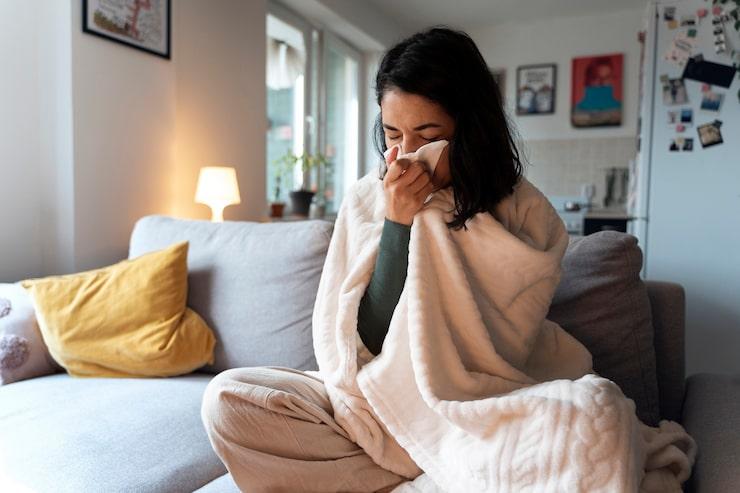
a woman with a common seasonal cold
Walk into any Indian household during cold season and you will find some combination of warm haldi doodh on the stove, ginger being crushed for tea, tulsi leaves being boiled, and someone being told to do steam inhalation before bed. These remedies have lasted across generations for a reason. Most of them genuinely work.
The honest part is that no home remedy "cures" a cold. The cold runs its course in seven to ten days regardless. What home remedies do is reduce symptoms, make you more comfortable, support your immune system, and possibly shorten the worst of it by a day or two.
Here is what to use, how to use it properly, and what to skip.
Most of the classic Indian cold remedies hit one of three targets:
Soothing throat and airway irritation: honey, ghee, mulethi, warm liquids, steam.
Anti-inflammatory and antimicrobial action: ginger, turmeric, tulsi, garlic, black pepper, clove.
Thinning mucus and clearing the chest: steam, warm fluids, certain spices.
Most kitchen remedies combine more than one of these. This is why mixed preparations like kadha work better than any single ingredient.
These three are the foundation of Indian home cough and cold care, and they have decent research behind them.
Honey has antimicrobial properties and forms a coating that soothes the throat. For cough, especially night-time cough, several studies have shown honey works as well as or better than over-the-counter cough syrups in children over one year.
How to use: a teaspoon plain, or stirred into warm water with lemon. Or mixed with ginger juice. Take two or three times a day, including at bedtime.
Use raw honey if possible. Not for children under one year because of botulism risk.
Ginger is anti-inflammatory and warming. It helps with sore throat, cough, congestion, and mild nausea that sometimes comes with viral illnesses.
How to use: a small piece of fresh ginger, crushed, boiled in water for ten minutes. Strain. Add a teaspoon of honey and a squeeze of lemon. Drink warm.
Or chew small pieces of fresh ginger with a pinch of salt during the day. Or add fresh ginger generously to your daily cooking.
Ginger juice mixed with honey (half a teaspoon ginger juice plus a teaspoon honey) is one of the most effective cough remedies in the traditional repertoire.
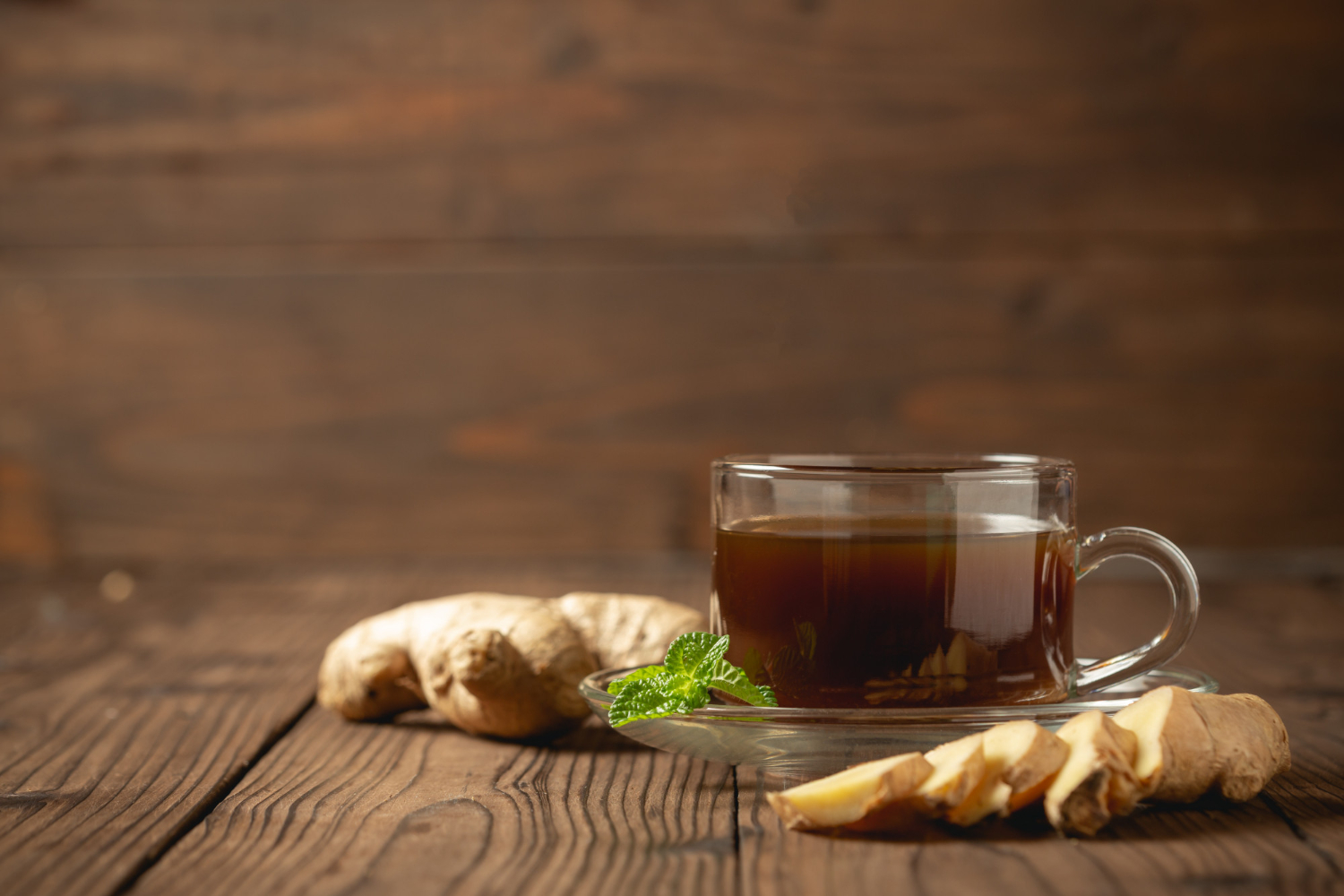
A cup of ginger tea with fresh ginger slices.
Tulsi has anti-inflammatory, antimicrobial, and immune-supporting properties. It is one of the most studied medicinal plants in Indian tradition.
How to use: five to seven fresh leaves boiled in water with ginger and honey. Or chewed directly (about five leaves a day). Or as tulsi tea (available in tea bags).
If you have a tulsi plant at home, fresh leaves are best. Older Indian households often use tulsi proactively, not just during illness.
Kadha is a warming herbal decoction. Recipes vary, but most include some combination of:
Boil all the spices and herbs in two cups of water until it reduces to one cup. Strain. Add honey or jaggery if needed. Drink warm, one small cup once or twice a day during a cold.
Kadha during a cold or cough helps because of the combined warming and anti-inflammatory effects. It is one of the few traditional remedies that has stayed popular even with modern medicine widely available.
Some people make a milder version for daily use during the cold months as prevention.
Warm milk with turmeric is an evening staple in many Indian homes, especially during winter or illness.
Recipe: a cup of warm milk, half a teaspoon of turmeric powder, a pinch of black pepper (the black pepper helps absorb the curcumin in turmeric), a small piece of jaggery or a teaspoon of honey. Stir well and drink before bed.
The turmeric is anti-inflammatory and antimicrobial. The warm milk is soothing. The combination helps with cough, sore throat, and the general unwell feeling. Black pepper improves absorption of the turmeric compound (curcumin).
Pregnant women should check with a doctor before taking high doses of turmeric.
One of the most underrated home treatments. Steam loosens mucus, soothes irritated airways, opens up the nose, and reduces sinus pressure.
How to do it properly: boil water in a wide pot. Add a few drops of eucalyptus oil or vicks if available. Lean over the pot with a towel draped over your head to trap the steam. Breathe in through the nose and out through the mouth for five to ten minutes. Keep eyes closed.
Twice a day during a cold is useful. Be careful with hot water around children; supervise children closely. Younger children should not lean over hot water unsupervised.
If you cannot do steam inhalation, a hot shower with a steamy bathroom helps too.
The two most effective and least glamorous remedies for upper respiratory illness.
Saltwater gargle for sore throat. Half a teaspoon of salt in a glass of warm water. Gargle for 30 seconds, several times a day. Reduces inflammation and helps with bacteria and viruses locally.
Saline nasal rinse for blocked or runny nose. Available as ready-made sprays at the chemist. Or use a neti pot with sterile saline. Clears mucus, reduces congestion, and may shorten the cold.
These two together cover the main symptoms of most upper respiratory infections.
Mulethi (liquorice): chewed or in tea, soothes the throat. Available as throat sticks or powder.
Pepper, honey, and ghee paste: a traditional remedy for cough. Pinch of black pepper powder, half a teaspoon of honey, half a teaspoon of ghee. Mix and take twice a day.
Garlic: anti-inflammatory and antimicrobial. Crush a clove and swallow with water in the morning, or add generously to cooking.
Cloves: chewed or sucked, provide some relief for sore throat and bad breath that often comes with respiratory illness.
Cinnamon: in tea, warming and anti-inflammatory.
Carom seeds (ajwain): a small amount of ajwain in hot water is a traditional remedy for chest congestion and cough.
Ginger and tulsi infusion for children: a milder version with a small piece of ginger and tulsi boiled in water, sweetened with a little jaggery or honey (over one year). Easier for children than strong adult tea.
Warm soups, especially clear broths. Tomato soup, vegetable soup, chicken soup, dal khichdi.
Spicy food in moderation can help clear the sinuses. Black pepper, green chilli, ginger, and garlic all open up the nose.
Fresh fruits with vitamin C: oranges, mosambi, amla, guava, lemon.
Adequate water and warm fluids throughout the day. Aim for 2 to 3 litres.
Foods to skip during a cold: very cold drinks straight from the fridge, ice cream in large amounts (small amounts can soothe sore throat), heavy fried foods, very rich meals, alcohol.
The most underrated remedy. Sleep is when the immune system does its best work. Go to bed an hour or two earlier than usual during a cold. Take it easy at work. Skip the gym for a few days.
People who push through with normal activity often turn a three-day cold into a week of feeling unwell.
If congestion is making sleep difficult, prop up the head with extra pillows. Take steam inhalation before bed. Use saline nasal spray. Have warm fluids close to hand.

A man sleeping peacefully, showing how good sleep supports a strong immune system.
Morning: warm water with lemon and honey on waking. Steam inhalation. Tulsi-ginger tea with breakfast.
Mid-morning: warm water through the day, kadha if you have one prepared.
Lunch: warm cooked food, simple and easy to digest. Khichdi or dal-chawal works well.
Afternoon: ginger tea with honey. Vitamin C source (orange, mosambi).
Evening: steam inhalation. Tulsi tea or kadha. Saltwater gargle.
Night: warm dinner. Haldi doodh before bed. Sleep early.
Throughout: rest, hydration, hand washing, avoiding pushing through.
This routine, kept up for a few days, takes most colds through the worst of the symptoms and toward recovery.
Be realistic about what to expect.
Home remedies cannot:
They are good at making the illness more bearable, supporting the immune system, and possibly shortening the cold by a day. That is genuinely useful, but not magic.
Get medical care when:
Symptoms have lasted more than 10 days without clear improvement. Symptoms have worsened after day five. Fever above 38.5°C persists for more than three days. There is severe sore throat with white patches on tonsils. There is breathlessness or chest pain. There is blood in mucus or phlegm. The cough is severe enough to interfere with sleep or daily activities for more than a week. There is severe sinus pain over the cheeks or forehead. There is ear pain or discharge. Anyone vulnerable (very young, very old, pregnant, chronically ill) is affected and not improving.
For NCR specifically, persistent cough deserves a tuberculosis check. India still has a high TB burden.
NCR sees a peak of respiratory illness from October to February. Cold air, air pollution, viral seasons, and crowded indoor gatherings all combine.
A few NCR-specific habits help: limit outdoor exposure on high-pollution days, mask up outdoors when AQI is bad, use air purifiers indoors, use humidifiers in heated rooms, stay well hydrated despite the cold weather (thirst signals are weaker in winter), take vitamin D if blood levels are low, take steam inhalation a few times a week as routine, get flu vaccinated.
At Prakash Hospital Noida, our general physicians and pulmonologists handle respiratory illness across the range. From simple cold and cough management to evaluating persistent symptoms, ruling out complications, and treating conditions like sinusitis, bronchitis, asthma flares, or chest infections.
Whether you live in Sector 18, Sector 62, Greater Noida West, or anywhere nearby, Prakash Hospital Noida is a trusted name for medical consultation in the region.
Indian kitchen remedies for cold and cough work. Honey, ginger, tulsi, kadha, haldi doodh, steam inhalation, saltwater gargle, saline nasal rinse, and adequate rest cover most of what is needed.
They reduce symptoms, make you more comfortable, and support recovery. They do not cure a cold faster than the natural course, but they make the week or so of illness more bearable.
If symptoms drag on, become severe, or come with warning signs like high fever, breathlessness, or persistent cough, see a doctor. The basics work for most colds. Knowing when basics are not enough is the more important skill.

Round-the-clock emergency scans and treatment for stroke, followed by rehabilitation and prevention.
A controlled acid solution lifts damaged surface skin to fade pigmentation, tanning and acne marks.
Records the brain's electrical activity through scalp electrodes to help diagnose epilepsy and seizures.
Free tools to check your weight, plan a pregnancy, track calories and more.
We offer expert care across key specialties, including Medicine, Cardiology, Orthopaedics, ENT, Gynaecology, and more—delivering trusted treatment under one roof.
Detailed guide on tuberculosis symptoms, causes, diagnosis, treatment options, prevention, and recovery for long-term lung health.
8 Jan 2026
by Prakash Hospital

एनीमिया यानी खून की कमी क्या होती है, इसके कारण, लक्षण, जांच और सही इलाज की पूरी जानकारी हिंदी में जानें।
19 Jan 2026
by Prakash Hospital
Skin pigmentation — understand the causes of dark patches, types of pigmentation, and effective treatments. Visit Prakash Hospital Noida for dermatology care.
24 Jun 2026
by Prakash Hospital

How to lower blood pressure naturally through diet, exercise, sleep and stress management. Evidence-based guide for Indians. Prakash Hospital Noida.
18 Aug 2026
by Prakash Hospital

Learn symptoms, risk factors, prevention tips and when to seek expert cardiac care in Noida.
25 Mar 2026
by Prakash Hospital

सीने में जलन (एसिडिटी) और हार्ट प्रॉब्लम के लक्षणों में क्या फर्क है? कब यह गंभीर हो सकता है और डॉक्टर से कब मिलना चाहिए, पूरी जानकारी हिंदी में।
23 Apr 2026
by Prakash Hospital


Book a consultation with Prakash Hospital's specialists — 24/7 emergency care, 100+ doctors, NABH accredited.
View All Departments