


High Blood Pressure (Hypertension): The Silent Risk
High blood pressure affects millions silently. Know symptoms, treatment, and lifestyle changes. Visit Prakash Hospital Noida.
22 Jul 2026
by Prakash Hospital
by Prakash Hospital

A woman using phone at night rubbing her eyes due to screen fatigue.
The eyes do remarkable work every minute of every day, and most of us only think about them when something goes wrong. With more screen time than any previous generation, polluted urban air, rising rates of diabetes, and an ageing population, eye problems are becoming more common at younger ages.
The good news is that most common eye conditions are either preventable, treatable, or both. Regular eye check-ups catch many problems early, and a few simple habits make a real difference for long-term eye health.
This is a practical guide to common eye problems, signs to watch for, and how to take care of your eyes.
The eye is a small, intricate organ. Light enters through the cornea (the clear front part), passes through the pupil and lens, and lands on the retina at the back. Photoreceptors in the retina convert light into nerve signals, which travel via the optic nerve to the brain. The brain interprets these signals as the images we see.
Each part can develop problems. The cornea can get infected or scarred. The lens can become cloudy (cataract). The pressure inside the eye can rise (glaucoma). The retina can deteriorate (macular degeneration, diabetic retinopathy). The optic nerve can be damaged. Each problem causes specific symptoms and needs specific treatment.
The most common eye condition. The shape of the eye does not focus light correctly on the retina.
Myopia (short-sightedness): distant objects appear blurred. Near vision is usually clear. Increasingly common in children and young adults, partly because of more screen time and less outdoor activity.
Hyperopia (long-sightedness): near objects appear blurred. Distant vision is usually clear in younger people but both may blur with age.
Astigmatism: blurred vision at all distances due to irregular cornea or lens shape.
Presbyopia: age-related difficulty focusing on near objects. Starts around 40 and progresses. Most people need reading glasses by their mid-40s.
Treatment: glasses, contact lenses, or refractive surgery (LASIK, SMILE, PRK) in suitable candidates.
Regular eye exams catch refractive errors early. Children should have eye exams at least once before starting school and periodically afterwards.
Common, especially with extended screen use and air-conditioned environments. The eye does not produce enough tears, or the tears evaporate too quickly.
Symptoms:
Causes:
Treatment:
A modern problem. Extended screen use causes symptoms that overlap with dry eye:
Symptoms:
Solutions:
Inflammation of the conjunctiva (the membrane covering the white of the eye and inside the eyelids).
Types:
Viral conjunctivitis: highly contagious, often associated with cold-like symptoms. Watery discharge. Usually resolves on its own in 1 to 2 weeks.
Bacterial conjunctivitis: thick yellow or green discharge. Eyes often stuck together in the morning. Responds to antibiotic eye drops.
Allergic conjunctivitis: itchy, watery, often both eyes. Associated with allergies. Responds to antihistamine drops.
Symptoms:

Eye drops being applied to a man's eyes.
When to see a doctor:
Hygiene: viral and bacterial conjunctivitis spread easily. Wash hands frequently, do not share towels, avoid touching eyes, replace eye makeup, wash linens.
Clouding of the natural lens of the eye. Usually develops with age but can occur earlier.
Symptoms:
Causes:
Treatment:
Cataract surgery is one of the most successful surgeries performed:
Modern cataract surgery uses small incisions, phacoemulsification, and various lens options including multifocal lenses that may reduce dependence on glasses.
Timing of surgery: when cataract affects daily life. No need to wait for it to "mature" (an outdated concept).
A group of conditions where the optic nerve is damaged, often associated with increased pressure inside the eye. Called the "silent thief of sight" because it usually has no symptoms until significant vision is lost.
Types:
Open-angle glaucoma: most common type, progresses slowly without symptoms until later stages.
Angle-closure glaucoma: less common, can develop suddenly with severe pain, redness, blurred vision, nausea. Medical emergency.
Normal-tension glaucoma: optic nerve damage despite normal eye pressure.
Congenital glaucoma: present at birth.
Risk factors:
Symptoms: usually none until advanced.
Detection: comprehensive eye examination including:
Treatment:
Treatment slows progression but does not reverse damage. Early detection is essential.
Damage to retinal blood vessels from long-standing diabetes. Leading cause of preventable blindness in working-age adults.
Covered in detail in the diabetes complications blog in this series.
Key points:
Age-related condition affecting the central part of the retina (macula).
Types:
Dry macular degeneration: more common, slow progression.
Wet macular degeneration: abnormal blood vessels grow and leak. Rapid vision loss. Treatable with injections.
Symptoms:
Risk factors:
Treatment: injections for wet macular degeneration, vitamins for dry type, lifestyle modifications.
Some eye problems need immediate care:
Do not rub the eye. Do not apply pressure. Get to an eye specialist or emergency room.
"Reading in dim light damages eyes." Causes temporary eye strain but no lasting damage.
"Sitting close to TV damages eyes." Can cause eye strain in children. Not permanent damage.
"Carrots improve eyesight dramatically." Vitamin A is important for vision but eating extra does not improve normal vision.
"Glasses make eyesight weaker." Glasses correct vision but do not change the underlying eye anatomy.
"Eye exercises eliminate the need for glasses." Eye exercises do not correct refractive errors.
"Cataracts only happen to old people." Most cataracts occur with age but younger people can develop them too.
"You can wait until cataract is mature for surgery." Surgery is best when cataract starts affecting daily activities. No need to wait.
"Glaucoma is felt as eye pressure." Most glaucoma has no symptoms.
"Computer screens damage eyes permanently." Extended screen use causes temporary symptoms (eye strain, dryness) but no permanent damage in most cases. May contribute to myopia progression in children.
"Wearing weak glasses is harmful." Properly prescribed glasses are not harmful. Incorrectly prescribed ones can cause discomfort.
"Eye drops without prescription are harmless." Some drops have side effects with prolonged use. Use under guidance.
A few habits make a real difference for long-term eye health:
Regular eye examinations: at least every 2 years for healthy adults, annually if you have diabetes, family history of eye disease, or wear contact lenses, or are over 60.
Protective eyewear: in dust, during construction work, sports, gardening, working with chemicals.
Sunglasses: UV-blocking sunglasses outdoors reduce risk of cataracts and macular degeneration.
Stop smoking: smoking is a major risk factor for many eye conditions.
Manage chronic conditions: diabetes, hypertension, cholesterol affect eye health.
Healthy diet: green leafy vegetables, fish (omega-3), citrus fruits, eggs, nuts, whole grains. Specific nutrients including lutein, zeaxanthin, vitamin C, vitamin E, zinc, omega-3 fatty acids support eye health.
Stay hydrated: helps tear production.
Take screen breaks: 20-20-20 rule.
Adequate sleep: eye recovery happens during sleep.
Proper lighting: when reading or working.
Hand hygiene: prevents many eye infections.
Do not share towels, eye makeup, or contact lens supplies.
Contact lens care: follow instructions strictly. Replace as recommended. Never sleep in lenses unless specifically designed for it. Replace storage solution daily.
Avoid rubbing eyes vigorously: can damage cornea, especially in people with thin corneas.
Treat eye infections promptly.
Children's eye development is rapid. Early detection of problems is critical:
Common children's eye conditions include refractive errors, lazy eye (amblyopia), squint (strabismus), and various inherited conditions. Most are treatable when caught early.
Risk of multiple conditions rises with age:
Recommendations:
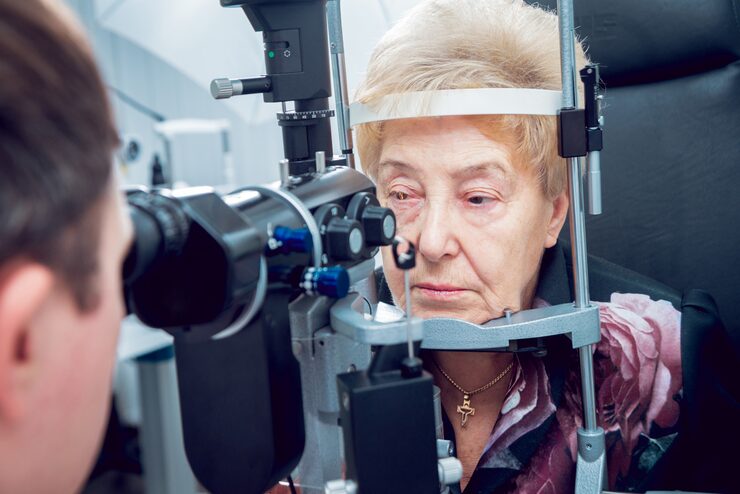
An elderly woman getting her eyes checked by a doctor
At Prakash Hospital Noida, our ophthalmologists provide comprehensive eye care including routine eye examinations, refractive error evaluation, cataract surgery, glaucoma management, diabetic retinopathy screening, dry eye treatment, and management of various other eye conditions. Coordination with diabetologists and physicians is available for systemic conditions affecting the eyes.
Whether you live in Sector 18, Sector 62, Greater Noida West, or anywhere nearby, Prakash Hospital Noida is a trusted name for ophthalmology and eye care in Noida.
To book a consultation, call the number.
Most common eye problems are preventable, treatable, or both. Regular eye examinations catch many conditions before symptoms develop.
The basics matter: protective eyewear, no smoking, healthy diet, controlled diabetes and blood pressure, sensible screen habits, sun protection, and prompt treatment of symptoms.
Get an eye exam every 1 to 2 years even if your vision feels fine. Annual exams if you have diabetes, glaucoma family history, or are over 60. Get checked promptly for any sudden vision changes, pain, or other concerning symptoms.
The eyes work hard for decades. A small amount of attention, consistently applied, helps them keep working well throughout life.

Realigns broken bones and holds them with plates, screws, rods or frames so they heal in the right position.
A camera test that looks inside the bladder and urethra to find the cause of bleeding, infections or blockage.
Measures pressure and oxygen inside the heart and lungs through a thin tube, to guide valve and heart failure care.
Free tools to check your weight, plan a pregnancy, track calories and more.
We offer expert care across key specialties, including Medicine, Cardiology, Orthopaedics, ENT, Gynaecology, and more—delivering trusted treatment under one roof.
High blood pressure affects millions silently. Know symptoms, treatment, and lifestyle changes. Visit Prakash Hospital Noida.
22 Jul 2026
by Prakash Hospital

बार-बार भूलना कब सामान्य है और कब यह गंभीर बीमारी का संकेत हो सकता है? मेमोरी लॉस के कारण, चेतावनी संकेत, जांच और इलाज के बारे में विस्तार से जानें।
25 Feb 2026
by Prakash Hospital

Understand piles or hemorrhoids, their causes, symptoms, types, diagnosis, treatment options, lifestyle changes, and when to seek medical care.
14 Jan 2026
by Prakash Hospital

ज्यादा नमक खाने से क्या नुकसान होते हैं? जानिए हाई ब्लड प्रेशर, किडनी और दिल पर नमक का प्रभाव और रोजाना कितना नमक सुरक्षित है।
10 Mar 2026
by Prakash Hospital

Best fruits to gain weight — bananas, mangoes, avocados, dates, and more calorie-dense fruit options. Visit Prakash Hospital Noida for nutrition consultation.
9 Jul 2026
by Prakash Hospital

Vitamin D3 foods — understand the difference between D2 and D3, top sources, and how to meet your needs. Visit Prakash Hospital Noida for nutrition consultation.
24 Jun 2026
by Prakash Hospital


Book a consultation with Prakash Hospital's specialists — 24/7 emergency care, 100+ doctors, NABH accredited.
View All Departments