



Foods for Healthy Skin: The Indian Diet Approach
Best Indian foods for healthy, glowing skin — what to eat for skin hydration, collagen, and protection from UV damage. Prakash Hospital Noida.
14 Sept 2026
by Prakash Hospital
by Prakash Hospital

Complete Guide to Building Healthy Blood
You walk up two flights of stairs and find yourself unusually out of breath. You feel cold when nobody else does. Your nails break easily. You feel tired in a way that sleep does not fix. A friend mentions you look pale, and you check the inside of your eyelids in the mirror — they do look unusually light.
These are classic signs of low hemoglobin. Hemoglobin is the protein in red blood cells that carries oxygen from the lungs to every tissue in the body. When hemoglobin levels drop, oxygen delivery to tissues drops with it, and the symptoms appear across nearly every system.
Low hemoglobin is extraordinarily common in India. Around half of all Indian women have some degree of anaemia, often without realising it. A significant proportion of children and adolescents are affected too. Even adult men, who have a lower baseline risk, can develop low hemoglobin from various causes.
The encouraging news is that hemoglobin can almost always be raised through a combination of dietary changes, lifestyle adjustments, and — when needed — medical treatment. This article walks through the complete approach.
Hemoglobin is the iron-containing protein in red blood cells that gives blood its red colour. It binds to oxygen in the lungs and releases it in tissues throughout the body. It also helps carry carbon dioxide back to the lungs to be exhaled.
Normal hemoglobin levels vary by sex and age:
For adult men, the normal range is 13.5 to 17.5 grams per deciliter.
For adult women, the range is 12 to 15.5 grams per deciliter.
For pregnant women, levels above 11 grams per deciliter are considered acceptable.
For children, the range varies by age, generally 11 to 14 grams per deciliter.
Levels below the lower limit indicate anaemia, with severity classified by how far below normal the value sits.
Several causes can lower hemoglobin, and the right treatment depends on identifying the cause.
The most common cause globally and in India. Without enough iron, the body cannot make adequate hemoglobin.
Disrupts red blood cell production. Common in vegetarians and people on long-term metformin or acid-blocking medications.
From heavy menstrual bleeding, gastrointestinal bleeding, ulcers, hemorrhoids, frequent blood donation, or recent surgery — depletes iron stores and hemoglobin.
Like kidney disease, inflammatory conditions, infections, and some cancers can suppress red blood cell production.
Like thalassemia and sickle cell disease affect hemoglobin structure or production.
Increases iron and blood volume requirements, often dropping hemoglobin.
Affects red blood cell production in rare cases.
Accelerated destruction of red blood cells, can occur in certain medical conditions.
Symptoms develop gradually as hemoglobin drops:
1. Persistent fatigue even after adequate sleep.
2. Pale skin — particularly noticeable in the inside of the eyelids, lower lip, nail beds, and palms.
3. Weakness and reduced exercise tolerance.
4. Shortness of breath with normal activities.
5. Heart palpitations or rapid heartbeat.
6. Cold hands and feet.
7. Headaches and dizziness.
8. Hair loss.
9. Brittle nails that break or develop a spoon shape.
10. Cracks at the corners of the mouth.
11. Smooth, sore tongue in established deficiency.
12. Restless legs at night.
13. Strange cravings for ice, dirt, or starch (pica) in some cases.
14. Difficulty concentrating and poor memory.
The combination of these symptoms together is what often points to low hemoglobin.
A simple complete blood count (CBC) measures hemoglobin levels and red blood cell parameters. This is part of routine blood testing.
1. Serum ferritin measures stored iron and is the most sensitive test for iron deficiency.
2. Serum iron, total iron binding capacity (TIBC), and transferrin saturation provide additional information.
3. Vitamin B12 and folate levels check for those deficiencies.
4. Reticulocyte count indicates whether the bone marrow is responding by producing new red blood cells.
5. Peripheral blood smear examines the appearance of red blood cells under a microscope.
For unexplained anaemia in adults, particularly men and postmenopausal women, further investigation is needed to find the source. This may include endoscopy, colonoscopy, gynaecological evaluation, or other tests.
Diet is the foundation for most cases of low hemoglobin. Several nutrients work together to support healthy red blood cell production.
For non-vegetarians, heme iron sources are most efficient:

On a wooden table a healthy meal is shown with focus on a woman's hand going to eat it with a fork in hand.
For vegetarians, non-heme iron comes from:
Vitamin C dramatically improves non-heme iron absorption, sometimes by two to four times. Pair iron-rich meals with:
Practical combinations: lemon on dal, tomato in spinach, amla with meals, a glass of orange juice with iron-rich breakfast.
For red blood cell production:
Also essential for red blood cell production:
Has long been recommended in Indian tradition for blood building. It provides iron, vitamin C, and antioxidants. Daily consumption can support hemoglobin.
Is rich in folate and iron. The classic Indian remedy of beetroot juice has scientific support.
Are traditional iron sources and can be added to meals or laddoos.
Provide iron with natural sweetness.
Is widely used in Indian cooking and provides iron alongside its calorie content.
Several substances interfere with iron absorption when consumed at the same meal:
Contain tannins that significantly reduce non-heme iron absorption. Avoid them with meals; have them 1 to 2 hours before or after.
Reduce iron absorption when eaten together. Space them out.
In unprocessed grains, nuts, and seeds can reduce absorption. Soaking, sprouting, and fermenting reduce phytates substantially.
In spinach reduce iron absorption from spinach itself. Spinach is still useful but not the iron powerhouse it is often portrayed as.
The skill in raising hemoglobin through diet is not just eating more iron — it is absorbing more of what you eat.
Do this for every meal possible.
This single habit makes a measurable difference for tea-loving Indians.
Cooking acidic foods like tomato curries and dals in iron pots adds meaningful iron to the food.
Sprouted moong, chickpeas, and dals have improved iron availability. Fermented foods like idli, dosa, and dhokla also help.
Soaking legumes and grains overnight reduces phytates and improves absorption.
This is for absorption help. A glass of orange juice with breakfast does what an isolated supplement cannot.
When dietary changes alone are not enough, or when anaemia is established, medical treatment becomes necessary.
Common forms include ferrous sulfate, ferrous fumarate, and ferrous gluconate. Slow-release formulations are gentler on the stomach.
Effects of iron supplements include nausea, constipation, dark stools, and stomach upset. Taking with food reduces side effects but also reduces absorption. Taking on an empty stomach with vitamin C maximises absorption but may cause more side effects.
Typically 3 to 6 months — long enough to correct anaemia and replenish iron stores.
Needed when B12 deficiency contributes.
May be prescribed when folate deficiency is present.
Used when oral iron is not tolerated or when correction is urgent.
Reserved for severe anaemia with symptoms — chest pain, breathing difficulty, very low hemoglobin levels.
Heavy menstrual bleeding, GI bleeding, infections, and other underlying conditions need attention alongside iron replacement.
With adequate treatment, hemoglobin typically rises by 2 grams per deciliter within 4 to 8 weeks. Most people feel better well before this — energy improves within a couple of weeks.
Full correction of mild to moderate anaemia takes about 3 months. Replenishing iron stores takes longer — often 6 months or more of continued supplementation after hemoglobin normalises.
This is why doctors typically recommend continuing iron supplements for several months after hemoglobin returns to normal.
Stimulates red blood cell production. Walking, yoga, swimming, and light cardiovascular exercise all help.
Of 7 to 9 hours supports overall recovery and bone marrow function.

A man sleeping in a dark and quiet room for recovery through sleep and relaxation.
Matters because chronic stress affects nutrient absorption and overall health.
Supports healthy blood volume.
Important because alcohol affects nutrient absorption and bone marrow.
Improves overall blood and lung health.
Heavy or prolonged periods are a major cause of iron deficiency in Indian women. Addressing the underlying cause through gynaecological evaluation is essential. Iron supplementation alone may not be enough if heavy bleeding continues.
Iron requirements rise dramatically during pregnancy. Routine iron supplementation is standard. Hemoglobin monitoring is part of prenatal care.
Growth spurts increase iron needs. Iron deficiency in children affects cognitive development. Pediatricians often prescribe iron supplements for children with low hemoglobin.
Iron absorption from plant sources is lower. Strict attention to vitamin C pairing, avoiding tea and coffee at meals, and sometimes supplementation are needed.
Reduced stomach acid affects iron absorption. Chronic conditions and medications can complicate the picture. GI evaluation is often needed when low hemoglobin appears.
Endurance athletes have higher iron needs because of increased red blood cell turnover.
Spinach has iron but oxalates reduce absorption. It helps but is not a magic solution.
Beetroot provides folate and some iron. The visible improvement is gradual, not dramatic.
When used appropriately under medical guidance, iron supplements are safe and highly effective.
Self-prescribed iron can cause problems — too much can damage organs, and it can mask underlying causes of anaemia that need investigation.
They significantly reduce iron absorption. Space them apart from meals.
Men get anaemia too, often from blood loss, kidney disease, or other causes. Anaemia in men always needs investigation.
The colour of food has no relationship to its iron content. Beetroot is moderate. Lentils (pale) are excellent.
A doctor consultation makes sense when you have persistent symptoms of low hemoglobin, when you have known risk factors (heavy periods, vegetarian diet, chronic conditions), or as part of routine annual checkups.
Anaemia found in adult men or postmenopausal women always needs investigation for underlying causes, including potential GI bleeding.
Working women in Noida and Greater Noida fall into the highest-risk group for low hemoglobin. Heavy menstrual bleeding, vegetarian diets, frequent tea and coffee with meals, irregular eating, and stress all contribute. Many women live with persistent fatigue without realising the cause is treatable.
Annual blood tests during health checkups identify the problem early. Once identified, the correction is straightforward with proper dietary attention and medical guidance.
At Prakash Hospital, Noida, experienced doctors offer comprehensive blood testing including hemoglobin, complete blood count, iron studies, vitamin B12, and folate. Investigation of underlying causes, personalised treatment plans, and coordination with gynaecology, gastroenterology, and other specialists when needed are all part of the service.
Whether you are in Sector 18, Sector 62, Greater Noida West, or anywhere nearby, Prakash Hospital Noida is a trusted name for blood tests and anaemia treatment.
Low hemoglobin is one of the most common and most treatable health issues in India. The symptoms — fatigue, weakness, pale skin, breathlessness — often get attributed to other causes for years before the real problem is identified.
The path to higher hemoglobin combines several strategies. Iron-rich foods at every meal. Vitamin C pairing to maximise absorption. Avoiding tea and coffee at mealtimes. Treating underlying causes like heavy bleeding. Taking supplements when prescribed. Giving the process several months to fully correct.
For most people, raising hemoglobin from low to normal is achievable and life-changing. Energy returns. Cognitive function improves. Exercise tolerance increases. Quality of life improves substantially.
If you suspect your hemoglobin is low, get a blood test. The simple step of knowing where you stand opens up the path to feeling significantly better.

A swallowed pill camera that photographs the small intestine to find hidden bleeding or Crohn's disease.
Trims an enlarged prostate from inside the urethra so urine flows freely, with no cut on the skin.
A camera test of the food pipe, stomach and duodenum for acidity, ulcers, bleeding and swallowing problems.
Free tools to check your weight, plan a pregnancy, track calories and more.
We offer expert care across key specialties, including Medicine, Cardiology, Orthopaedics, ENT, Gynaecology, and more—delivering trusted treatment under one roof.
Best Indian foods for healthy, glowing skin — what to eat for skin hydration, collagen, and protection from UV damage. Prakash Hospital Noida.
14 Sept 2026
by Prakash Hospital
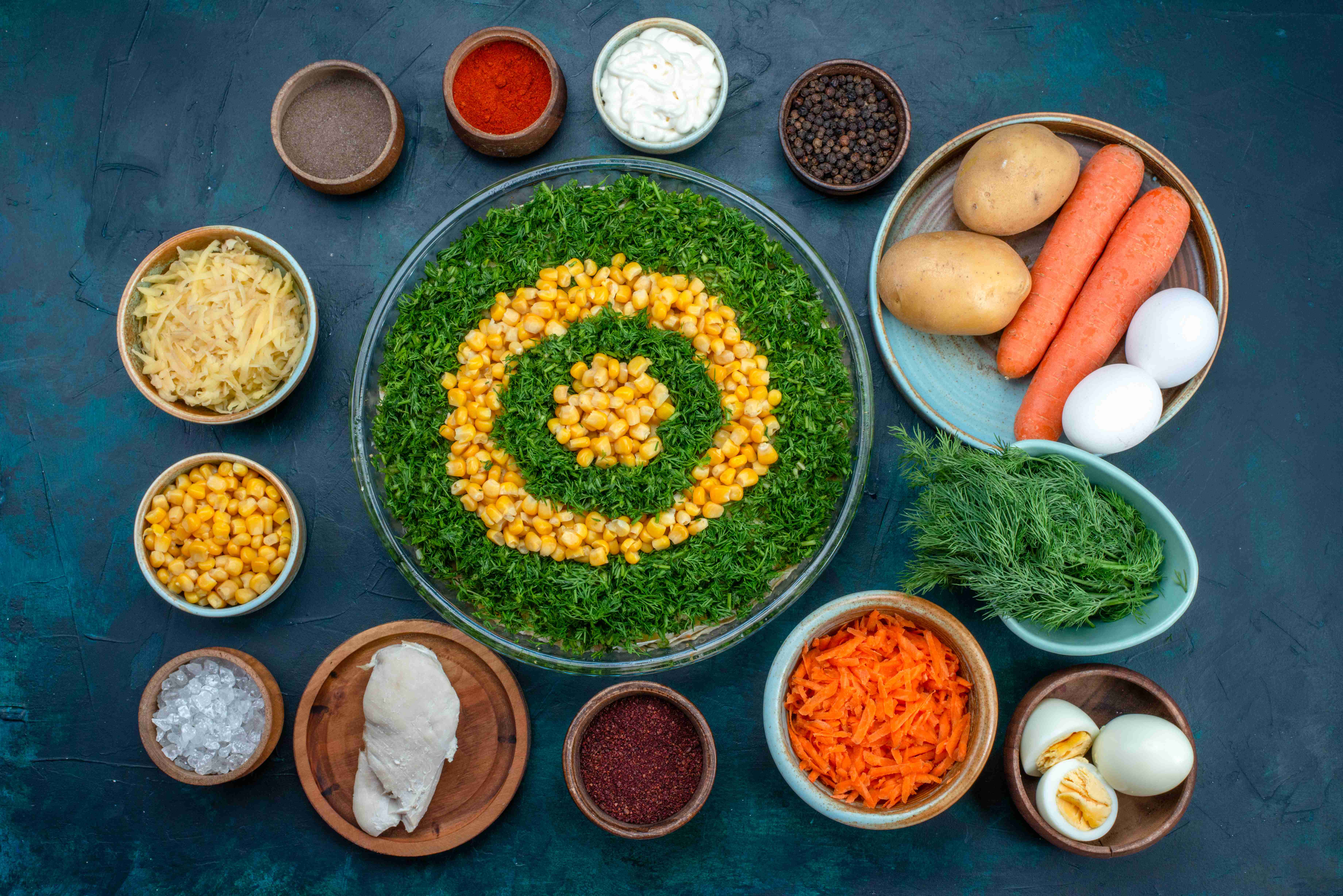
Learn about vitamin A deficiency, its causes, symptoms, and effective treatments. Discover how to prevent and manage deficiency for optimal heal
2 Jun 2025
by Prakash Hospital

जानिए PCOD और PCOS क्या हैं, दोनों में क्या अंतर है, इनके लक्षण, कारण और इलाज के बारे में विस्तार से।
30 Mar 2026
by Prakash Hospital

क्या आपके बाल धीरे बढ़ रहे हैं? जानिए इसके मुख्य कारण जैसे पोषण की कमी, तनाव, हार्मोनल बदलाव और गलत हेयर केयर। साथ ही, बालों की ग्रोथ तेज करने के असरदार घरेलू उपाय और आसान टिप्स भी पढ़ें।
5 May 2026
by Prakash Hospital
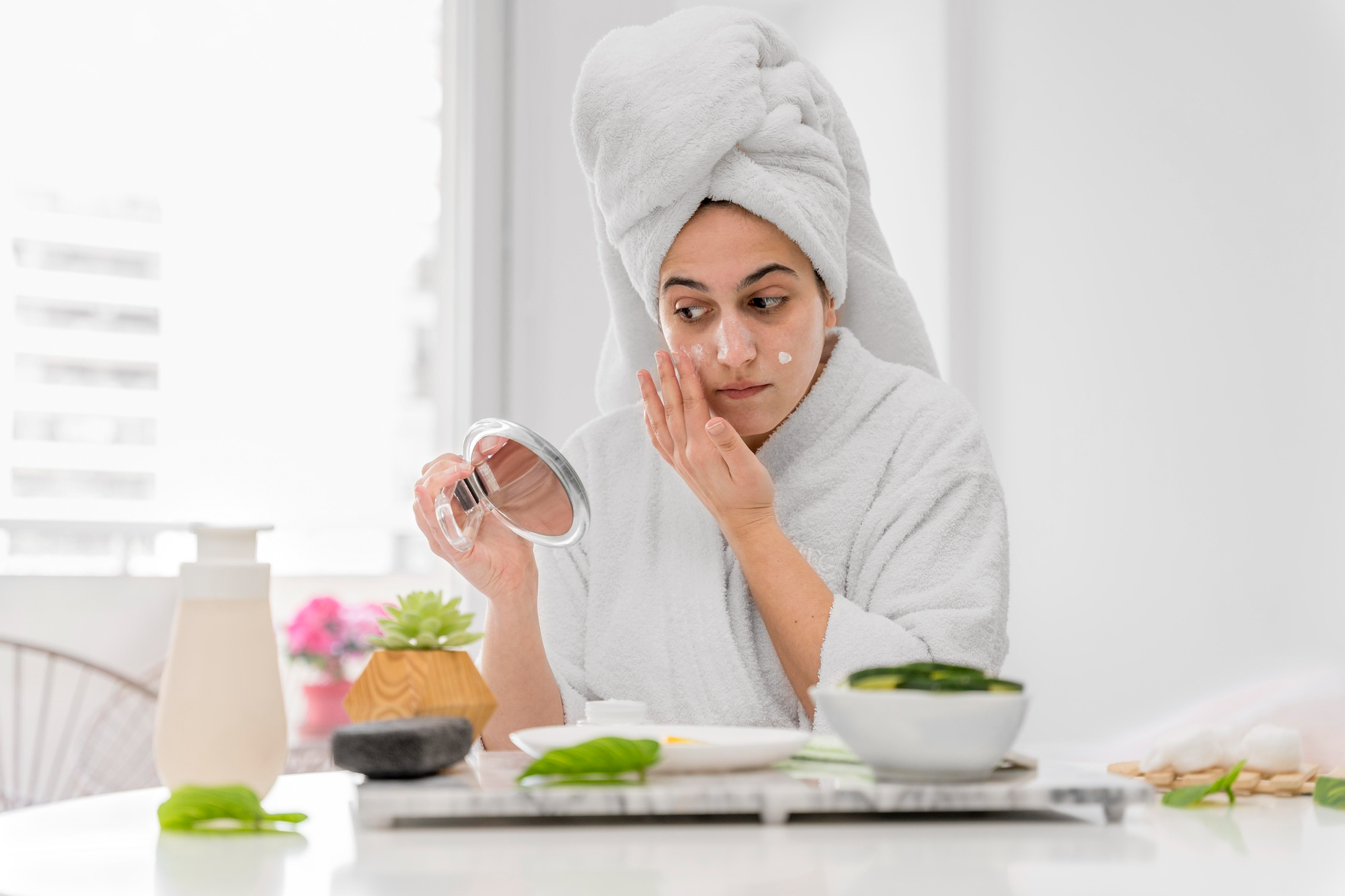
Skin pigmentation — understand the causes of dark patches, types of pigmentation, and effective treatments. Visit Prakash Hospital Noida for dermatology care.
24 Jun 2026
by Prakash Hospital

स्किन एलर्जी क्यों होती है? जानिए खुजली, लाल चकत्ते, रैश और त्वचा पर सूजन के कारण, लक्षण, जांच और सही उपचार के बारे में पूरी जानकारी।
23 Mar 2026
by Prakash Hospital


Book a consultation with Prakash Hospital's specialists — 24/7 emergency care, 100+ doctors, NABH accredited.
View All Departments