


Signs Your Liver May Not Be Functioning Properly
Discover early signs your liver may not be functioning properly, including fatigue, jaundice and digestive issues, expert liver care in Noida.
24 Mar 2026
by Prakash Hospital
by Prakash Hospital

Liver Damage Signs You Should Never Ignore
The liver is a quietly stubborn organ. It can lose 70 to 80 percent of its function before symptoms become obvious. By the time most people realise something is wrong, substantial damage has often occurred. The early warning signs are subtle — easy to dismiss as just tiredness, stress, or aging.
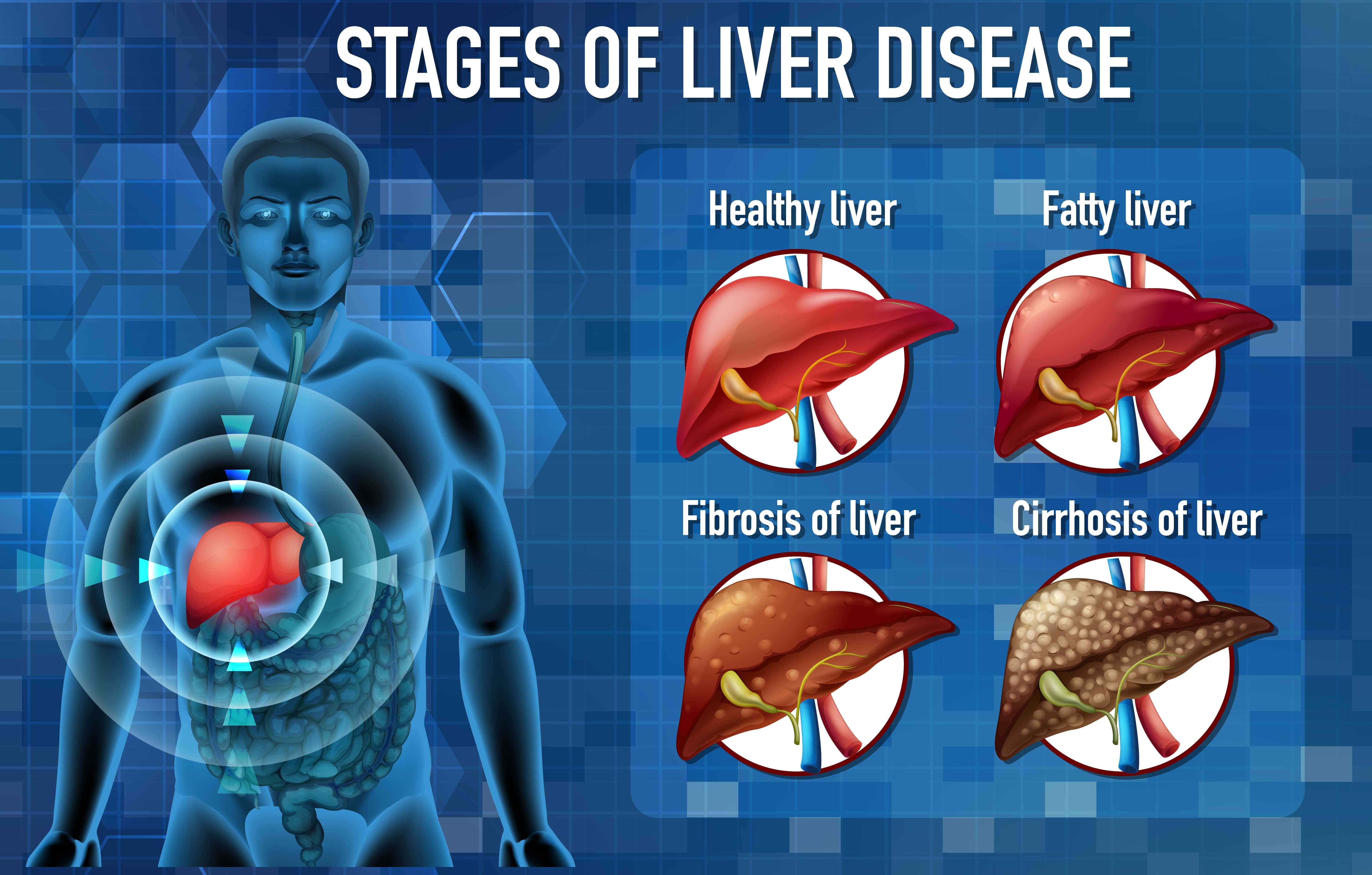
Learning to recognise the signs of liver damage matters because early intervention dramatically improves outcomes. Fatty liver can be reversed. Hepatitis can be treated. Even early fibrosis can stabilise. Late-stage cirrhosis is much harder to manage.
This article walks through the early subtle signs of liver damage, the more obvious later signs, and what to do when you notice them.
Several reasons:
The liver has reserve capacity — it continues working even with significant damage.
Symptoms are often vague — fatigue, mild discomfort, occasional nausea. Easy to attribute to other causes.
No pain receptors in liver tissue — pain only occurs when the liver capsule (outer covering) stretches or surrounding structures are involved.
Damage develops slowly — over months and years rather than days.
No routine self-examination — unlike skin or breast self-exams, no easy way to check liver yourself.
This combination means liver damage often advances substantially before being identified, unless routine blood tests catch it early.
These are subtle and often ignored or attributed to other causes.
Tiredness that does not improve with sleep. Feeling drained throughout the day. Reduced exercise tolerance.
The liver produces many proteins involved in energy metabolism. When function declines, persistent fatigue often results — even before other symptoms appear.
A dull ache, fullness, or vague discomfort under the right ribs. Often comes and goes. May worsen after fatty meals.
This is one of the more specific early signs. The liver itself does not have pain receptors, but its outer covering (capsule) stretches when the liver enlarges or inflames.
Eating less than before. Feeling full quickly. Loss of interest in food.
The liver's role in digestion, hormone regulation, and toxin processing affects appetite when impaired.
Occasional nausea, particularly after fatty or rich meals. Sometimes mild morning queasiness.
Reduced bile production and impaired fat digestion contribute to this.
Unexplained weight loss over weeks or months without trying. Often combined with reduced appetite.
Disrupted metabolism and reduced nutrient absorption play roles.
Generalised itching without an obvious skin condition. Sometimes worse at night or after warm baths.
Substances that should be cleared by the liver and excreted in bile accumulate in the skin, causing itching. This can be an early sign in some liver conditions.
Urine that is darker than usual, sometimes tea-coloured. Particularly when first urine in the morning is much darker than expected.
When the liver cannot process bilirubin properly, more of it is excreted in urine, darkening its colour.
Persistent feeling of fullness or bloating in the upper abdomen, particularly after meals.
Multiple mechanisms — reduced bile flow, slowed digestion, sometimes early fluid accumulation.
The sclera (white part of the eye) appearing slightly off-white or with a faint yellow tinge. Often the first place jaundice becomes visible.

Close-up of a man’s eyes showing yellow discoloration, a key sign of jaundice.
Best assessed in good natural light.
Clear yellowing of the skin and eyes. Often accompanied by dark urine and pale stools. Indicates significant problems with bilirubin processing.
When jaundice develops, medical evaluation is needed promptly. Causes range from temporary issues (gallstones, certain medications) to serious liver disease.
When bile flow is reduced or blocked, the brown colour of normal stools fades. Stools become pale yellow, grey, or clay-coloured.
This combined with dark urine is a classic sign of bile flow problems.
Fluid accumulation in the abdomen, causing it to enlarge. Often develops gradually. Can become substantial.
Ascites indicates advanced liver disease with portal hypertension. Requires medical evaluation and management.
Pitting swelling, particularly in the lower legs. Develops because of low albumin levels (the liver makes albumin) and fluid retention.
Bruises appearing from minor knocks. Bleeding gums when brushing. Nosebleeds. Prolonged bleeding from cuts.
The liver produces most clotting factors. As production declines, bleeding tendencies develop.
Small spider-shaped clusters of blood vessels, typically on the upper body — face, chest, arms. Have a central red spot with radiating fine vessels.
Indicate hormonal imbalances from impaired liver function. A few can be normal, but many spider angiomas suggest liver issues.
Redness on the palms, particularly at the base of the thumb and little finger.
Like spider angiomas, indicates hormonal changes from liver disease.
Confusion, memory problems, personality changes, sleep disturbances, sometimes asterixis (a flapping tremor of the outstretched hands).
Occurs when the damaged liver cannot remove toxins (particularly ammonia) from the blood, affecting brain function.
Hepatic encephalopathy ranges from mild (subtle memory or sleep issues) to severe (coma). Requires urgent medical attention.
Visible loss of muscle mass alongside weight loss. Particularly in advanced disease.
More pronounced itching than the early sign. Can be intense and disruptive.
In men: breast enlargement (gynecomastia), reduced body hair, testicular atrophy.
In women: irregular periods.
Result from hormonal imbalances when the liver cannot process estrogen properly.
Indicates bleeding from the upper digestive tract, often from varices (enlarged veins from portal hypertension).
This is a medical emergency requiring immediate hospital care.
Different causes of liver damage have somewhat different patterns:
Spider angiomas particularly common. Palmar erythema. Enlarged liver early, shrunken liver late. History of heavy drinking. Sometimes obvious nutritional deficiencies alongside.
Often silent. Mild liver enzyme elevation on routine tests. Associated with obesity, diabetes, abdominal weight. May progress to NASH (non-alcoholic steatohepatitis) and cirrhosis over years.
Acute hepatitis often presents with sudden flu-like illness, dark urine, jaundice. Chronic hepatitis may be silent for years before progressing.
Often affects young to middle-aged women. May have associations with other autoimmune conditions. Fatigue often prominent.
Onset within weeks to months of starting a drug. May have rash, fever alongside liver symptoms. Resolves with stopping the drug in most cases.
Family history. May present in childhood or younger ages. Sometimes other organ involvement.
Some symptoms require emergency care:
Vomiting blood or passing black tarry stools — possible variceal bleeding.
Severe confusion or unresponsiveness — possible hepatic encephalopathy.
Severe abdominal pain with fever — possible infection.
Rapid worsening of jaundice — acute liver failure possibility.
Significant abdominal swelling with breathing difficulty.
Severe weakness or fainting.
Do not wait for routine appointments in these situations.
A consultation makes sense when:
Earlier evaluation produces better outcomes.
Symptoms, duration, alcohol use, medications, supplements, family history, occupational exposures, travel history.
Looking for jaundice, spider angiomas, palmar erythema, ascites, edema, liver enlargement, splenomegaly.

Close-up of a healthcare professional carefully drawing blood from a patient in a modern clinic setting for routine health check-up and preventive screening
For unclear diagnosis or to assess severity.
The treatment depends entirely on the cause:
Fatty liver — weight loss, diet changes, exercise, treating diabetes.
Alcoholic liver disease — alcohol abstinence, nutritional support, sometimes medications.
Viral hepatitis — antiviral medications (highly effective for hepatitis C now, also effective for hepatitis B).
Autoimmune hepatitis — immunosuppressant medications.
Drug-induced injury — stopping the offending drug.
Wilson's disease, hemochromatosis — specific treatments for these conditions.
Advanced disease — managing complications, sometimes liver transplantation.
The earlier the cause is identified, the more reversible the damage often is.
"You can feel your liver if it is damaged." Most liver damage produces no specific pain. The liver itself has no pain receptors.
"Pain in the right side always means liver." Many other causes exist — gallbladder, kidney, intestine, muscle issues.
"Liver damage is always from alcohol." NAFLD is now the most common liver disease in many countries. Many people with liver damage have never had a drink.
"Yellow eyes always mean jaundice." Yellowing of the eyes is the hallmark of jaundice but other causes exist.
"Liver detox tonics work." No good evidence supports these claims.
"You can reverse cirrhosis with diet." Early fibrosis can stabilise or improve. Established cirrhosis is much harder to reverse.
"Asymptomatic means no problem." Most early liver disease is silent.
"Liver problems only affect older people." Hepatitis, genetic disorders, drug-induced injury, and other conditions can affect any age.
Liver disease prevalence is rising in NCR. Multiple factors contribute — increasing obesity, diabetes, alcohol consumption in some demographics, sedentary work, and exposure to certain medications and traditional supplements.
NAFLD has become extraordinarily common in working professionals. Often silent for years before producing symptoms.
Practical adaptations include annual health checkups with liver function tests, addressing weight and metabolic issues proactively, moderating alcohol consumption, hepatitis vaccination, and gastroenterology consultation when symptoms or test abnormalities appear.
At Prakash Hospital, Noida, experienced gastroenterologists and hepatologists offer comprehensive liver evaluation including thorough physical examination, blood tests, ultrasound, FibroScan when needed, and personalised treatment plans.
Whether you are in Sector 18, Sector 62, Greater Noida West, or anywhere nearby, Prakash Hospital Noida is a trusted name for liver health and gastroenterology consultation.
To book a consultation, call the number.
Liver damage is one of those conditions where early recognition makes an enormous difference in outcomes. The same disease that becomes life-threatening at stage 4 is often reversible or stabilisable at stage 1 or 2.
The challenge is that early signs are subtle. Persistent fatigue, mild abdominal discomfort, occasional nausea, slight yellowing — easy to ignore or attribute to other causes. People often wait until jaundice, ascites, or other obvious signs develop before seeking care, by which point much of the damage is done.
Pay attention to your body. Get annual blood tests. Note any persistent or unusual symptoms. Be honest with your doctor about alcohol use, medications, and supplements. Address risk factors proactively — weight, diabetes, hepatitis vaccinations.
If you have any of the signs described in this article, particularly if multiple together, see a doctor. The evaluation is straightforward. The investment is small. The potential to catch liver damage early when it is most treatable is enormous.
Your liver does its quiet work every day. The least you can do is listen when it tries to tell you something is wrong.

Endoscopic treatment through the mouth that removes bile duct stones and opens blockages causing jaundice.
A thin needle sample of liver tissue to diagnose liver disease and measure scarring when other tests can't.
A camera test of the food pipe, stomach and duodenum for acidity, ulcers, bleeding and swallowing problems.
Free tools to check your weight, plan a pregnancy, track calories and more.
We offer expert care across key specialties, including Medicine, Cardiology, Orthopaedics, ENT, Gynaecology, and more—delivering trusted treatment under one roof.
Discover early signs your liver may not be functioning properly, including fatigue, jaundice and digestive issues, expert liver care in Noida.
24 Mar 2026
by Prakash Hospital

Hepatomegaly or enlarged liver — understand the causes, symptoms, and treatment options. Visit Prakash Hospital Noida for liver evaluation and care.
7 Jul 2026
by Prakash Hospital
Home remedies to strengthen the liver — foods, lifestyle changes, and natural approaches that support liver health. Visit Prakash Hospital Noida for liver care.
11 Jun 2026
by Prakash Hospital

जानिए किडनी फंक्शन टेस्ट (KFT) क्या होता है, यह किन-किन पैरामीटर्स को मापता है और किडनी की सेहत के बारे में क्या जानकारी देता है।
11 May 2026
by Prakash Hospital

Male infertility causes, from varicocele to heat and smoking, the semen analysis, and what helps — a practical guide for Indian men. Prakash Hospital Noida.
7 Oct 2026
by Prakash Hospital

Prostate problems — symptoms of BPH, prostatitis and prostate cancer, the tests used to diagnose them, and when to see a doctor. Prakash Hospital Noida.
5 Oct 2026
by Prakash Hospital
Learn the importance of dietary fiber for digestion, heart health, and immunity with expert-backed insights from Prakash Hospital, Noida.
15 Sept 2025
by Prakash Hospital
Understand IBS and learn how to manage symptoms with diet, lifestyle, and stress relief. Join the movement on World IBS Day 2025.
8 May 2025
by Prakash Hospital

लिवर खराब होने के शुरुआती लक्षण क्या हैं? थकान, पीलिया, पेट दर्द जैसे संकेतों को नज़रअंदाज़ न करें। कारण, जांच, इलाज और बचाव के तरीके जानें।
20 Feb 2026
by Prakash Hospital


Book a consultation with Prakash Hospital's specialists — 24/7 emergency care, 100+ doctors, NABH accredited.
View All Departments