


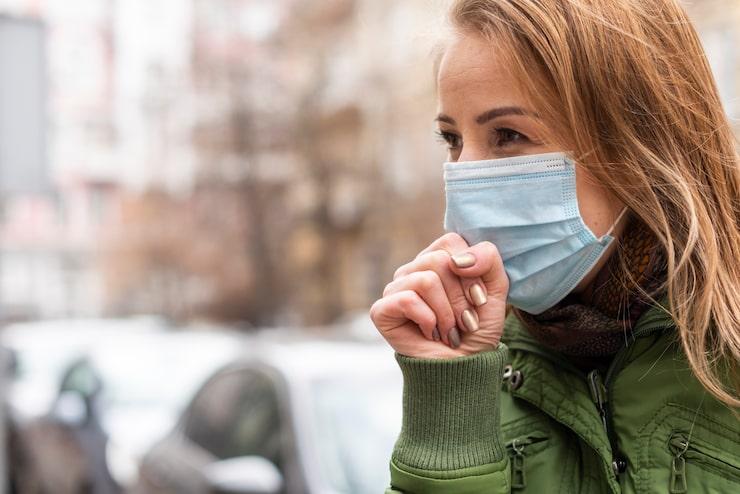
Practical Ways to Protect Yourself from Air Pollution
Learn the best ways to protect yourself from air pollution with advice from the best doctors at Prakash Hospital, Noida.
29 Oct 2025
by Prakash Hospital
by Prakash Hospital

A woman sitting with a therapist and expressing her thoughts and emotions, highlighting the importance of professional mental health support and emotional healing.
Stress and anxiety have become part of daily life for millions of people. Work pressures, financial concerns, relationship difficulties, health worries, the triggers are many, and they are constant.
Yet mental health remains one of the most neglected areas of healthcare in India. Many people endure months or years of anxiety, emotional exhaustion, and chronic stress without seeking help either because they do not recognise it as a health issue or because of the stigma that still surrounds it.
Mental health is not a luxury concern. It is a fundamental component of overall health. The World Health Organization defines health as a state of complete physical, mental, and social wellbeing, not merely the absence of disease.
This article explains what stress and anxiety are, how they affect the body, and what practical steps you can take to protect and improve your emotional wellbeing.
Stress is the body's natural response to perceived threat or demand. When the brain senses danger, whether real or imagined, it triggers the release of stress hormones, primarily cortisol and adrenaline.
This is known as the fight-or-flight response. It is a survival mechanism that evolved to help humans respond to immediate physical danger. In short bursts, stress is useful. It sharpens focus, increases energy, and improves performance.
The problem arises when stress is chronic. In modern life, the brain is repeatedly activating this response, to deadlines, traffic, financial pressure, difficult relationships, and countless other stressors that do not resolve quickly.
When stress hormones remain elevated over long periods, they damage the body in measurable ways:
Chronic stress is not just uncomfortable. It is a physiological threat to health.
Anxiety is a normal human emotion. Everyone feels anxious before an important event, a medical procedure, or an uncertain situation. This kind of anxiety is temporary and proportionate to the situation.
Anxiety becomes a clinical concern when it is:
Persistent, excessive worry about a wide range of everyday things. The worry is difficult to control and is accompanied by physical symptoms such as muscle tension and poor sleep.
Recurrent, unexpected panic attacks, sudden surges of intense fear accompanied by physical symptoms such as racing heart, breathlessness, chest tightness, dizziness, and a sense of impending doom.
Intense fear of social situations and the judgment of others. It can severely limit a person's ability to work, socialise, or carry out daily activities.
Persistent preoccupation with having or developing a serious illness, despite medical reassurance.
Anxiety disorders are among the most common mental health conditions globally. They are also among the most treatable.
Many people experiencing stress and anxiety do not recognise it as such. They go to doctors with physical complaints that have no clear physical cause. Understanding the physical symptoms of stress and anxiety helps connect the dots.
The following strategies are supported by research and widely recommended by mental health professionals.
Sleep and mental health are deeply interconnected. Poor sleep worsens anxiety and stress. Anxiety and stress disrupt sleep. Breaking this cycle is often the first step in improving emotional wellbeing.
Adults need seven to nine hours of sleep. Consistently getting less than six hours has been shown to significantly increase the risk of anxiety and depression.

A calm, resting woman sleeping on her side in a softly lit bedroom, reflecting the importance of restful sleep for emotional balance, stress relief and mental well-being.
Physical activity is one of the most powerful tools available for managing stress and anxiety. It reduces cortisol levels, releases endorphins, improves sleep, and builds resilience against future stress.
The key is consistency. The mental health benefits of exercise accumulate over time and are most significant when activity is maintained as a long-term habit rather than used as a short-term fix.
Mindfulness is the practice of directing attention to the present moment without judgement. It interrupts the cycle of rumination, the tendency to replay worries about the past or future, that drives much of anxiety and stress.
This activates the parasympathetic nervous system and reduces the physical symptoms of anxiety within minutes.
Practice this daily and use it whenever anxiety escalates.
Constant exposure to negative news, social media comparison, and digital notifications maintains the brain in a low-level state of alert. This contributes directly to chronic stress.
Loneliness and social isolation significantly worsen stress and anxiety. Meaningful social connection is one of the strongest protective factors for mental health.
The gut and brain are directly connected through the gut-brain axis. Diet has a measurable impact on mood, anxiety, and cognitive function.
A significant source of chronic stress is an imbalance between demands and the resources available to meet them. Learning to set boundaries is an essential mental health skill.
Writing about stressful events and emotions has been shown in multiple studies to reduce their psychological impact. It externalises thoughts, creates distance from them, and allows the brain to process difficult experiences more effectively.

A woman writing in her journal in a calm setting, highlighting journaling as a powerful tool for self-reflection, emotional release and stress management.
Self-help strategies are valuable, but they have limits. Professional support is necessary when:
Seeking help is not weakness. It is a decision to take your health seriously.
Resilience is not the absence of stress or difficulty. It is the capacity to recover from it. Like physical fitness, emotional resilience is built through consistent practice over time.
Feeling overwhelmed, anxious, or emotionally exhausted? You do not have to manage it alone. Prakash Hospital, Noida offers compassionate mental health consultations and specialist support across our Medicine and Psychiatry departments.
Taking the first step is the hardest and the most important.
Call us at: +91 88260 00033
Website: www.prakashhospitals.in
Address: D-12A, 12B, Sector 33, Noida
Your mental health matters.
Stress is typically a response to an identifiable external trigger and resolves when the situation changes. Anxiety is often more persistent, internally driven, and continues even in the absence of an obvious stressor. Both can significantly affect health and quality of life.
Yes. Chronic stress is associated with a significantly increased risk of cardiovascular disease, digestive disorders, immune dysfunction, type 2 diabetes, and mental health conditions. The physiological effects of stress on the body are well-documented and serious.
If anxiety is persistent, difficult to control, and significantly affecting your ability to work, maintain relationships, or carry out daily activities, for more than two weeks, professional assessment is warranted. You do not need to be in crisis to seek help.
Some older anti-anxiety medications, particularly benzodiazepines, carry a risk of dependence and are generally used only for short periods. Modern first-line medications such as SSRIs are not addictive. Your doctor will discuss the most appropriate option for your situation.
Yes. Anxiety disorders are among the most common mental health conditions in young people. Academic pressure, social media, and family stress are significant contributing factors. Early identification and support are important.
Yes. Regular meditation, particularly mindfulness meditation, has been shown in multiple clinical studies to reduce anxiety symptoms, lower cortisol levels, and improve overall emotional regulation. It is most effective when practised consistently over time.

Anti-wrinkle injections and hyaluronic acid fillers that soften lines and restore facial volume, with no downtime.
Removes large or prolapsing piles that haven't settled with diet, medicines or banding.
Gentle exfoliation that removes dead surface skin to brighten dull skin and soften light marks, with no downtime.
Free tools to check your weight, plan a pregnancy, track calories and more.
We offer expert care across key specialties, including Medicine, Cardiology, Orthopaedics, ENT, Gynaecology, and more—delivering trusted treatment under one roof.
Learn the best ways to protect yourself from air pollution with advice from the best doctors at Prakash Hospital, Noida.
29 Oct 2025
by Prakash Hospital

Learn about different body shapes, their characteristics, and simple ways to identify your body type for better fashion and fitness choices.
20 May 2026
by Prakash Hospital

Indian foods that help lower cholesterol, what to avoid, and a practical meal plan. Visit Prakash Hospital Noida for cardiology care.
21 Jul 2026
by Prakash Hospital

रोटेटर कफ इंजरी के लक्षण, कारण और इलाज जानें। कंधे में दर्द और कमजोरी को नजरअंदाज न करें। Prakash Hospital में पाएं एडवांस ऑर्थोपेडिक और फिजियोथेरेपी उपचार।
15 Jun 2026
by Prakash Hospital

जानिए जॉइंट रिप्लेसमेंट सर्जरी कब जरूरी होती है, इसके लक्षण क्या हैं, और किन मरीजों को इसकी जरूरत पड़ सकती है।
25 Mar 2026
by Prakash Hospital

जानिए स्ट्रेस फ्रैक्चर के कारण, लक्षण और सही इलाज। समय पर देखभाल, आराम और सही उपचार से जल्दी रिकवरी कैसे पाएं।
12 May 2026
by Prakash Hospital


Book a consultation with Prakash Hospital's specialists — 24/7 emergency care, 100+ doctors, NABH accredited.
View All Departments