


Peptic Ulcer Symptoms: Signs Your Stomach Lining Is Damaged
Peptic ulcer symptoms — how to recognise them, what causes ulcers, and effective treatment. Prakash Hospital Noida.
16 Sept 2026
by Prakash Hospital
by Prakash Hospital

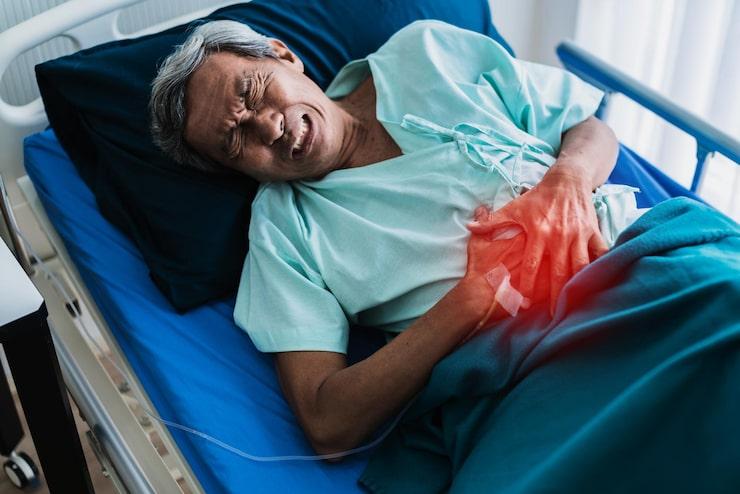
Man holding his stomach due to abdominal pain and digestive discomfort.
Stomach pain is one of those complaints that almost everyone has dealt with. Some days it is a vague dull ache that comes and goes. Other days it is sharp, cramping, doubled-over discomfort that makes you want to lie down and not move. Sometimes it goes away on its own. Sometimes it builds and becomes the reason you end up in a hospital.
The challenge with stomach pain is that the same symptom can mean very different things — anything from gas after a heavy meal to appendicitis, from menstrual cramps to a kidney stone, from indigestion to a heart attack referring pain to the abdomen. Most cases are minor and self-resolving. Some are serious and need urgent attention.
This article walks through the common causes of stomach pain, simple home remedies for everyday cases, the warning signs that mean you should see a doctor, and how to prevent recurrent episodes.
In medical terms, "stomach pain" usually means abdominal pain — pain anywhere in the area between the chest and the groin. The actual stomach (the organ) is just one of many structures in this region.
The abdomen contains:
Pain can originate from any of these structures, and sometimes referred from outside the abdomen (heart, lungs, spine).
The location, character, timing, and accompanying symptoms help identify which structure is involved.
Just below the breastbone.
Common causes:
Below the right ribs.
Common causes:
Below the left ribs.
Common causes:
Common causes:
Common causes:
Common causes:
Common causes:
All over.
Common causes:
Cramping — usually muscular contractions in the GI tract. Common in gas, gastroenteritis, menstrual pain, early bowel obstruction.
Burning — often acid-related. Gastritis, GERD, peptic ulcer.
Sharp stabbing — could be many things. Sometimes muscular, sometimes referring from nearby structures.
Dull aching — non-specific but often indicates organ inflammation or mild tissue irritation.
Colicky (comes in waves) — suggests blockage of a tube — bile duct stones, kidney stones, intestinal obstruction.
Constant — often more serious. Inflammation, infection, sometimes ischemia.
Discomfort, burning, or fullness in the upper abdomen, often related to meals.
Common triggers:
Excessive gas in the digestive tract causes pain and distension.
Common causes:
Infection of the digestive tract — viral, bacterial, or parasitic.
Symptoms:
Hard, infrequent stools can cause significant discomfort.
Stomach acid backing up into the esophagus causes burning chest and upper abdominal pain.
Open sores in the stomach or duodenum. Cause burning pain often relieved by food or worsened by it (depending on location).
Toxins or microorganisms from contaminated food. Rapid onset of symptoms.
In women, monthly menstrual cramps can be quite painful.

Woman lying on couch holding stomach in pain.
Burning urination, lower abdominal pain, sometimes fever.
Severe colicky pain that comes in waves, often radiating from the back to the groin.
Pain in the upper right abdomen, often after fatty meals. May radiate to the shoulder or back.
Pain often starts around the navel and moves to the lower right abdomen. Becomes severe, constant. Often with nausea, low fever.
Inflammation of small pouches in the colon. Often left lower abdominal pain with fever.
Bulges where intestinal contents push through weak spots in the abdominal wall.
Severe upper abdominal pain, often radiating to the back. Causes include gallstones, alcohol, others.
Chronic functional or inflammatory bowel conditions causing recurrent pain.
In women — ovarian cysts, ectopic pregnancy, pelvic inflammatory disease, endometriosis.
In some cases, heart pain refers to the upper abdomen, particularly in women and diabetics.
Certain features make stomach pain urgent:
Sudden severe pain — particularly if it reaches maximum intensity quickly.
Pain with high fever — possible infection or appendicitis.
Pain with vomiting blood — possible GI bleeding.
Pain with black tarry stools — possible GI bleeding.
Pain with rigid abdomen — possible peritonitis.
Pain that prevents standing or moving — significant inflammation.
Pain with severe weakness or fainting — possible internal bleeding.
Pain with rapid breathing or chest pain — possible heart or lung issue.
Pain in pregnancy — needs urgent evaluation.
Pain in elderly with confusion — concerning combination.
Pain after recent trauma — possible internal injury.
Do not wait for routine appointments in these situations.
Warm water with ajwain (carom seeds) — boil 1 teaspoon ajwain in 2 cups water, strain, drink warm.
Hing (asafoetida) — pinch dissolved in warm water.
Saunf (fennel seeds) — chew after meals or as fennel tea.
Jeera (cumin) water — soothes digestion and reduces gas.
Hot water bottle on abdomen — relieves cramping.
Gentle walking — helps gas move through.
Lying on left side — sometimes helps trapped gas.
Ginger tea — natural aid for digestion.
Mint tea — calms an irritated stomach.
Lemon water with a pinch of salt and black pepper.
Buttermilk with rock salt and cumin.
Eat smaller portions — avoid overloading the stomach.
Avoid lying down immediately after meals.
Adequate water intake — 8 to 10 glasses daily.
Fibre-rich foods — vegetables, fruits, whole grains.
Prunes or prune juice.
Isabgol (psyllium husk) at bedtime with warm water.
Regular physical activity.
Avoid delaying bathroom urges.
Avoid lying down for 2 to 3 hours after eating.
Smaller more frequent meals.
Avoid spicy and fatty foods.
Banana — neutralising effect.
Cold milk in small amounts may help acutely.
Saunf after meals.
Elevate the head of the bed for night-time symptoms.
Heat application — hot water bottle, warm bath.
Ginger tea.
Gentle exercise.
Pain relievers if needed (under guidance).
Ginger and lemon tea — universal digestive aid.
Ajwain water — for various digestive issues.
Buttermilk — soothing and probiotic.
Yogurt with cumin — probiotic effects.
Plain rice with curd — easy on the stomach.
Khichdi — soft and easy to digest.
Avoid solid food briefly if severe — let the stomach rest.
Stay hydrated — small frequent sips.
See a doctor when:
For emergency signs, go to a hospital immediately.
Onset, duration, location, character, severity, triggering and relieving factors, accompanying symptoms, medical history, medications, family history.

Patient getting blood pressure checked at doctor’s clinic
Inspection of the abdomen, listening with a stethoscope (bowel sounds), gentle palpation to identify tenderness and masses, sometimes rectal examination.
Blood pressure, heart rate, temperature, breathing rate.
Complete blood count, kidney function, liver function, pancreatic enzymes, inflammation markers, sometimes specific tests.
For urinary tract infections, kidney issues, pregnancy in women.
Ultrasound — first-line for many conditions.
X-ray — for obstruction, perforation.
CT scan — detailed evaluation when needed.
MRI — for specific situations.
Direct visualisation of upper or lower GI tract when relevant.
Based on suspected cause.
For those with frequent episodes:
Identify triggers:
Eat well:
Manage stress:
Stay active:
Address sleep:
Medications:
Probiotics:
"All stomach pain means stomach disease." The actual stomach is just one of many structures that can cause abdominal pain.
"Pain in the upper right always means gallbladder." Often does, but other causes exist.
"Stomach pain in children is always just gas." Most cases are minor but children can have serious conditions too.
"Pain that comes and goes is not serious." Some serious conditions cause intermittent pain. Frequency and intensity matter.
"Drinking milk cures all stomach pain." Sometimes helps acid reflux briefly but is not a general remedy.
"Stomach pain is rarely a heart attack." In women and diabetics, heart pain can present as upper abdominal pain.
"Antacids cure all stomach pain." Only useful for acid-related pain.
"Painkillers fix stomach pain." NSAIDs (ibuprofen, aspirin) can actually worsen many stomach conditions.
"If pain goes away, the problem is resolved." Sometimes serious conditions have temporary improvement before worsening.
Stomach pain in pregnancy needs careful evaluation. Causes include normal pregnancy discomforts, but also ectopic pregnancy, miscarriage, preeclampsia, appendicitis, gallstones, urinary infections. Consult a doctor promptly.
Children may have difficulty describing pain. Look for behavioural signs — irritability, refusing food, holding the abdomen, unusual posture. Persistent pain or warning signs need pediatric evaluation.
Symptoms may be less typical. A heart attack might present as mild upper abdominal discomfort. Appendicitis may not cause classic symptoms. Lower threshold for medical evaluation.
Diabetics may have reduced pain sensation. A serious condition may present with less pain than expected. Take any persistent or unusual abdominal symptoms seriously.
Stomach pain is extremely common in working professionals in NCR. Multiple factors contribute — irregular meal timing, frequent restaurant and street food, stress, sedentary work, varying water quality, and increasingly common conditions like IBS, GERD, gallstones, and fatty liver.
Practical adaptations include regular meal timing, packed lunches when possible, identifying personal food triggers, stress management, regular exercise, hydration, and seeking timely medical care for persistent or concerning symptoms.
At Prakash Hospital, Noida, experienced gastroenterologists offer comprehensive evaluation of stomach pain including history-taking, examination, blood tests, ultrasound, endoscopy, and other imaging when needed. Emergency care is available for serious presentations.
Whether you are in Sector 18, Sector 62, Greater Noida West, or anywhere nearby, Prakash Hospital Noida is a trusted name for gastroenterology consultation.
To book a consultation, call the number.
Stomach pain is one of those universal experiences — almost everyone has it from time to time. Most episodes are minor and resolve with simple home care. Some indicate underlying conditions that need medical attention. A few are emergencies requiring immediate care.
The reliable approach is awareness — knowing the common causes, recognising warning signs, having basic home remedies available, and not delaying medical care when symptoms suggest something serious.
Indian kitchen remedies — ajwain water, jeera water, ginger tea, mint tea, buttermilk, hing — handle most everyday digestive discomfort effectively. Combined with sensible eating habits, stress management, and regular activity, they keep most digestive issues manageable.
When pain is severe, persistent, accompanied by warning signs, or affects vulnerable individuals, medical evaluation identifies the cause and allows specific treatment. Modern gastroenterology has effective diagnosis and treatment for the vast majority of abdominal conditions.
Listen to your body. Distinguish between minor everyday discomfort and significant pain that warrants attention. Use home remedies for the former and medical care for the latter. With this approach, stomach pain remains a manageable nuisance rather than becoming a serious problem.

A swallowed pill camera that photographs the small intestine to find hidden bleeding or Crohn's disease.
A camera test of the food pipe, stomach and duodenum for acidity, ulcers, bleeding and swallowing problems.
Endoscopic treatment through the mouth that removes bile duct stones and opens blockages causing jaundice.
Free tools to check your weight, plan a pregnancy, track calories and more.
We offer expert care across key specialties, including Medicine, Cardiology, Orthopaedics, ENT, Gynaecology, and more—delivering trusted treatment under one roof.
Peptic ulcer symptoms — how to recognise them, what causes ulcers, and effective treatment. Prakash Hospital Noida.
16 Sept 2026
by Prakash Hospital

Stomach infection symptoms — gastroenteritis, H. pylori, amoeba and more. What to do at home and when to see a doctor. Prakash Hospital Noida.
21 Aug 2026
by Prakash Hospital

Gastritis symptoms — what inflamed stomach lining feels like, what causes it, and what actually helps. Prakash Hospital Noida.
16 Sept 2026
by Prakash Hospital

Discover safe lifting techniques, common mistakes, spine injury prevention tips and expert back care at Prakash Hospital Noida.
23 Mar 2026
by Prakash Hospital

जानिए स्पोर्ट्स इंजरी क्यों होती है, इससे कैसे बचा जा सकता है और चोट लगने पर क्या करना चाहिए।
6 Apr 2026
by Prakash Hospital

पीठ दर्द क्यों होता है? जानिए इसके मुख्य कारण, लक्षण, घरेलू उपाय और पीठ दर्द से बचाव के आसान तरीके।
10 Feb 2026
by Prakash Hospital

Detailed guide on gut health, gut microbiome imbalance, symptoms of poor gut health and scientifically proven ways to improve digestive health.
19 Feb 2026
by Prakash Hospital
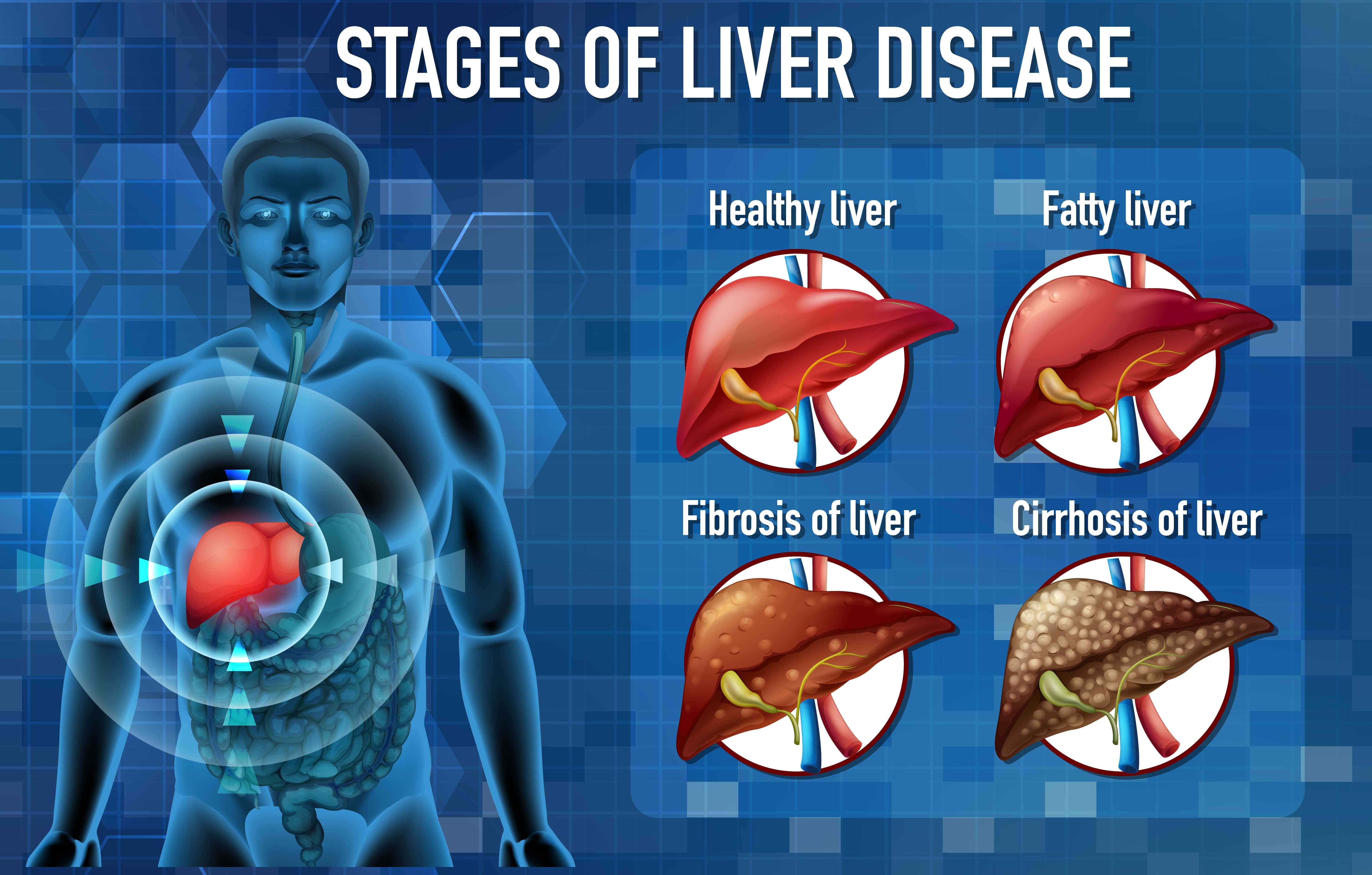
Home remedies to strengthen the liver — foods, lifestyle changes, and natural approaches that support liver health. Visit Prakash Hospital Noida for liver care.
11 Jun 2026
by Prakash Hospital

Learn about high fibre foods, types of dietary fibre, digestive benefits, recommended intake, and how fibre prevents constipation and heart disease.
27 Feb 2026
by Prakash Hospital


Book a consultation with Prakash Hospital's specialists — 24/7 emergency care, 100+ doctors, NABH accredited.
View All Departments