



Viral Fever vs Bacterial Infection: How to Tell the Difference
Viral fever symptoms vs bacterial infection signs — how to tell them apart and when antibiotics are actually needed. Prakash Hospital Noida.
19 Aug 2026
by Prakash Hospital
by Prakash Hospital
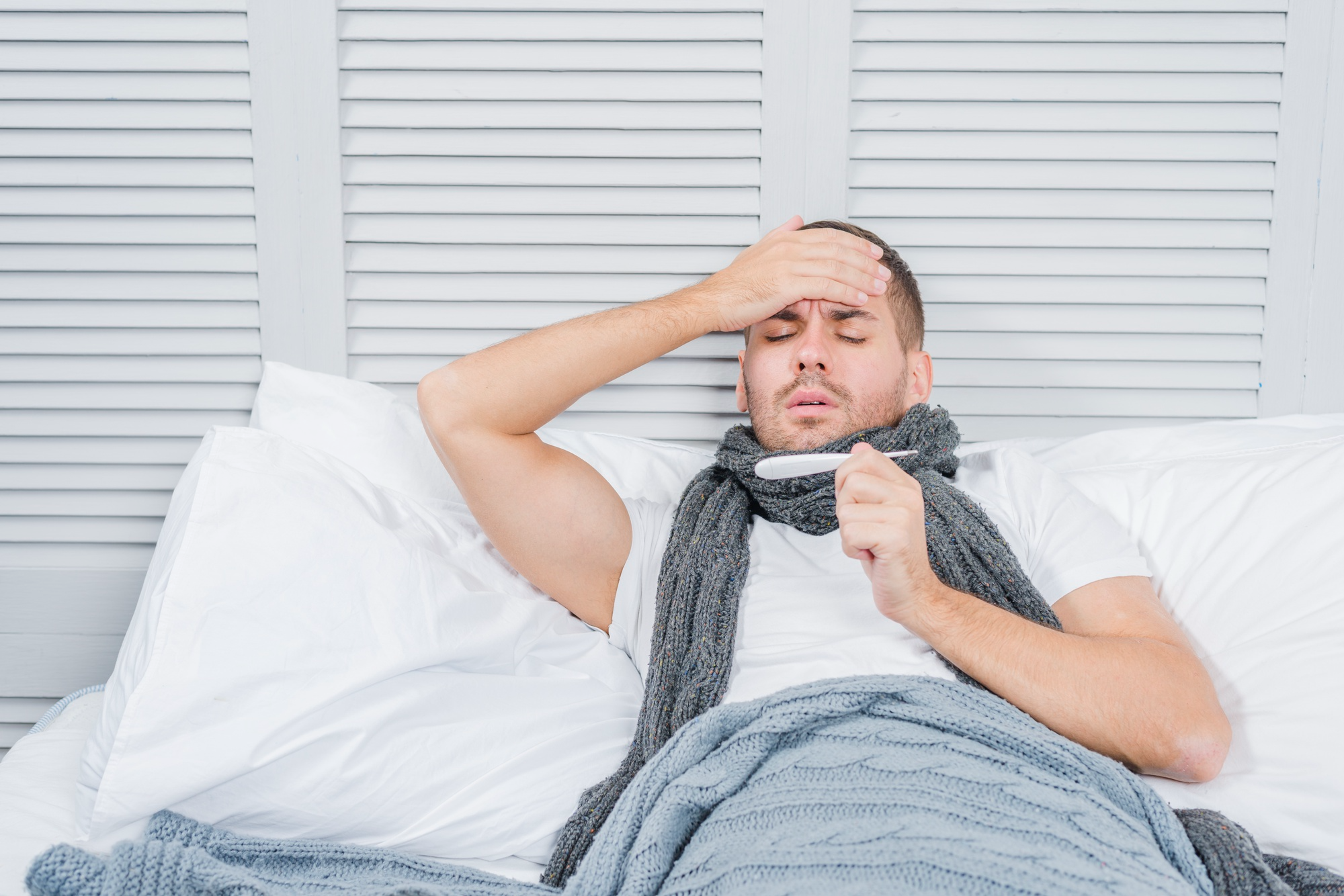
A person experiencing high fever.
Viral fever is the catch-all term used widely in India for a fever caused by a virus, with body aches, mild cold or cough, weakness, and a few days of feeling generally awful. It is one of the most common reasons people see a doctor.
The term is a bit loose. Different viruses cause different patterns. Some are mild and self-limiting. Some are serious, like dengue or COVID-19. The treatment is similar for most ordinary viral fevers, but identifying the specific cause sometimes matters.
This is a practical guide to viral fever: what to expect, how to manage it, when to get tested, and when to worry.
A virus enters the body, usually through the nose, mouth, or eyes. The immune system recognises it and mounts a defence. As part of this defence, the body raises its temperature, releases inflammatory chemicals that cause body aches, and diverts energy from regular activities to immune work.
The result: fever, body aches, tiredness, sometimes cold-like or flu-like symptoms, sometimes digestive symptoms.
Different viruses target different tissues. Respiratory viruses cause cough and runny nose. Gut viruses cause vomiting and diarrhoea. Dengue causes high fever with severe body and eye pain. Each has its own pattern, but the core "viral fever" picture is recognisable.
Influenza (flu): high fever, severe body aches, dry cough, runny nose, sore throat. Usually 5 to 7 days.
Common cold viruses: lower-grade fever, runny nose, sneezing, sore throat, mild cough. 5 to 10 days.
COVID-19: variable, including fever, cough, body aches, loss of taste or smell, sometimes breathlessness. Varies by variant.
Dengue: high fever, severe muscle and joint pain, severe headache, pain behind the eyes, rash. Common during monsoon and post-monsoon in NCR.
Chikungunya: high fever with very severe joint pain that can last weeks.
Viral gastroenteritis: fever with vomiting and diarrhoea.
Hepatitis A and E: fever with nausea, fatigue, then jaundice. Spread by contaminated food and water.
Measles, mumps, rubella, chickenpox: in unvaccinated children.
Other tropical viruses: scrub typhus, leptospirosis, and others occur seasonally.
The core symptoms of most viral fevers:
Plus respiratory symptoms in respiratory viruses: cough, runny nose, sore throat, congestion.
Or gut symptoms in viral gastroenteritis: vomiting, loose motions, abdominal cramps.
Or specific signs: rash, joint pain, lymph node swelling, depending on the virus.
The illness typically peaks on days two to four, then improves over days five to seven. Weakness can linger for another week.
For most ordinary viral fevers, the treatment is supportive: comfort, fluids, rest.
Hydration is critical. Fever increases fluid loss through sweating and faster breathing. If there is vomiting or diarrhoea, fluid loss is more.
Drink water frequently. ORS for cases with vomiting or diarrhoea. Coconut water, fresh juices, dal water, soup, kadha, herbal teas. Aim for two to three litres in adults across the day.
Avoid alcohol. It dehydrates and worsens body aches.
Sleep early. Skip work or go in late. Avoid the gym and any heavy activity. The body is using energy to fight the infection.
Pushing through often turns a five-day illness into a ten-day one.
The standard fever and body-ache medication. 500 to 1000 mg every 4 to 6 hours, up to 4 grams a day in adults. For children, dose by weight, usually 15 mg per kg every 4 to 6 hours.
The goal is comfort, not to push the temperature down to normal. A fever of 38.5°C in someone who feels okay does not need treatment. A fever of 39°C with severe shaking and discomfort does.
An alternative for body aches and fever. Take with food. Avoid in dengue (it can worsen bleeding) and in people with kidney issues, stomach ulcers, or asthma triggered by NSAIDs.
Lukewarm sponge baths for high fevers. Cold water causes shivering, which raises body temperature. Use lukewarm water on the forehead, neck, armpits, and groin.
Eat what you can. Heavy meals are hard to digest during fever. Khichdi, dal-chawal, curd rice, idli, banana, soup, kadha, fruit, plain biscuits.
Avoid heavy fried, spicy, or rich food during the worst days.
Tulsi tea with ginger and honey. Haldi doodh (turmeric milk) at bedtime. Kadha once or twice a day during the illness. Warm water with lemon and honey. Steam inhalation if there are respiratory symptoms. Saltwater gargle for sore throat.
These are not cures but they provide real comfort and mild immune support.
Most viral fevers do not need specific testing. They settle on their own and the management is the same.
Get tested when:
Dengue season (monsoon and post-monsoon in NCR): high fever with severe body aches, eye pain, headache, or rash. Dengue NS1 antigen test in first 5 days, dengue IgM after that. Complete blood count to check platelets.
Suspected COVID-19: especially if symptoms are unusual, you have been around vulnerable people, or you have breathlessness. RT-PCR or rapid antigen test.
Suspected flu: when symptoms are severe and you are vulnerable (older, pregnant, chronic illness). Flu antiviral medications work best if started in the first 48 hours.
Persistent fever more than five to seven days: needs evaluation for dengue, typhoid, malaria, COVID, and other causes. Blood counts, malaria smear, dengue and typhoid tests.
Fever in returning travellers from malaria-affected areas: needs malaria testing.
Severe symptoms: blood tests for inflammation, organ function, and specific infections.
A doctor decides which tests are useful based on symptoms, season, and travel history.
See a doctor when:
The fever has lasted more than three days without improvement. The fever is above 39.5°C. There is severe headache, especially with neck stiffness or sensitivity to light. There is breathlessness or chest pain. There is severe abdominal pain. There is vomiting that prevents fluid intake. There is significant rash. There are signs of dehydration. There is confusion or unusual sleepiness. There is severe joint pain (chikungunya signal). There are signs that point to dengue: severe headache, pain behind the eyes, easy bruising, bleeding gums, very low platelets. There are signs that point to malaria: fever with shaking chills coming in cycles. There is recent travel to malaria-affected areas. The fever is in a baby, pregnant woman, elderly person, or someone with chronic illness.
Dengue is common in NCR during monsoon and post-monsoon. Most cases are mild and recover with fluids and paracetamol. A small percentage develop severe dengue, which is dangerous.
Warning signs that mean urgent medical attention:
These often appear when the fever is starting to come down, around day three to seven. This phase is the most dangerous in dengue and needs careful observation.
In dengue, avoid aspirin and ibuprofen. Use paracetamol only. Maintain hydration aggressively. Get blood counts checked as advised.
Most viral fevers leave you tired for a week or two after the main symptoms have resolved. This is normal. The body has been through a significant immune response and needs to rebuild.
Recovery tips:
Continue good nutrition. Adequate protein helps tissue repair.
Stay hydrated.
Sleep well. Go to bed early for a week or two.
Avoid intense exercise initially. Easy walking is fine. Gradually return to normal activity.
Some viral illnesses (especially flu, COVID, dengue, chikungunya) can leave long-lasting fatigue. Chikungunya can cause joint pain that persists for months. If symptoms drag on far longer than expected, see a doctor.
Antibiotics do not work on viral fevers. Most viral fevers do not need antibiotics. Taking antibiotics unnecessarily contributes to antibiotic resistance and can cause side effects.
Antibiotics are needed when a bacterial complication develops, like bacterial pneumonia after viral flu, or bacterial sinus infection after a viral cold. A doctor decides based on examination and sometimes tests.
If you have been prescribed antibiotics for a viral fever in the past and recovered, you would have recovered without them too. The recovery was not due to the antibiotic.
"All fevers need antibiotics." Most fevers are viral. Antibiotics only treat bacterial infections.
"Fever is dangerous and must be brought down immediately." Mild to moderate fever is part of the immune response. Treat for comfort, not to push the number down.
"Cold water baths reduce fever fast." Cold water causes shivering, which raises temperature. Lukewarm is better.
"You should eat very little during a fever." You should eat what you can. Fluids matter more than food, but adequate nutrition supports recovery.
"All viral fevers are the same." They are not. Dengue, COVID, flu, and others have specific concerns. Identifying the cause sometimes matters significantly.
"If you recover quickly, it was not serious." Some serious illnesses (like dengue) have a deceptive recovery phase where things get worse.
NCR has predictable fever seasons:
Monsoon and post-monsoon (August to November): dengue, chikungunya, typhoid, viral fevers, malaria. Mosquito-borne and water-borne illnesses peak.
Winter (November to February): flu, common colds, COVID-19, viral pneumonia. Indoor crowding and air pollution combine.
Year-round: routine viral gastroenteritis, food-borne illnesses, occasional cases of all the seasonal causes.
Practical adaptations:
During monsoon: mosquito control around the house, repellents, no standing water, screens on windows, full sleeves at dawn and dusk. See a doctor for any fever with severe body aches.
During winter: flu vaccination, masks during high pollution and high transmission times, hand washing, avoiding crowded indoor gatherings when unwell.
Year-round: vaccinations as appropriate, safe food and water, hand hygiene.
At Prakash Hospital Noida, our physicians evaluate fevers across the spectrum. From routine viral fevers managed with home care to dengue, COVID-19, influenza, typhoid, malaria, and other causes that need specific testing and treatment. Inpatient care with IV fluids and monitoring is available for severe cases including dengue with warning signs.
Whether you live in Sector 18, Sector 62, Greater Noida West, or anywhere nearby, Prakash Hospital Noida is a trusted name for medical care in the region.
Most viral fevers settle in five to seven days with hydration, rest, paracetamol for comfort, and light food. The Indian kitchen remedies (tulsi tea, kadha, haldi doodh, ginger) help.
Get tested when symptoms are severe or specific patterns suggest dengue, COVID, malaria, or typhoid. Pay particular attention during monsoon and post-monsoon when dengue is common. Avoid aspirin and ibuprofen when dengue is suspected.
Recovery often takes longer than the main illness. Be patient with the lingering tiredness. Return to normal activity gradually.
Take fever seriously when it lasts more than three days, when it comes with warning signs, or when it affects vulnerable people. Otherwise, support the body, watch for changes, and let the immune system do its work.

Replaces only the worn part of an arthritic knee, keeping the healthy cartilage and ligaments.
Straightens the bent wall inside the nose to relieve a constantly blocked nostril, with no cut outside.
Removes large or prolapsing piles that haven't settled with diet, medicines or banding.
Free tools to check your weight, plan a pregnancy, track calories and more.
We offer expert care across key specialties, including Medicine, Cardiology, Orthopaedics, ENT, Gynaecology, and more—delivering trusted treatment under one roof.
Viral fever symptoms vs bacterial infection signs — how to tell them apart and when antibiotics are actually needed. Prakash Hospital Noida.
19 Aug 2026
by Prakash Hospital

Typhoid fever symptoms, how it's diagnosed, what to eat during recovery, and when to see a doctor. Prakash Hospital Noida.
20 Aug 2026
by Prakash Hospital
Fever can be a minor illness or something serious. Understand the causes, how to treat it, and when to see a doctor. Prakash Hospital Noida.
16 Jun 2026
by Prakash Hospital
Home remedies to strengthen the liver — foods, lifestyle changes, and natural approaches that support liver health. Visit Prakash Hospital Noida for liver care.
11 Jun 2026
by Prakash Hospital

Discover early signs your liver may not be functioning properly, including fatigue, jaundice and digestive issues, expert liver care in Noida.
24 Mar 2026
by Prakash Hospital

लिवर सिरोसिस के लक्षण, कारण, स्टेज और इलाज जानें। पीलिया, पेट में सूजन और थकान को नजरअंदाज न करें। Prakash Hospital में पाएं एडवांस लिवर केयर और गैस्ट्रोएंटरोलॉजी उपचार।
12 Jun 2026
by Prakash Hospital

Learn the early symptoms of thyroid problems in women, common causes, and when to seek medical advice for timely diagnosis and treatment.
13 May 2026
by Prakash Hospital
The best immunity boosting foods for Indians — from amla and turmeric to dal and garlic. Science-backed guide from Prakash Hospital Noida.
18 Aug 2026
by Prakash Hospital

Thyroid disorders affect millions in India. Know hypothyroidism, hyperthyroidism symptoms, tests, and treatment. Visit Prakash Hospital Noida.
8 Jul 2026
by Prakash Hospital


Book a consultation with Prakash Hospital's specialists — 24/7 emergency care, 100+ doctors, NABH accredited.
View All Departments