


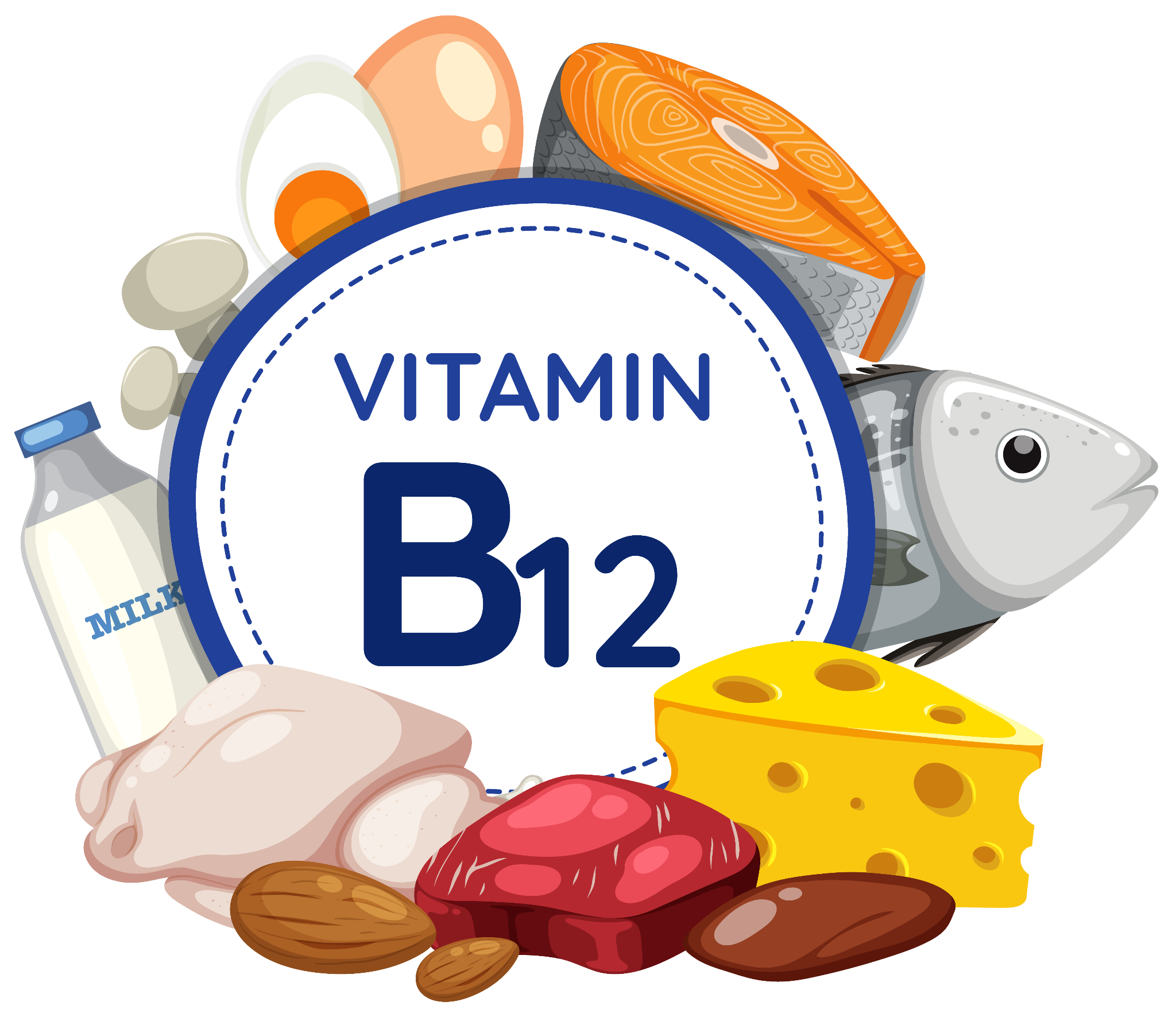
Vitamin B12 Deficiency: Symptoms, Risk Factors and What to Do
Vitamin B12 deficiency symptoms — tingling, fatigue, memory issues and more. Who's at risk in India and how to fix it. Prakash Hospital Noida.
30 Sept 2026
by Prakash Hospital
by Prakash Hospital

A young child sitting with a fatigued expression, showing signs of weakness and low energy commonly associated with vitamin deficiencies in children.
Being parents, there are certain measures that you adopt to make sure that your child gets proper nourishment. They start off in the morning with a glass of milk, fruits during the course of the day, and a properly cooked meal in the evening.
Nevertheless, regardless of all these measures adopted, the truth remains that children suffer from certain deficiencies of vitamins.
The main thing about such deficiencies is that they are not always apparent to you immediately because they begin developing slowly but gradually, thereby making your child more vulnerable in terms of his or her energy, immunity, and growth among other things.
In recent times, there has been an observable increase in nutritional deficiencies in children, including those who seem healthy overall.
The first major cause could be linked to the change in their dieting patterns. Children nowadays tend to eat more food products that come in packages. Such food might be satiating for the body but does not contain all the vital nutrients. Furthermore, most children opt for eating only certain foods, like they avoid taking any vegetables and other nutritious foods.
Another cause could be related to the lifestyle of children nowadays. Lack of outdoor activities has made sure that these kids do not get enough exposure to sunlight, leading to deficiencies in vitamin D.
Some deficiencies are more frequently seen in children due to their dietary habits and growth needs. Recognizing them early can make a significant difference.
Vitamin D is essential for bone development and calcium absorption. A deficiency can directly affect a child’s physical growth.
Children with low Vitamin D levels may experience:
In some cases, frequent fractures or difficulty in physical activity may also be observed.
The most effective natural source of Vitamin D is sunlight. However, dietary sources such as:
can also help maintain adequate levels.
Iron deficiency is one of the leading causes of anemia in children and can impact both physical and cognitive development.
Children with iron deficiency may appear unusually tired, pale, or less active. They may have difficulty concentrating, which can affect their performance in school.
This condition is commonly seen during rapid growth phases when the body’s iron requirements increase.
Including iron-rich foods such as
can help maintain healthy iron levels. Combining these with Vitamin C-rich foods improves absorption.
Vitamin A plays a crucial role in maintaining healthy vision and supporting the immune system.
A deficiency may first present as difficulty seeing in low light (night blindness). Over time, children may also experience dry eyes and frequent infections.
A diet lacking in colorful fruits and vegetables is often the main cause. Foods such as:
are good sources of Vitamin A.
The Vitamin B group supports energy production, brain function, and overall metabolism.
When children do not get enough of these vitamins, they may experience fatigue, irritability, and reduced appetite. In some cases, there may also be delays in growth and development.
Since these vitamins are not stored in large amounts in the body, regular intake through food is important.
are reliable sources.
Vitamin C is important for immunity and healing.
Children with low Vitamin C levels may fall sick more often, experience bleeding gums, or take longer to recover from minor injuries.
This deficiency is usually linked to low intake of fresh fruits and vegetables. Including:
in daily meals can help prevent it.
Calcium is essential for strong bones and teeth, especially during the growing years.
A deficiency may lead to weak bones, dental concerns, or muscle discomfort. Since calcium works closely with Vitamin D, a deficiency in one often affects the other.
are important sources of calcium.
Vitamin deficiencies often develop slowly, which makes them easy to overlook.
Some early signs that may indicate a nutritional deficiency include:
You may also notice that your child falls sick frequently or takes longer to recover.
Other signs can include:
While these symptoms may seem minor individually, together they can point toward an underlying deficiency.
Neglecting nutritional deficiencies can lead to various complications in the future concerning the health of your child.
Deficiencies over a period of time will lead to poor physical development like stunted growth or bone diseases. It can also lead to brain-related problems like lack of concentration and difficulty in studying.
The child may suffer from weak immunity, which makes them prone to frequent sicknesses.
In case of extreme neglect, the child might suffer from diseases like skeletal malformations or even eyesight problems.
If there is suspicion about some kind of deficiency, your child's pediatrician should start with a thorough analysis of their diet, growth and development and medical history.
Although physical examination might help spot the deficiency, in most cases, additional blood tests will be needed to accurately diagnose and assess the extent of the problem.
Blood tests will help identify deficiencies and choose the best treatment methods accordingly.

Fruits and vegetables rich in Vitamin A for children.
Your child's treatment program depends greatly on their condition and its severity. In most cases, changing your child's diet will significantly help with addressing their nutrition problems. Parents will be advised how to include the necessary nutrients into their diet.
Moderate and severe deficiencies might require supplementation for a limited period of time. Do not try treating your child's deficiency by yourself, too much of some vitamins and minerals might do harm to your child's health.
Other measures like regular physical activity and proper meal times will also help your child recover from deficiencies.
The best way to prevent vitamin deficiencies in children is through a balanced and varied diet.
Instead of focusing on individual nutrients, aim to include a wide range of food groups in daily meals. This naturally ensures that your child receives all essential vitamins and minerals.
A well-balanced diet should include:
Consistency is more important than perfection. Small, regular improvements in diet can make a lasting difference.
Nutrition is not always an easy process, particularly when dealing with a choosy eater. Luckily, a number of easy-to-implement tips will facilitate the process.
Start with making your meals look inviting through the addition of several colors. Introduce the food slowly without insisting on it.
Keep a regular meal time schedule and avoid unnecessary snacking. Getting enough outdoor exercises will not only help in maintaining physical well-being but will also ensure sufficient levels of Vitamin D.
Finally, make sure to provide your children with a positive environment around mealtime.
If you notice persistent symptoms such as fatigue, poor growth, frequent illness, or developmental delays, it is advisable to consult a pediatrician.
Early evaluation can help identify deficiencies before they lead to more serious health issues.
At Prakash Hospital, we understand that a child’s nutrition plays a vital role in their overall growth and development.
Our experienced pediatric team focuses on early identification and effective management of vitamin deficiencies in children through comprehensive evaluations, accurate diagnostics, and personalized dietary guidance.
With a child-friendly approach and a commitment to preventive care, we ensure that every child receives the right support to grow healthy, active, and strong.
The deficiency of vitamins among children is very common, yet it is quite easily curable if detected on time.
If you maintain a balanced intake of nutrients, develop healthy habits, and seek medical assistance, you can be sure of raising a physically and mentally fit individual.
It is always beneficial to pay attention to any minor differences in your child’s behavior and take immediate measures to rectify the situation.
The most common vitamin deficiencies among children are vitamin D, iron (which causes anemia), vitamin A, vitamin B complex, vitamin C, and calcium deficiency. All these nutrients are very important for proper development and a healthy body; their deficiency may have a negative influence on general wellbeing.
Symptoms of vitamin deficiency in children can be weakness, recurrent diseases, bad development, pale skin, lack of appetite, hair loss, and concentration problems. The early symptoms are rather weak; it is recommended to visit a doctor and do some additional testing.
Nutrition deficiency in children can appear due to a poorly balanced diet, poor nutrition preferences, overeating unhealthy foods, insufficient consumption of fresh vegetables and fruits, and absence of sunlight. Sometimes nutritional deficiencies can be caused by certain disorders.
Yes, Vitamin D deficiency in children is very common, especially in urban areas where children spend less time outdoors. Limited sunlight exposure and low intake of fortified foods are the main reasons behind this deficiency.
Yes, untreated vitamin deficiencies in children can lead to stunted growth, weak bones, delayed milestones, and reduced muscle strength. Proper nutrition is essential during growing years to ensure healthy physical and mental development.
A balanced diet is the best way to prevent deficiencies. Foods that support child nutrition include fresh fruits, green leafy vegetables, whole grains, milk and dairy products, eggs, nuts, seeds, and protein-rich foods like pulses and lean meats.
Vitamin supplements should only be given if prescribed by a doctor. While they can help in treating deficiencies, excessive intake may be harmful. It is always better to focus on a nutrient-rich diet for children unless medical advice suggests otherwise.
You should consult a pediatrician if your child has persistent fatigue, poor appetite, slow growth, frequent illnesses, or delayed developmental milestones. Early diagnosis helps in managing nutritional deficiencies in children effectively.
Indeed, selective feeding is one of the leading causes of vitamin deficiency in children. If a child avoids specific food groups like vegetables and proteins, there are vital vitamins missing in his diet that he requires for his development.
You can improve your child’s nutrition by offering a variety of foods, maintaining regular meal timings, limiting junk food, and encouraging outdoor activity. Creating a positive mealtime environment also helps children develop healthy eating habits.

Examines the vocal cords under a microscope to remove growths or take a biopsy, working through the mouth.
Delivers the baby through a low cut in the abdomen and uterus, planned or in labour, usually under spinal anaesthesia.
Reattaches or rebuilds torn ligaments in the knee, ankle, elbow or thumb to steady an unstable joint.
Free tools to check your weight, plan a pregnancy, track calories and more.
We offer expert care across key specialties, including Medicine, Cardiology, Orthopaedics, ENT, Gynaecology, and more—delivering trusted treatment under one roof.
Vitamin B12 deficiency symptoms — tingling, fatigue, memory issues and more. Who's at risk in India and how to fix it. Prakash Hospital Noida.
30 Sept 2026
by Prakash Hospital

Which vitamin deficiencies cause hair fall — iron, vitamin D, B12, and zinc. How to test and fix them. Prakash Hospital Noida.
4 Sept 2026
by Prakash Hospital

Best Indian foods for strong bones — calcium-rich foods, vitamin D sources, and lifestyle habits to prevent bone loss. Prakash Hospital Noida.
31 Aug 2026
by Prakash Hospital

Discover early signs your liver may not be functioning properly, including fatigue, jaundice and digestive issues, expert liver care in Noida.
24 Mar 2026
by Prakash Hospital

लिवर सिरोसिस के लक्षण, कारण, स्टेज और इलाज जानें। पीलिया, पेट में सूजन और थकान को नजरअंदाज न करें। Prakash Hospital में पाएं एडवांस लिवर केयर और गैस्ट्रोएंटरोलॉजी उपचार।
12 Jun 2026
by Prakash Hospital

Hepatomegaly or enlarged liver — understand the causes, symptoms, and treatment options. Visit Prakash Hospital Noida for liver evaluation and care.
7 Jul 2026
by Prakash Hospital

Understand hypertension causes, risks, and lifestyle changes to manage high blood pressure effectively.
5 Jun 2025
by Prakash Hospital
Vitamin D deficiency — recognise the symptoms, understand the causes, and learn how to correct it. Visit Prakash Hospital Noida for testing and treatment.
29 May 2026
by Prakash Hospital

Explore vitamin B12 rich foods, benefits of vitamin B12, deficiency symptoms, sources, and dietary tips for maintaining healthy levels.
10 Feb 2026
by Prakash Hospital


Book a consultation with Prakash Hospital's specialists — 24/7 emergency care, 100+ doctors, NABH accredited.
View All Departments