A woman explaining her problems to a gynecologist about her infertility in a clinic, seeking help from medical experts for help.
If you've received a low AMH result, the first reaction is often panic — "my fertility is over." That's an overreaction, and understanding what AMH actually measures helps explain why.
AMH (anti-Müllerian hormone) is produced by the small follicles in the ovaries. The higher the number of follicles remaining, the more AMH the blood contains. Low AMH indicates fewer remaining eggs — diminished ovarian reserve.
But here's what the test doesn't tell you: it doesn't tell you about egg quality. And one good-quality egg is all it takes for a pregnancy.
This is a practical guide to what low AMH means, whether it can be increased, and what actually helps with fertility when AMH is low.
AMH reflects ovarian reserve — the quantity of eggs remaining, not their quality. It's the best available marker for this, more reliable than day-3 FSH or antral follicle count (AFC) alone.
Normal AMH ranges (these vary slightly by lab and age):
AMH naturally declines with age. A 22-year-old and a 40-year-old with the same absolute AMH number are in very different situations — what's low for a 25-year-old is normal for 40. Interpretation always needs to be age-adjusted and contextual.
Why does AMH matter? In IVF, it predicts how many eggs the ovaries are likely to produce during stimulation. Low AMH means fewer eggs retrieved, which reduces the chances of getting a viable embryo from each cycle. But women with low AMH do achieve pregnancies — they may just have a smaller margin for error.
Age: the most common cause. Ovarian reserve naturally declines with age, accelerating after 35.
Prior ovarian surgery: cysts, endometrioma removal, ovarian drilling for PCOD — all can reduce ovarian tissue and AMH.
Endometriosis: particularly endometriomas (ovarian cysts from endometriosis) directly damage ovarian tissue.
Autoimmune conditions: some autoimmune diseases affect ovarian function.
Genetic factors: some women simply have a smaller ovarian reserve. Turner syndrome and other chromosomal conditions can present with very low AMH.
Chemotherapy and radiation: both can permanently reduce ovarian reserve.
Smoking: accelerates the rate of egg depletion. One of the clearest modifiable causes of lower-than-expected AMH for age.
High BMI and metabolic syndrome: insulin resistance is associated with reduced ovarian response.
Thyroid dysfunction: untreated hypothyroidism can suppress AMH.
This is where many women are misled. Supplements and lifestyle changes that support egg quality and ovarian function may improve ovarian response in IVF and improve fertility outcomes — but they don't reliably raise AMH numbers significantly in women with genuinely diminished reserve.
Research on DHEA (dehydroepiandrosterone) and CoQ10 shows that some women see modest AMH improvement over 3–6 months of supplementation, particularly those with premature ovarian insufficiency rather than age-related decline. But the effect size is modest and not universal.
Vitamin D correction in women who are deficient sometimes produces modest AMH improvement.
Treating thyroid disorders, stopping smoking, and improving metabolic health can normalise AMH that was artificially suppressed by those conditions.
Realistically: if you have low AMH from age-related decline, lifestyle changes will optimise your fertility without dramatically increasing the AMH number. And that optimisation still matters.
A low AMH doesn't mean zero fertility. Women with AMH below 1.0 achieve natural pregnancies. Women with AMH below 0.5 have conceived with IVF. The question is probability, not possibility.
With a fertility specialist, you can understand what your specific situation means for natural conception probability and IVF success, and decide whether to try naturally for a defined period or proceed directly to assisted reproduction.
The most evidence-backed supplement for this situation. CoQ10 supports mitochondrial function in developing eggs. Because low-AMH ovaries may work harder to produce eggs, supporting the energetics of egg development is particularly important.
The ubiquinol form (better absorbed) at 400–600 mg daily for three months before IVF is the approach used in fertility protocols. Discuss the dose with your specialist — higher doses are sometimes used in severe cases.
For women with diminished ovarian reserve, DHEA (dehydroepiandrosterone) supplementation for 3–6 months before IVF has shown improved ovarian response, more eggs retrieved, and in some studies, better pregnancy rates.
This is specifically for diminished ovarian reserve, not for PCOD (where androgen excess is already a problem). Should be used under specialist supervision with hormone monitoring.
If vitamin D is deficient (very common in India), supplementation should be started three months before IVF. Vitamin D receptors in follicles suggest a direct role in follicle development.
Folic acid (or methylfolate for those with MTHFR variants) at 400–800 mcg daily, started at least three months before trying to conceive.
DHA supports egg cell membrane integrity and the anti-inflammatory environment in the follicle.
Mediterranean-style diet, antioxidant-rich foods, adequate protein, healthy weight, no smoking, limited alcohol, regular moderate exercise, adequate sleep.

A healthy woman running on a road as part of a regular exercise routine for overall bone health.
If you smoke, stopping is the most impactful thing you can do for ovarian reserve. Smoking is directly associated with accelerated egg depletion and lower AMH for age.
Untreated hypothyroidism suppresses ovarian function. TSH testing and treatment if hypothyroid is worthwhile in any woman with low AMH.
For women with PCOD and insulin resistance, inositol (myo-inositol and D-chiro-inositol), lifestyle changes, and sometimes metformin improve ovarian function.
Still possible, particularly in younger women with mild reductions. Timed intercourse during the fertile window (around ovulation) optimises the chance from each month's egg.
Track ovulation using ovulation predictor kits, basal body temperature, or fertility monitoring apps.
Sometimes tried with low AMH, though success rates are lower than IVF because it doesn't bypass the egg quantity issue.
The most common approach. With minimal stimulation IVF protocols (using lower, gentler stimulation rather than maximum stimulation), some women with low AMH achieve good outcomes. The number of eggs retrieved may be small, but a single good-quality embryo is what's needed.
Multiple cycle attempts may be needed. Genetic testing of embryos (PGT-A) can improve success by selecting chromosomally normal embryos.
For women with very low AMH where own-egg IVF hasn't succeeded or has a very low predicted success rate, donor eggs (from a younger woman) dramatically improve success rates. This is a significant personal decision with emotional, ethical, and practical dimensions worth discussing with counsellors alongside the medical team.
For women with low AMH who aren't ready to conceive — egg freezing now, using those eggs later. With low AMH, time matters — reserve is declining. If fertility preservation is appropriate for your situation, it's better done sooner rather than waiting.
If you're trying to conceive and over 35, don't wait 12 months before seeking evaluation. Guidelines for evaluation after six months are more appropriate over 35.
If you're under 35 but have a history of ovarian surgery, endometriosis, cancer treatment, or irregular periods, earlier evaluation makes sense.
An AMH test, antral follicle count, and basic reproductive hormone panel is a reasonable starting assessment that most gynecologists can arrange.
At Prakash Hospital Noida, our gynaecologists provide ovarian reserve assessment (AMH, antral follicle count, FSH), interpretation of fertility parameters, thyroid and metabolic evaluation, and referral to IVF specialists where appropriate. Guidance on optimising fertility with low AMH through supplements, lifestyle, and timing is part of our reproductive health care.
Whether you're in Sector 18, Sector 62, Greater Noida West, or anywhere nearby, Prakash Hospital Noida is a trusted name for gynaecology, fertility evaluation, and women's health in Noida.
 Copy
CopyWe offer expert care across key specialties, including Medicine, Cardiology, Orthopaedics, ENT, Gynaecology, and more—delivering trusted treatment under one roof.
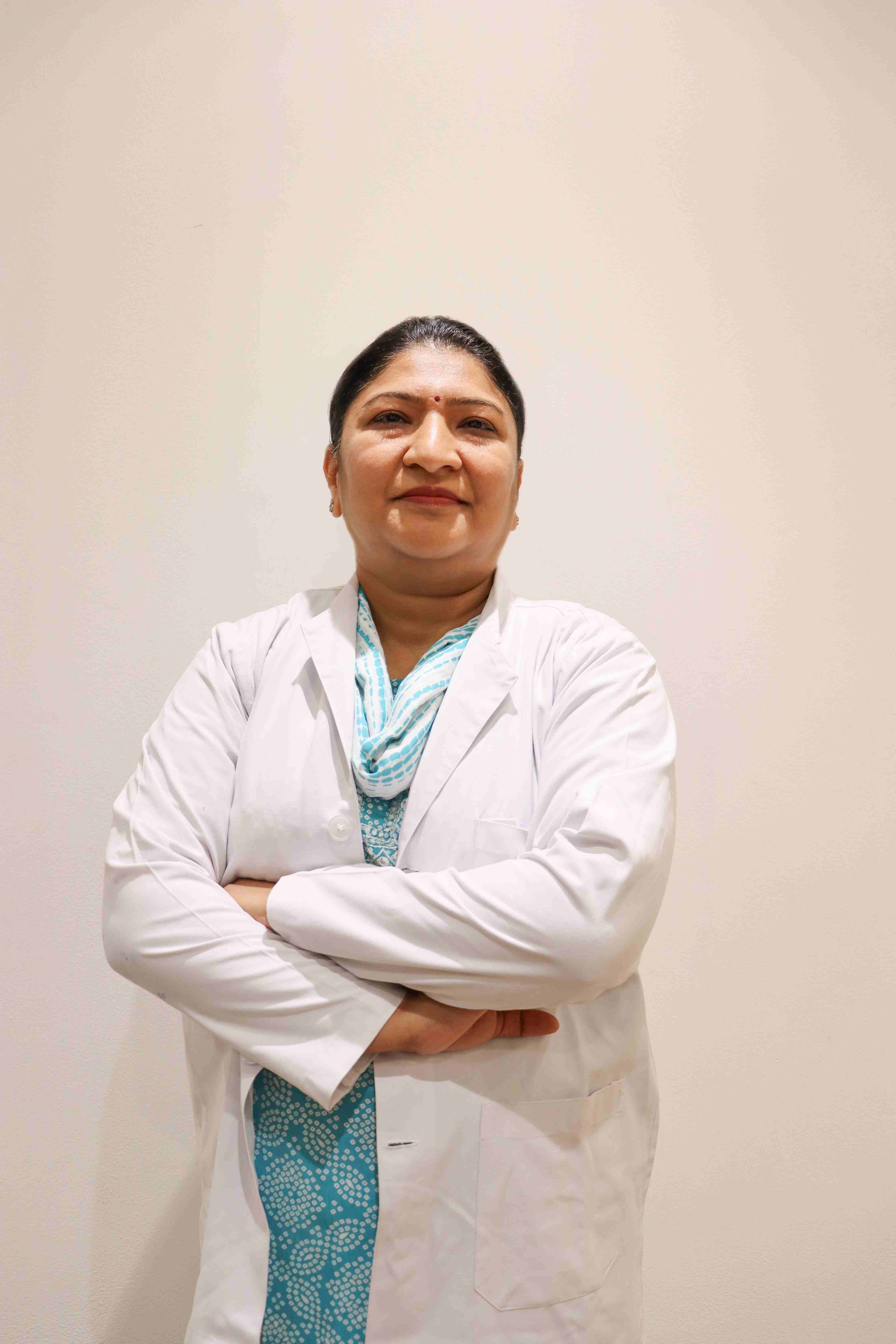
Dr. Meenakshi Nashi

Dr. Megha


Book a consultation with Prakash Hospital's specialists — 24/7 emergency care, 100+ doctors, NABH accredited.

Prakash Hospital Pvt. Ltd. is a 100 bedded NABH NABL accredited multispecialty hospital along with a center of trauma and orthopedics. We are in the service of society since 2001.
OUR SPECIALITIES
Patient Services
PROCEDURES
Contact Us
D – 12A, 12B, Sector-33, G. B. Nagar, Noida, Uttar Pradesh 201301
+91-8826000033


© 2026 All rights reserved.
Designed and Developed by Zarle Infotech