

Improving egg quality naturally.
When a fertility specialist mentions egg quality, it can feel like a fixed verdict — your eggs are what they are. That's not entirely true. While genetics and age determine baseline egg health, research shows that the three-month period before ovulation (when an egg matures from its dormant state) is a window where lifestyle and nutritional factors have measurable influence on egg quality.
This isn't a promise of certainty. Age is still the dominant factor. But for women trying to conceive — particularly those over 35 or undergoing IVF — the evidence supporting specific interventions is genuine enough to take seriously.
Egg quality refers to a combination of:
Chromosomal integrity: eggs should have the correct number of chromosomes (23). Chromosomally abnormal eggs produce embryos that fail to implant, miscarry, or result in conditions like Down syndrome. The rate of chromosomal errors rises significantly with age.
Mitochondrial function: eggs have more mitochondria than any other cell type — they need enormous energy for fertilisation, early cell division, and embryo development. Mitochondrial health directly affects embryo quality.
Cellular structure: the zona pellucida (outer layer), cytoplasm quality, and the polar body are all evaluated during IVF.
Hormonal responsiveness: how well the egg responds to stimulation hormones is partly determined by intrinsic egg health.
A "good quality" egg fertilises more reliably, develops into a better-quality embryo, and has higher implantation and live birth rates.
Egg follicles (small fluid-filled sacs containing eggs) take about 90 days to develop from their dormant state through full maturation and ovulation. During this development period, the egg is actively growing, developing, and building up mitochondria.
This development window is when nutritional and lifestyle inputs have the most influence. Whatever you do to support egg health today affects the eggs that will ovulate in approximately three months.
For women undergoing IVF, starting lifestyle and supplement optimisation ideally three months before the egg retrieval cycle is the most evidence-supported approach.
Age: the strongest single factor. After 35, egg quality declines more steeply. After 40, the majority of eggs are chromosomally abnormal. This is not addressable through lifestyle, but lifestyle factors can optimise what's available.
Oxidative stress: free radicals damage DNA, mitochondria, and cell membranes in developing eggs. Major sources: cigarette smoke, air pollution, alcohol, processed foods, uncontrolled blood sugar, chronic stress.
Poor mitochondrial support: mitochondria require specific nutrients (CoQ10 particularly) for energy production.
Nutritional deficiencies: folate, vitamin D, omega-3s, iron, B12 are all needed for egg development.
Hormonal imbalances: PCOD, thyroid dysfunction, and elevated FSH all affect egg health.
Smoking: directly damages eggs — smokers go through their egg supply faster and have higher rates of chromosomally abnormal eggs.
Alcohol: impairs egg development even in moderate amounts.
Poor sleep: growth hormone and other repair hormones release during sleep and affect cell repair including in developing eggs.
High BMI and insulin resistance: impair egg quality through hormonal and inflammatory mechanisms.
This pattern has the best evidence for female fertility — associated with better IVF outcomes in multiple studies. Its key features translate well to Indian cooking:
The underlying mechanism is its anti-inflammatory and antioxidant profile — both directly relevant to reducing oxidative damage to developing eggs.
Folate is critical for DNA synthesis and repair. All rapidly dividing cells — including developing eggs and early embryos — are particularly dependent on adequate folate. Start a folate supplement (400–800 mcg daily, prescribed as folic acid) at least three months before trying to conceive.
Food sources: methi (fenugreek leaves), spinach, dal, asparagus, citrus fruits, fortified cereals.
Antioxidants neutralise free radicals that damage developing eggs. Key ones:
Vitamin C: amla, guava, capsicum, citrus fruits.
Vitamin E: almonds, sunflower seeds, wheat germ oil.
Lycopene: tomatoes (particularly cooked tomatoes).
Beta-carotene: carrots, orange-fleshed sweet potato, mango, leafy greens.
Selenium: Brazil nuts (even one a day covers requirements), sunflower seeds, fish, eggs.
DHA, an omega-3, supports egg cell membrane integrity and reduces inflammation. Studies show women with higher omega-3 levels have better egg quality in IVF cycles.
Sources: fatty fish (sardines, pomfret, salmon) two to three times a week. Walnuts, flaxseeds, chia seeds for plant sources.
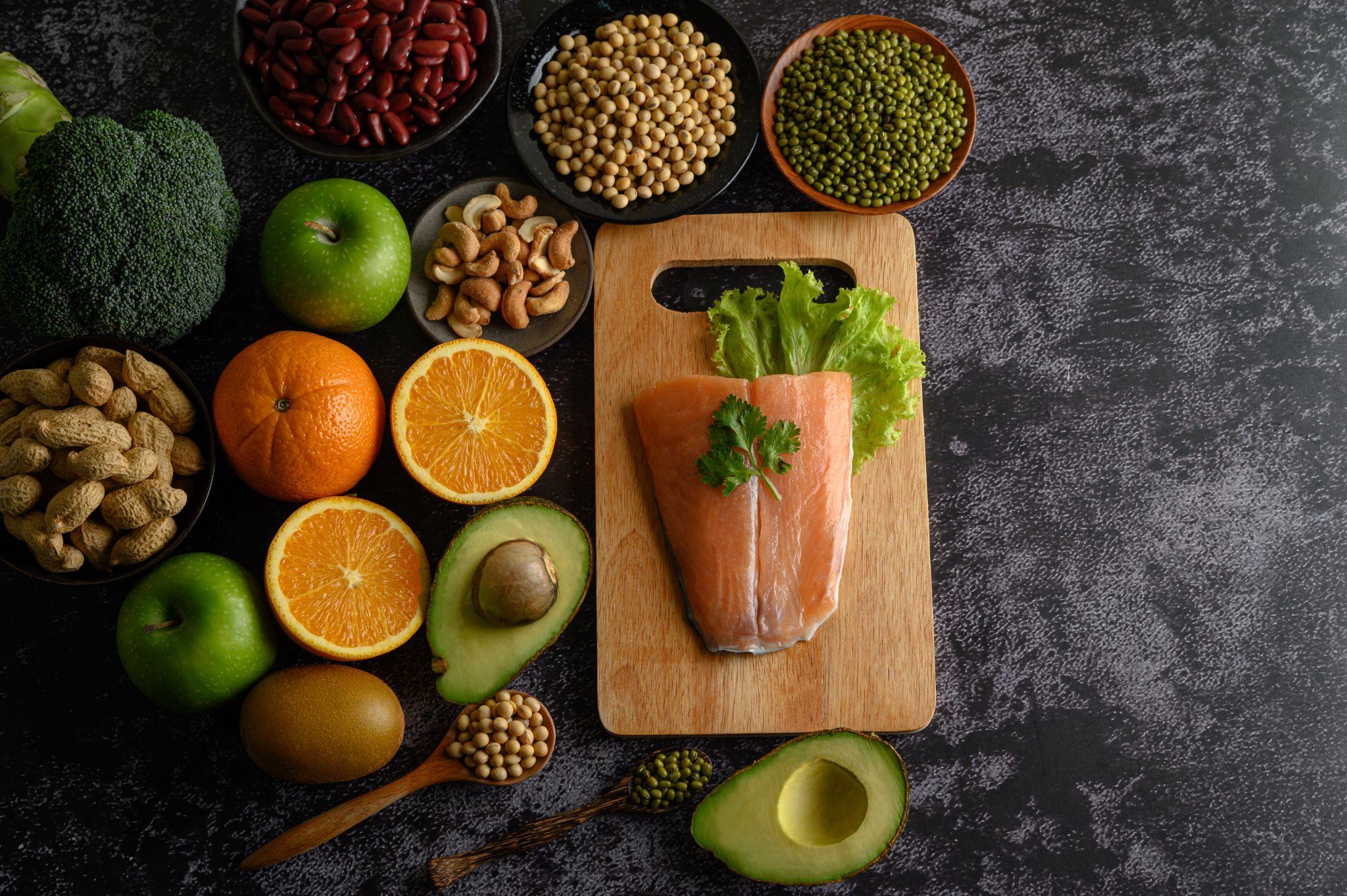
Legumes, fruits, salmon fish pieces on the chopping board and table.
Eggs and embryos require substantial protein synthesis. Protein at every meal — dal, eggs, paneer, curd, chicken, fish. Women in the lower protein quartiles have worse IVF outcomes in some studies.
Some fertility research (though not all) suggests full-fat dairy is more favourable than low-fat dairy for ovulatory function. Whole milk curd, paneer, milk — in appropriate amounts alongside a balanced diet.
Sugar and refined carbohydrates: spike glucose and insulin, promoting oxidative stress and insulin resistance that impairs ovulation.
Processed foods: high in trans fats and inflammatory additives.
Alcohol: reduces fertilisation rates and is associated with higher rates of chromosomally abnormal eggs.
Smoking: quit completely. This is the single most impactful change for egg quality in smokers.
Trans fats: vanaspati, many packaged snacks and bakery items.
Coenzyme Q10 (CoQ10): the most studied supplement for egg quality. CoQ10 is essential for mitochondrial energy production — and eggs have enormous mitochondrial requirements. Multiple IVF studies show improved egg quality and embryo development in women taking CoQ10, particularly over 35.
The ubiquinol form is better absorbed than ubiquinone. Typically 200–600 mg daily, starting three months before egg retrieval. Discuss dose and timing with your fertility specialist.
Folic acid / methylfolate: essential, and most doctors prescribe it. Those with the MTHFR gene variant do better with methylfolate rather than standard folic acid.
Vitamin D: vitamin D receptors are present in developing follicles. Deficiency is associated with worse IVF outcomes. Test and supplement if deficient — a finding in most urban Indians.
DHEA (dehydroepiandrosterone): used in some fertility protocols for women with diminished ovarian reserve. Converts to testosterone and estrogen in the ovary, potentially supporting egg development in women with very low ovarian reserve. This should be used only under fertility specialist supervision — it can backfire in women with PCOD.
Omega-3 supplementation: if dietary intake is low.
Inositol: particularly for women with PCOD. Myo-inositol and D-chiro-inositol support insulin sensitivity and ovulatory function. Well-evidenced for PCOD-related egg quality issues.
Melatonin: melatonin is produced locally in ovarian follicles and acts as an antioxidant. Some IVF studies show supplementation improves egg maturity. Discuss with your specialist.
Growth hormone and repair processes during sleep support developing follicles. Consistently poor sleep impairs ovarian function. Seven to nine hours, consistently.
Regular moderate exercise improves hormonal balance, reduces inflammation, and supports healthy weight — all beneficial for egg quality. However, very high-intensity exercise in women with already low body weight can impair ovarian function. Moderate is key.
Chronic stress elevates cortisol, which disrupts reproductive hormone signalling. The evidence that stress reduction directly improves egg quality is less direct than for lifestyle factors, but its effect on hormonal balance is real. Yoga, meditation, and other stress management approaches support reproductive health.
Both underweight (BMI under 18.5) and overweight/obese (particularly with insulin resistance) impair egg quality. The mechanisms differ: underweight affects hormonal signalling, while obesity promotes inflammation and insulin resistance.
For women with PCOD and overweight, even 5–10% weight loss produces significant improvements in ovulatory function and egg quality.
BPA (from plastic containers and receipts), pesticides, phthalates (in some cosmetics and personal care products) are endocrine disruptors that may affect egg quality. Use glass or stainless steel food containers, filter water where possible, and choose cosmetics without parabens and phthalates. This is a practical risk reduction, not a certainty.
If you're trying to conceive and concerned about egg quality, ask your gynaecologist about:
AMH (anti-Müllerian hormone): reflects the ovarian reserve — how many eggs remain. Low AMH doesn't directly assess egg quality but indicates fewer eggs are available. Normal AMH doesn't guarantee quality either.
Antral follicle count (AFC): ultrasound count of visible small follicles, reflecting ovarian reserve.
FSH and estradiol on day 2–3 of cycle: high FSH suggests the ovaries are working harder to produce eggs, consistent with diminished reserve.
Thyroid function (TSH): hypothyroidism impairs egg quality and implantation.
Glucose and insulin: insulin resistance (common in PCOD) impairs egg quality.
These tests, combined with age and cycle history, give a clearer picture than AMH alone.
Improving egg quality is a three-month project at minimum. Realistic expectations:
The three-month preparation period is worthwhile — it optimises whatever is available, and in IVF, even marginal improvements in egg quality can make the difference between a successful cycle and a failed one.
At Prakash Hospital Noida, our gynaecologists evaluate fertility concerns including ovarian reserve testing, hormonal assessment, thyroid evaluation, and nutritional guidance for women trying to conceive. Referral to fertility specialists for IVF consultation is available.
Whether you're in Sector 18, Sector 62, Greater Noida West, or anywhere nearby, Prakash Hospital Noida is a trusted name for gynaecology, fertility, and women's health in Noida.

This article covers gynaecology concerns. These Prakash Hospital doctors in Noida treat them.

Dr. Shachi Singh
Consultant Gynaecologist & Obstetrician
Obstetrics & High-Risk Pregnancy · Laparoscopic Surgery · Infertility Treatment
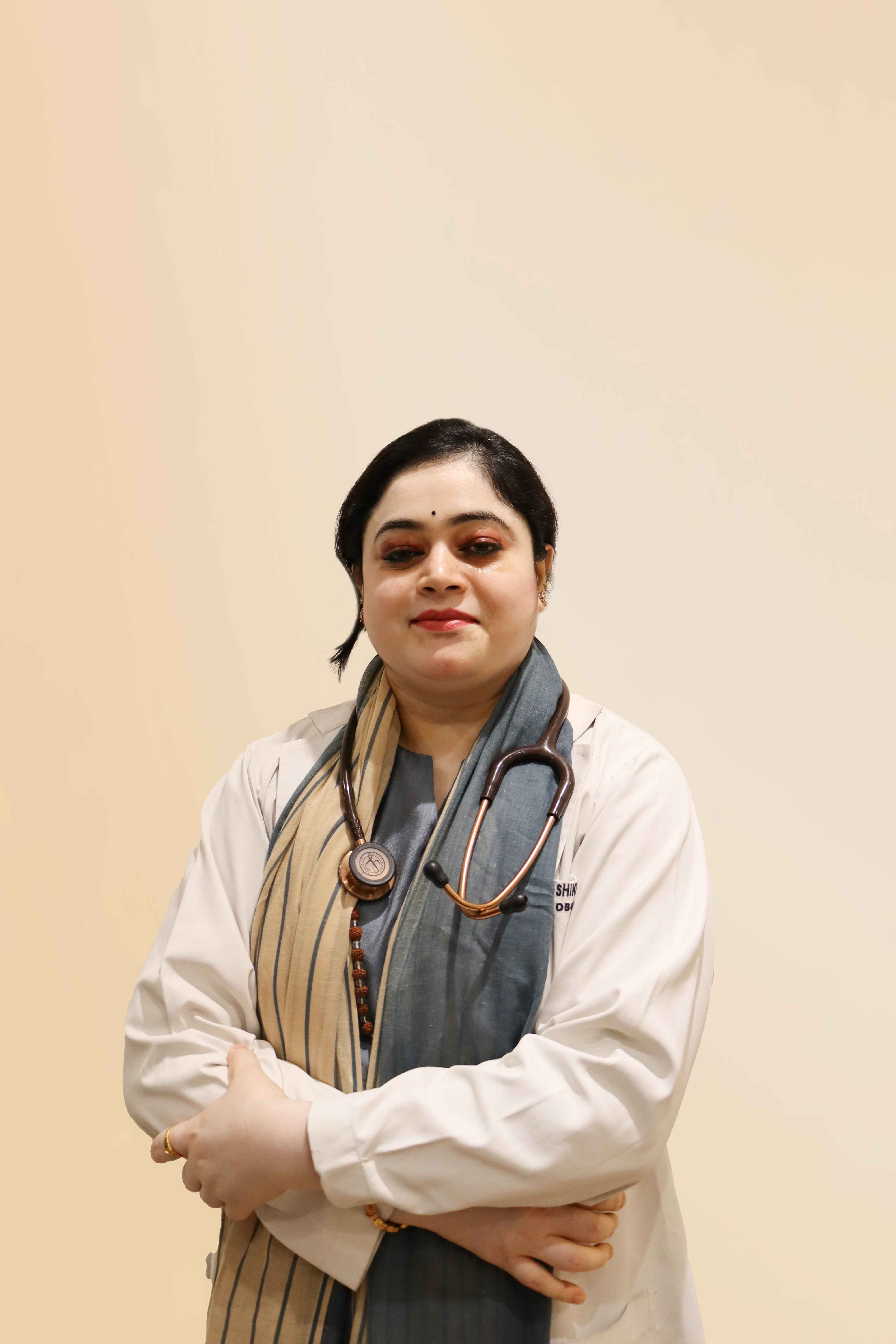
Dr. Priya Shikha Modi
Consultant Gynaecologist
Hysterectomies · Laparoscopic Hysterectomies · Gynecological Pathologies
We offer expert care across key specialties, including Medicine, Cardiology, Orthopaedics, ENT, Gynaecology, and more—delivering trusted treatment under one roof.


Book a consultation with Prakash Hospital's specialists — 24/7 emergency care, 100+ doctors, NABH accredited.

Prakash Hospital Pvt. Ltd. is a 100 bedded NABH NABL accredited multispecialty hospital along with a center of trauma and orthopedics. We are in the service of society since 2001.
OUR SPECIALITIES
Patient Services
PROCEDURES
Contact Us
D – 12A, 12B, Sector-33, G. B. Nagar, Noida, Uttar Pradesh 201301
+91-8826000033


© 2026 All rights reserved.
Designed and Developed by Zarle Infotech


