


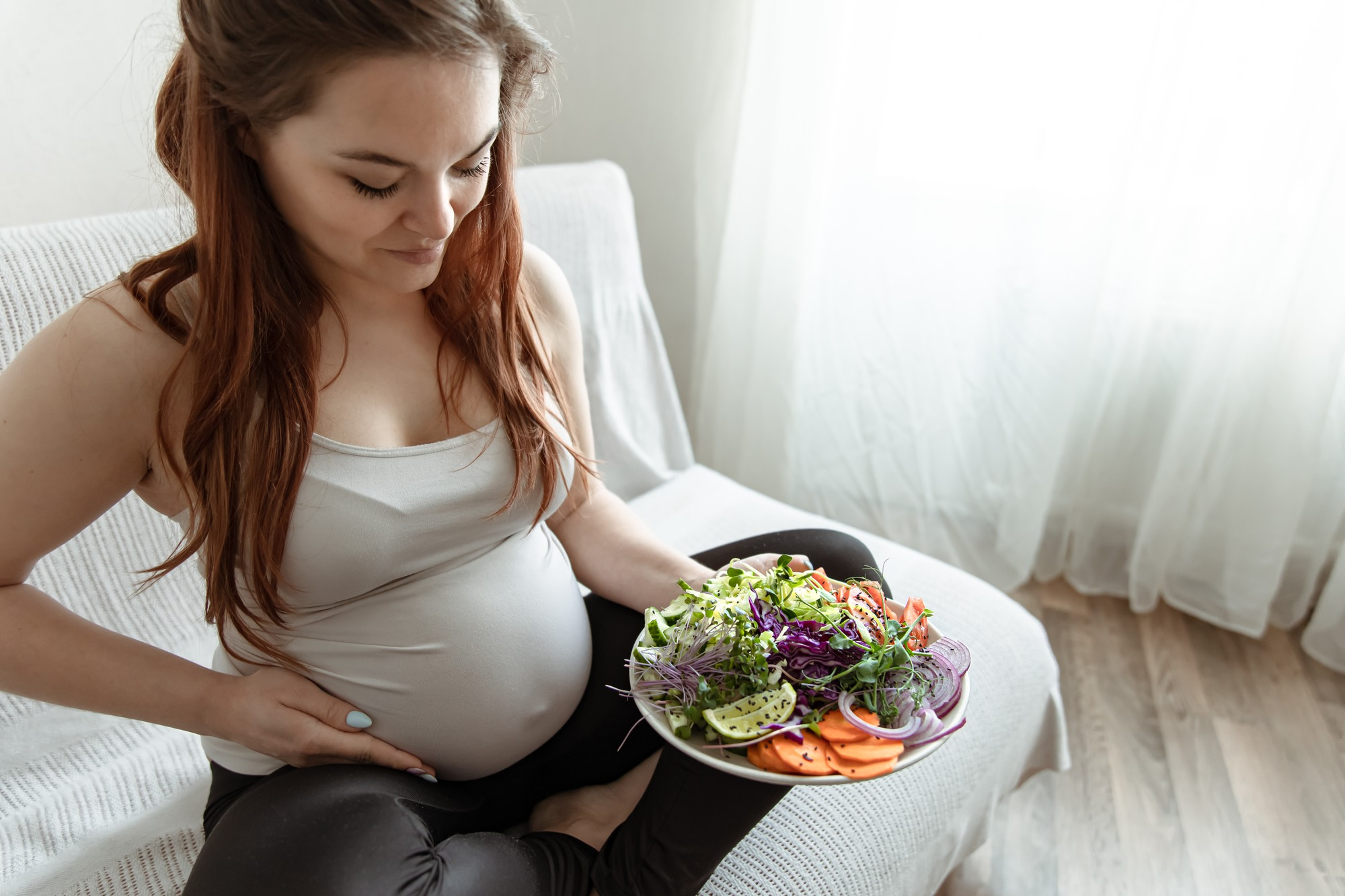
Nutrition During Pregnancy: Best Foods to Eat & Avoid for a Healthy Baby
Learn what to eat and avoid during pregnancy with expert-approved nutrition tips for a healthy mother and baby.
25 Nov 2025
by Prakash Hospital
by Prakash Hospital

What is a Balanced Diet? The Complete Guide to Eating for Indian Health
The phrase "balanced diet" gets used everywhere — by doctors, dieticians, school textbooks, food labels, fitness influencers, and grandmothers. Most people nod when they hear it, but few could clearly explain what a balanced diet actually looks like on their daily plate.
The concept matters because nearly every aspect of long-term health depends on it. Energy levels, immunity, weight, blood sugar, cholesterol, mood, sleep, fertility, and the risk of chronic diseases like diabetes and heart disease all connect back to the quality and balance of what you eat.
This article explains what a balanced diet actually means, the components it contains, the right proportions, how to build one using Indian foods, and the common mistakes that derail it.
A balanced diet is one that provides all the nutrients your body needs in the right proportions to maintain health, support daily activities, and prevent disease.
The key word is "all." A diet missing significant amounts of any major nutrient group is not balanced, regardless of how good the rest of the food is. Conversely, a diet with too much of certain components — calories, sugar, salt, unhealthy fats — is not balanced either.
Carbohydrates for energy.
Proteins for tissue building and repair.
Fats for hormone production, brain function, and absorption of certain vitamins.
Vitamins for various metabolic functions.
Minerals including calcium, iron, magnesium, zinc, and many others.
Fibre for digestive health and blood sugar control.
Water for hydration and every bodily function.
The balance is in the proportions — not having huge amounts of carbohydrates with very little protein, not getting all calories from fat, not living on processed foods that have calories but few real nutrients.
Carbohydrates provide the body's primary energy source. They should make up about 45 to 65 percent of total daily calories.
Good carbohydrates are complex, fibre-rich, and slow-releasing:
Carbohydrates to limit:
The Indian diet has a tendency to be carbohydrate-heavy with mostly refined varieties — white rice, maida-based items, sugary sweets. A balanced approach uses more whole grains and millets.
Proteins build and repair tissues, make enzymes and hormones, support immunity, and contribute to satiety. They should make up about 10 to 35 percent of daily calories — roughly 0.8 to 1.0 grams per kilogram of body weight for most adults, more for athletes, growing children, pregnant women, and older adults trying to preserve muscle.
Plant proteins:
Animal proteins for non-vegetarians:
Most Indians, particularly vegetarians, fall short on protein intake. Adding a protein source to every meal is one of the most impactful dietary improvements.
Fats are essential, despite their bad reputation. They should make up about 20 to 35 percent of daily calories. The type matters more than the total amount.
Healthy fats:
Fats to limit:
The Indian diet often includes too much oil from deep-fried snacks and inadequate amounts of healthy fats like nuts, seeds, and omega-3 sources.
Fruits and vegetables provide vitamins, minerals, fibre, antioxidants, and water. They should make up a large portion of every meal.
Aim for:
In Indian kitchens, vegetables often get reduced to a single small sabzi with most of the meal being rice or roti. A more balanced approach makes vegetables half the plate, with grain, dal, and other items occupying the other half.
Dairy provides calcium, protein, vitamin D (when fortified), vitamin B12, and other nutrients. For people who tolerate it, dairy is a useful inclusion.
Recommended:
Considerations:

An assortment of dairy products is displayed on a round plate against a textured dark background. The selection includes a milk bottle, various cheeses, yogurt, and eggs, arranged neatly to showcase their variety.
Fibre supports digestion, blood sugar control, cholesterol management, and weight management. Most Indians fall short.
Aim for 25 to 35 grams of fibre daily through:
Water is essential and often overlooked. Aim for 8 to 10 glasses daily, more in hot weather, with physical activity, or when ill.
Coconut water, buttermilk, herbal teas, and clear soups all contribute to hydration alongside plain water.
A balanced meal can be visualised simply:
Half the plate — vegetables and salad (variety of colours, mostly cooked but some raw)
One-quarter of the plate — whole grains (roti, brown rice, millet, quinoa)
One-quarter of the plate — protein source (dal, paneer, tofu, eggs, chicken, fish)
Plus — a small portion of healthy fat (a few nuts, a teaspoon of ghee, seeds)
Plus — a side of fermented food (yogurt, buttermilk, pickles in moderation)
Beverages — water, occasionally buttermilk or fresh juice (without added sugar)
This simple structure delivers a balanced meal for most adults without complicated calculations.
A glass of warm water, possibly with lemon. A handful of soaked almonds or a few dates.
Protein-rich start. Examples:
A piece of fruit, or a handful of nuts, or buttermilk, or a small bowl of sprouts.
The main meal. Examples:
Roasted chana, a fruit, a small portion of nuts, vegetable soup, or buttermilk.
Lighter than lunch. Examples:
Optional warm turmeric milk if it helps sleep.
Grains — 6 to 8 servings daily. One serving is a slice of bread, one small roti, half a bowl of rice.
Vegetables — 3 to 5 servings. One serving is one cup of raw or half a cup of cooked vegetables.
Fruits — 2 to 3 servings. One serving is one medium fruit or one cup of cut fruit.
Dairy — 2 to 3 servings. One serving is one cup of milk, one cup of yogurt, or 30 grams of cheese or paneer.
Protein — 2 to 3 servings. One serving is one bowl of dal, one cup of legumes, two eggs, or 100 grams of meat or fish.
Fats — small amounts. A teaspoon of oil in cooking, a few nuts, seeds.
Water — 8 to 10 glasses.
Individual needs vary based on age, sex, activity level, body size, and specific health conditions.
Higher energy and protein needs for growth. Calcium and iron particularly important. Avoid excessive junk food.
Additional calories, more protein, more iron, more folate, more calcium. Specific supplementation guided by obstetrician.
Increased calorie and fluid needs. Continued attention to all nutrients.
Calorie needs may drop but nutrient needs do not. Particular attention to protein, vitamin B12, vitamin D, and calcium.
Higher calorie needs, more protein, more carbohydrates around workouts, adequate hydration.
Diabetes, kidney disease, heart disease, and other conditions modify the standard balanced diet. Personalised guidance from a dietician matters.
Too much refined grain. White rice, maida, and refined flours dominate when whole grains and millets would be better.
Inadequate protein. Particularly in vegetarian diets, protein often falls short.
Limited vegetable variety. Same few vegetables repeating without rotation.
Excessive oil. Deep-fried snacks, oil-heavy curries, and frequent restaurant meals add hidden fat.
Tea and coffee everywhere. Multiple cups daily, with sugar, often replacing more nutritious beverages.
Skipping breakfast. Common in working professionals, leading to overcompensation at lunch.
Eating dinner too late. Indian dinner times often push into late evening, affecting sleep and metabolism.
Inadequate water. Many people rely on tea, coffee, and packaged beverages instead of plain water.
Excessive sweets. Sweets at celebrations, festivals, and as everyday indulgences add up.
Lack of variety. Eating the same things daily limits nutrient diversity.
Add before you subtract. Adding vegetables, fruits, and protein to each meal is easier than restricting things.
Swap rather than eliminate. Brown rice instead of white. Mixed-grain roti instead of plain wheat. Roasted snacks instead of fried.
Plan ahead. Meal planning and preparation make balanced eating much easier on busy days.
Cook at home. Restaurant and packaged foods are typically less balanced than home-cooked meals.
Read labels. Packaged foods often have surprising amounts of sugar, salt, and unhealthy fats.
Be consistent rather than perfect. Occasional indulgences are fine in an otherwise balanced pattern.
Hydrate consistently. Carry water. Drink before, during, and between meals.
Watch portions. Even healthy foods become unbalanced when eaten in excessive quantities.
"A balanced diet means a complicated diet." It does not. Basic Indian home cooking with thoughtful variety creates a balanced diet easily.
"All fats are bad." Healthy fats are essential. The type matters more than the total amount.
"Carbs cause weight gain." Refined carbs in excess do. Whole-grain carbs in appropriate portions are fine.
"You need expensive superfoods." Local, seasonal, simple Indian foods provide everything needed.
"Skipping meals helps with weight." It usually backfires through overeating later and metabolic slowdown.
"Supplements replace food." They do not. Supplements fill specific gaps but cannot replace whole foods.
"More protein is always better." Excess protein gets converted to calories or stresses the kidneys in some conditions.
"Eating after sunset is unhealthy." Eating timing matters less than overall pattern. Late very heavy meals are problematic, not all evening eating.
A consultation makes sense when you have specific health goals (weight loss, weight gain, managing diabetes or other conditions), when you have persistent symptoms despite reasonable eating, when planning major life changes (pregnancy, vegetarianism, athletic training), or when you want a personalised plan based on your individual situation.
A good dietician translates general principles into a plan that fits your routine, preferences, and practical realities.
Working professionals in Noida and Greater Noida face specific challenges in maintaining a balanced diet — long working hours, office canteens with limited healthy options, frequent restaurant meals, irregular meal times, high stress, and limited cooking time.
Practical adaptations include packing dabba lunches, keeping fruits and nuts at the office, choosing whole-grain options when ordering, ensuring weekend meals are well balanced, and planning the week's meals on weekends to ease weekday cooking.
At Prakash Hospital, Noida, experienced doctors and dieticians offer personalised nutrition guidance, comprehensive evaluation including BMI, body composition, and relevant blood tests, and ongoing support for specific health goals or conditions.
Whether you are in Sector 18, Sector 62, Greater Noida West, or anywhere nearby, Prakash Hospital Noida is a trusted name for nutrition consultation and health checkups.
To book a consultation, call the number.
A balanced diet is not complicated, expensive, or restrictive. It is variety, moderation, and attention to the foundational components that the body genuinely needs.
The Indian food tradition, when followed in its varied and traditional form, provides much of what a balanced diet requires — dals, vegetables, whole grains, fermented foods, fruits, nuts, and seeds. The challenges come from modern adaptations — excessive refined grains, deep-fried snacks, sweetened beverages, and restaurant culture.
The path forward is straightforward. Build half your plate with vegetables. Include a protein source at every meal. Choose whole grains over refined. Use healthy fats in moderation. Drink water throughout the day. Limit sweets, fried foods, and processed items. Eat consistently rather than chasing perfection.
These simple habits, practised consistently over years and decades, are the foundation of long-term health. There is no shortcut, no superfood, and no quick fix that replaces them. The reward is worth the effort — energy, immunity, healthy weight, stable mood, and reduced risk of chronic diseases.

Endoscopic treatment through the mouth that removes bile duct stones and opens blockages causing jaundice.
Hearing tests, scans and counselling to decide whether a cochlear implant can help where hearing aids no longer do.
An X-ray dye test that maps blockages in the heart's arteries and guides the choice between medicines, stents and surgery.
Free tools to check your weight, plan a pregnancy, track calories and more.
We offer expert care across key specialties, including Medicine, Cardiology, Orthopaedics, ENT, Gynaecology, and more—delivering trusted treatment under one roof.
Learn what to eat and avoid during pregnancy with expert-approved nutrition tips for a healthy mother and baby.
25 Nov 2025
by Prakash Hospital
Support fracture recovery with essential nutrients like calcium, vitamin D, and protein for faster bone healing.
19 Nov 2025
by Prakash Hospital

Discover expert-backed nutrition tips for cancer patients. Learn how to manage treatment side effects, stay hydrated, and eat for strength and recovery.
27 May 2025
by Prakash Hospital

Detailed guide on gut health, gut microbiome imbalance, symptoms of poor gut health and scientifically proven ways to improve digestive health.
19 Feb 2026
by Prakash Hospital

IBS symptoms, causes, triggers, and management. What is irritable bowel syndrome and how to live with it. Prakash Hospital Noida.
15 Sept 2026
by Prakash Hospital

Gastritis symptoms — what inflamed stomach lining feels like, what causes it, and what actually helps. Prakash Hospital Noida.
16 Sept 2026
by Prakash Hospital

Magnesium deficiency symptoms like cramps, poor sleep and anxiety, why it is common in India, and the best Indian foods for magnesium. Prakash Hospital Noida.
1 Oct 2026
by Prakash Hospital
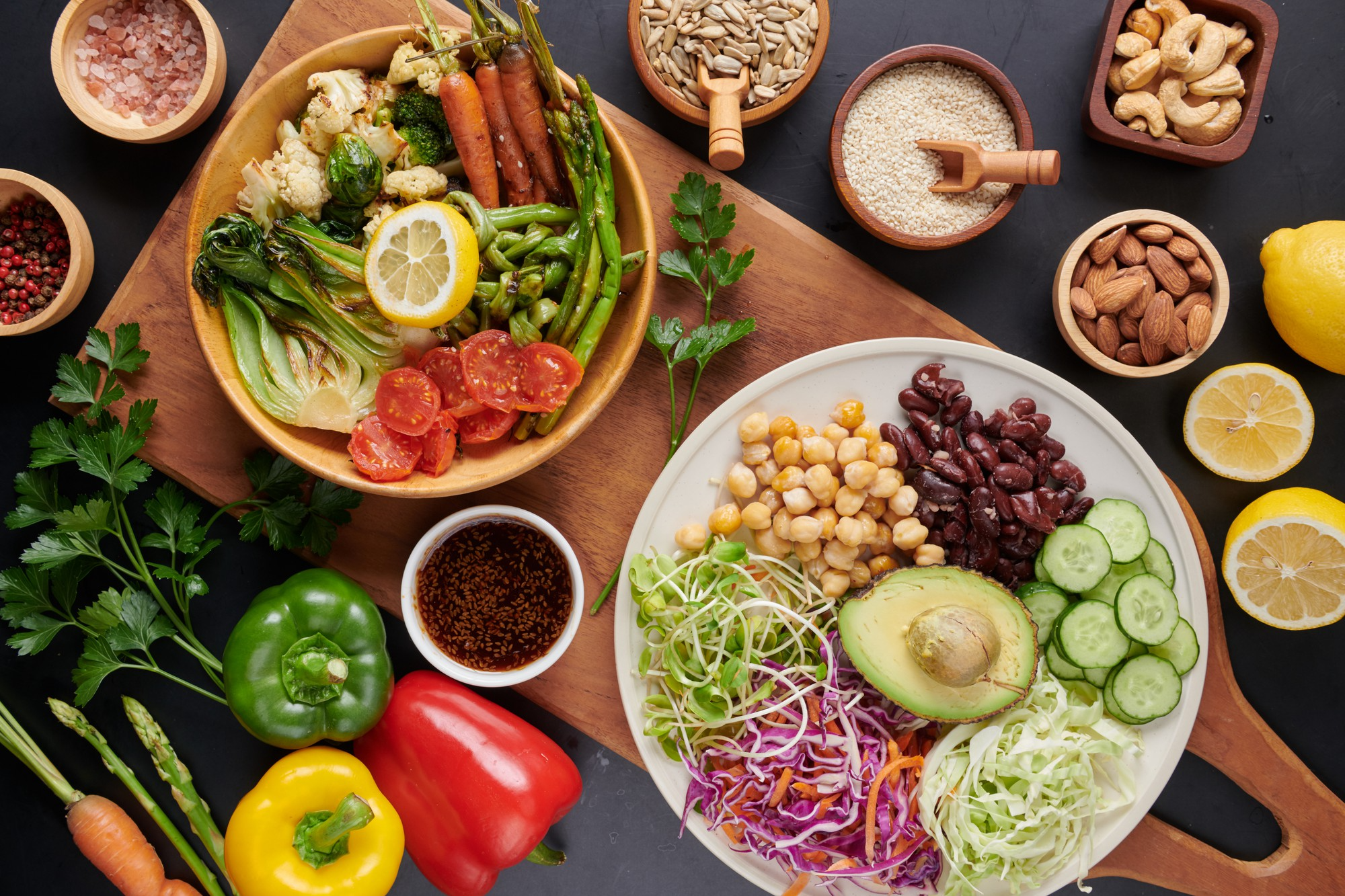
The best immunity boosting foods for Indians — from amla and turmeric to dal and garlic. Science-backed guide from Prakash Hospital Noida.
18 Aug 2026
by Prakash Hospital

Zinc deficiency symptoms such as frequent infections, hair fall and slow healing, who is most at risk in India, and how to fix it. Prakash Hospital Noida.
2 Oct 2026
by Prakash Hospital


Book a consultation with Prakash Hospital's specialists — 24/7 emergency care, 100+ doctors, NABH accredited.
View All Departments