



Nutrition During Pregnancy: Best Foods to Eat & Avoid for a Healthy Baby
Learn what to eat and avoid during pregnancy with expert-approved nutrition tips for a healthy mother and baby.
25 Nov 2025
by Prakash Hospital
by Prakash Hospital

How to Gain Weight: A Healthy Indian Guide for Real Results
In a world obsessed with losing weight, the struggle to gain weight gets less attention. But for many Indians, putting on healthy weight is genuinely difficult — naturally thin builds, high metabolism, low appetite, chronic stress, hormonal issues, or simply not being able to eat enough at one sitting.
The first instinct for many is to "eat more" — and they pile on cakes, pizzas, fried snacks, and sugary drinks. The result is often disappointing. Some weight comes on as unhealthy fat. Energy crashes follow sugary meals. Long-term metabolic damage develops. The body remains weak even as the scale moves.
Healthy weight gain is a different project. It is about adding lean muscle and healthy body mass through nutrient-dense calorie-rich foods, appropriate exercise, and sensible habits. Done right, the result is a stronger, healthier body — not just a heavier one.
This article walks through how to gain weight the healthy way, with a practical Indian diet approach and the lifestyle habits that support real results.
Before getting to solutions, it helps to know why weight is low.
Genetics and body type — some people are naturally lean, with fast metabolisms and small builds.
Inadequate calorie intake — eating less than the body needs for daily activities.
Medical conditions like hyperthyroidism, type 1 diabetes, IBS, celiac disease, and certain cancers cause weight loss.
Hormonal issues including thyroid problems, PCOS in some cases, and adrenal disorders.
Mental health conditions including anxiety, depression, and eating disorders.
Chronic stress raises cortisol and affects appetite and metabolism.
Recovery from illness or surgery often causes weight loss that needs to be regained.
Parasitic infections are still common in parts of India and can cause unexplained weight loss.
Insufficient sleep affects appetite, hormones, and metabolism.
A doctor visit makes sense for anyone with unexplained weight loss or persistent inability to gain weight despite reasonable effort. Treating an underlying condition often resolves the weight issue.
The basic equation is simple. To gain weight, you must consume more calories than you burn.
The typical recommendation is 300 to 500 extra calories per day for steady, healthy weight gain. Faster gain (which is mostly fat, not muscle) might require 700 to 1000 extra calories per day, but this is rarely advisable.
The quality of those extra calories matters enormously. The same 500 extra calories can come from:
Choose the second.
The key is calorie density — foods that pack a lot of nutrition and calories into a small volume. This is essential because people trying to gain weight often have small appetites or get full quickly.
The single most useful weight-gain food group.
Almonds — about 7 calories per nut. A handful is 150 to 200 calories.
Cashews, walnuts, pistachios, peanuts — similar calorie density.
Pumpkin seeds, sunflower seeds, flaxseeds — easy additions to other foods.
Nut butters — peanut butter, almond butter — concentrated calories in spreadable form. Two tablespoons of peanut butter is about 200 calories.
Practical use — handful as a snack, in smoothies, sprinkled on yogurt or oats, in homemade laddoos.
Dates, raisins, dried apricots, figs, prunes — concentrated calories with nutrients.
A few dates with milk in the morning is a traditional Indian weight-gain practice. Trail mix combining nuts and dried fruits is an excellent snack.
Whole milk — about 150 calories per glass.
Paneer — about 260 calories per 100 grams, plus protein.
Curd and yogurt — full-fat versions support weight gain.
Cheese — calorie-dense, useful in moderation.
Ghee — about 900 calories per 100 grams. A teaspoon on roti or in dal adds 45 calories easily.
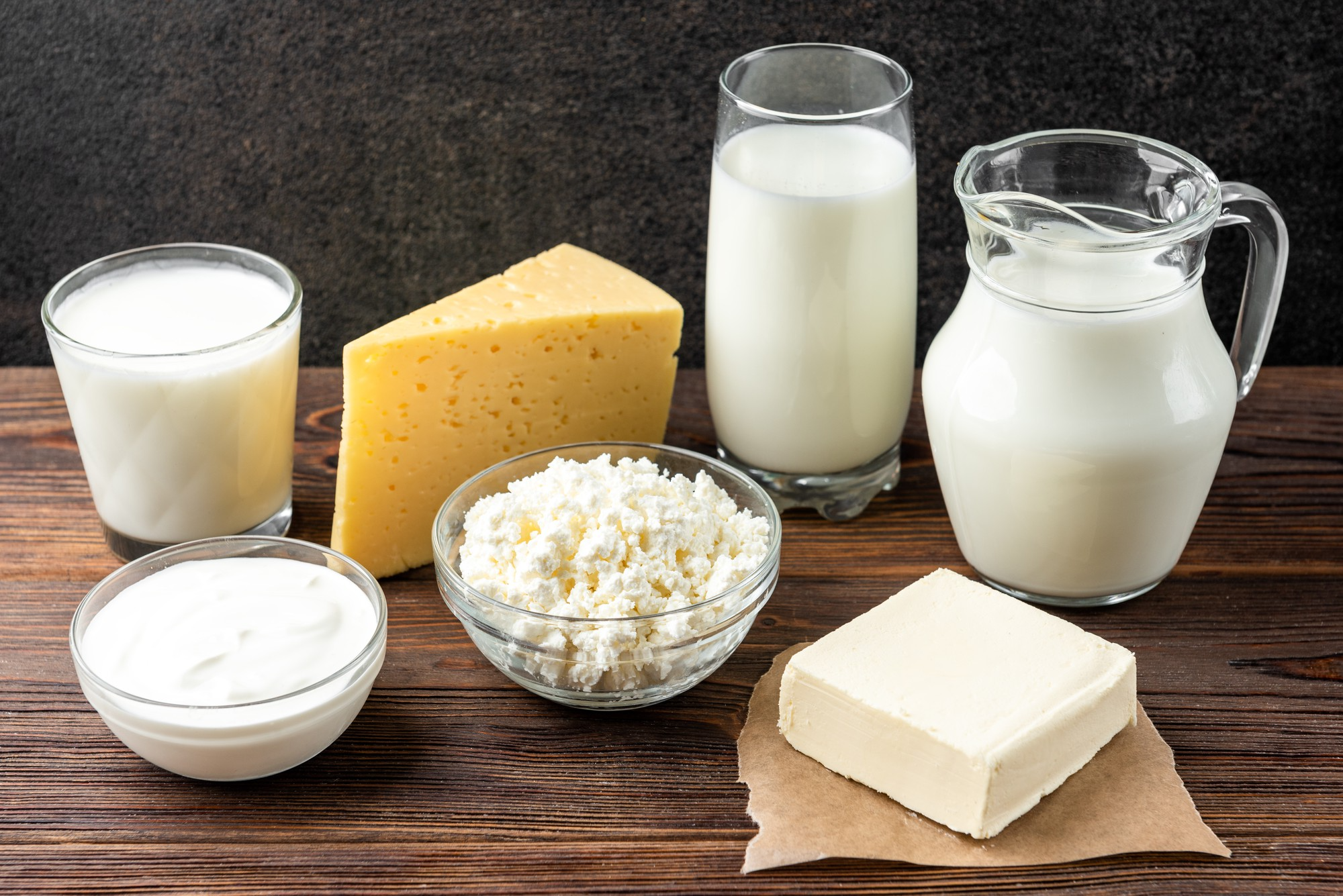
Sources of calcium including milk, cheese, yogurt, dairy products and fortified foods.
Whole wheat, brown rice, oats, millets — provide complex carbohydrates and calories.
A bowl of cooked rice is about 200 calories. A roti is about 100 to 150 calories depending on size and oil content.
Dals, chickpeas, rajma, soybeans — provide protein and calories together.
A bowl of dal is about 200 to 250 calories. Combinations like rajma-chawal or chana-rice are calorie-dense meals.
About 70 calories per egg, with high-quality protein and healthy fats. Two to three eggs daily is a useful weight-gain habit.
Calorie and protein dense. Fatty fish like salmon and mackerel are particularly useful — they provide calories alongside omega-3 fatty acids.
Olive oil, mustard oil, coconut oil, ghee. About 120 calories per tablespoon. Generous (but not excessive) use in cooking adds calories.
About 240 calories per medium avocado, with healthy monounsaturated fats. Mash on toast, add to salads, or blend into smoothies.
About 100 to 120 calories each. Two to three bananas daily is a traditional weight-gain food. Easy to digest, rich in potassium, and easily added to smoothies, oats, or eaten plain.
Mangoes, dates, dried figs, pomegranate — provide calories with nutrients.
Some foods may add weight quickly but cause more harm than benefit:
Sugary drinks — colas, packaged juices, energy drinks add calories without nutrition.
Cakes, pastries, biscuits, and most packaged snacks — empty calories, often with harmful trans fats.
Deep-fried foods regularly — high in unhealthy oils and inflammatory compounds.
Excessive sweets and chocolates — leads to fat gain rather than muscle.
Alcohol — adds calories but harms health in many ways.
The goal is healthy weight, not just heavier weight.
Here is what a typical day might look like for someone trying to gain weight healthily:
This combination provides approximately 2800 to 3200 calories with adequate protein, carbohydrates, healthy fats, and micronutrients. Adjust portions to your specific calorie needs.
This is the single most underappreciated aspect of healthy weight gain.
Without exercise, much of the extra calories get stored as fat rather than muscle. With proper strength training, the body uses the extra calories to build muscle tissue, which is denser, more functional, and metabolically beneficial.
Strength training basics:
Limit excessive cardio during a weight gain phase. Long-distance running, hours of cycling, or extended cardio sessions burn the calories you are trying to retain. Some light cardio for heart health is fine — 20 to 30 minutes a few times a week.
Yoga can complement strength training but is not a substitute for it for weight gain.

Person practicing yoga outdoors in a natural setting to promote physical and mental well-being.
A combination of strength training plus adequate calorie intake produces lean muscle gain over weeks and months.
Eat frequently — 5 to 6 meals or snacks per day instead of 3 large meals. Smaller frequent meals are easier when appetite is low.
Eat slowly and chew thoroughly — paradoxically helps with appetite over time.
Drink water between meals, not with them — drinking water during meals fills the stomach with low-calorie liquid.
Use larger plates — psychological trick that makes meals feel less overwhelming.
Keep snacks visible — a bowl of nuts and dates on the table prompts mindless eating in a useful way.
Make food calorie-dense without being huge — adding ghee, nuts, cheese, and oils to existing foods adds calories without much volume.
Use mass gainer shakes — homemade smoothies with milk, banana, peanut butter, oats, and dates can be drunk between meals as additional calories.
Track your intake initially — most underweight people significantly underestimate how few calories they actually consume. Even a few days of tracking is revealing.
Adequate sleep — 7 to 9 hours per night. Sleep deprivation raises cortisol and affects appetite and muscle building.
Stress management — chronic stress raises cortisol, suppresses appetite, and breaks down muscle tissue. Yoga, meditation, hobbies, and adequate rest help.
Limit excessive caffeine — too much coffee suppresses appetite and raises cortisol.
Avoid smoking — interferes with appetite, taste, and overall health.
Limit alcohol — empty calories that interfere with muscle building.
Consistent eating schedule — regular meal times help the body anticipate food and digest more efficiently.
Some people struggle to gain weight even with these strategies. Common reasons:
Underestimating calories needed — you may need more than 500 extra calories per day. Track and adjust.
Hidden activity burning calories — fidgeting, walking, and general movement burn more than people realise.
Stress and sleep issues — these often go unaddressed and undermine gain.
Undiagnosed medical conditions — hyperthyroidism, type 1 diabetes, IBS, celiac disease, parasitic infections can all prevent gain.
Insufficient protein — without enough protein, muscle building does not happen.
Inadequate exercise — without strength training, calories go to fat which the body resists storing in excess.
If you have followed a sensible approach for 2 to 3 months without weight change, see a doctor. Underlying conditions often need direct treatment.
Growth requires extra calories, but adolescents should avoid extreme weight-gain attempts. A balanced diet with extra healthy calories supports normal growth.
Weight regained slowly with focus on protein, nutrient density, and gentle exercise. Avoid pushing too hard too early.
Specific calorie targets set by an obstetrician. Adequate nutrition critical for both mother and baby.
Often a sign of an underlying issue. Medical evaluation first. Protein particularly important to preserve muscle.
Specific protein targets (1.4 to 2.0 grams per kg body weight), strategic timing around workouts, attention to recovery.
1. "Eating junk food will help me gain weight."
It adds fat, not muscle. The result is unhealthy weight that does not build a strong body.
2. "You just need to eat more."
Quality of food matters as much as quantity.
3. "More protein is always better."
Beyond about 2 grams per kg body weight, excess protein gets converted to calories or stresses the kidneys.
4. "Cardio is bad for weight gain."
Moderate cardio is fine and important for heart health. Excessive cardio is what undermines gain.
5. "Weight gainers and supplements are necessary."
They can help but are not essential. Real food works for most people.
6. "Skinny people just have fast metabolism."
Metabolism varies but is rarely as extreme as people think. Most underweight people simply do not eat enough.
7. "You can't gain muscle without animal protein."
Plant-based protein from dals, paneer, soy, nuts, and seeds can absolutely build muscle.
A doctor consultation makes sense when:
Underlying conditions like thyroid disorders, diabetes, IBS, celiac disease, and others often present as weight problems.
Working professionals in Noida often struggle with weight gain because of long sitting hours, irregular eating, stress, sleep deprivation, and limited home cooking time. Despite eating reasonable amounts, they remain underweight because the timing and quality are off.
Practical adaptations include keeping nuts and protein snacks at the office, planning calorie-dense lunches, prioritising sleep, managing stress consistently, and building in 3 to 4 weekly strength training sessions.
At Prakash Hospital, Noida, experienced doctors and dieticians offer comprehensive evaluation including BMI, body composition, relevant blood tests, and thyroid and metabolic screening. The treatment plan addresses both nutrition and any underlying conditions affecting weight gain.
Whether you are in Sector 18, Sector 62, Greater Noida West, or anywhere nearby, Prakash Hospital Noida is a trusted name for nutrition consultation and health checkups.
Healthy weight gain is achievable for most people who approach it with the right strategy. It requires patience — sustainable gain is 0.25 to 0.5 kg per week, not dramatic overnight changes.
The formula is consistent. Eat more calories than you burn. Make those extra calories come from nuts, healthy fats, dairy, legumes, eggs, and whole grains rather than from junk food. Do strength training 3 to 4 times per week to direct those calories to muscle building. Sleep adequately. Manage stress. Stay consistent for months.
The result over 6 months to a year is a meaningful improvement — added muscle, healthier body composition, better energy, and improved overall function. The journey is slower than weight loss but the outcomes are equally rewarding.
If your efforts are not producing results, see a doctor. Underlying issues often need treatment before weight gain can happen. With the right approach and patience, healthy weight gain is within reach.

Replaces a failed knee implant that is loose, worn, infected or unstable with new revision parts.
Endoscopic treatment through the mouth that removes bile duct stones and opens blockages causing jaundice.
Treats the uterine lining to make heavy periods lighter or stop them, with no cuts, for women who want no more children.
Free tools to check your weight, plan a pregnancy, track calories and more.
We offer expert care across key specialties, including Medicine, Cardiology, Orthopaedics, ENT, Gynaecology, and more—delivering trusted treatment under one roof.
Learn what to eat and avoid during pregnancy with expert-approved nutrition tips for a healthy mother and baby.
25 Nov 2025
by Prakash Hospital

Support fracture recovery with essential nutrients like calcium, vitamin D, and protein for faster bone healing.
19 Nov 2025
by Prakash Hospital

Discover expert-backed nutrition tips for cancer patients. Learn how to manage treatment side effects, stay hydrated, and eat for strength and recovery.
27 May 2025
by Prakash Hospital

Low testosterone symptoms — fatigue, low libido, mood changes and more. Causes, when to get a morning blood test, and treatment. Prakash Hospital Noida.
6 Oct 2026
by Prakash Hospital

जानिए थायरॉइड टेस्ट कब करवाना चाहिए, किन लक्षणों में जांच जरूरी है, और कौन-कौन से टेस्ट होते हैं। सही समय पर Prakash Hospital से संपर्क करें।
2 Mar 2026
by Prakash Hospital

Learn the early symptoms of thyroid problems in women, common causes, and when to seek medical advice for timely diagnosis and treatment.
13 May 2026
by Prakash Hospital
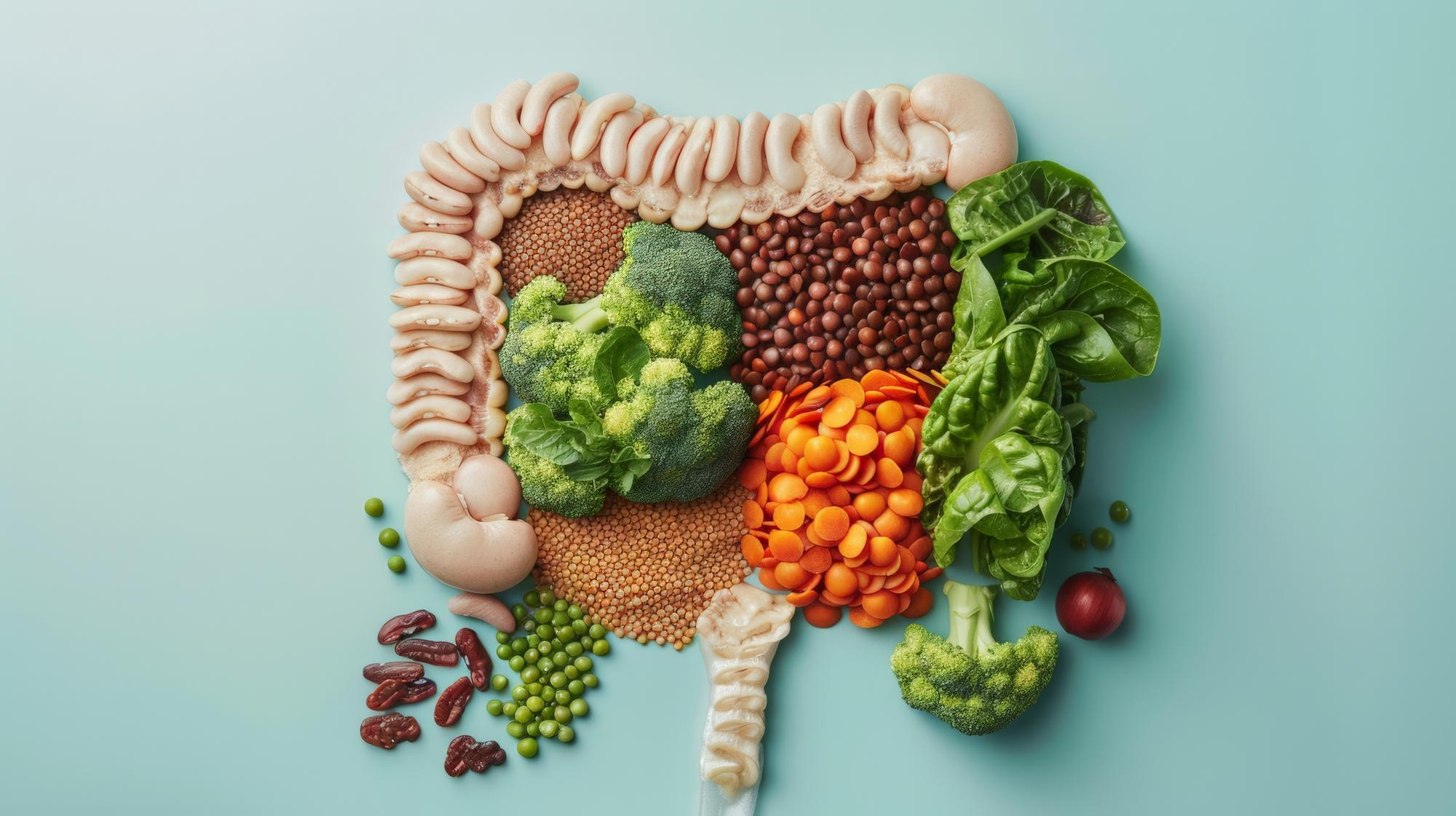
How to improve digestion naturally with Indian diet, lifestyle changes, and traditional remedies. Guide from Prakash Hospital Noida.
18 Aug 2026
by Prakash Hospital

Zinc deficiency symptoms such as frequent infections, hair fall and slow healing, who is most at risk in India, and how to fix it. Prakash Hospital Noida.
2 Oct 2026
by Prakash Hospital
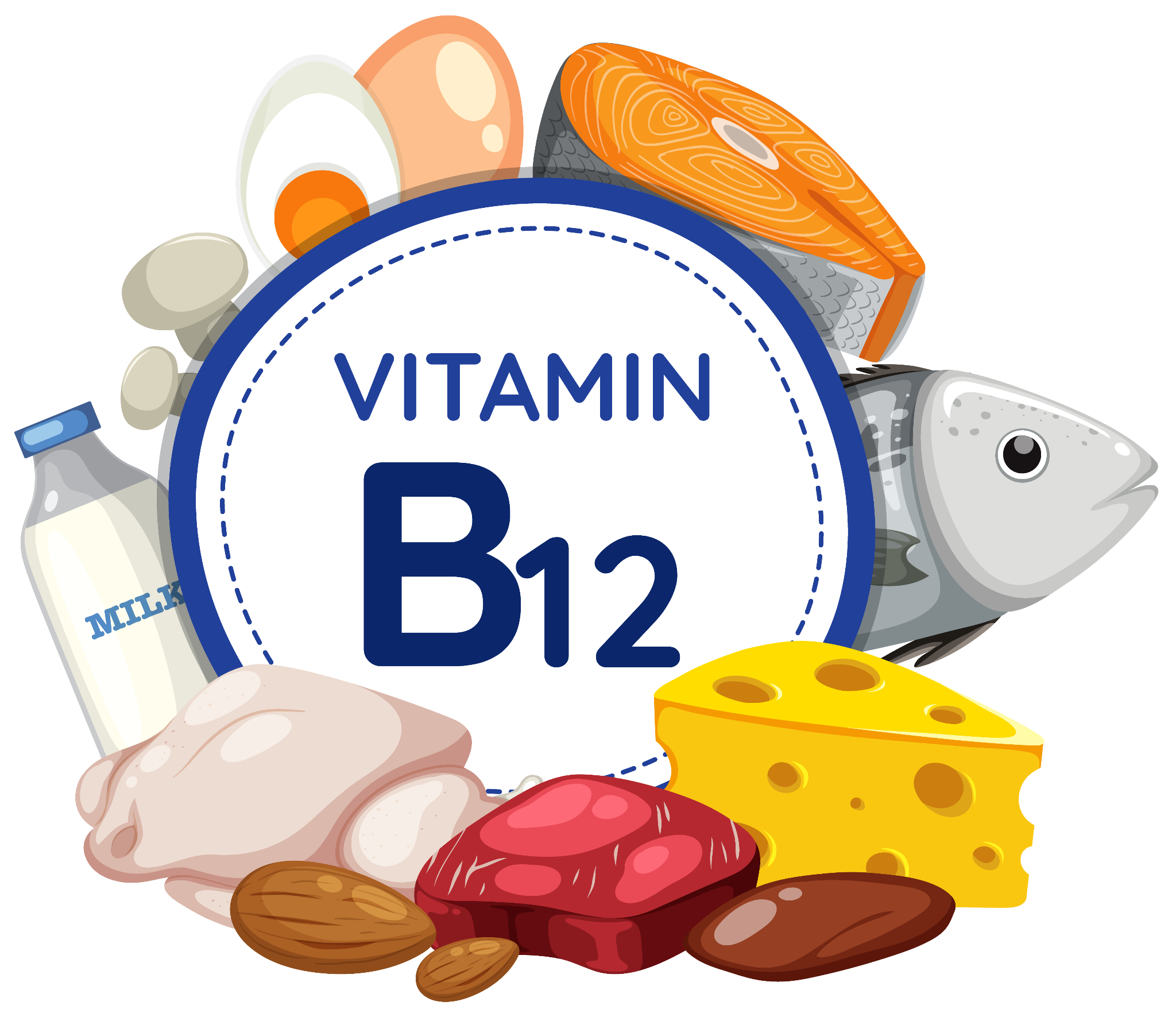
Vitamin B12 deficiency symptoms — tingling, fatigue, memory issues and more. Who's at risk in India and how to fix it. Prakash Hospital Noida.
30 Sept 2026
by Prakash Hospital


Book a consultation with Prakash Hospital's specialists — 24/7 emergency care, 100+ doctors, NABH accredited.
View All Departments