


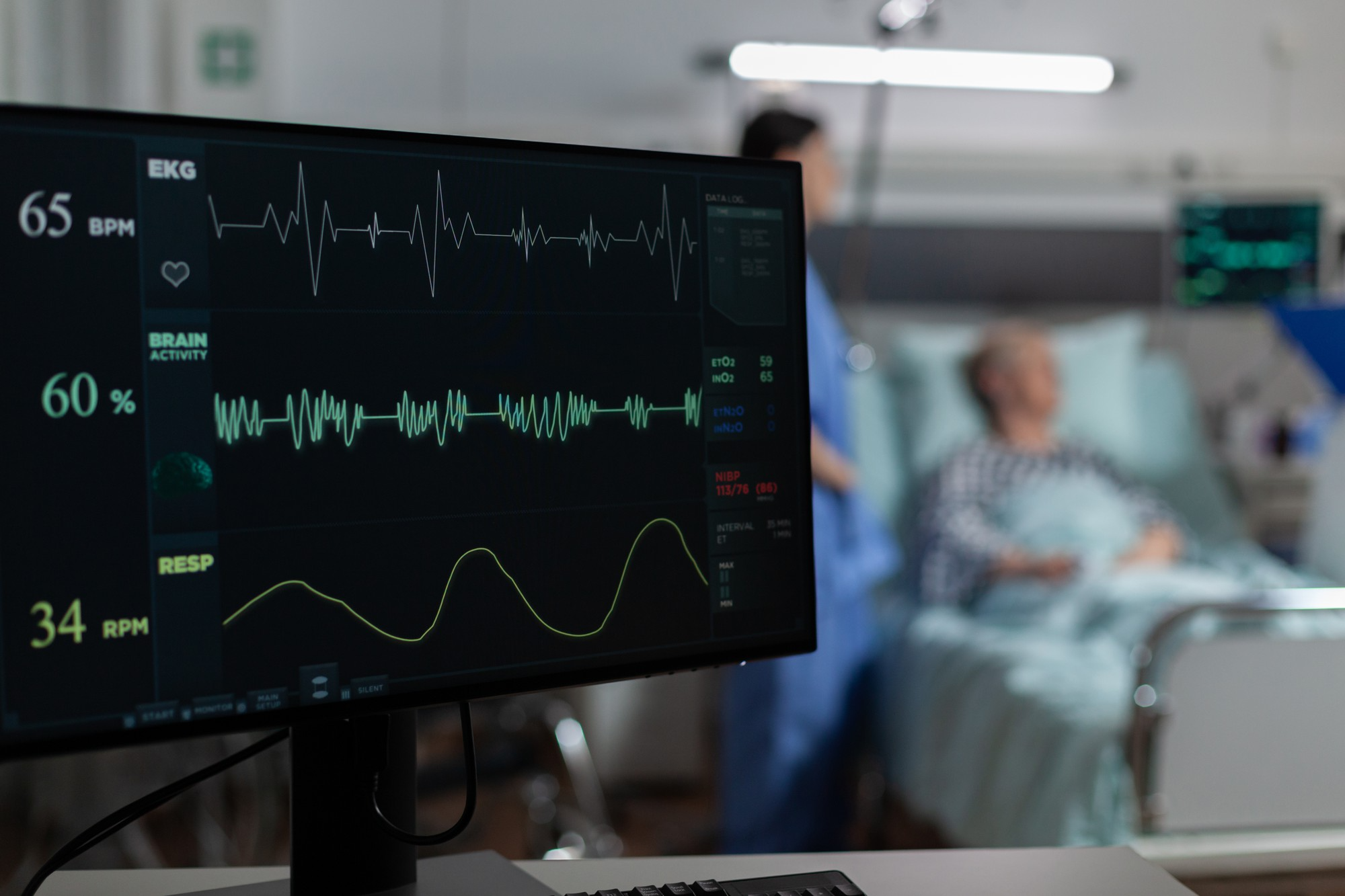
Understanding Arrhythmia
Learn what arrhythmia is, why it happens, warning signs, risk factors, complications, and treatment options. A complete guide by Prakash Hospital for better heart health.
12 Dec 2025
by Prakash Hospital
by By Prakash Hospital

When the stress response never switches off, it can raise blood pressure, upset digestion and disturb sleep.
Stress is a normal part of life. A looming deadline, an argument, a traffic jam: your body responds, then recovers. The trouble begins when stress becomes constant. Long working hours, financial pressure, family responsibilities, and an always-on digital life keep the body in alert mode for weeks, months, or years.
Chronic stress is not "just in the mind." It changes hormones, blood pressure, digestion, immunity, sleep, and even the structure of the brain.
When you sense a threat, the brain triggers the "fight or flight" response:
This is useful in short bursts. When it never switches off, the same changes become harmful.
The gut and brain are tightly linked, which is why "butterflies" and loose motions before exams are real.
Check whether you regularly experience:
Keep a short log for a week: what stressed you, how your body reacted, and how you responded. Patterns often appear.
Slow breathing activates the body's relaxation response. Try inhaling for four counts and exhaling for six to eight, for five minutes. Pranayama such as anulom vilom and bhramari can also help.
Exercise burns off stress hormones and releases mood-lifting chemicals. A brisk walk, yoga, cycling, swimming, or dance for 30 minutes most days makes a real difference.
Protect seven to eight hours. Good sleep makes you more resilient to stress.
Learn to say no, limit after-hours work messages, take your leave, and delegate where possible.
Prioritise tasks, break big jobs into steps, and avoid multitasking.
Talk to a trusted friend, family member, or counsellor. Social support is one of the strongest buffers against stress.
Hobbies, music, prayer or spiritual practice, reading, gardening, time in nature, and laughter are not luxuries.
Meditation, mindfulness, yoga, tai chi, and progressive muscle relaxation reduce stress and anxiety in research studies.
Constant exposure to distressing content keeps the stress response active.
Therapy, especially cognitive behavioural therapy (CBT), teaches practical coping skills. Medication can help when anxiety or depression is significant.
Seek help if:
At Prakash Hospital Noida, our physicians assess stress-related symptoms, rule out physical illness, and guide you with lifestyle strategies, counselling referral, and treatment to protect both your mind and body.
Whether you live in Sector 18, Sector 62, Greater Noida West, or anywhere nearby, Prakash Hospital Noida is a trusted name for stress management and overall wellbeing in Noida.
To book a consultation, call the number.
Tags: #StressEffectsOnBody #SymptomsOfStress #PrakashHospitalNoida

Removes a breast lump after tests, usually as day care, and sends it to the lab to confirm what it is.
A swallowed pill camera that photographs the small intestine to find hidden bleeding or Crohn's disease.
An ECG recorded while you walk on a treadmill, to check for reduced blood flow to the heart during exercise.
Free tools to check your weight, plan a pregnancy, track calories and more.
We offer expert care across key specialties, including Medicine, Cardiology, Orthopaedics, ENT, Gynaecology, and more—delivering trusted treatment under one roof.
Learn what arrhythmia is, why it happens, warning signs, risk factors, complications, and treatment options. A complete guide by Prakash Hospital for better heart health.
12 Dec 2025
by Prakash Hospital

Learn all about hematoma and its treatment with insight from the professionals at Prakash Hospital, Noida.
13 Oct 2025
by Prakash Hospital

आधुनिक जीवनशैली के कारण बढ़ रही बीमारियाँ जैसे डायबिटीज, हाई बीपी, मोटापा और हृदय रोग। जानिए इनके कारण, लक्षण और बचाव के आसान उपाय।
17 Mar 2026
by Prakash Hospital

जानिए किडनी फंक्शन टेस्ट (KFT) क्या होता है, यह किन-किन पैरामीटर्स को मापता है और किडनी की सेहत के बारे में क्या जानकारी देता है।
11 May 2026
by Prakash Hospital

Read your urine routine and microscopy report: colour, pH, protein, glucose, pus cells, RBCs and casts, with normal values and what abnormal results suggest.
9 Oct 2026
by Prakash Hospital

Learn about urinary tract infection (UTI), including symptoms, causes, diagnosis, treatment options, and prevention tips at Prakash Hospital.
17 Feb 2026
by Prakash Hospital


Book a consultation with Prakash Hospital's specialists — 24/7 emergency care, 100+ doctors, NABH accredited.
View All Departments