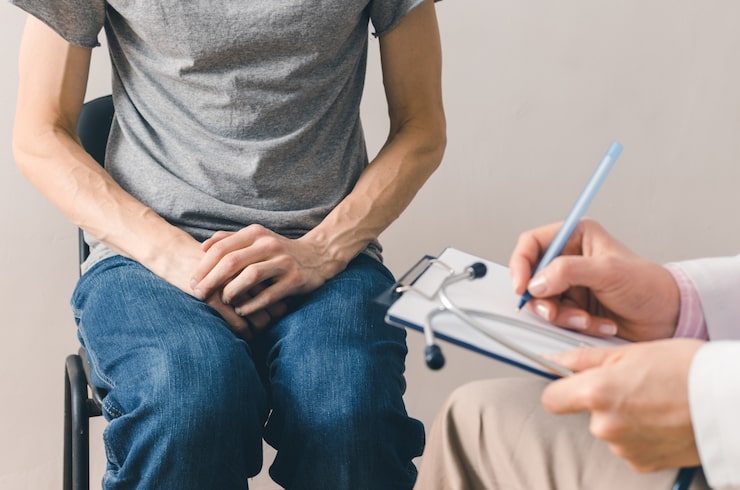
New ED in a man in his 40s deserves a heart and diabetes check, not just a prescription.
Few health problems are as common and as rarely discussed as erectile dysfunction (ED). Across India, millions of men live with it quietly, convinced it is a personal failure, a sign of aging, or something that cannot be fixed. Many never mention it to a doctor. Some buy tablets from unverified sources instead.
The reality is more useful. ED is a medical symptom, not a character flaw. It has identifiable causes, and in most men it responds to treatment. It is also, importantly, sometimes the first visible sign of heart disease or diabetes that hasn't been diagnosed yet.
What Is Erectile Dysfunction?
ED is the persistent inability to get or keep an erection firm enough for satisfactory sexual activity. "Persistent" matters here. An occasional bad night after too much alcohol, a stressful week, or exhaustion is normal and does not mean ED. Doctors consider the diagnosis when difficulty occurs on most attempts over three months or more.
An erection is a coordinated event. It needs healthy blood vessels, working nerves, adequate testosterone, and a calm mind. Signals from the brain trigger the release of nitric oxide in the penis, the arteries relax and fill with blood, and the veins that normally drain the penis are compressed to trap it. A problem at any link in this chain can cause ED.
How Common Is It in India?
Studies in Indian men suggest that around 20 to 40 percent report some degree of erectile difficulty, rising steeply after 40. It is also appearing earlier. Many urologists in Delhi NCR now see men in their late 20s and 30s, mostly with lifestyle-driven causes: long sedentary work hours, smoking, obesity, poor sleep, chronic stress, and alcohol.
Physical Causes
Vascular disease: the most common cause
The arteries of the penis are small, about one to two millimetres wide, so they show the effects of atherosclerosis (fatty plaque build-up) earlier than the larger coronary arteries. This is why ED often appears two to five years before a heart attack or stroke.
Risk factors that damage these vessels:
High blood pressure
High cholesterol and triglycerides
Diabetes and prediabetes
Smoking and tobacco chewing
Obesity, particularly abdominal obesity
This is the key message: a man in his 40s with new ED deserves a cardiovascular and diabetes check, not just a prescription.
Diabetes
Diabetes damages both blood vessels and the nerves that control erections. Roughly half of men with long-standing diabetes develop ED. Poorly controlled blood sugar makes it worse, and good control can slow or partially reverse it.
Hormonal causes
Low testosterone reduces libido and can contribute to ED, though it is a less common single cause than vascular disease. Thyroid disease and raised prolactin can also play a role. A morning testosterone test is reasonable when low desire accompanies ED.
Neurological causes
Conditions that affect nerves can interrupt the signalling needed for an erection: spinal cord injury, multiple sclerosis, Parkinson's disease, and nerve damage after pelvic surgery such as prostate or bowel surgery.
Medications
Several commonly prescribed drugs can contribute to ED:
Some blood pressure medicines (beta-blockers, thiazide diuretics)
Antidepressants, particularly SSRIs
Antipsychotics
Anti-androgen drugs, and finasteride in a minority of men
Long-term opioid painkillers
Never stop a prescribed medicine without talking to your doctor. Alternatives with fewer sexual side effects often exist.
Lifestyle contributors
Smoking: damages blood vessel lining directly and is one of the strongest modifiable causes.
Alcohol: a small amount may reduce inhibition, but regular heavy drinking impairs erections, lowers testosterone, and damages nerves.
Obesity: raises estrogen, lowers testosterone, and worsens vascular health.
Sedentary life: low fitness is independently linked to ED.
Poor sleep and sleep apnoea: sleep apnoea is strongly associated with ED, and treating it often helps.
Anabolic steroid use: very common in gym culture and a major cause of testicular shutdown and ED in young men.
Long hours on a hard cycling saddle: can compress pelvic nerves and vessels in some riders.
Psychological Causes
In younger men especially, psychology plays a large part.
Performance anxiety: one failed attempt creates fear of the next, and fear itself blocks the relaxation that erections need. This cycle can persist long after the original trigger has gone.
Stress and depression: work pressure, financial worry, and low mood all reduce desire and erectile response. Depression and ED feed each other, and some antidepressants add a third layer.
Relationship problems: unresolved conflict, poor communication, or lack of intimacy affect sexual function.
Pornography-related patterns: some men notice difficulty responding to a real partner after frequent use of high-intensity material. The research is still developing, but men who notice this pattern often improve by cutting back.
How to tell physical from psychological
Clues pointing toward a psychological cause:
Sudden onset
Normal erections on waking or during masturbation
Problems only in certain situations or with a particular partner
A clear stressful trigger
Clues pointing toward a physical cause:
Gradual onset over months or years
Reduced or absent morning erections
Problems in every situation
Diabetes, hypertension, or a smoking history
Many men have a mix of both, because a physical cause creates anxiety about performance.
When to See a Doctor
Book a consultation if:
ED has lasted more than three months
It started suddenly after surgery, injury, or a new medicine
You have diabetes, high blood pressure, or heart disease
You have chest discomfort or breathlessness on exertion (the heart should be assessed first)
Low desire or other signs of low testosterone accompany it
What the Evaluation Involves
A good assessment is simple and private:
A conversation about onset, medicines, habits, and relationship factors
Blood pressure, weight, waist measurement, and a genital and prostate examination
Blood tests: fasting glucose or HbA1c, lipid profile, morning testosterone, thyroid function, and sometimes prolactin
ECG or further cardiac assessment where risk is high
Occasionally a penile Doppler ultrasound to assess blood flow
Treatment Options
Lifestyle changes: the foundation
These improve erections in many men, and they make every other treatment work better:
Stop smoking. Improvement can begin within months.
Lose weight if overweight. Even 5 to 10 percent helps.
Exercise: 150 minutes of brisk activity weekly improves erectile function in trials.
Reduce alcohol.
Prioritise seven to eight hours of sleep, and screen for sleep apnoea if you snore heavily.
Eat a Mediterranean-style diet: vegetables, dal, fish, nuts, mustard or olive oil, and little processed food.
Manage stress through yoga, breathing practice, and counselling where needed.
Control blood sugar, blood pressure, and cholesterol.
Oral medicines (PDE5 inhibitors)
Sildenafil, tadalafil, vardenafil, and avanafil improve blood flow to the penis when there is sexual stimulation. They work in 60 to 80 percent of men. They are prescription medicines for good reason:
They must never be combined with nitrate medicines used for angina. The combination can cause a dangerous drop in blood pressure.
They need caution in men with serious heart disease, low blood pressure, or certain eye conditions.
Counterfeit tablets sold online or in unregulated shops are a real risk in India. Use only medicines prescribed by a doctor and dispensed through a registered pharmacy.
Tadalafil acts for a long time and can be taken daily at a low dose, which suits men who want spontaneity.
Hormone treatment
Testosterone therapy is appropriate only for men with confirmed low testosterone, and not for men trying to father a child without specialist advice. See our dedicated blog on low testosterone symptoms.
Counselling and sex therapy
For psychological ED, therapy is effective and often combined with medicines. Couples counselling helps when relationship factors play a role. Cognitive behavioural therapy reduces performance anxiety.
Other treatments
Vacuum erection devices: a pump creates an erection, held with a constriction ring. Safe and drug-free.
Intracavernosal injections and urethral suppositories: for men who don't respond to tablets.
Low-intensity shockwave therapy: emerging evidence in vascular ED; availability and quality vary.
Penile implants: a surgical option for severe ED unresponsive to other treatments.
Talking to Your Partner
ED affects both partners. Partners often wrongly assume the man has lost interest or attraction. An honest conversation relieves a great deal of pressure, and involving a partner in treatment improves outcomes. Intimacy does not have to depend on erections while treatment takes effect.
Care at Prakash Hospital Noida
At Prakash Hospital Noida, our physicians and urology team provide a private, respectful assessment of erectile dysfunction, including cardiovascular and diabetes screening, hormonal tests, and individualised treatment plans.
Whether you live in Sector 18, Sector 62, Greater Noida West, or anywhere nearby, Prakash Hospital Noida is a trusted name for erectile dysfunction treatment and men's health in Noida.
We offer expert care across key specialties, including Medicine, Cardiology, Orthopaedics, ENT, Gynaecology, and more—delivering trusted treatment under one roof.
Read your urine routine and microscopy report: colour, pH, protein, glucose, pus cells, RBCs and casts, with normal values and what abnormal results suggest.
Prostate problems — symptoms of BPH, prostatitis and prostate cancer, the tests used to diagnose them, and when to see a doctor. Prakash Hospital Noida.
Male infertility causes, from varicocele to heat and smoking, the semen analysis, and what helps — a practical guide for Indian men. Prakash Hospital Noida.