


Foods for Strong Bones: The Indian Diet Approach to Calcium and Vitamin D
Best Indian foods for strong bones — calcium-rich foods, vitamin D sources, and lifestyle habits to prevent bone loss. Prakash Hospital Noida.
31 Aug 2026
by Prakash Hospital
by Prakash Hospital

Woman feeling nauseous and about to vomit due to digestive discomfort.
You ate something that seemed fine. A few hours later, your stomach starts cramping. The nausea hits. Then the vomiting, the diarrhoea, the cold sweats, and the realisation that you are not going anywhere for the next 24 to 48 hours.
Food poisoning is depressingly common in India. The combination of variable food handling, warm climate, monsoon-season water contamination, and our love for street food keeps it going year-round. Most cases settle in a couple of days. Some cause serious illness, especially in children, older adults, pregnant women, and people who are already unwell.
This is a practical look at what food poisoning is, how to manage it at home, when to get medical help, and how to reduce your chances of getting it again.
Food poisoning is illness caused by eating food contaminated with bacteria, viruses, parasites, or their toxins. The contamination can happen at any point: during growing, harvesting, processing, transport, storage, or cooking.
Different organisms cause slightly different patterns of illness. Some make toxins in the food before you eat it, which is why symptoms can start very quickly. Others multiply in your gut after you swallow them, which is why some food poisoning takes a day or two to show up.
The body fights back with vomiting and diarrhoea to clear the offending material. Fever is the immune system kicking in. Cramps come from the gut contracting hard. All of this is unpleasant but mostly purposeful.
The usual culprits in India include:
Salmonella from undercooked eggs, poultry, and contaminated water. Symptoms start 12 to 72 hours after eating.
E. coli from contaminated water, undercooked meat, and unwashed vegetables. Some strains are mild; some cause severe bloody diarrhoea.
Staphylococcus aureus from food handled with unwashed hands and then left at room temperature. The toxin causes rapid-onset vomiting within hours.
Shigella from contaminated water and food. Causes bloody diarrhoea, fever, and cramps.
Campylobacter from undercooked chicken and unpasteurised milk.
Bacillus cereus from rice that was cooked and then left out too long before being eaten or reheated.
Vibrio from raw or undercooked seafood.
Hepatitis A from contaminated water and food. Symptoms include nausea, fatigue, and later, jaundice.
Norovirus spreads easily in crowded settings and through contaminated food handled by infected people.
Giardia and Entamoeba are parasites from contaminated water that cause longer-lasting symptoms.
Most cases include some combination of nausea, vomiting, diarrhoea, abdominal cramps, weakness, and sometimes fever. Symptoms can start as quickly as one to six hours (typical of staphylococcal toxin from picnic food) or as late as a few days after eating (typical of Salmonella or Campylobacter).
For most people, the worst phase lasts 6 to 24 hours. Recovery takes another day or two. Total illness is usually two to four days.
Some types are more serious. Bloody diarrhoea, high fever, persistent vomiting that prevents fluid intake, and signs of dehydration all need medical attention.
The treatment for most cases is simple: rest, fluids, and time.
Vomiting and diarrhoea cause rapid fluid and electrolyte loss. Dehydration is the main danger.
ORS is the most important treatment. Get a packet from any chemist and mix it as directed. Or make a basic solution at home: one litre of clean water, six teaspoons of sugar, half a teaspoon of salt, mix well, and sip slowly throughout the day.
Plain water helps for milder cases. Coconut water provides natural electrolytes. Clear soup or rice water works once you can tolerate them. Buttermilk with a pinch of salt is gentle and replenishes some minerals.
Avoid sugary drinks, fizzy drinks, alcohol, strong tea or coffee, and concentrated fruit juices, all of which can make diarrhoea worse.
The technique matters. Small sips every few minutes go down better than large gulps, especially when nausea is still active. Even if you vomit some of it, you usually keep more than you lose.
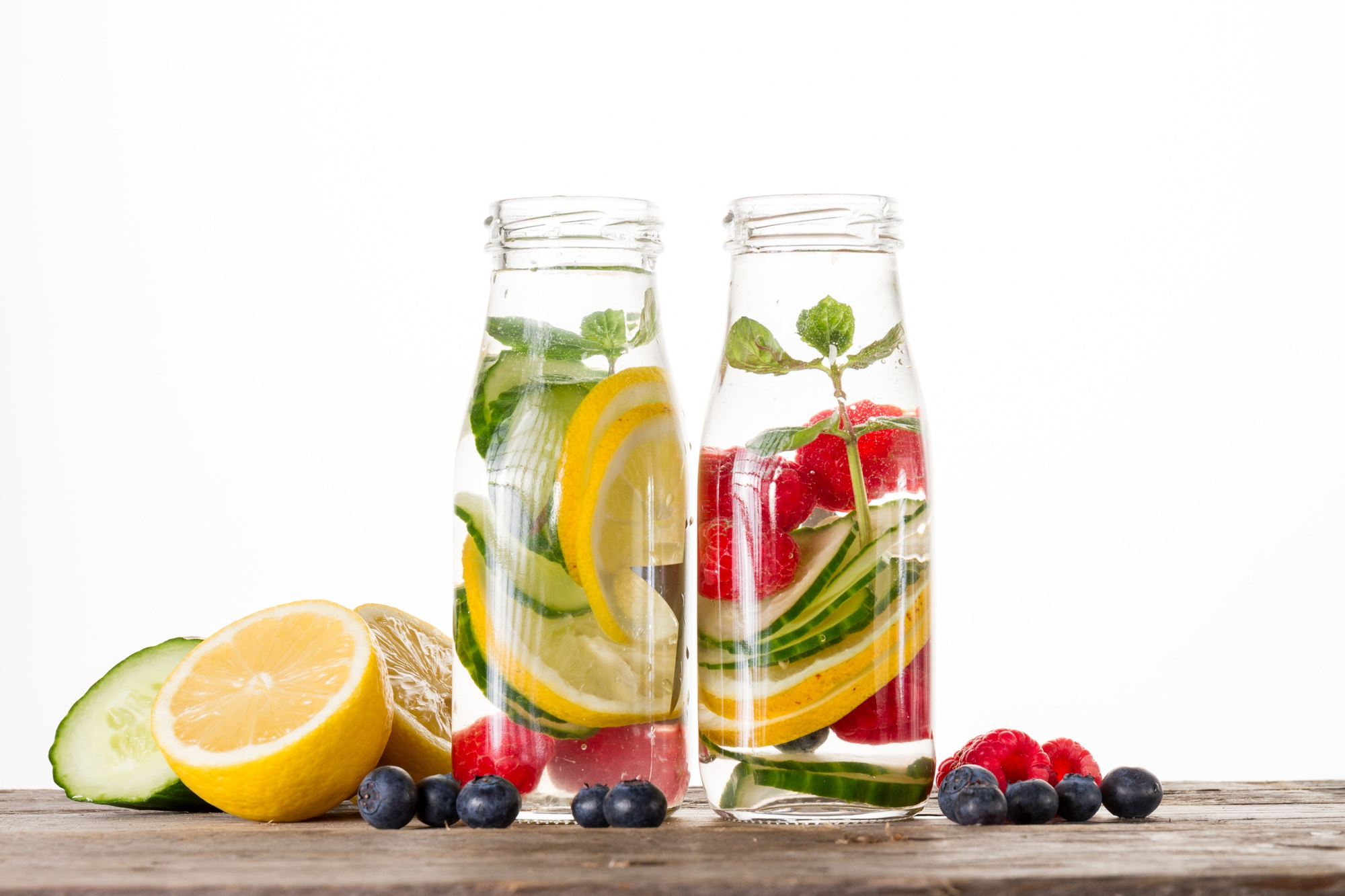
Fresh lemon, cucumber and mint slices floating in a glass jar of infused water, showing an easy and refreshing way to stay hydrated naturally.
Once vomiting has stopped, give yourself an hour or two before trying to eat. Then start with small, bland portions.
Useful foods in order: plain biscuits, dry toast, banana, plain boiled rice, curd rice, khichdi, boiled potato, idli, daal water. The classic BRAT diet (banana, rice, apple, toast) works because all four are easy on the gut.
Skip these until you feel better: spicy, oily, fried, very sweet, dairy other than curd, raw vegetables, fatty meat, caffeine, alcohol, and anything strongly flavoured. Add normal food back gradually over two to three days.
Curd or buttermilk are useful once you can tolerate them. The good bacteria help rebuild gut flora. There is also some evidence that probiotic supplements (like Saccharomyces or Lactobacillus strains) shorten diarrhoea, though plain curd does most of the same job.
Antibiotics are not for most food poisoning cases. Most viral and many bacterial cases settle on their own, and antibiotics can sometimes make certain infections worse. Antibiotics are reserved for specific situations: severe bacterial infection confirmed by stool tests, suspected Shigella or typhoid, severe travellers' diarrhoea, and infections in vulnerable patients.
Loperamide (anti-diarrhoeal) can help reduce trips to the toilet in adults with watery non-bloody diarrhoea, no fever, and no severe pain. Do not use it with bloody diarrhoea, high fever, or in children. It can prolong some bacterial infections by keeping the bug inside.
Anti-vomiting tablets sometimes help, but a doctor should usually be the one to recommend them.
Paracetamol is fine for fever and aches. NSAIDs like ibuprofen and aspirin can irritate an already inflamed gut, so avoid them during the acute illness.
Get medical help if any of these are true:
Symptoms have lasted more than three days. Diarrhoea is bloody. Vomiting has prevented all fluid intake for several hours. The fever is above 38.5°C. There is severe abdominal pain. There are signs of dehydration: very dark urine or no urination for eight hours or more, severe thirst, dizziness, rapid heartbeat, dry mouth, sunken eyes, weakness, or confusion.
In infants and young children, the soft spot on the head sinks in with dehydration. Watch for fewer wet nappies, no tears when crying, and unusual sleepiness.
Older adults dehydrate quickly and often have other medical conditions that make them more vulnerable. They should be checked early.
Pregnant women need medical attention sooner because dehydration affects both mother and baby. Listeria food poisoning is particularly serious in pregnancy.
People with diabetes, kidney disease, immune problems, recent chemotherapy, or any chronic illness should get medical help sooner.
For most cases, the diagnosis is clinical: the doctor asks what you ate, when symptoms started, what they feel like, and whether anyone else who ate the same food has the same symptoms. No tests are needed for typical mild cases.
Tests are useful when illness is severe, prolonged, or unusual:
Hospital admission is sometimes needed for IV fluids, anti-vomiting injections, or treatment of complications.
A few habits cut food poisoning risk dramatically.
Water: Use filtered or boiled water for drinking and brushing teeth. Avoid ice from unknown sources. When travelling, bottled or known-safe water only.
Hand washing: Soap and water before eating, after the toilet, before cooking, and after handling raw meat or eggs. Hand sanitiser for when soap is not available.
Cooking: Cook eggs, meat, and seafood thoroughly. Reheat leftovers until steaming hot, not just warm. Avoid runny or undercooked eggs in dishes meant for vulnerable people.
Storage: Refrigerate cooked food within two hours, sooner in hot weather. Do not leave cooked rice or cooked meat at room temperature for long. Keep raw and cooked foods separate in the fridge and on the chopping board.
Fruits and vegetables: Wash them well, especially anything you eat raw. Peel where possible during high-risk periods.
Eating out: Choose busy places where food is freshly prepared. Avoid food that has been sitting in open dishes for hours. Skip raw salads in places where water quality is uncertain. Be cautious with street food during monsoon.
Vaccinations: Hepatitis A vaccine prevents one important cause. Typhoid vaccine helps in high-risk areas and for travel. Rotavirus vaccine for infants.
Travel: Carry ORS sachets. Know the local water situation. Eat hot, freshly cooked food. Peel fruits yourself.
"You should just throw up to get rid of it." Your body is doing that on its own. Forcing it does not help and can harm.
"Antibiotics fix all food poisoning." They are rarely needed and sometimes make things worse.
"Diarrhoea is the body cleansing itself, so let it go." Diarrhoea is a symptom, not a cleanse. Dehydration is the real problem.
"You should fast until everything stops." Brief food rest is fine, but extended fasting delays recovery. Bland food helps once you can tolerate it.
"If a meal smells fine, it is fine." Many of the organisms that cause food poisoning produce no smell or taste change.
"Heating up leftover rice is safe even after a long time." Cooked rice left at room temperature for hours can grow Bacillus cereus, and reheating does not destroy the toxin.
"Curd makes diarrhoea worse." Plain curd usually helps. Sweetened or flavoured varieties are different and best avoided during illness.
Food and water contamination in NCR peaks during the warm months and especially during monsoon. Cases of typhoid, hepatitis A, and amoebic dysentery rise during this period.
Practical things that help: drink only filtered or RO water at home, keep ORS sachets in the medicine cabinet, be selective about restaurant food and avoid street food during monsoon, refrigerate leftovers promptly, vaccinate children against rotavirus, and consider hepatitis A vaccination for the family.
If symptoms are mild, manage at home. If they are severe or anyone vulnerable is affected, do not wait.
At Prakash Hospital Noida, our gastroenterologists and emergency team handle food poisoning across the range, from outpatient consultation for mild cases to IV fluids, anti-vomiting and anti-spasmodic medications, antibiotics when needed, and hospital admission for serious cases. Stool tests and blood work are available on site.
Whether you live in Sector 18, Sector 62, Greater Noida West, or anywhere nearby, Prakash Hospital Noida is a trusted name for gastroenterology care in the region.
To book a consultation, call the number.
Most food poisoning settles in two to four days with fluids, rest, and bland food. ORS is the single most useful medicine.
Watch for warning signs: bloody diarrhoea, persistent vomiting, high fever, severe pain, and signs of dehydration. Take them seriously, especially in children, older adults, and anyone with a chronic illness.
Prevention works: clean water, clean hands, properly cooked food, prompt refrigeration. The same boring habits cover most of the risk.

Replaces a failed knee implant that is loose, worn, infected or unstable with new revision parts.
Permanent male contraception: the sperm tubes are cut and sealed under local anaesthetic in about 30 minutes.
Removes a gallbladder with stones through four small cuts, usually with a stay of one night or less.
Free tools to check your weight, plan a pregnancy, track calories and more.
We offer expert care across key specialties, including Medicine, Cardiology, Orthopaedics, ENT, Gynaecology, and more—delivering trusted treatment under one roof.
Best Indian foods for strong bones — calcium-rich foods, vitamin D sources, and lifestyle habits to prevent bone loss. Prakash Hospital Noida.
31 Aug 2026
by Prakash Hospital
Visceral fat is the dangerous internal belly fat that raises heart, diabetes and liver disease risk. Learn how to measure and reduce it.
27 Jul 2026
by Prakash Hospital

Reasons to actually commit to getting annual check-ups are more diverse than known to the public. Learn about the true importance of annual health check-ups.
11 Aug 2025
by Prakash Hospital

IBS symptoms, causes, triggers, and management. What is irritable bowel syndrome and how to live with it. Prakash Hospital Noida.
15 Sept 2026
by Prakash Hospital

Why you feel bloated after eating — common Indian food triggers, medical causes, and what helps. Prakash Hospital Noida.
16 Sept 2026
by Prakash Hospital

Detailed guide on gut health, gut microbiome imbalance, symptoms of poor gut health and scientifically proven ways to improve digestive health.
19 Feb 2026
by Prakash Hospital


Book a consultation with Prakash Hospital's specialists — 24/7 emergency care, 100+ doctors, NABH accredited.
View All Departments