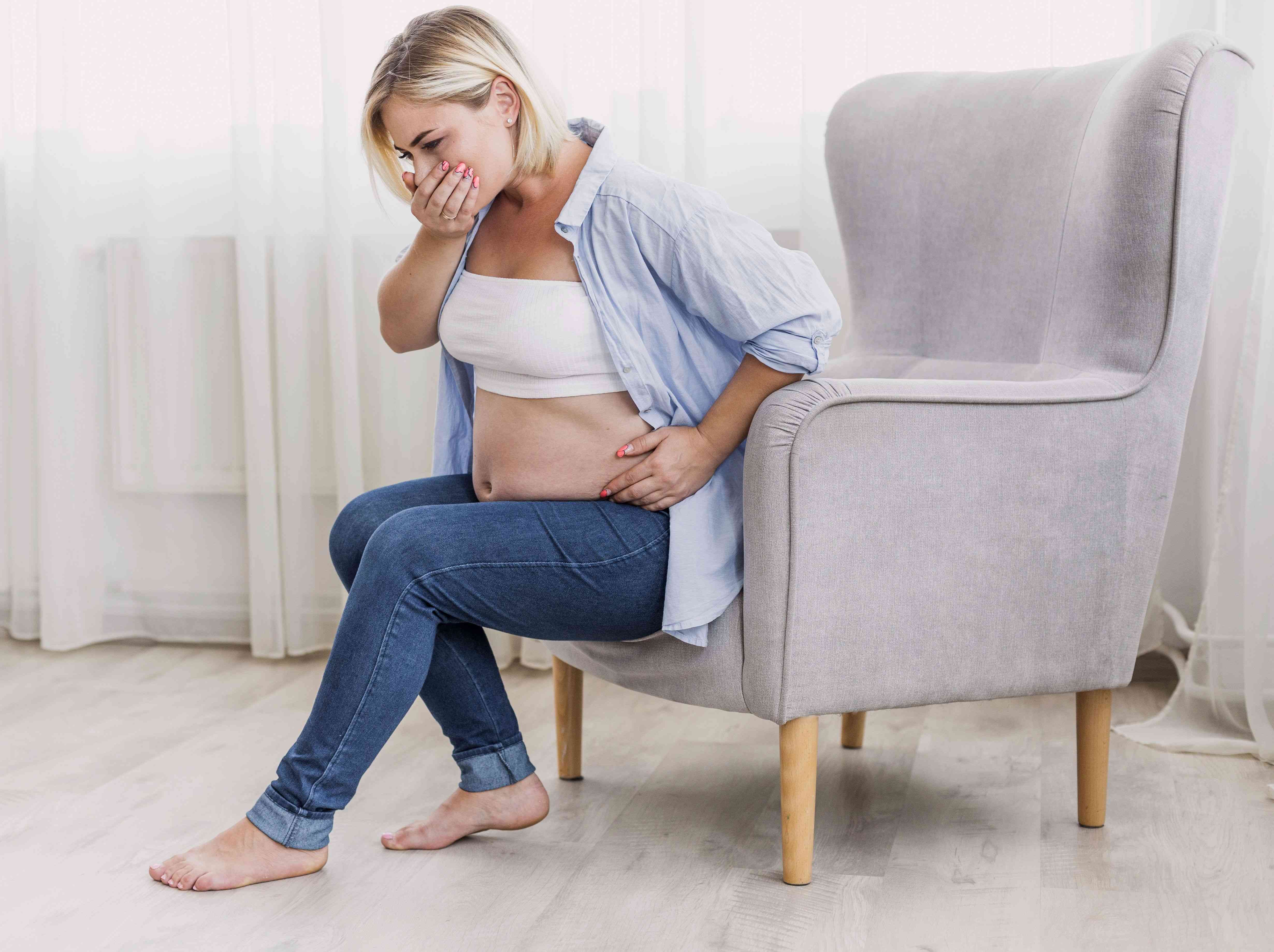
Woman feeling nauseous and about to vomit due to digestive discomfort.
Food poisoning is one of the most common medical complaints in India — and one of the most frequently managed incorrectly. Most cases resolve on their own within 24 to 48 hours with rest and hydration. But a minority are serious enough to require medical attention, and the difference isn't always obvious from the first few hours of symptoms.
In India, the combination of hot weather (which accelerates bacterial growth in food), open-air food stalls, variable food storage practices, and water contamination means that food poisoning is a year-round risk — higher in summer and the post-monsoon period when temperatures remain high.
What Food Poisoning Actually Is
Food poisoning — more accurately called foodborne illness — occurs when you eat food or drink water contaminated with:
Bacteria: Salmonella, E. coli, Staphylococcus aureus, Campylobacter, Listeria, Vibrio cholerae (cholera). The most common cause overall.
Bacterial toxins: Some bacteria produce toxins in food before it's eaten. Staphylococcal toxin in improperly stored food causes illness within 1–6 hours. The toxin itself, not live bacteria, is the cause — so cooking doesn't always help, because heat destroys bacteria but not all toxins.
Viruses: Norovirus and hepatitis A. Norovirus is highly contagious and spreads through contaminated food, water, or surfaces. Hepatitis A specifically affects the liver and has a longer incubation period (2–6 weeks) compared to bacterial food poisoning.
Parasites: Giardia, Cryptosporidium, Entamoeba histolytica (amoeba). More common causes of prolonged diarrhoea and abdominal discomfort, particularly from contaminated water. Amoebiasis is common in India and can cause dysentery (bloody diarrhoea).
Natural toxins: Certain mushrooms, some types of fish (pufferfish, certain reef fish), undercooked kidney beans, and some plants contain natural toxins. These are less common but can be severe.
How Quickly Do Symptoms Start?
The onset time after eating is one of the clues to what might be causing the illness:
| Onset After Eating | Likely Cause |
|---|---|
| 30 minutes to 6 hours | Staphylococcal toxin, Bacillus cereus toxin |
| 6 to 24 hours | Clostridium perfringens, some Bacillus cereus |
| 1 to 3 days | Salmonella, E. coli, Campylobacter, Vibrio |
| 3 to 7 days | E. coli O157:H7, Listeria |
| 2 to 6 weeks | Hepatitis A, Listeria in high-risk groups |
Very rapid onset (within an hour of eating) points strongly to a preformed toxin rather than live bacterial infection.
The Main Symptoms of Food Poisoning
Nausea: one of the earliest symptoms. An unsettled, queasy feeling that may come in waves.
Vomiting: the body's attempt to expel the contaminated food. Can be forceful and repeated in the early hours. Vomiting that resolves within 12 hours, with improving symptoms, is a good prognostic sign.
Diarrhoea: loose or watery stools. The most common symptom of food poisoning. Can range from a few loose stools to very frequent, large-volume watery diarrhoea. The primary concern with diarrhoea is dehydration.
Abdominal cramps and pain: cramping discomfort in the abdomen, often coming in waves. Generally most prominent around bowel movements.
Fever: often present, particularly with bacterial infections. Temperature of 38–39°C is common. High fever above 39.5°C with food poisoning symptoms is a red flag.
Headache and body ache: common accompaniments, particularly with bacterial causes.
Weakness and fatigue: the combination of fever, vomiting, and diarrhoea causes significant physical depletion.
Bloody diarrhoea (dysentery): blood or mucus in the stool indicates intestinal inflammation. This is more concerning than watery diarrhoea alone and warrants medical assessment. It's associated with Salmonella, E. coli O157:H7, Shigella, and Entamoeba histolytica (amoeba).
Signs of Dehydration: The Main Danger
The primary risk from food poisoning is dehydration — from fluid lost through vomiting and diarrhoea not being adequately replaced. Dehydration can become dangerous, particularly in young children, the elderly, and people with existing health conditions.
Person showing signs of dehydration.
Mild dehydration:
Dry mouth and lips
Slightly reduced urination
Increased thirst
Mild headache
Moderate dehydration:
Dark yellow urine or urinating very infrequently (less than twice in 8 hours)
Dizziness when standing
Significantly dry mouth
Sunken eyes in children
Severe dehydration — requires immediate medical care:
No urination in 8+ hours
Extreme weakness or inability to stand
Confusion or altered consciousness
Very rapid heart rate and low blood pressure
Severe dizziness
In infants: no wet nappy in 8 hours, very sunken fontanelle (soft spot on the head), no tears when crying
When to See a Doctor
Go to a doctor or emergency room if:
Diarrhoea is very frequent (more than 6 times in 24 hours), particularly if combined with vomiting
Blood or mucus in the stool
Fever above 39.5°C
Symptoms are worsening, not improving, after 24 hours
Signs of moderate to severe dehydration
Persistent vomiting that prevents any fluid retention for more than 6 hours
Severe abdominal pain — not just cramping but continuous, intense pain (rules out appendicitis and other surgical causes)
Diarrhoea and symptoms in a diabetic, immunocompromised, elderly, or pregnant person — these groups are at higher risk of severe complications
Neurological symptoms: numbness, weakness, blurred vision (can indicate botulism — rare but a medical emergency)
Symptoms suggest hepatitis A: dark urine, yellowing of the eyes, pale stools, with nausea and fatigue (onset 2–6 weeks after exposure)
You are an infant under 6 months old or an elderly person over 70 — these groups dehydrate more rapidly
Home Management for Mild Cases
Most healthy adults with food poisoning can manage at home with the following
1. Oral rehydration — the most important step
Replacing fluid and electrolytes lost through vomiting and diarrhoea.
ORS (Oral Rehydration Solution): available at every pharmacy in India. The WHO-formulated ORS (sachets) is the most effective rehydration solution available — better than plain water because it contains the correct sodium-glucose ratio that optimises intestinal absorption. Mix one sachet in one litre of boiled and cooled water.
Drinking pattern: small, frequent sips rather than large amounts at once. If vomiting, try a teaspoon or tablespoon every few minutes. Large amounts trigger the vomiting reflex.
Coconut water: natural electrolytes — potassium, sodium, magnesium. An excellent supplement to ORS in mild cases.
Rice water (kanji/maand): the starchy water from boiling rice. Mild on the stomach, provides some calories, and has mild anti-diarrhoeal properties. A traditional and practical first-line food in Indian households.
Avoid: milk (can worsen diarrhoea if lactose intolerance is temporarily worsened by gut inflammation), fruit juices high in fructose, alcohol, and sugary drinks.
2. What to eat
For the first 12–24 hours, stick to very plain, easily digestible foods if hunger returns:
Plain boiled rice
Plain khichdi (rice and moong dal, minimal seasoning)
Toast or plain biscuits
Banana (pectin helps firm stool and provides potassium)
Curd (probiotics support gut recovery, though delay introducing it until vomiting has stopped)
Plain dal soup (the water from boiled moong dal)
Avoid spicy food, fatty food, fried food, dairy in large amounts, and high-fibre foods until fully recovered.
3. Medications
Do not take antibiotics without medical advice. Most food poisoning is viral or self-limiting bacterial — antibiotics don't help and can worsen some types (certain E. coli infections, for example, are made more dangerous by antibiotics). Antibiotics are prescribed for specific bacterial causes (Salmonella, Shigella, Campylobacter, amoebiasis) based on stool culture or clinical assessment.
Probiotics: Saccharomyces boulardii and Lactobacillus rhamnosus GG have evidence for shortening the duration of diarrhoea. OTC probiotic capsules (available in Indian pharmacies) are reasonable adjuncts.
Anti-diarrhoeal medications like loperamide (Lopamide): generally not recommended for infectious diarrhoea — diarrhoea is the body's mechanism for expelling the pathogen, and slowing it down can prolong the infection. Occasionally used for very disruptive watery diarrhoea in adults without fever or blood in stool. Not for children, never with bloody diarrhoea, and always after ruling out severe infection.
Zinc supplementation: in children under 5, zinc supplementation (10–20 mg daily for 10–14 days) during diarrhoeal illness is recommended by the WHO and National Health Mission guidelines in India — it reduces the severity and duration.
Common Food Poisoning Sources in India
Understanding where contamination commonly comes from helps with prevention:
Street food: improperly stored chutneys, cut fruit exposed to flies, reheated food that has been kept at room temperature for hours, ice made from unpurified water.
Restaurants: improper food storage, cross-contamination between raw and cooked food, inadequate cooking temperature, infected food handlers.
Home cooking: improperly stored cooked food (leaving rice, dal, or sabzi at room temperature for hours in summer), reheated food that hasn't been heated throughout, raw salads washed in contaminated water, undercooked chicken or eggs.
Water: tap water in areas without reliable chlorination, borewell water, water from tankers, ice cubes of unknown origin.
Dairy: unpasteurised milk, khoya of uncertain origin, improperly stored paneer, curd made from unboiled milk.
Food Safety Practices That Prevent Most Cases
Wash hands before cooking, before eating, and after using the toilet. This single habit prevents more food poisoning than any other measure.
Refrigerate cooked food within two hours. In summer, this window is shorter.
Reheat food until steaming throughout — not just warm. Stir during reheating to ensure even heating.
Don't eat food that has been at room temperature for more than 2 hours in temperatures above 25°C (which is most of India for most of the year).
Drink purified or boiled water.
Wash vegetables and fruit thoroughly under running water.
Keep raw meat and chicken separate from ready-to-eat foods.
Cook chicken and eggs thoroughly — until no pink remains in chicken, and eggs are fully cooked.
Care at Prakash Hospital Noida
At Prakash Hospital Noida, our physicians evaluate food poisoning and gastrointestinal illness — including stool examination for bacteria and parasites, blood tests where indicated, and IV rehydration for cases with significant dehydration. Children, elderly patients, and people with existing health conditions who develop food poisoning are assessed promptly.
Whether you live in Sector 18, Sector 62, Greater Noida West, or anywhere in the NCR, Prakash Hospital Noida is a trusted name for gastroenterology, fever and infection care, and general medicine in Noida.
We offer expert care across key specialties, including Medicine, Cardiology, Orthopaedics, ENT, Gynaecology, and more—delivering trusted treatment under one roof.
Gas problem and bloating — understand the causes, foods to avoid, and effective home remedies. Visit Prakash Hospital Noida for gastroenterology consultation.