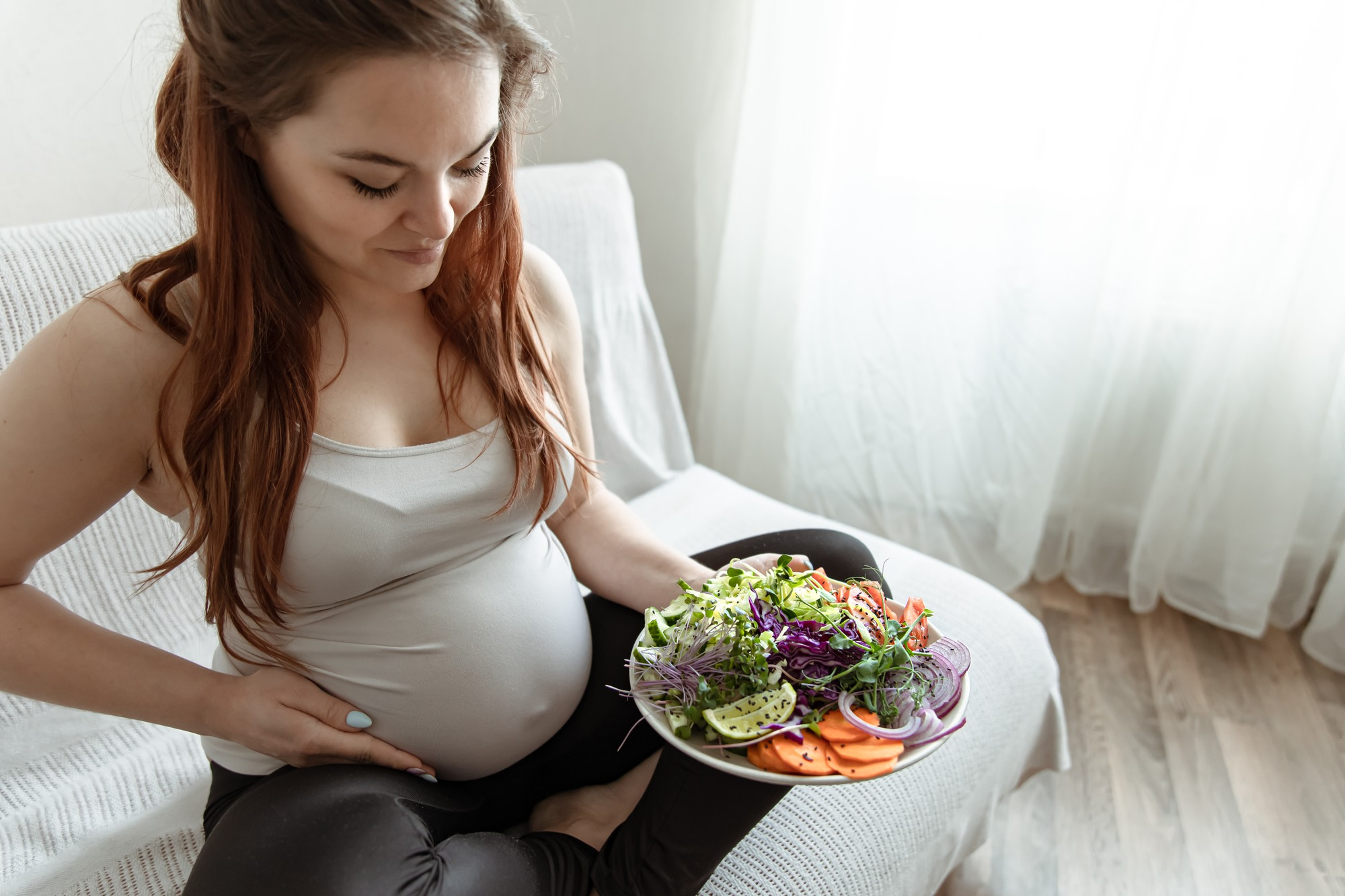
A pregnant woman seated on the couch with a nutritious food plate, representing the importance of balanced eating and proper nourishment during pregnancy.
Indian pregnancy comes with a lot of food advice from family, neighbours, and the internet. Some of it is sensible. Some is myth. Some is contradictory. The actual list of foods you really need to avoid is shorter than most people think, but knowing which ones matter and why helps you make confident choices.
This is a practical guide to what to skip during pregnancy and why, organised by risk type.
Pregnancy makes you slightly more vulnerable to certain infections, which can affect both you and the baby. The foods to avoid mostly fall into three categories:
Most other "avoidance" lists circulating in Indian families are based on traditional beliefs rather than science. Some have merit, others do not.
These can carry Listeria, Salmonella, Toxoplasma, or parasites. All can harm the baby.
Avoid: Rare or medium-rare meat, raw fish (sushi, sashimi), runny eggs, half-cooked eggs in dishes, pre-cooked deli meats unless reheated steaming hot.
Safe alternatives: Thoroughly cooked meat, fully cooked eggs (no runny yolk or white), fish cooked through, freshly cooked food.
Raw milk and unpasteurised dairy can carry Listeria, which causes a small risk of miscarriage and severe illness.
Avoid: Raw milk straight from a dairy without boiling, soft cheeses like brie, camembert, blue cheese, feta unless clearly pasteurised.
Safe alternatives: Boiled milk, pasteurised dairy, hard cheeses like cheddar, parmesan, paneer (made from boiled milk).
In India, it is safer to boil any store-bought milk before using it for paneer, curd, or other preparations.
Mercury accumulates in long-lived predator fish and can harm the baby's brain development.
Avoid: Shark, swordfish, king mackerel, tilefish.
Safe alternatives: Salmon, sardines, pomfret, rohu, smaller fish in general. Limit fish intake to 2 to 3 portions a week.
Raw sprouts (moong, alfalfa, etc.) can carry Salmonella and E. coli because the warm humid conditions during sprouting are also good for bacterial growth.
Avoid: Raw sprouts.
Safe alternatives: Lightly cooked or steamed sprouts.
The water used to wash them, the surfaces they sit on, and the time they spend in open air all increase contamination risk.
Avoid: Cut fruits from street vendors, cut salads at restaurants you cannot vouch for, fruit chaat outside the home.
Safe alternatives: Whole fruits washed at home, fruits you cut yourself, fruits with thick peel (banana, orange, mosambi, watermelon) that you wash and peel.
Liver is very high in vitamin A. Excessive vitamin A can cause birth defects, especially in the first trimester.
Avoid: Liver as a regular part of the diet, cod liver oil supplements unless prescribed.
Safe alternatives: Other meat sources of protein and iron.
Alcohol crosses the placenta and can cause fetal alcohol spectrum disorders. No amount has been proven safe.
Avoid: All alcohol throughout pregnancy.
High caffeine intake is linked to increased miscarriage risk and low birth weight.
Avoid: More than 200 mg of caffeine per day. This works out to about 2 small cups of coffee or 4 cups of tea. Add up all sources including coffee, tea, cola, chocolate, and energy drinks.
Safe alternatives: Decaf coffee, herbal teas, milk, water.
Avoid taking vitamin A supplements above 10,000 IU daily unless prescribed. This includes some skincare products with high vitamin A content (retinoids).
The science: Unripe and semi-ripe papaya contains latex and a compound called papain that can cause uterine contractions in large amounts. Ripe papaya is safe in moderate amounts and provides good vitamins.
Practical approach: Avoid unripe and semi-ripe papaya, especially in the first trimester. Ripe (fully orange, sweet, soft) papaya in normal amounts is fine.
The science: Pineapple contains bromelain, which in concentrated amounts can affect the uterus. The amount in normal pineapple is small and unlikely to cause problems.
Practical approach: Avoid eating large amounts in the first trimester. Small to moderate amounts later in pregnancy are fine.
The science: Both have traditional warnings against excessive use during pregnancy. The amounts used in normal cooking are safe.
Practical approach: Normal cooking amounts are fine. Avoid concentrated supplements without medical advice.
The science: Internal use of aloe vera juice or supplements is not recommended during pregnancy. External use on skin is generally fine.
Practical approach: Avoid drinking aloe vera juice. Topical use is okay.
The science: Normal cooking use is safe. Concentrated supplements are not recommended in pregnancy.
Practical approach: Cooking with methi is fine. Avoid methi supplements.
The science: Small amounts used in cooking and in warm milk are traditional and considered safe.
Practical approach: A few strands in milk or in cooking are fine. Avoid large quantities or concentrated extracts.
The science: Moderate amounts are fine. Excessive use adds calories.
Practical approach: Use in cooking as normal. Avoid eating spoonfuls plain in third trimester, as suggested by some traditions, unless you genuinely need the extra calories.
The food itself may be safe, but the water, surfaces, and food handling are often not. Pregnancy makes you slightly more vulnerable to food-borne illness.
Practical approach: Avoid most street food during pregnancy, especially during monsoon and high-temperature months. If you must eat outside, choose busy clean places with high turnover where food is freshly cooked and served hot.
Similar concerns to street food but usually safer. Choose places you trust. Avoid raw items (salads, chutneys) in places you do not know well. Prefer freshly cooked hot food.
Leftovers are fine if properly refrigerated promptly and reheated thoroughly. Avoid food that has been sitting out for hours.
Spicy curries, deep-fried foods, very rich foods, citrus in large amounts, tomato-heavy preparations, mint, chocolate, fizzy drinks, fried snacks.
Most are not dangerous, just uncomfortable. Cut down if they cause heartburn.
Beans, cabbage, broccoli, cauliflower, onions, carbonated drinks. Many women find these worsen pregnancy bloating. Eat in smaller amounts.
People often avoid these unnecessarily:
1. "Eat ghee in the last month for easy delivery." No scientific evidence. Excess ghee just adds unnecessary calories.
2. "Saffron makes the baby fair." Skin colour is genetic. Saffron in small amounts is harmless but does not change baby's appearance.
3. "Sour foods will give the baby acidity." No such effect. Citrus and tamarind are useful for vitamin C and iron absorption.
4. "Avoid all bitter foods." Methi, karela, and other bitter vegetables in normal cooking amounts are fine.
5. "Eating two bananas at once is dangerous." No, it is not.
6. "Salty foods will harm the baby." Excessive salt can worsen swelling and blood pressure, but normal amounts are fine.
7. "Drink coconut water for a fair baby." Coconut water is hydrating and useful. It does not change skin colour.
8. "Watermelon causes cold." No evidence. Watermelon is hydrating and useful.
9. "All red foods are bad for pregnancy." Pomegranate, beetroot, and many red foods are excellent.
10."Avoid hot foods like garam masala." Normal cooking amounts of spices are fine. Only very heavy spicy food may cause heartburn.
Additional restrictions on sugar, refined carbs, sweets, and high-glycemic foods. Smaller frequent meals. Proper monitoring. Personalised diet from a nutritionist.
Focus shifts to whatever you can keep down, even small amounts. IV fluids and medications if severe.
Iron-rich foods with vitamin C. Iron supplements. Avoiding tea and coffee around iron intake.
Pay attention to protein, B12, iron, omega-3, zinc, and calcium. Supplements often needed. Discuss with a doctor or nutritionist.
Higher calorie and nutrient needs. More careful monitoring of weight gain. Earlier nutrition counselling.
When in doubt:
Most other things, in normal cooking and eating amounts, are fine.
At Prakash Hospital Noida, our gynecologists and nutritionists provide pregnancy nutrition counselling, including personalised guidance for women with specific dietary concerns, gestational diabetes, anemia, or food allergies.
Whether you live in Sector 18, Sector 62, Greater Noida West, or anywhere nearby, Prakash Hospital Noida is a trusted name for maternity care and pregnancy nutrition guidance in Noida.
To book a consultation, call the number.
The list of foods to genuinely avoid during pregnancy is short: raw or undercooked meat, eggs, and fish; unpasteurised dairy and certain cheeses; high-mercury fish; raw sprouts; cut fruits from outside; liver in large amounts; alcohol; excessive caffeine; unripe papaya in first trimester.
Most other restrictions you hear about are tradition rather than science. A normal Indian diet, cooked at home with reasonable hygiene, covers your needs and your baby's needs.
For specific situations like gestational diabetes, severe morning sickness, or food allergies, work with your gynecologist and a nutritionist for a personalised plan.
Eat well, eat safely, and enjoy the food without unnecessary anxiety.
Tags: #PregnancyFood #FoodsToAvoidPregnancy #PrakashHospitalNoida
 Copy
CopyWe offer expert care across key specialties, including Medicine, Cardiology, Orthopaedics, ENT, Gynaecology, and more—delivering trusted treatment under one roof.


Book a consultation with Prakash Hospital's specialists — 24/7 emergency care, 100+ doctors, NABH accredited.

Prakash Hospital Pvt. Ltd. is a 100 bedded NABH NABL accredited multispecialty hospital along with a center of trauma and orthopedics. We are in the service of society since 2001.
OUR SPECIALITIES
Patient Services
PROCEDURES
Contact Us
D – 12A, 12B, Sector-33, G. B. Nagar, Noida, Uttar Pradesh 201301
+91-8826000033


© 2026 All rights reserved.
Designed and Developed by Zarle Infotech