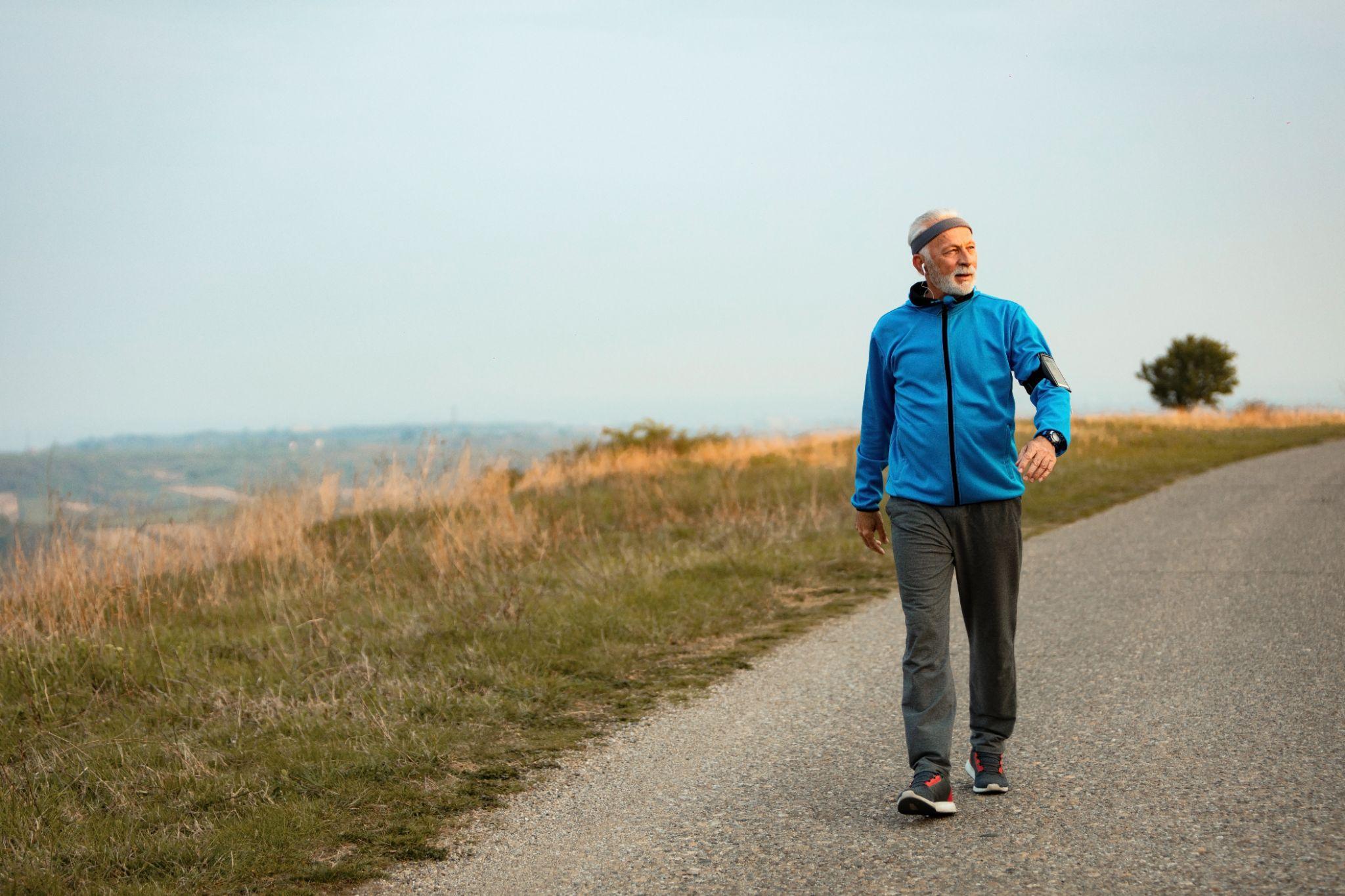
Woman drinking water for hydration.
"Eight glasses a day" is one of the most repeated health recommendations in the world — and also one of the most oversimplified. The right amount of water for any individual depends on body size, activity level, climate, diet, and health status. For someone living in Noida's summer heat, working physically, or eating a largely dry food diet, eight glasses may be inadequate. For a smaller, sedentary person eating water-rich vegetables and drinking chaas and dal, eight glasses may be more than enough.
This guide cuts through the generic advice and gives practical, India-specific hydration guidance.
Water constitutes approximately 60% of adult body weight — higher in muscle, lower in fat. It is involved in virtually every physiological process:
The most practical evidence-based recommendation from major health organisations: 2.5 to 3.5 litres of total fluid daily for most healthy adults in a temperate climate. This includes all fluid sources — not just plain water.
For Indians specifically, the higher end of this range is appropriate for most of the year because:
A practical target: 2.5–3 litres of fluid from all sources on typical days; 3–4 litres on hot days or days with significant physical activity.
This translates to approximately 8–12 glasses (250 ml each) of fluid — not necessarily all plain water.
Interestingly, no. The "8x8" rule (eight 8-ounce glasses daily) has no scientific study behind it. It originated from a 1945 dietary recommendation that was later misquoted. The actual evidence-based recommendations account for individual variation and total fluid from all sources, not just water.
Hot weather: sweating in Noida's summer requires significantly more intake — an additional 500 ml to 1 litre per hour of moderate activity in the heat.
Physical activity: every hour of moderate exercise depletes approximately 0.5–1 litre; intense exercise in heat can deplete 2–3 litres per hour.
High dietary fibre intake: fibre absorbs water in the gut for proper function; people eating high-fibre diets (with generous dal and vegetables) need more water to avoid constipation.
Illness with fever, vomiting, or diarrhoea: all increase fluid losses requiring replacement.
Pregnancy and breastfeeding: both increase fluid requirements by approximately 300–700 ml daily.
Air conditioning (prolonged exposure): AC reduces ambient humidity, increasing evaporative water loss through the skin and respiratory tract.
Altitude: higher altitudes increase breathing rate and fluid losses.
Alcohol: alcohol is a diuretic — it suppresses vasopressin (ADH) and increases urine production, causing dehydration disproportionate to volume consumed.
The simplest, most practical guide to hydration status is urine colour:
| Urine Colour | Hydration Status | |---|---| | Pale yellow (lemonade colour) | Well hydrated — ideal | | Clear/colourless | Possibly overhydrated (if frequent) | | Medium yellow | Adequate but drink more | | Dark yellow / amber | Dehydrated — drink now | | Orange / brown | Significantly dehydrated or other medical cause |
Aim for pale yellow throughout the day. The first urine of the morning is typically darker — this is normal.
Plain water is the best fluid for hydration — zero calories, zero concerns. But India has a rich tradition of hydrating beverages that also provide nutrition:
Coconut water (nariyal pani): natural electrolytes (potassium, sodium, magnesium), very low sugar, isotonic with blood plasma. Ideal for rehydration during heat or after exercise. The most nutritious hydrating drink available naturally in India.
Chaas (buttermilk): water + probiotics + salt + electrolytes. Traditional, cooling, gut-healthy. One to two glasses daily in summer is an excellent choice.
Nimbu pani (lemon water): vitamin C + electrolytes. Make with a pinch of salt (not just sugar). The slight salt content helps retain the fluid better than plain water.
Aam panna (green mango drink): traditional North Indian summer drink. Contains vitamin C and provides electrolytes with natural fruit sugars. Homemade is preferable to commercial versions with high sugar.
Herbal teas (without sugar): kadak adrak chai (ginger) without sugar, green tea, hibiscus tea, mint-lemon tea — all contribute to fluid intake.
Dal and sabzi water: the liquid in dal and soups is mostly water and counts toward daily intake. Watery sabzi and soups are significant contributors in the Indian diet.
Fresh fruits and vegetables: watermelon, cucumber, tomato, oranges, and many other fruits and vegetables are 85–95% water. A diet rich in these significantly reduces the volume of plain water needed.
Alcohol: net diuretic — increases fluid loss beyond the fluid consumed.
Caffeinated drinks (in large quantities): moderate caffeine (1–3 cups of tea or coffee) is mildly diuretic but the fluid volume still provides net hydration. Very high caffeine intake (6+ cups daily) tips toward net dehydration.
Sugary commercial drinks: cold drinks, commercial fruit juices — provide hydration in terms of fluid, but the high sugar and sometimes caffeine content make them poor choices compared to water and natural drinks.
Start with warm water in the morning: a glass of warm water (with or without lemon) before anything else stimulates gut motility and starts the hydration day. Very common traditional practice; the warm temperature specifically stimulates peristalsis more effectively than cold water.
Keep a large water bottle visible: the biggest reason people under-drink is simply forgetting. A 1-litre bottle on the desk provides a visual cue and simplifies tracking.
Drink a glass before every meal: helps meet fluid targets, also slightly reduces meal intake (moderate pre-meal water consumption is associated with lower calorie intake in overweight adults).
Set reminders: particularly for desk workers — a phone reminder every 90 minutes provides consistent prompts.
Drink more before and during outdoor activity or travel: proactive hydration before exertion is more effective than catching up during it.
Carry water at all times in summer: the combination of heat, sun, and activity in Indian summers creates rapid dehydration, particularly for two-wheeler commuters and outdoor workers.
After alcohol: drink a glass of water for every alcoholic drink, and a large glass before sleeping.
Mild:
Moderate:
Severe (medical attention needed):
Yes, but uncommon in healthy adults. Drinking very large amounts of plain water rapidly (hyponatraemia) dilutes sodium in the blood — occurring in endurance athletes who drink excessive plain water without sodium replacement, or in rare cases of psychiatric conditions.
For most people eating a normal salt-containing diet and drinking in response to normal thirst and activity: overhydration from everyday drinking is not a realistic concern. Don't restrict fluid because of fear of drinking "too much" — the kidneys handle excess fluid intake efficiently.
Whether you live in Sector 18, Sector 62, Greater Noida West, or anywhere in the NCR, Prakash Hospital Noida is a trusted name for preventive health, nutrition guidance, and general wellness in Noida.
Tags: #HowMuchWaterToDrink #DailyWaterIntakeIndia #PrakashHospitalNoida

We offer expert care across key specialties, including Medicine, Cardiology, Orthopaedics, ENT, Gynaecology, and more—delivering trusted treatment under one roof.


Book a consultation with Prakash Hospital's specialists — 24/7 emergency care, 100+ doctors, NABH accredited.

Prakash Hospital Pvt. Ltd. is a 100 bedded NABH NABL accredited multispecialty hospital along with a center of trauma and orthopedics. We are in the service of society since 2001.
OUR SPECIALITIES
Patient Services
PROCEDURES
Contact Us
D – 12A, 12B, Sector-33, G. B. Nagar, Noida, Uttar Pradesh 201301
+91-8826000033


© 2026 All rights reserved.
Designed and Developed by Zarle Infotech